El mapa de la revolución de la edición genética
El CRISPR Decoded
Explora las tecnologías, tratamientos, enfermedades, científicos, empresas, ensayos clínicos y descubrimientos que están dando forma al futuro de la medicina genética.
Empieza donde realmente estás
Este sitio está escrito para lectores muy distintos a la vez. Cada puerta de abajo accede a la misma base de datos desde un ángulo diferente. Nada está simplificado en exceso y nada da por sentado que tienes una carrera en biología.
 New to all of thisComienza con qué es el DNA y ve avanzando. No se necesitan conocimientos previos.
 A patient or familyQué está aprobado, qué solo está en ensayos y cómo distinguirlo.
 Siguiendo a la industriaQuién desarrolla qué y en qué etapa. Información, nunca consejo médico.
 Aquí por la alimentación y la agriculturaCultivos y animales editados genéticamente, y por qué las normas varían según el país.
Explorar la edición genética
Siete formas en que los científicos modifican el material genético. Cada página comienza con una explicación en lenguaje sencillo y luego profundiza tanto como quieras.
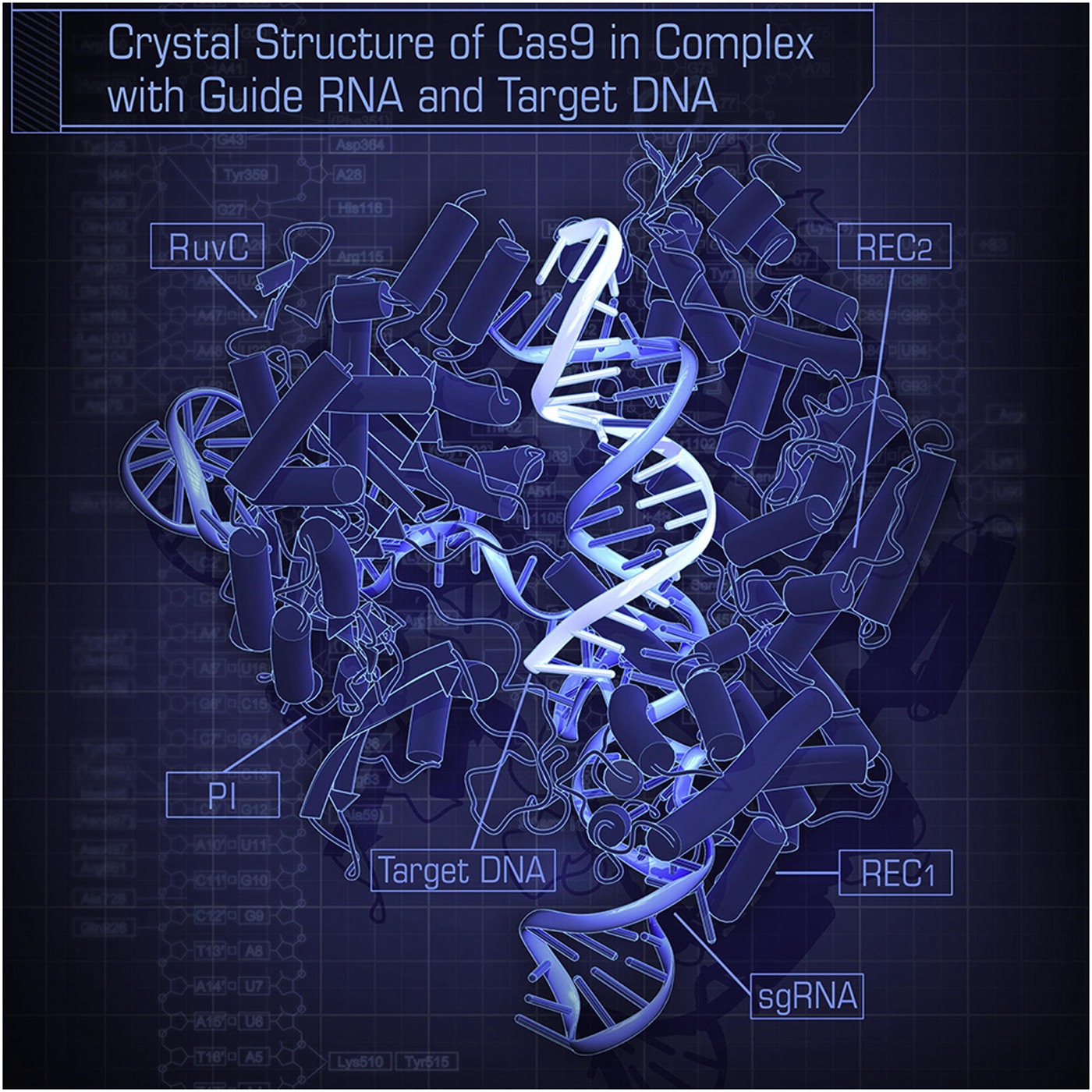 CRISPR-Cas9A protein that can be programmed with a short RNA guide to find one specific sequence in a genome and cut it.
Hiroshi Nishimasu, F. Ann Ran,... · CC BY-SA 3.0
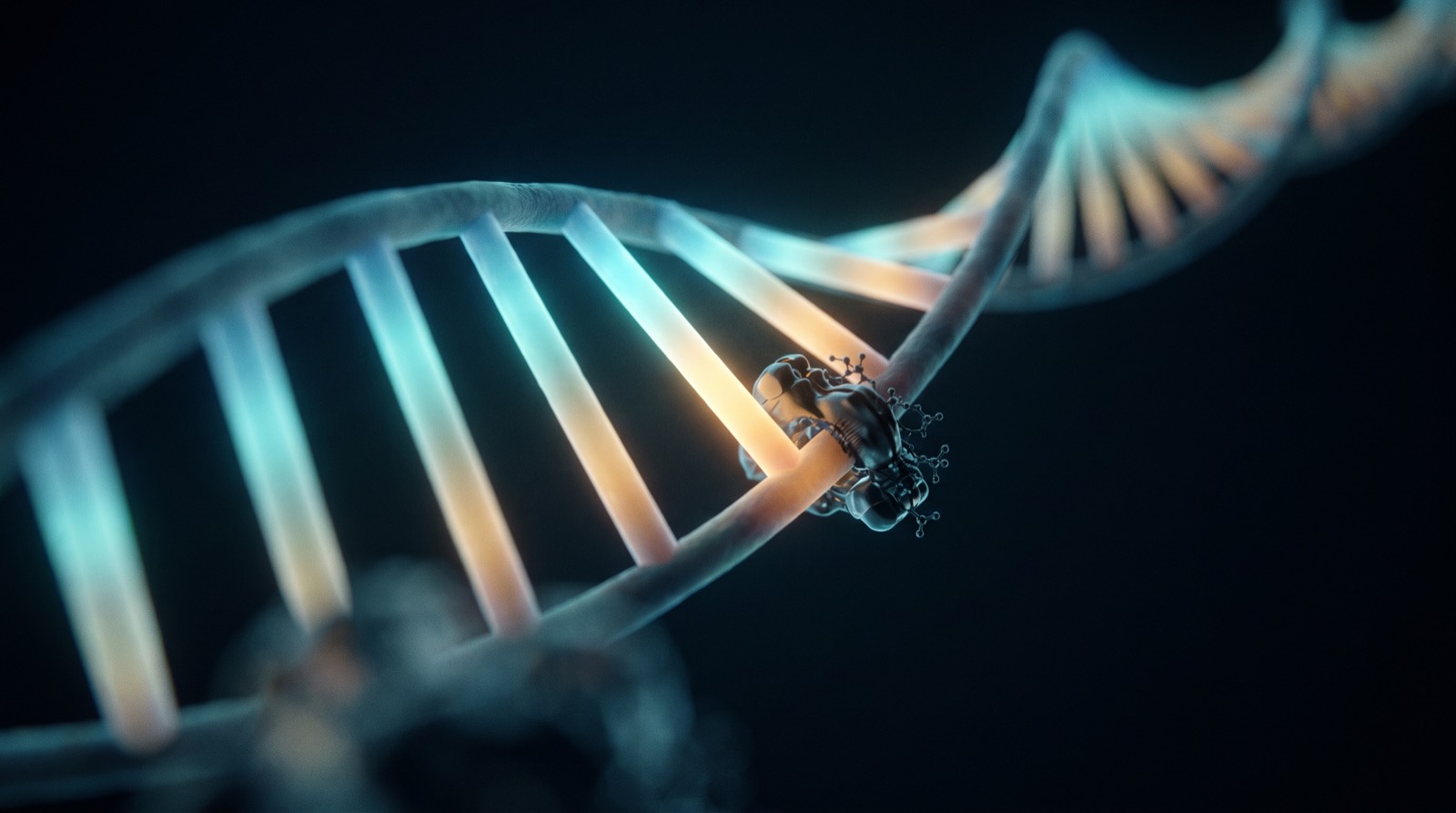 Base EditingChemically converts one DNA letter into another at a chosen position, without cutting both strands of the double helix.
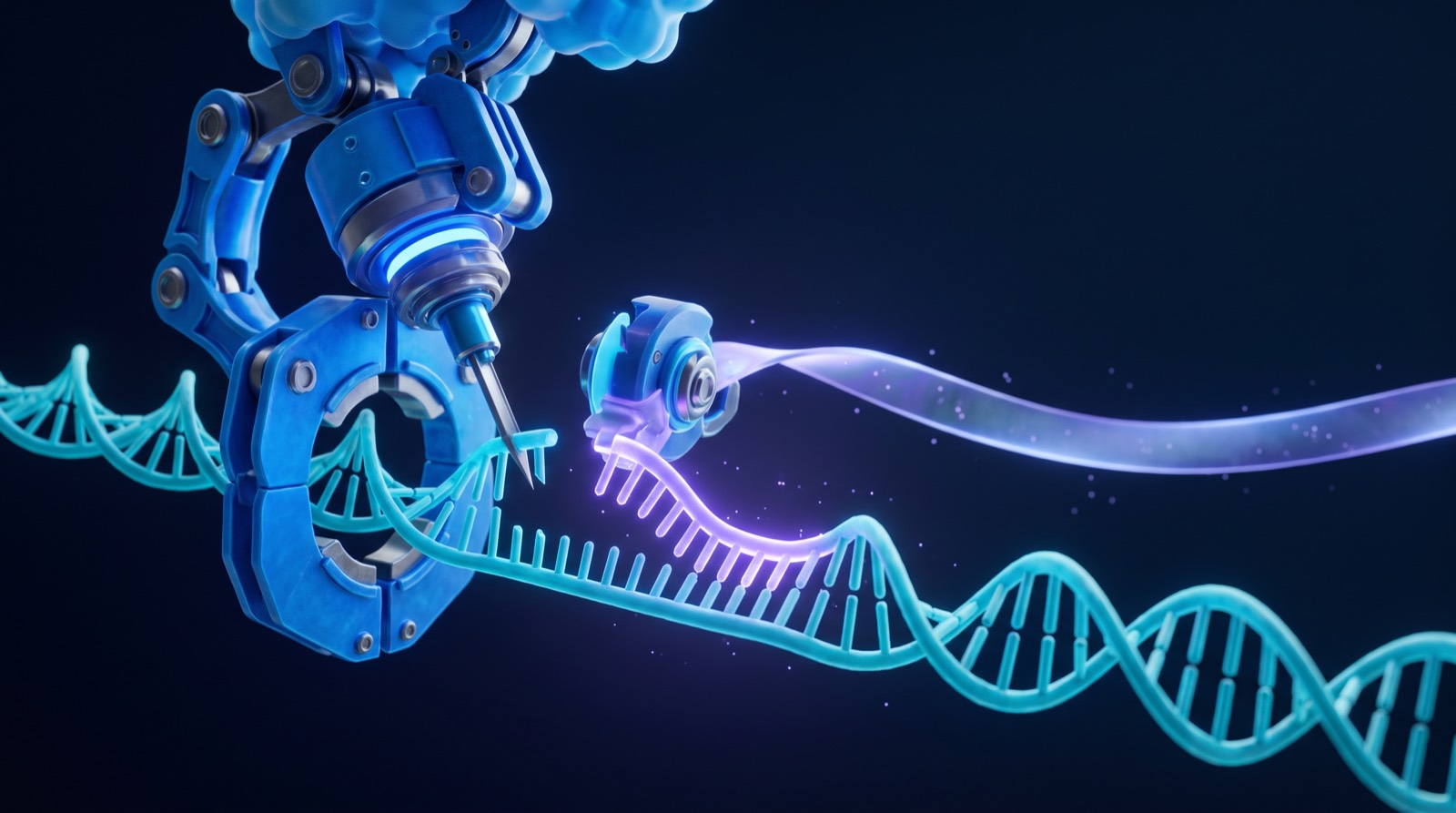 Prime EditingWrites a new stretch of DNA sequence directly into a chosen site, using a guide that carries the replacement text with it.
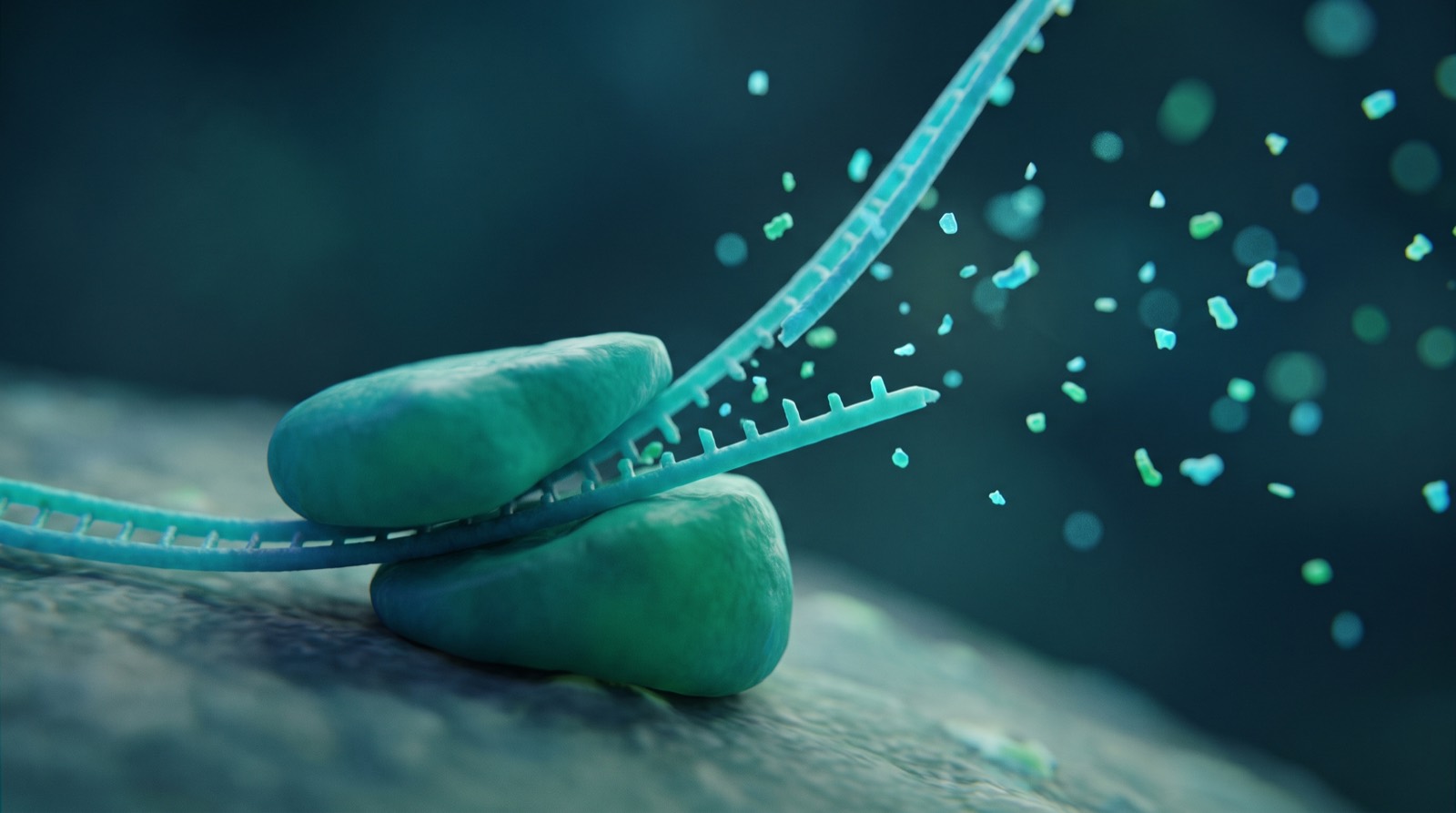 CRISPR-Cas12A family of CRISPR nucleases that cut DNA leaving staggered ends, use a different sequence requirement from Cas9, and can be smaller.
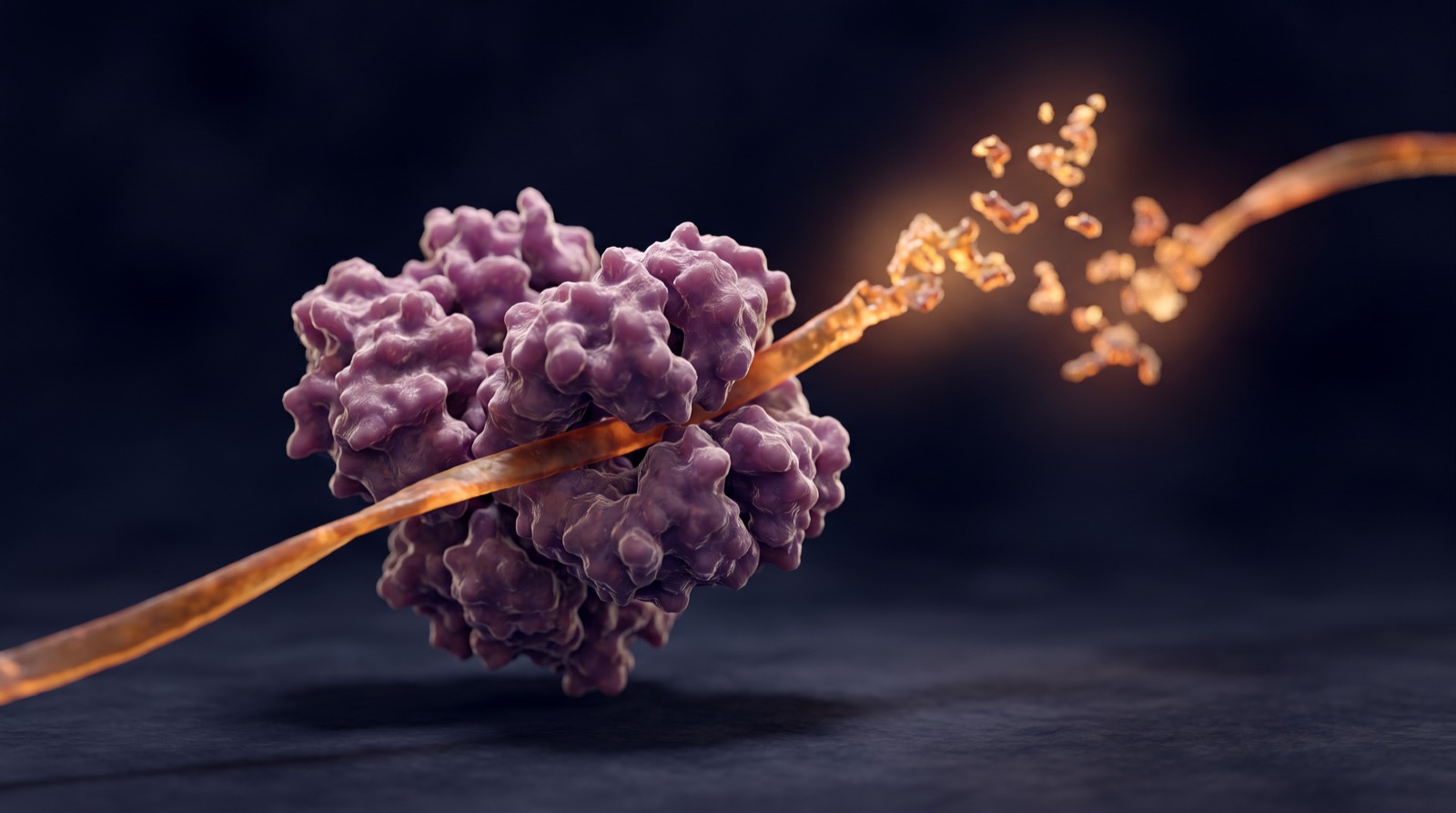 CRISPR-Cas13Targets RNA rather than DNA, so it can silence a gene's message without touching the genome itself.
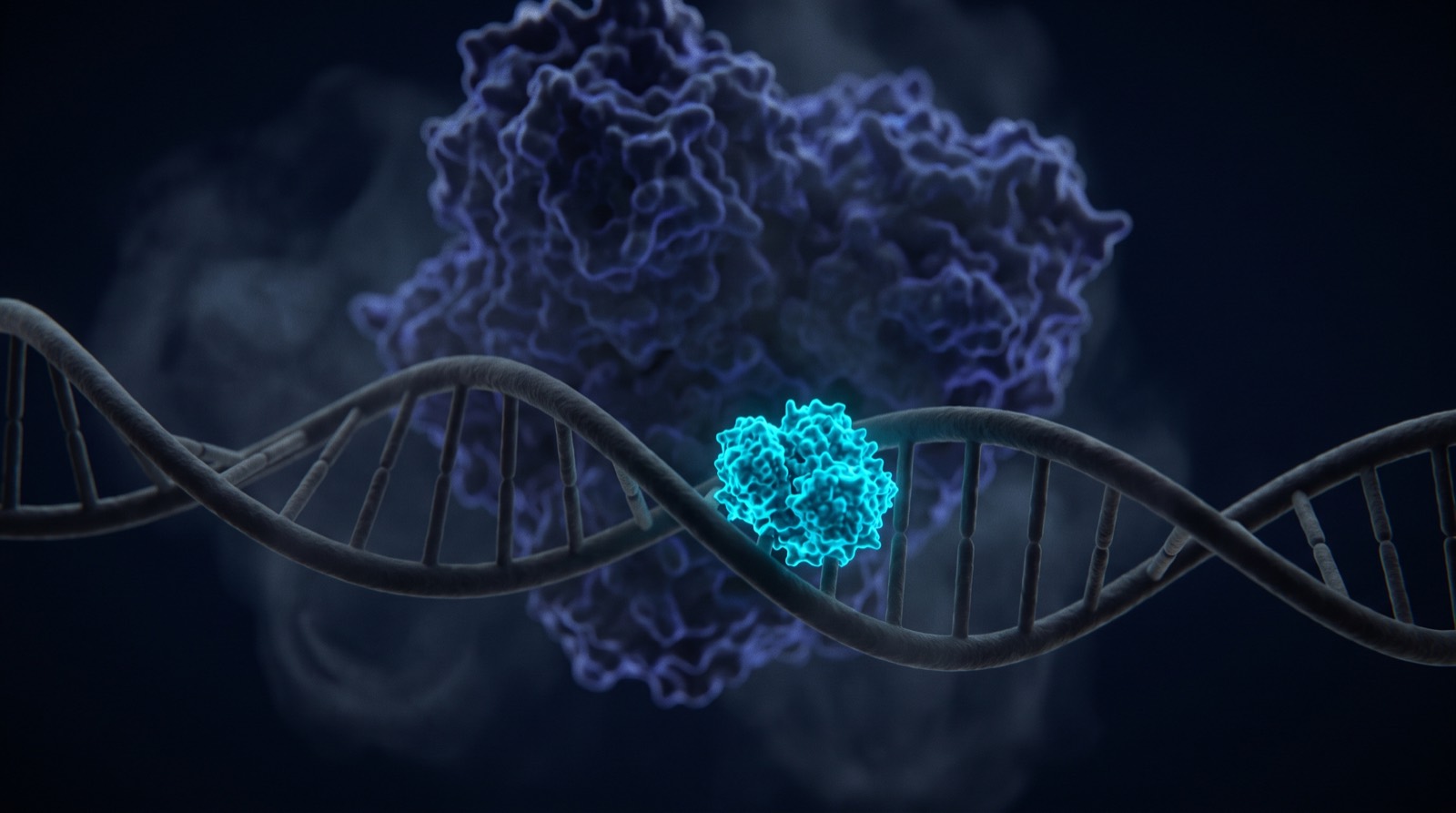 Cas14 and miniature Cas systemsUnusually small CRISPR nucleases, roughly a third the size of Cas9, discovered in archaea and bacteriophages.
 RNA EditingChanges letters in the RNA message rather than in the DNA, so the effect is real but temporary and the genome is untouched.
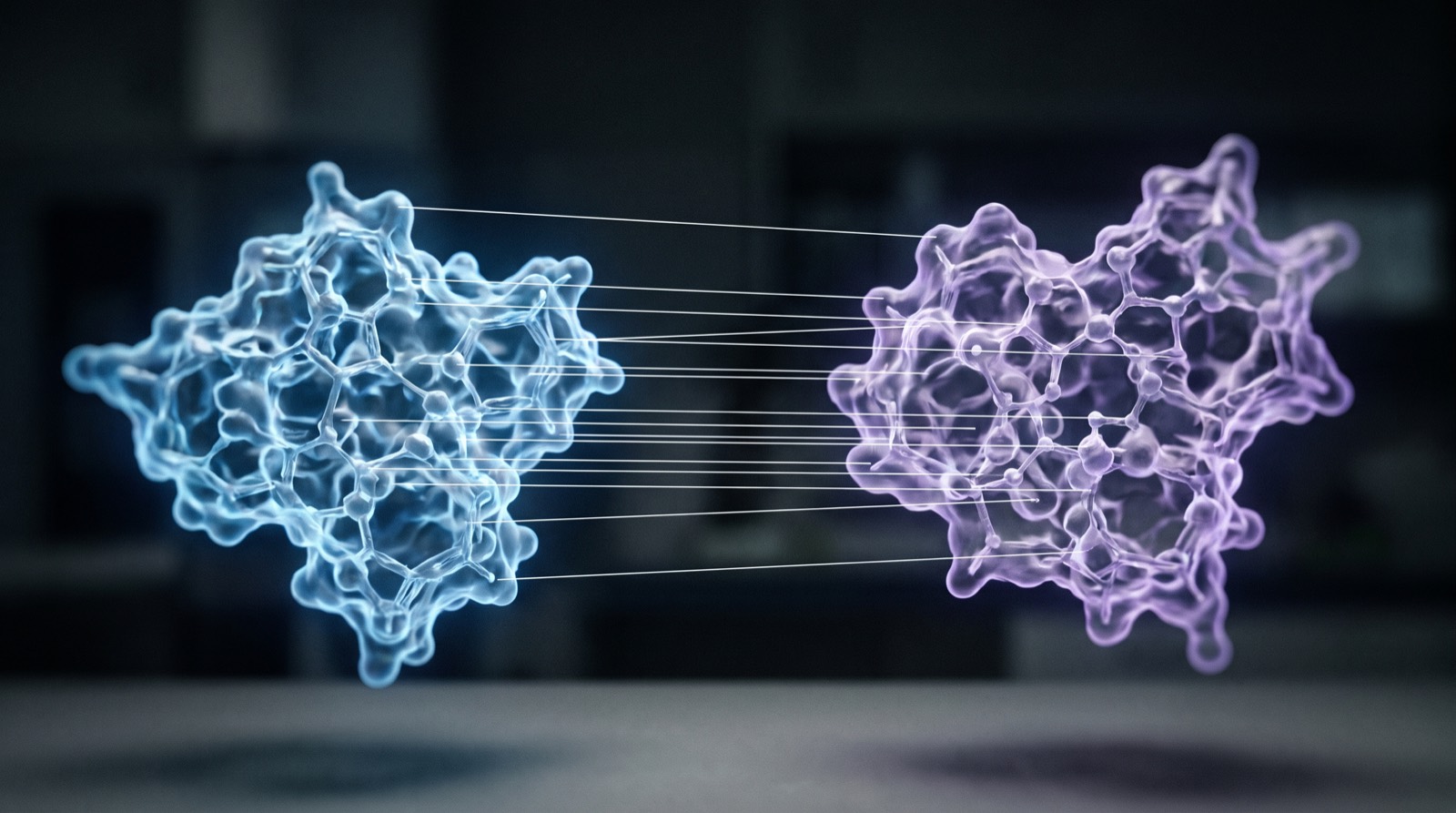 Compáralas lado a ladoPrecisión, corte, tamaño de carga, administración, madurez, riesgos
Enfermedades en el punto de mira
Cada página de enfermedad indica claramente si la edición génica es un tratamiento aprobado, está en ensayos clínicos o sigue siendo solo una idea de laboratorio.
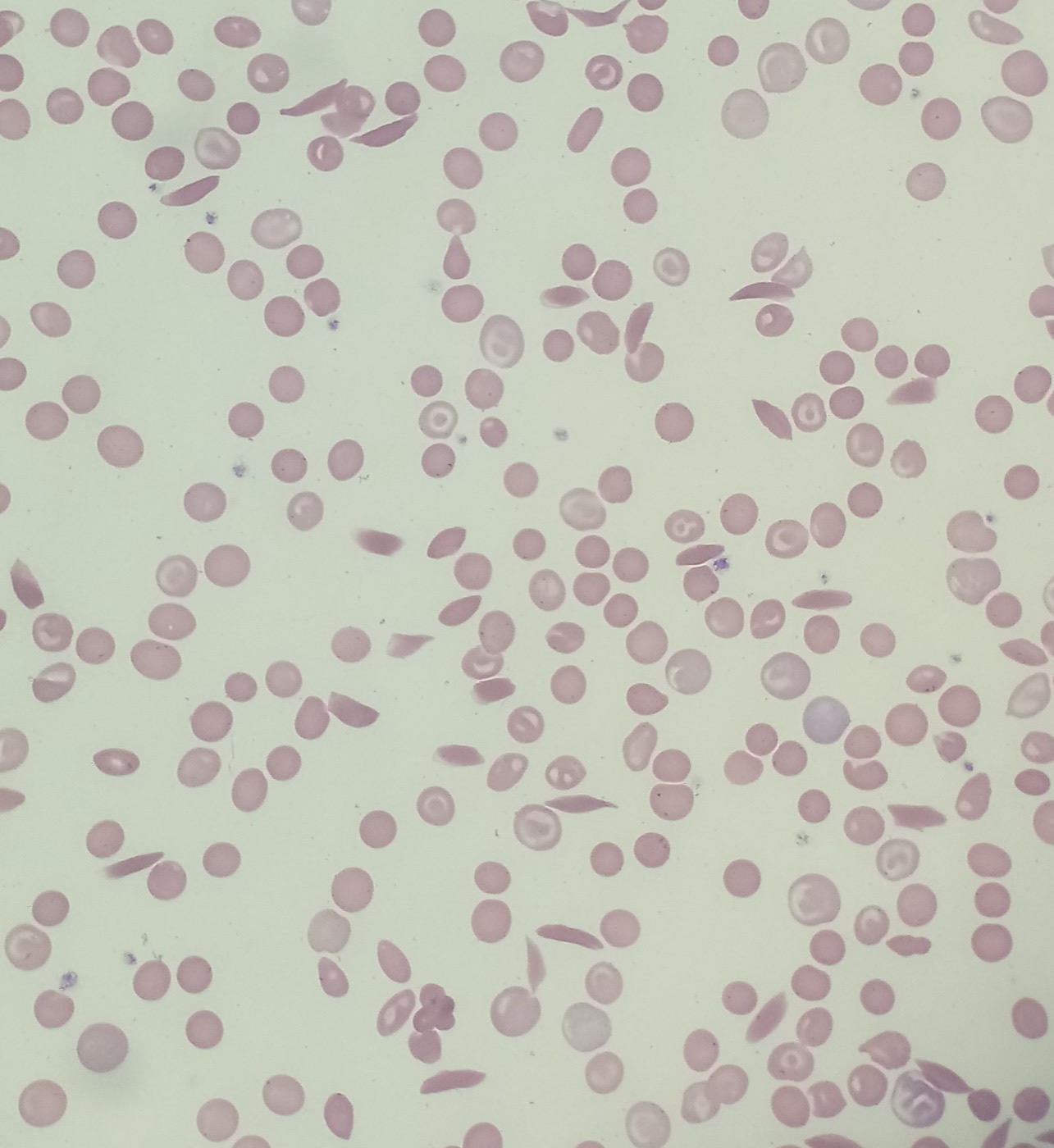 Sickle Cell DiseaseBlood disorders
SpicyMilkBoy · CC BY-SA 4.0
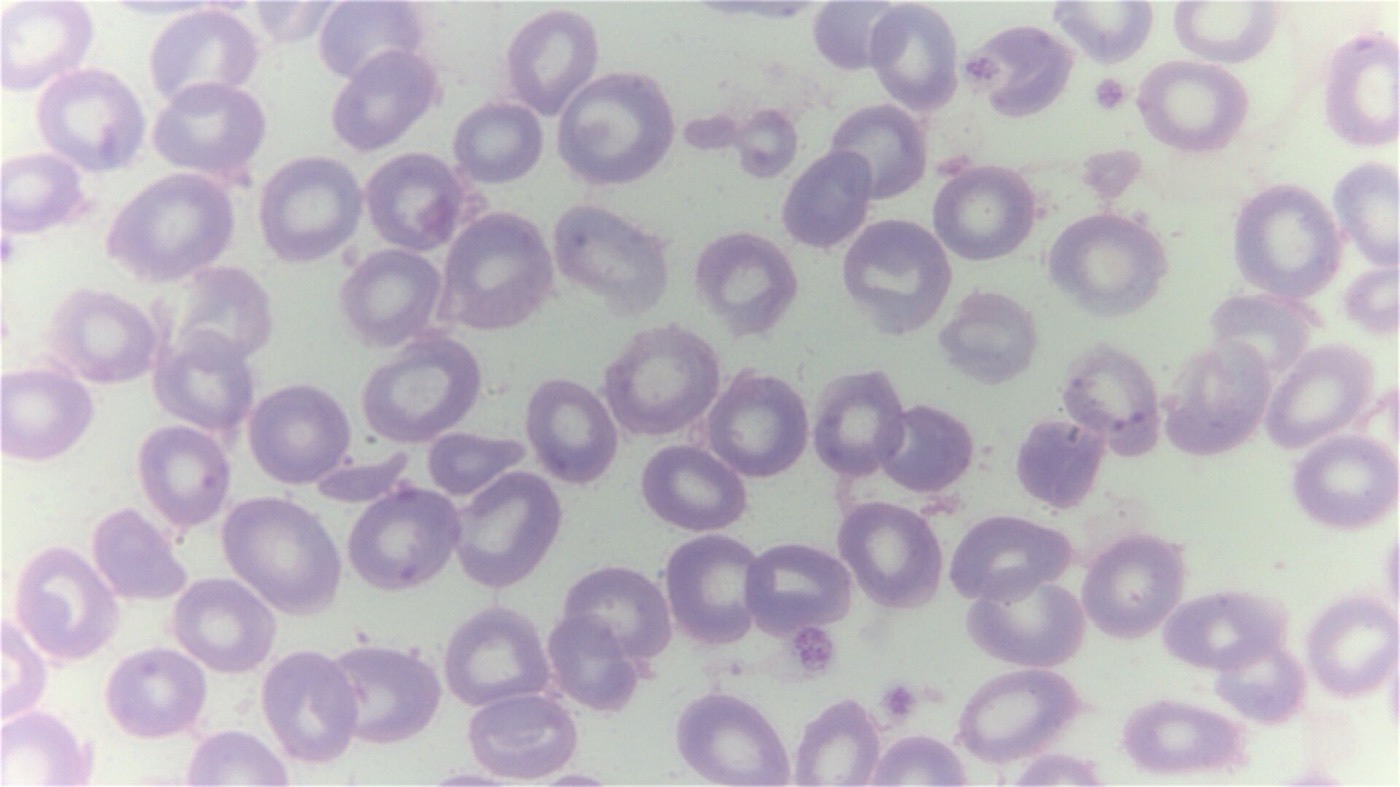 Beta ThalassemiaBlood disorders
Dr Graham Beards · CC BY-SA 4.0
 ATTR AmyloidosisMetabolic disease
 Hereditary AngioedemaRare genetic disease
LucyHAE · CC BY-SA 3.0
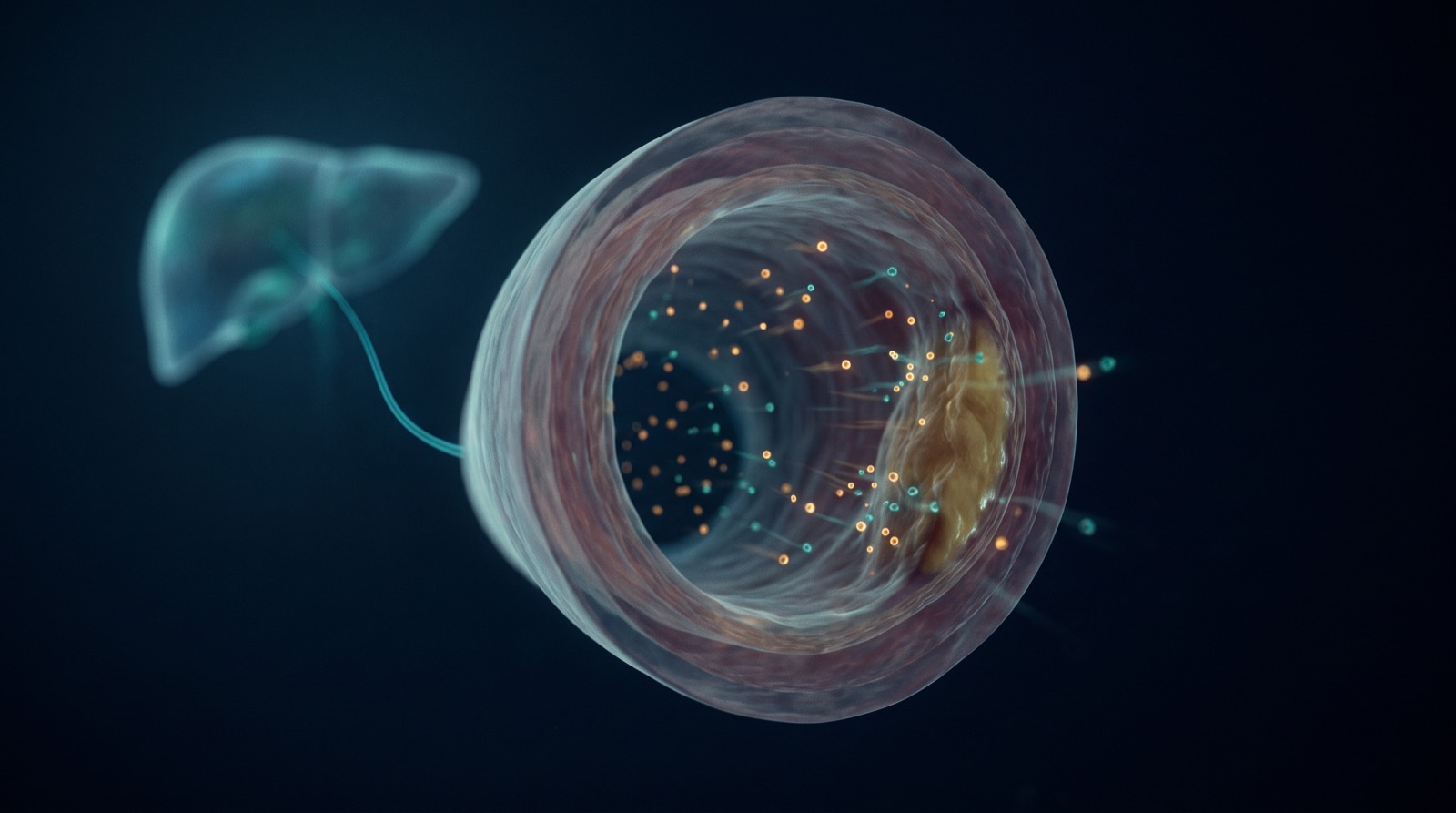 High Cholesterol and Familial HypercholesterolemiaCardiovascular disease
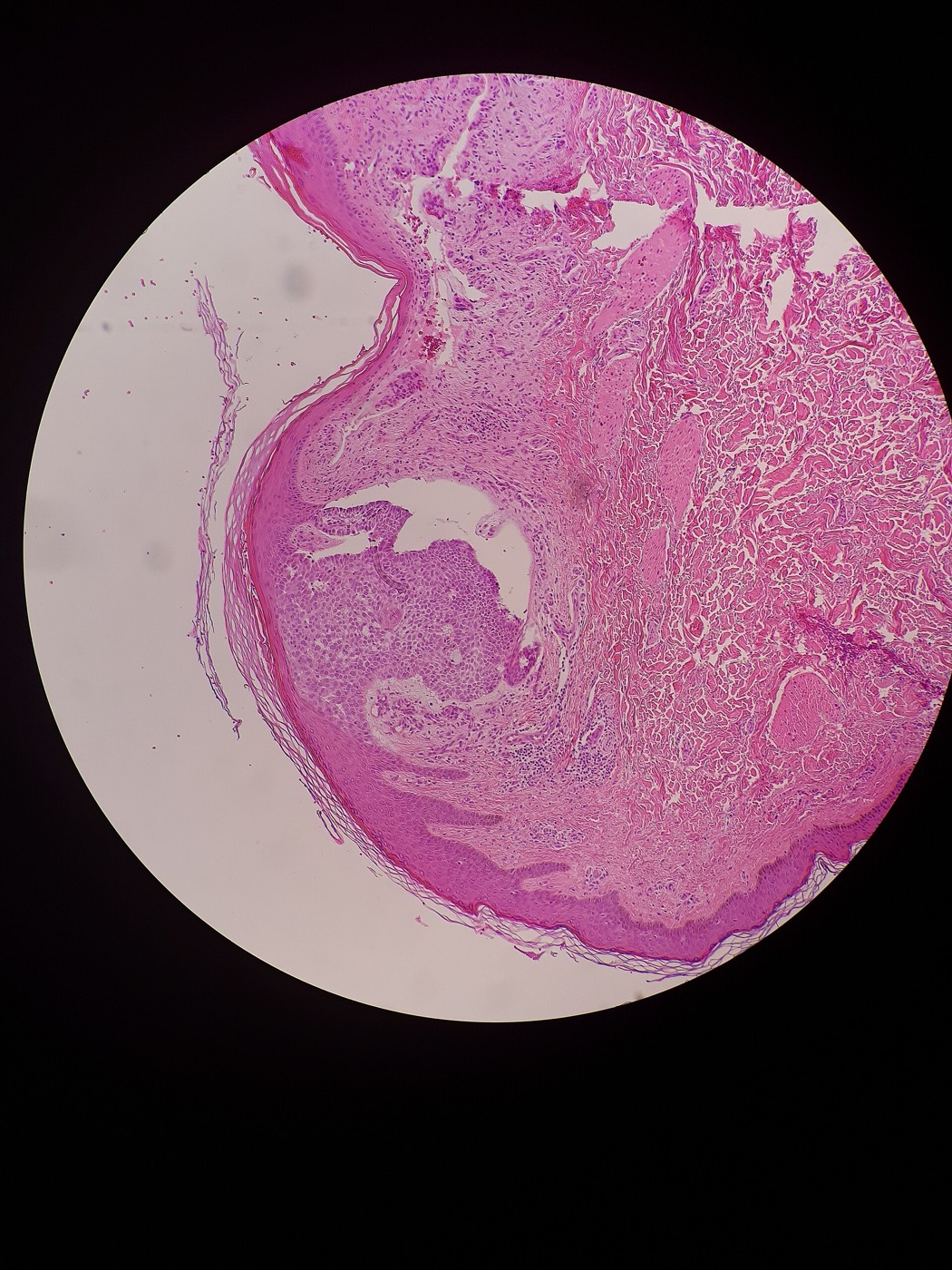 CancerCancer
Mikael Häggström, M.D. Author info... · CC0
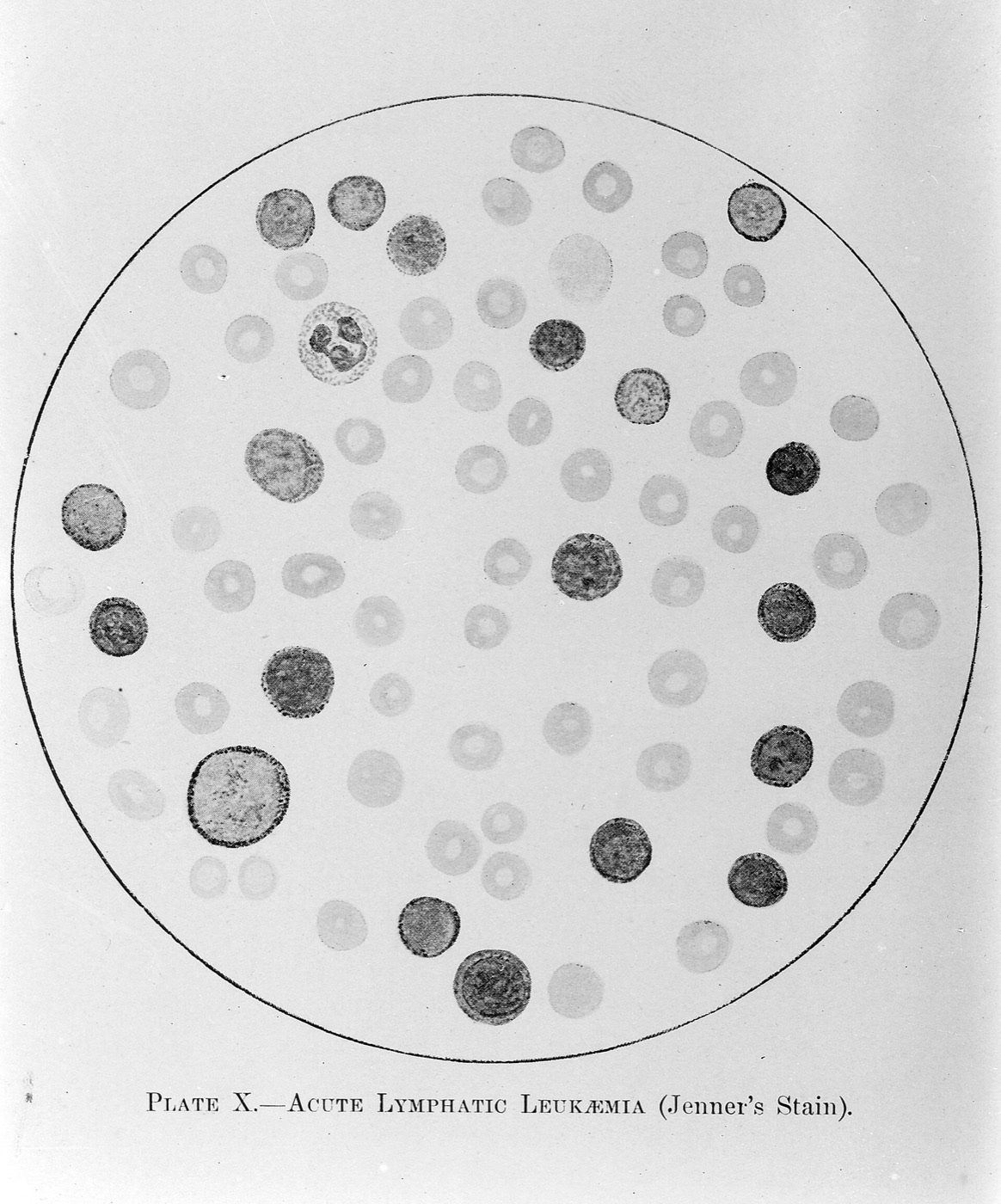 Leukemia and LymphomaCancer
https://wellcomeimages.org/indexplu... · CC BY 4.0
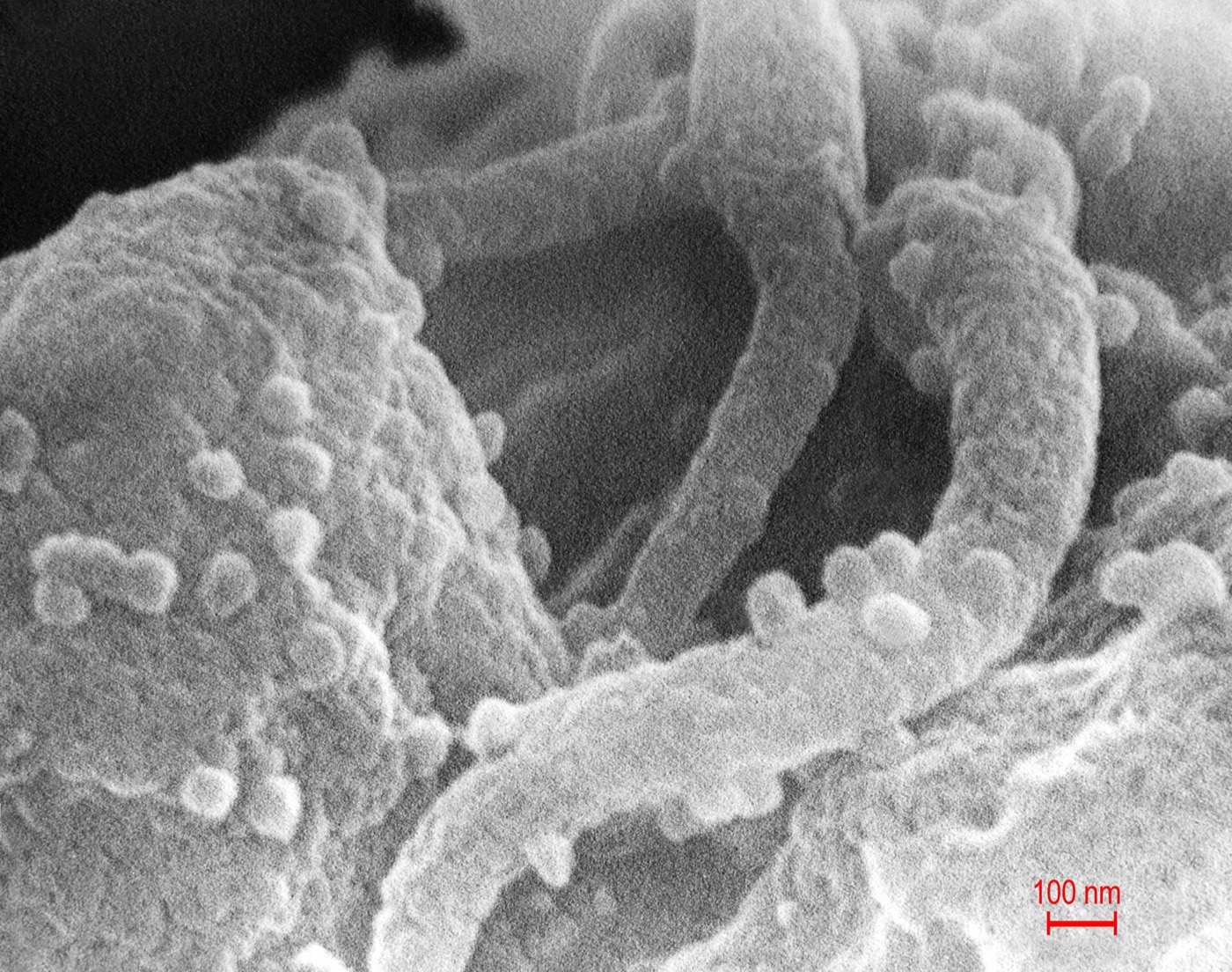 HIVInfectious disease
Photo Credit: C. Goldsmith
Content... · Public domain
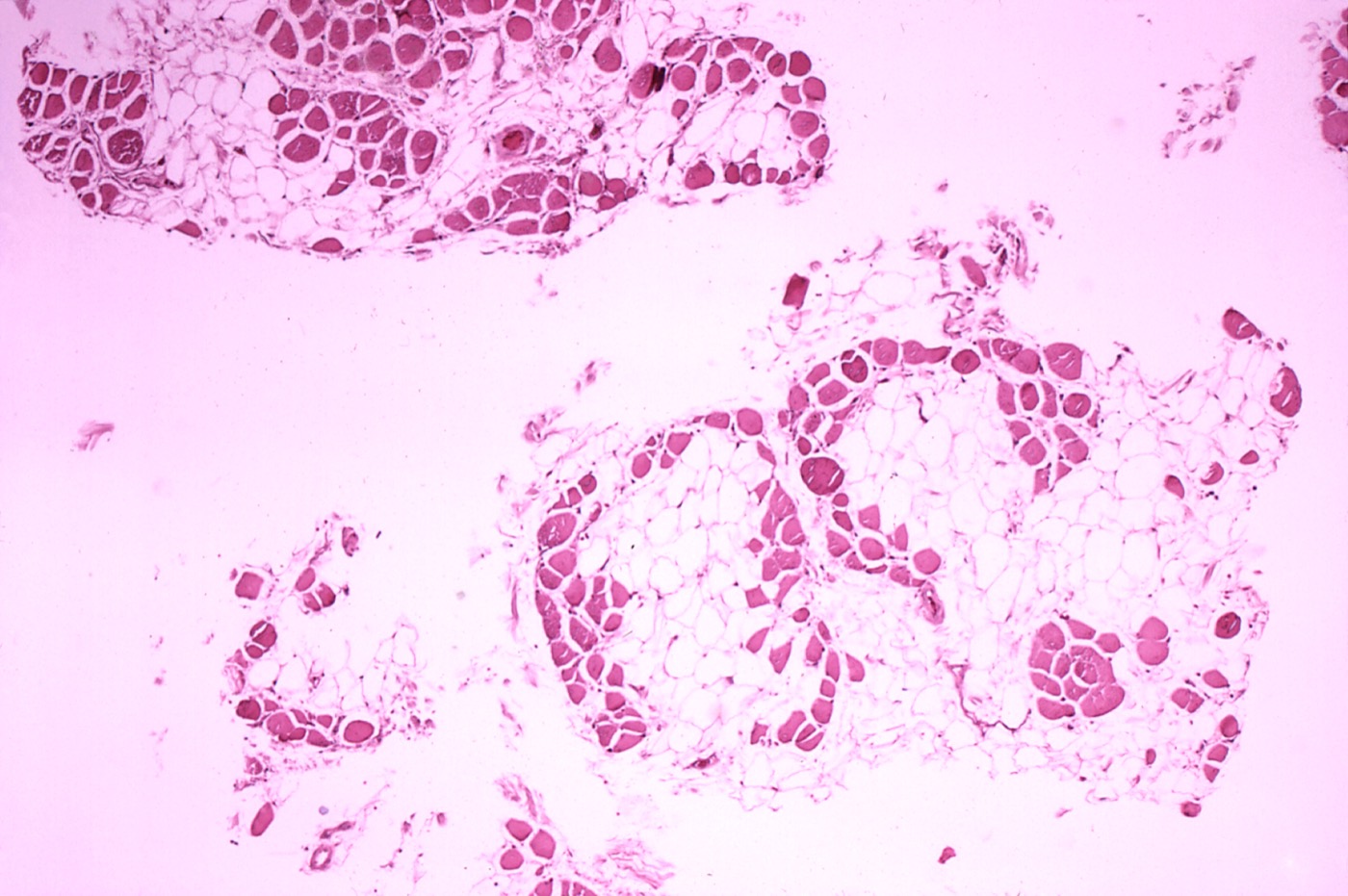 Duchenne Muscular DystrophyMuscular disease
Dr. Edwin P. Ewing, Jr. · Public domain
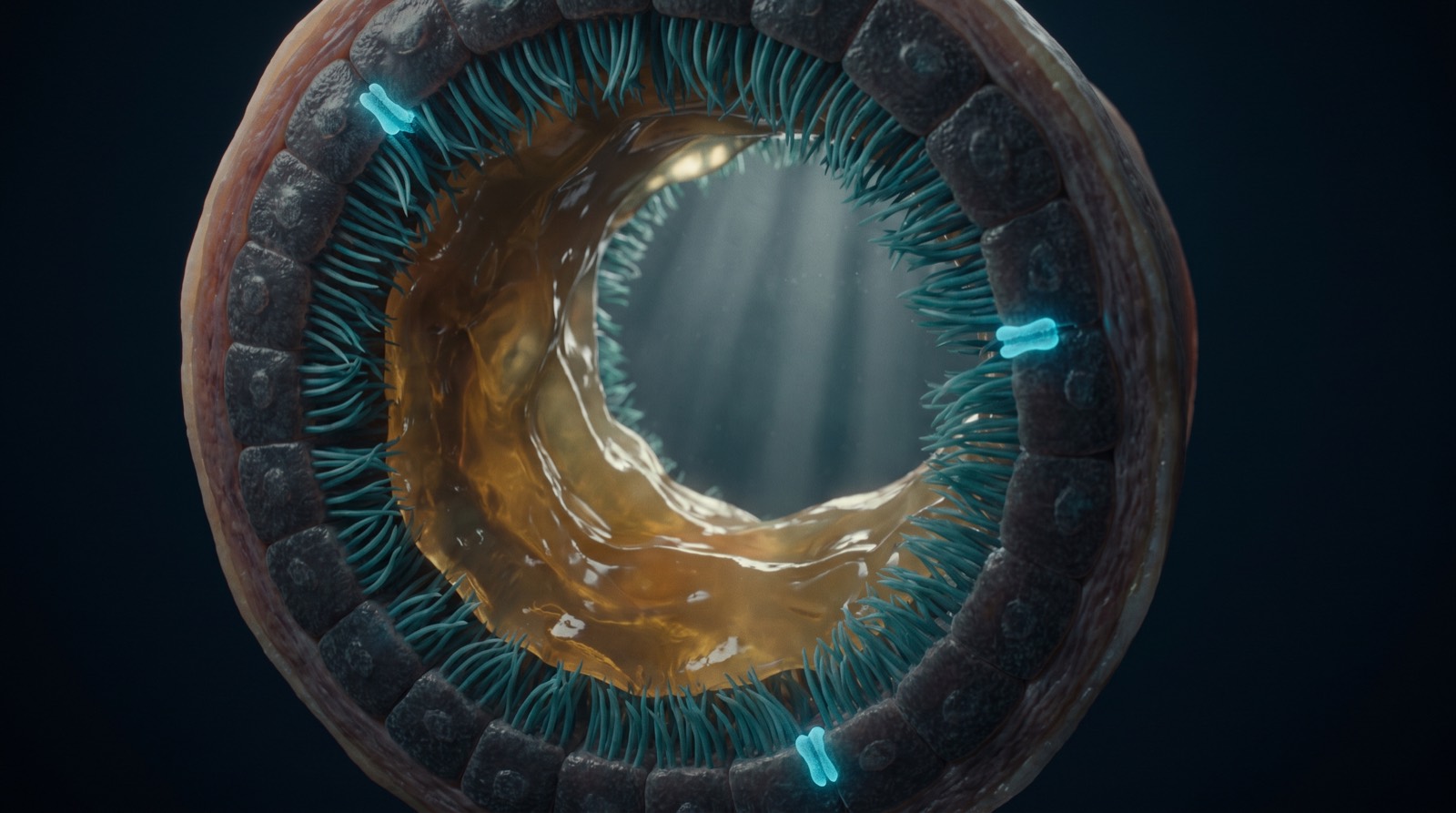 Cystic FibrosisRare genetic disease
Tratamientos
Medicamentos con nombre propio, con el estado regulatorio indicado en cada registro.
Medicamentos aprobados en CRISPR Decoded: Casgevy (exagamglogene autotemcel) · Lyfgenia (lovotibeglogene autotemcel) · Zynteglo (betibeglogene autotemcel)
Ensayos clínicos
Dónde se genera realmente la evidencia.
Empresas que debes conocer
Quién está desarrollando qué y en qué punto se encuentra cada programa.
Científicos que cambiaron el campo
Lo que cada persona aportó realmente. La atribución de méritos en este campo es debatida, y señalamos dónde.
 Jennifer DoudnaStructural biochemist who, with Emmanuelle Charpentier, showed that Cas9 could be programmed with a single guide RNA to cut chosen DNA, and shared the 2020 Nobel Prize in Chemistry for it.
Christopher Michel · CC BY-SA 4.0
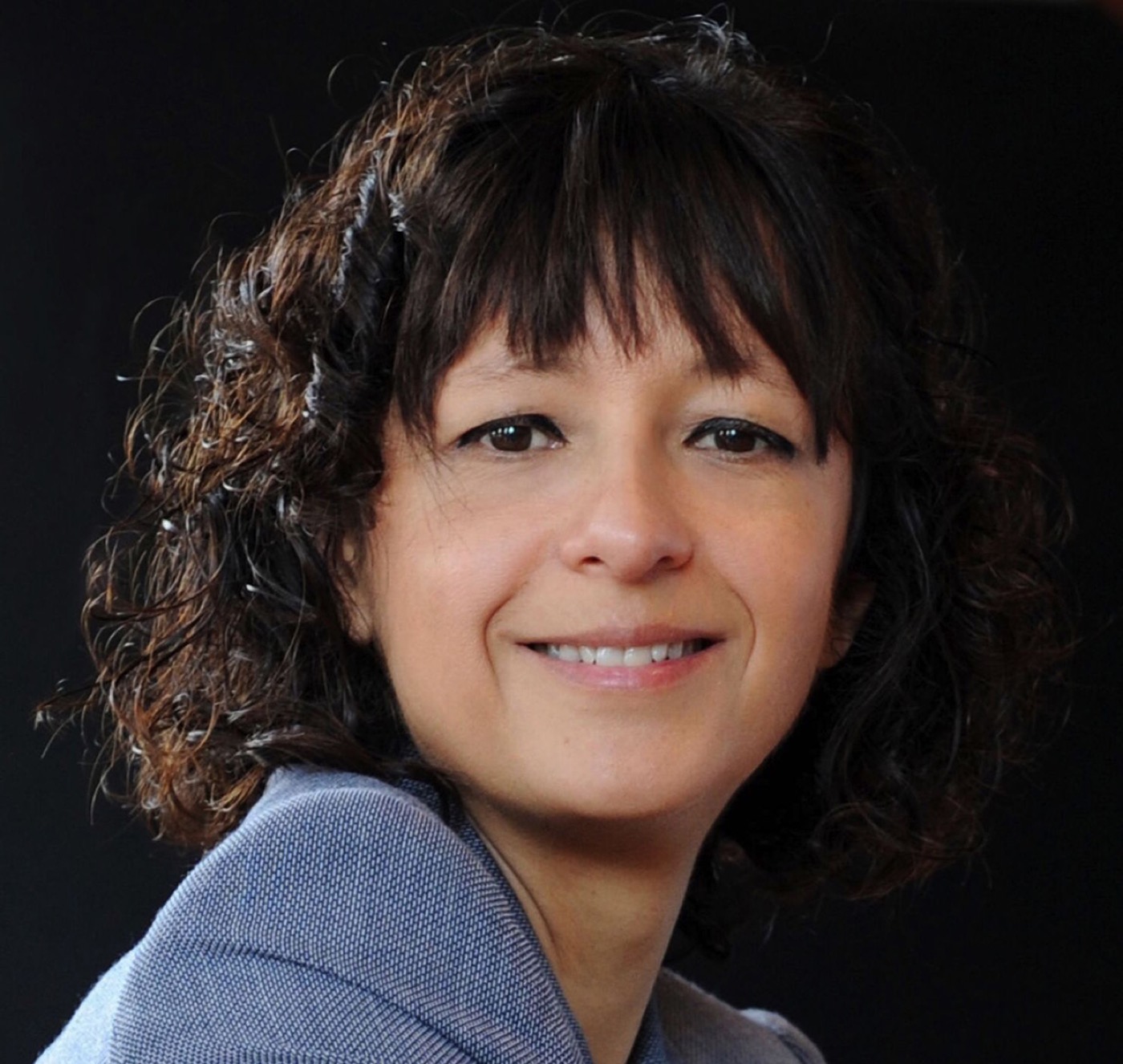 Emmanuelle CharpentierMicrobiologist who discovered tracrRNA, the missing component of the CRISPR-Cas9 system, and shared the 2020 Nobel Prize in Chemistry with Jennifer Doudna.
Bianca Fioretti, Hallbauer & Fioretti · CC BY-SA 4.0
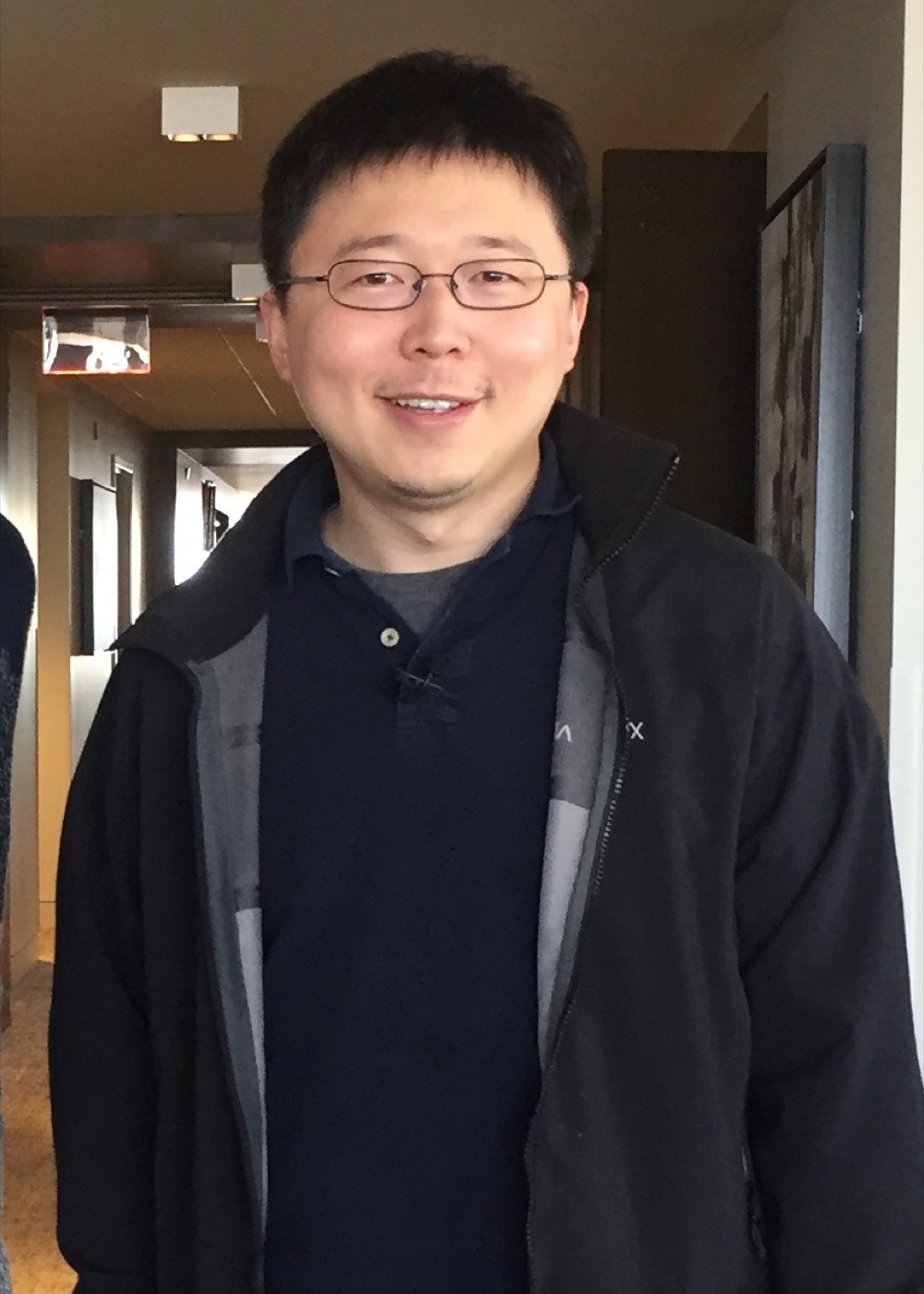 Feng ZhangBioengineer who led one of the first demonstrations of CRISPR genome editing in human cells and discovered several new CRISPR systems including Cas12a and Cas13.
PuppyEggs · CC BY-SA 4.0
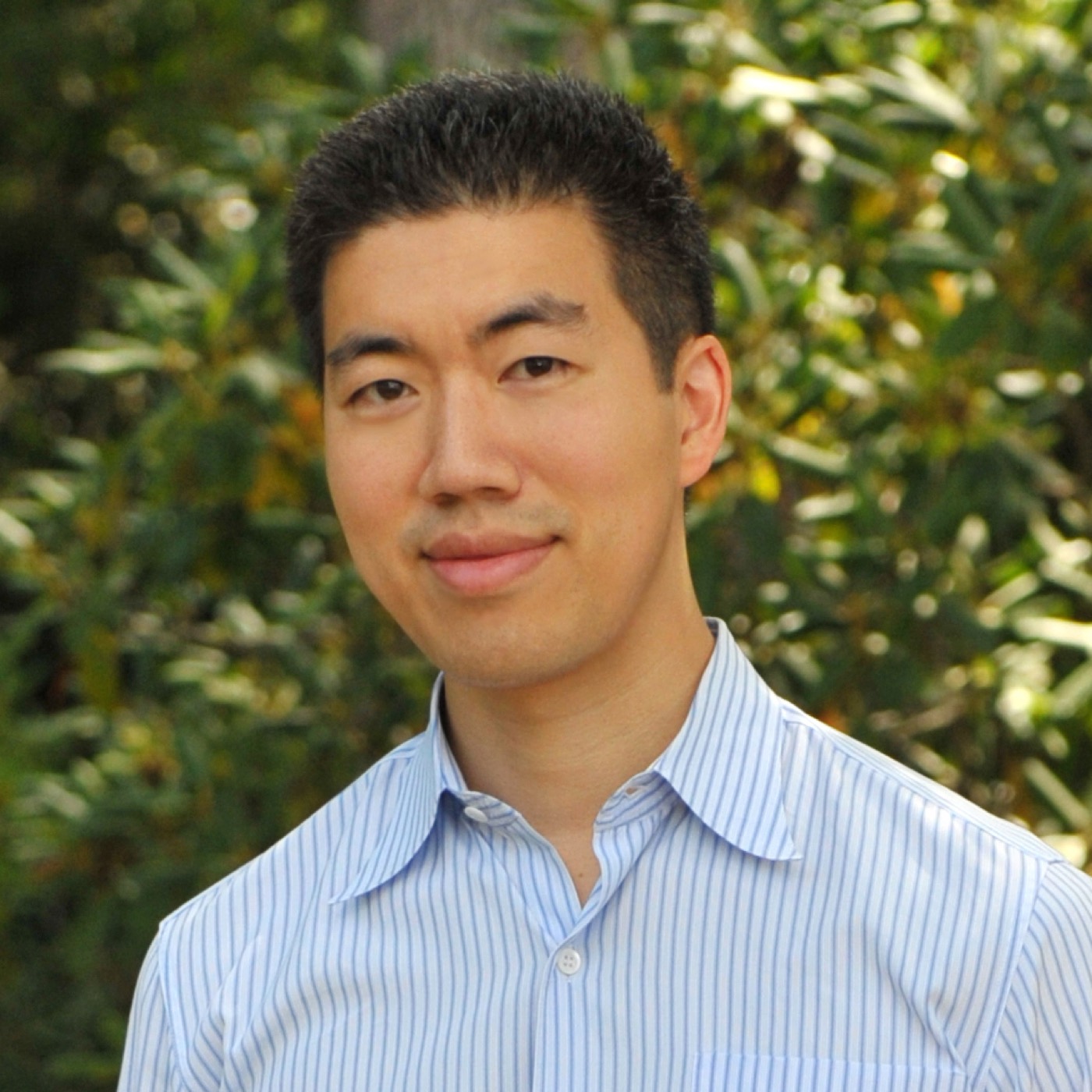 David LiuChemical biologist whose laboratory invented base editing and prime editing, the two techniques that changed gene editing from cutting to writing.
ServiceAT · CC BY-SA 4.0
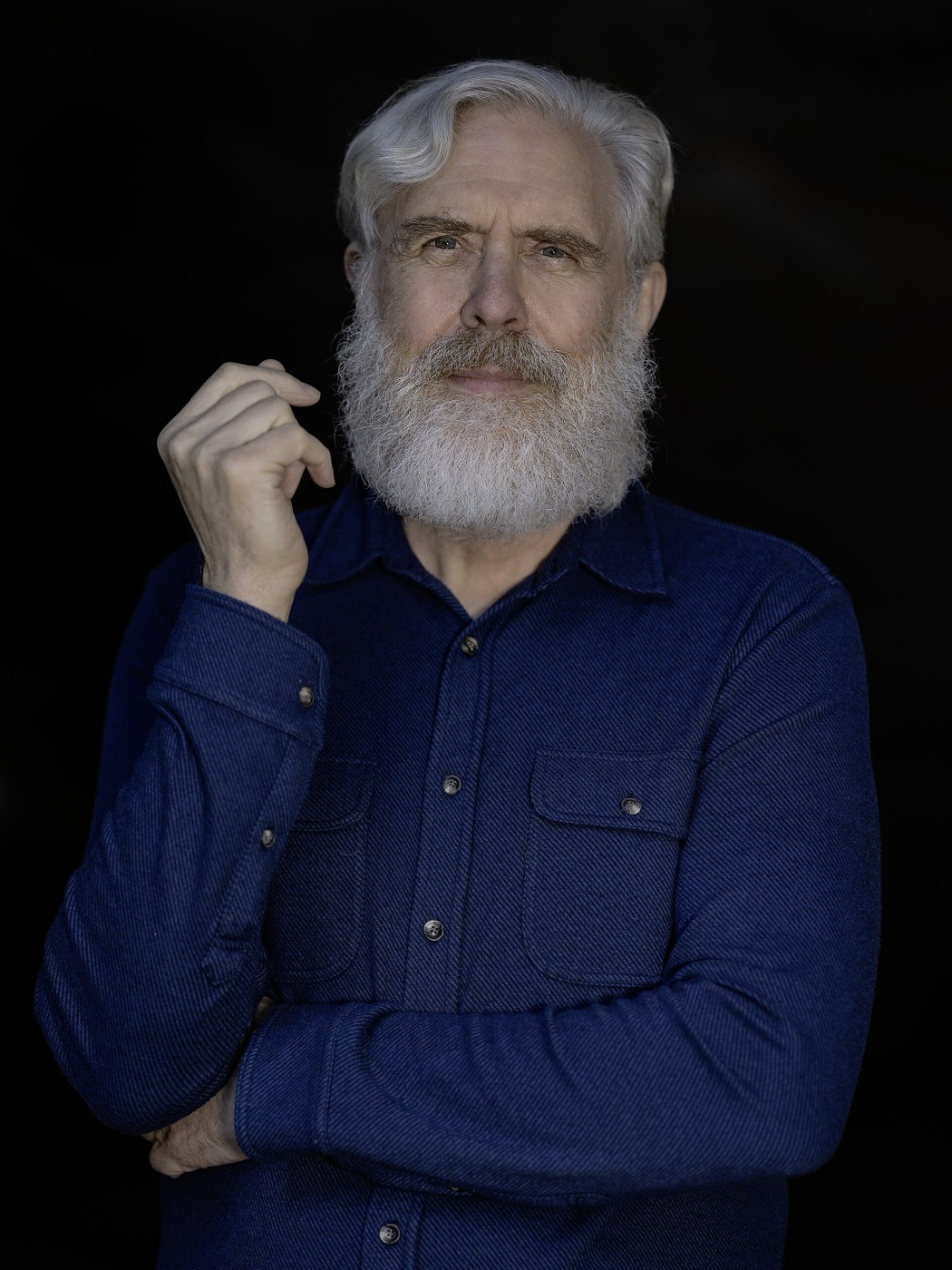 George ChurchGeneticist whose laboratory independently demonstrated CRISPR editing in human cells in 2013, and a founder of an unusually large number of genomics companies.
Christopher Michel · CC BY-SA 4.0
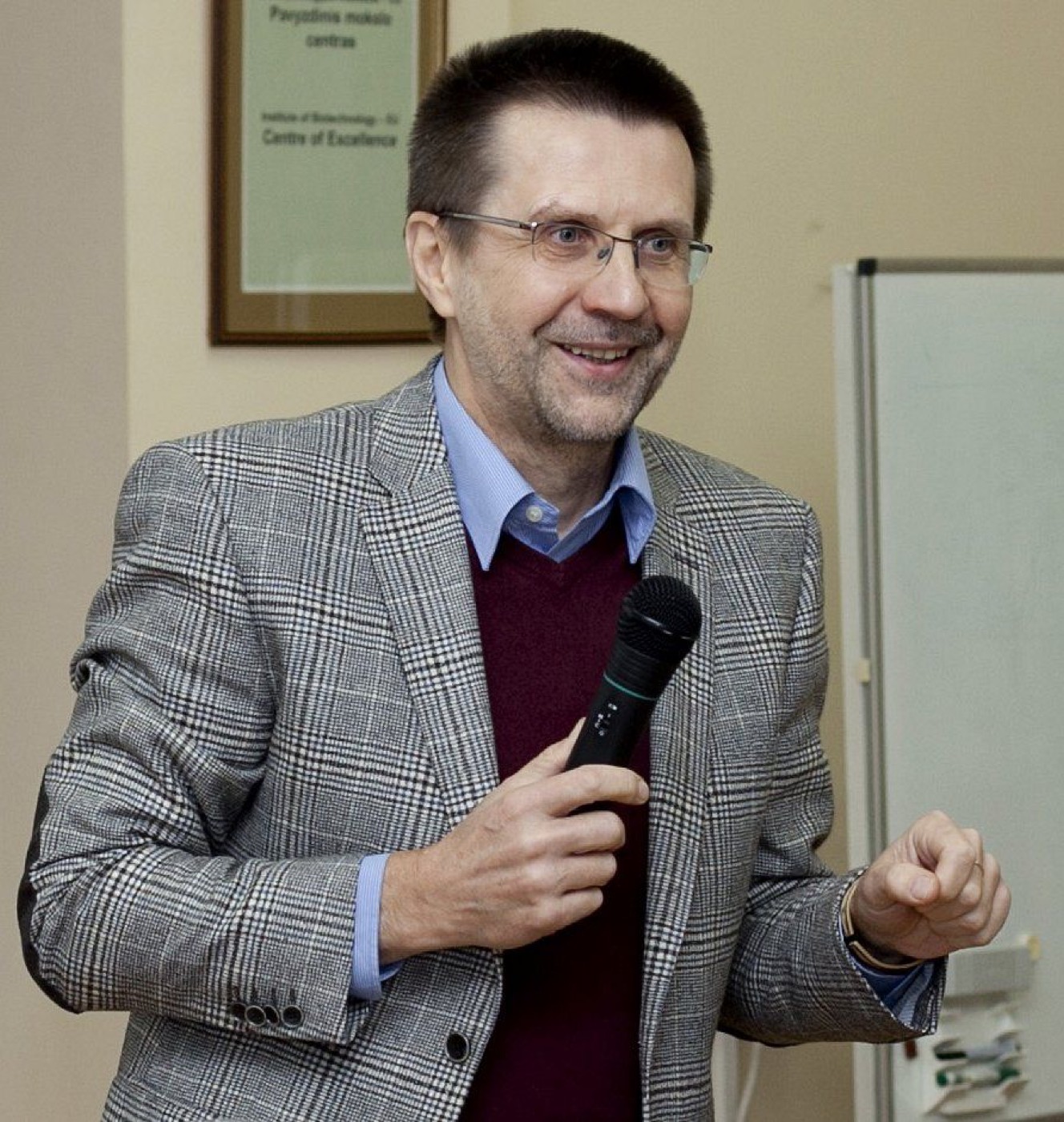 Virginijus ŠikšnysLithuanian biochemist who independently showed that Cas9 could be programmed to cut DNA, publishing in 2012, and whose contribution is often omitted from popular accounts.
Gie2016 · CC BY-SA 4.0
Últimas noticias sobre edición génica
Artículos reales de editores identificados. Cada titular enlaza al original: nunca los reescribimos ni republicamos.
 Rice plants can fight off devastating disease after gene editing with AI-designed tool
University of Missouri researchers have created rice plants that resist bacterial blight, a devastating disease that threatens one of the world's most…
 STAT+: After two deaths in autoimmune cell therapy trial, Artiva is shutting down
Recent deaths are setbacks in drug companies’ interest in applying cancer therapy strategies to autoimmune diseases.
Bonjour Genomics: A Video from ASHG
GEN editors Uduak Thomas and Julianna LeMieux, PhD, recap ASHG, highlighting key sessions, Ultima Genomics’ user group meeting, Illumina news, and…
Artiva to wind down after two patient deaths in autoimmune cell therapy trials
Cell therapy biotech Artiva Biotherapeutics abruptly announced Tuesday morning that it is effectively shutting down and laying off almost all of its staff…
Outpace ends an ovarian cancer trial; Incyte data impresses at ESMO
Plus news about Genmab, Rumi, Prana and Fractyl. Outpace Bio ends cell therapy trial: The Seattle startup canned a Phase 1 ovarian cancer trial of its…
 STAT+: Nonprofit resurrects shelved gene therapy after startup shuts down
Last year, U.K. gene therapy startup Bloomsbury Genetic Therapies announced it was shutting down after dosing just one patient. Now, a nonprofit is…
Spatial Proteomics for Precision Oncology
In this GEN webinar, Bernd Bodenmiller, PhD (University of Zürich), illustrates this integrated approach through two recent examples. The post Spatial…
CRISPR explicado
Empieza desde el principio. No se necesitan conocimientos de biología.