The map of the gene-editing revolution
CRISPR Decoded
Explore the technologies, treatments, diseases, scientists, companies, clinical trials and discoveries shaping the future of genetic medicine.
Start where you actually are
This site is written for very different readers at once. Each door below leads into the same database from a different angle. Nothing is dumbed down, and nothing assumes a biology degree.
 New to all of thisStart with what DNA is and build up. No background needed.
 A patient or familyWhat is approved, what is only in trials, and how to tell the difference.
 Following the industryWho is developing what, at which stage. Information, never advice.
 Here for food and farmingGene-edited crops and livestock, and why the rules differ by country.
Explore gene editing
Seven ways scientists change genetic material. Each page opens with a plain-language explanation, then goes as deep as you want.
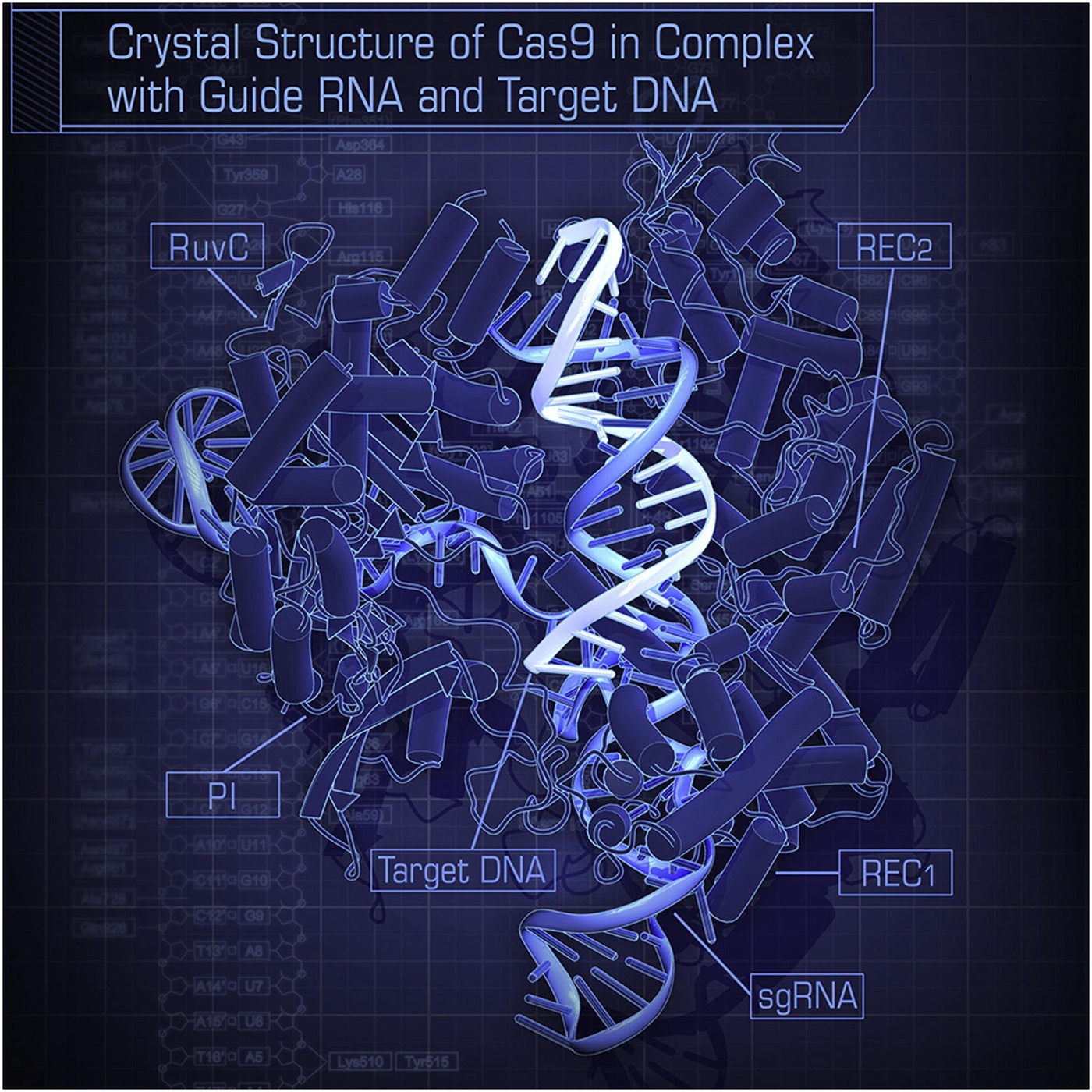 CRISPR-Cas9A protein that can be programmed with a short RNA guide to find one specific sequence in a genome and cut it.
Hiroshi Nishimasu, F. Ann Ran,... · CC BY-SA 3.0
CRISPR-Cas9A protein that can be programmed with a short RNA guide to find one specific sequence in a genome and cut it.
Hiroshi Nishimasu, F. Ann Ran,... · CC BY-SA 3.0
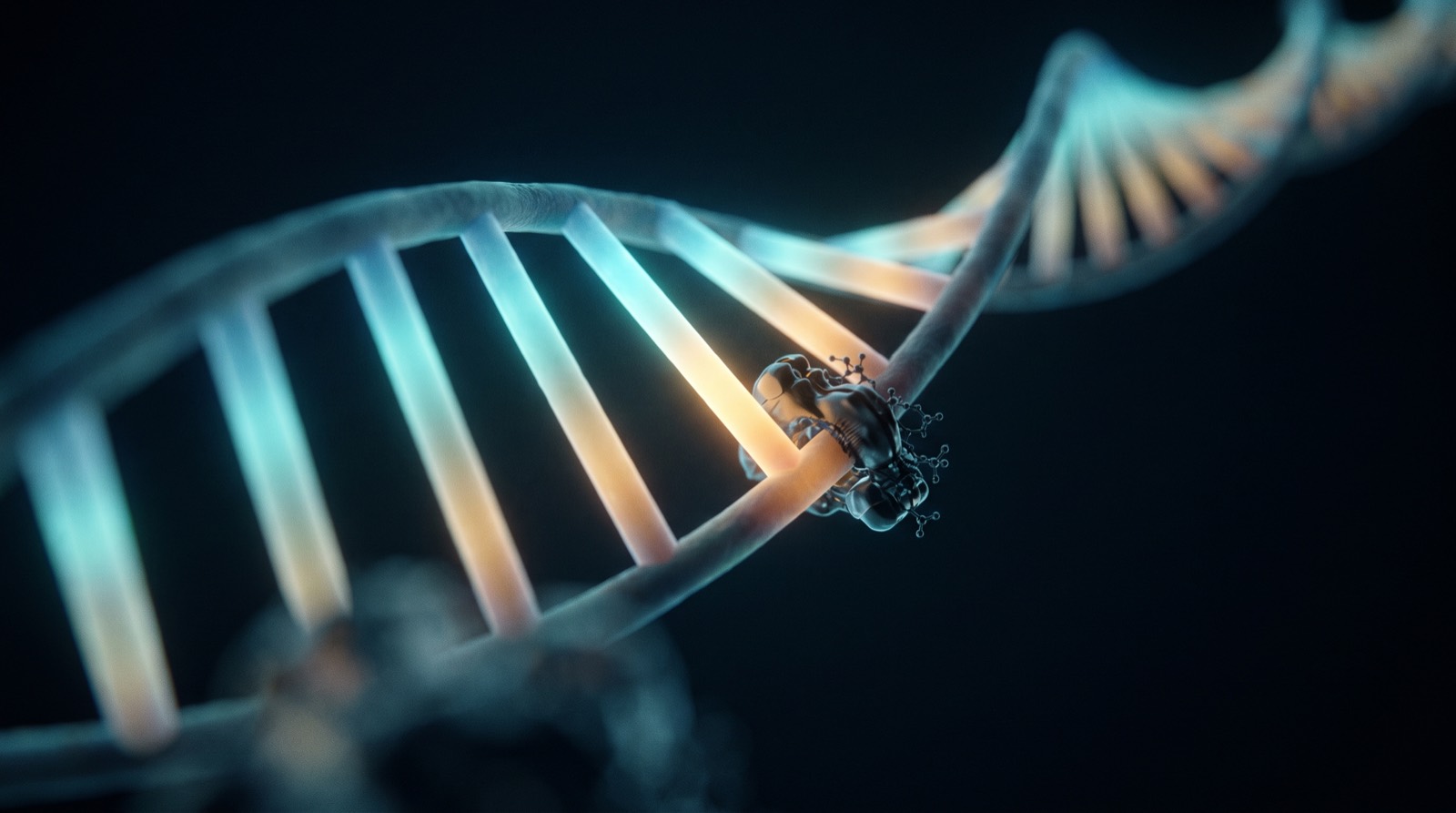 Base EditingChemically converts one DNA letter into another at a chosen position, without cutting both strands of the double helix.
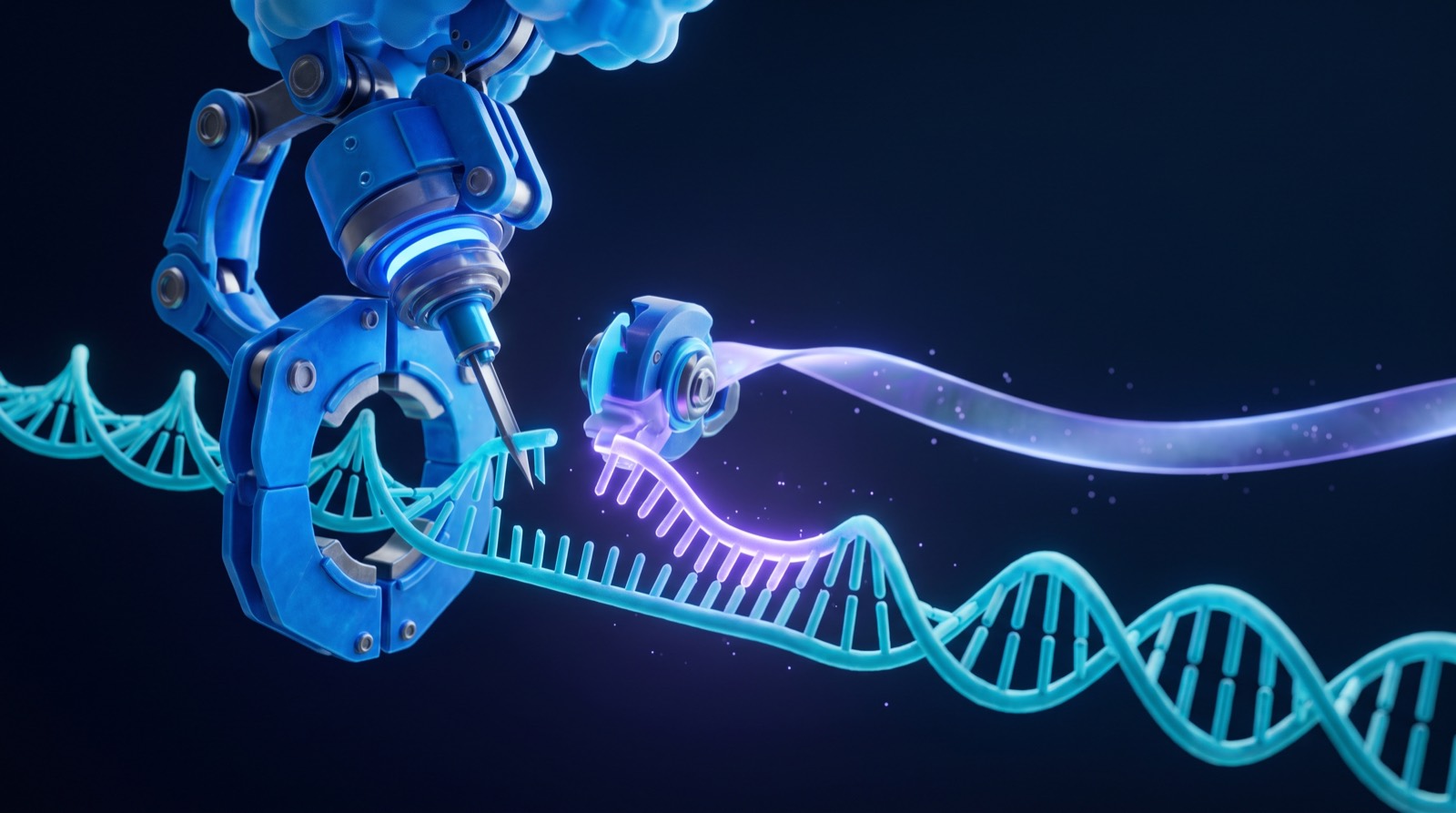 Prime EditingWrites a new stretch of DNA sequence directly into a chosen site, using a guide that carries the replacement text with it.
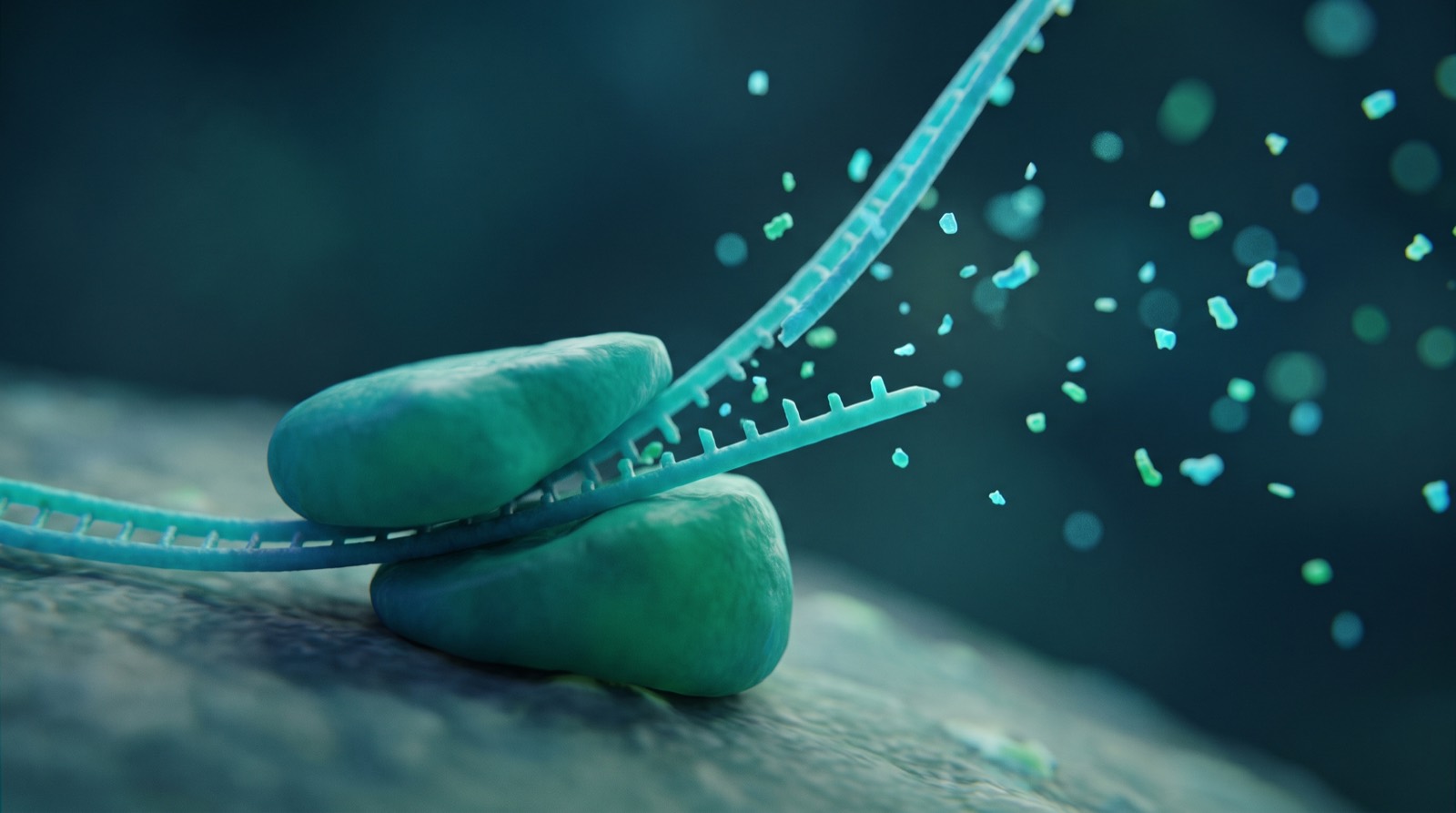 CRISPR-Cas12A family of CRISPR nucleases that cut DNA leaving staggered ends, use a different sequence requirement from Cas9, and can be smaller.
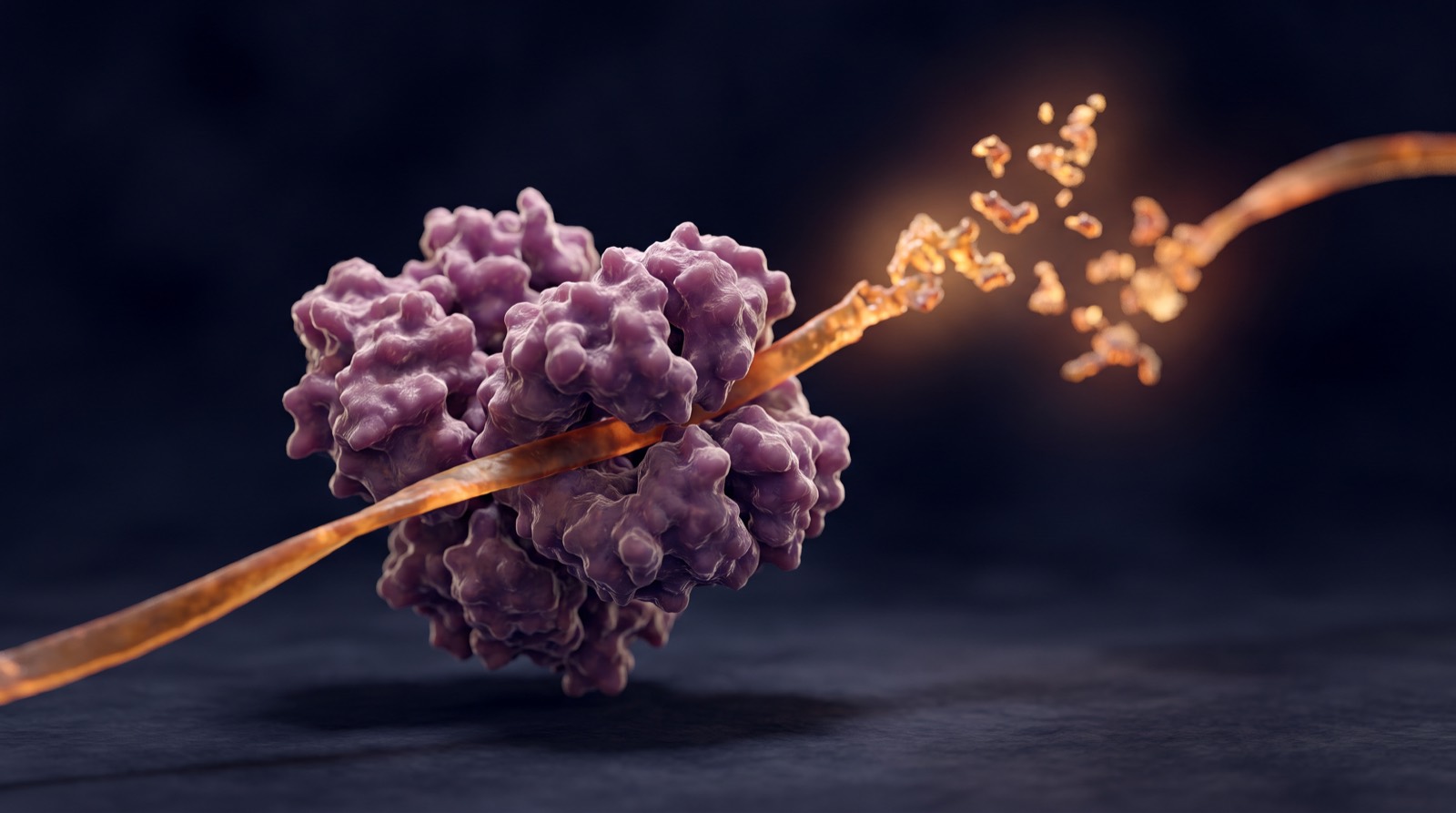 CRISPR-Cas13Targets RNA rather than DNA, so it can silence a gene's message without touching the genome itself.
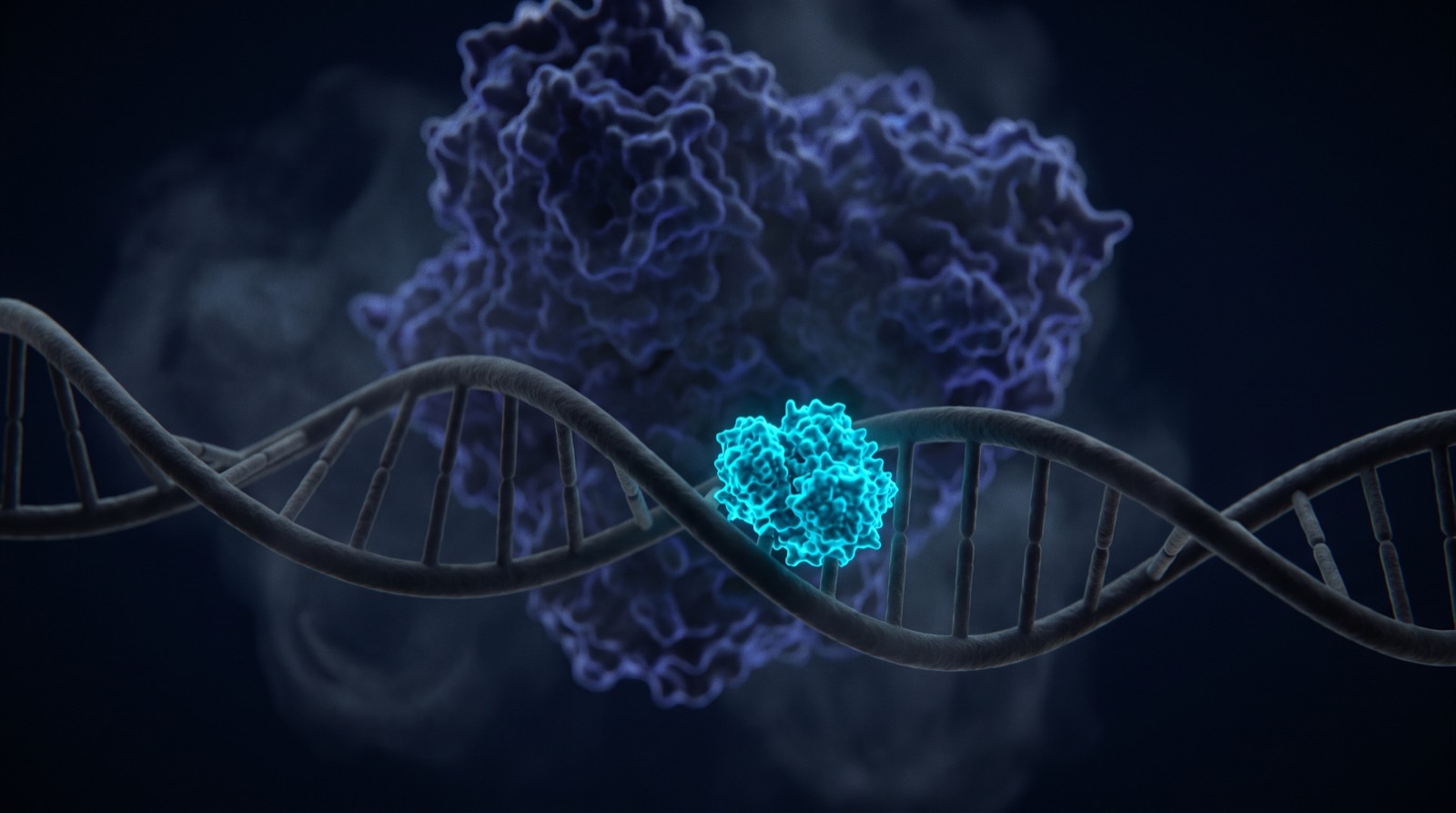 Cas14 and miniature Cas systemsUnusually small CRISPR nucleases, roughly a third the size of Cas9, discovered in archaea and bacteriophages.
 RNA EditingChanges letters in the RNA message rather than in the DNA, so the effect is real but temporary and the genome is untouched.
 Compare them side by sidePrecision, cutting, cargo size, delivery, maturity, risks
Diseases being targeted
Each disease page states plainly whether gene editing is an approved treatment, in trials, or still only a laboratory idea.
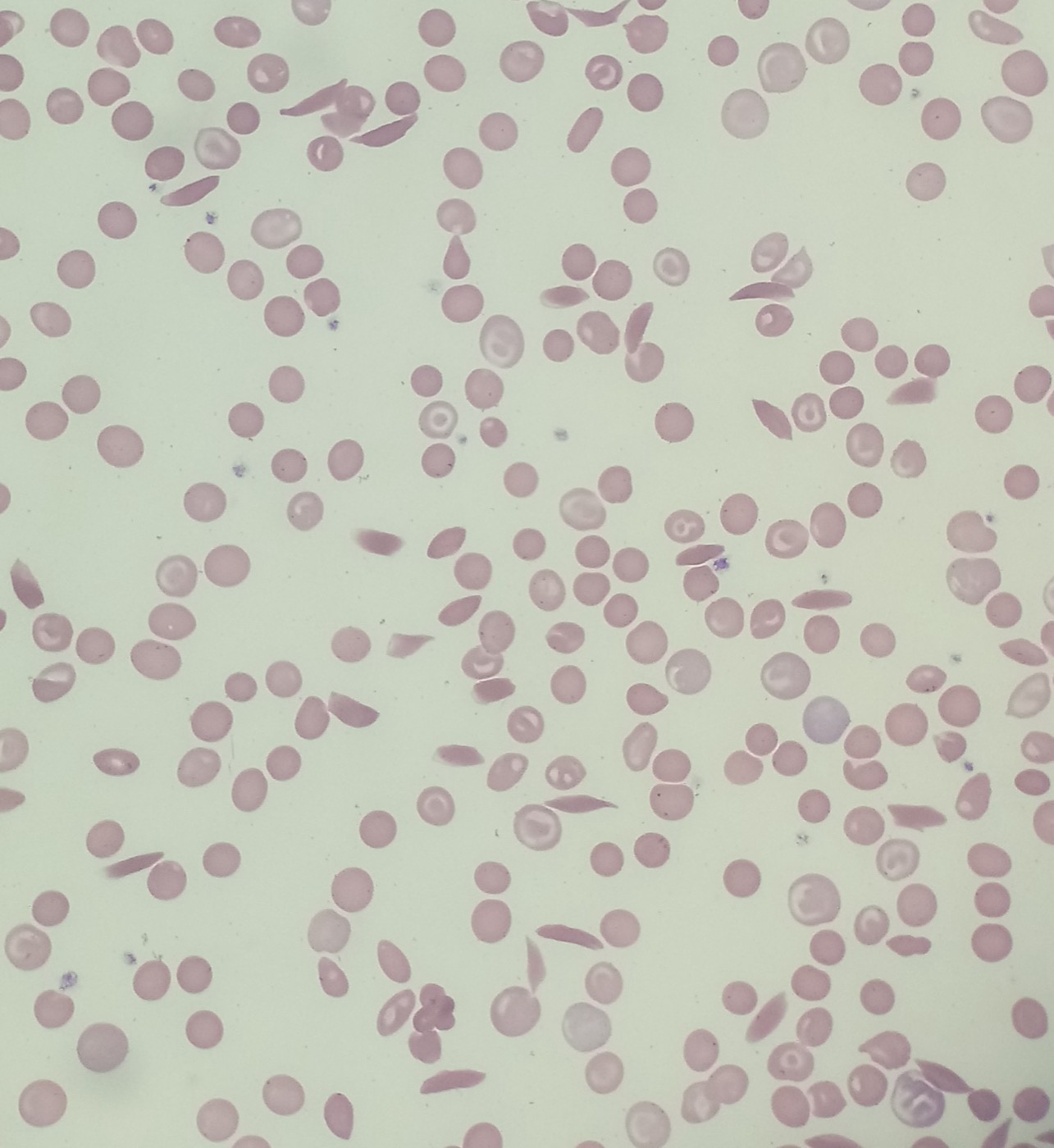 Sickle Cell DiseaseBlood disorders
SpicyMilkBoy · CC BY-SA 4.0
Sickle Cell DiseaseBlood disorders
SpicyMilkBoy · CC BY-SA 4.0
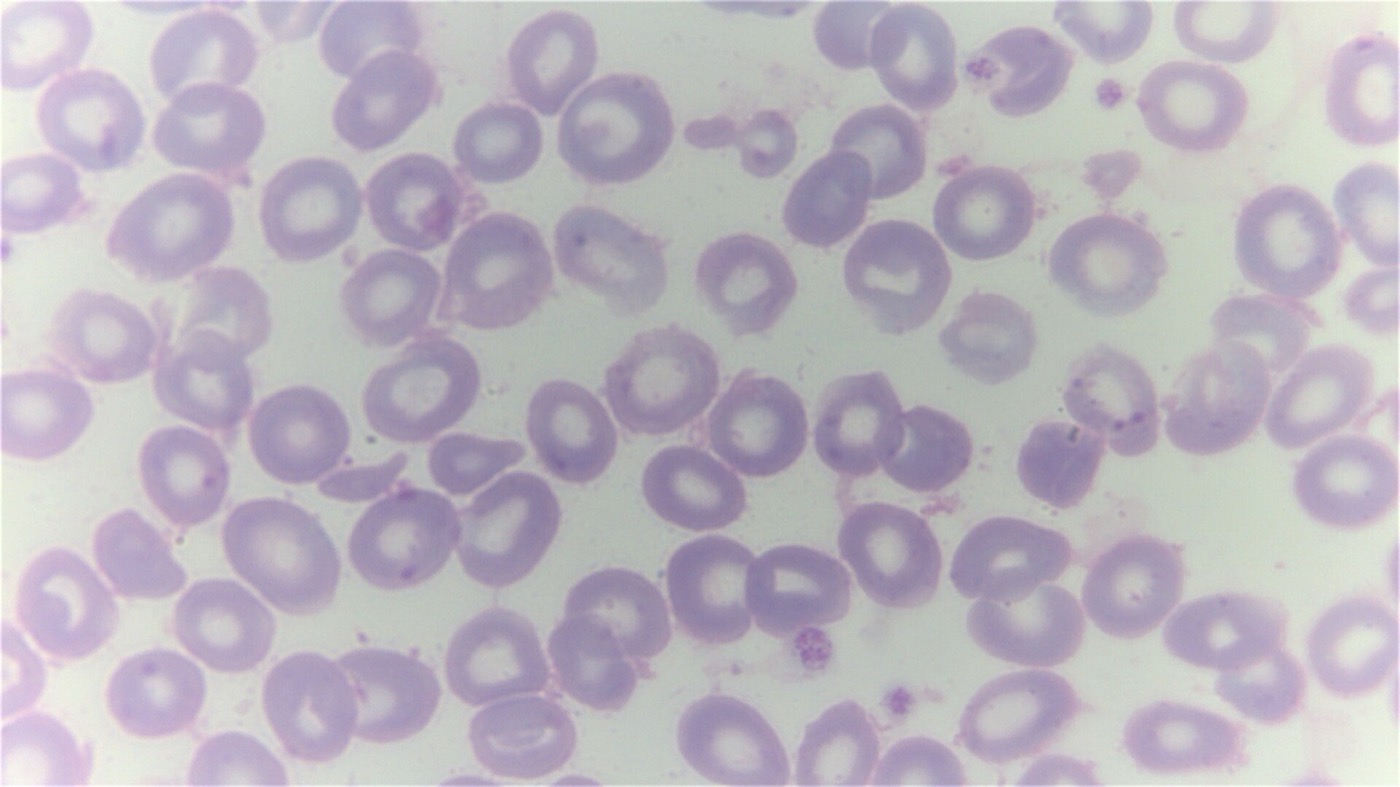 Beta ThalassemiaBlood disorders
Dr Graham Beards · CC BY-SA 4.0
Beta ThalassemiaBlood disorders
Dr Graham Beards · CC BY-SA 4.0
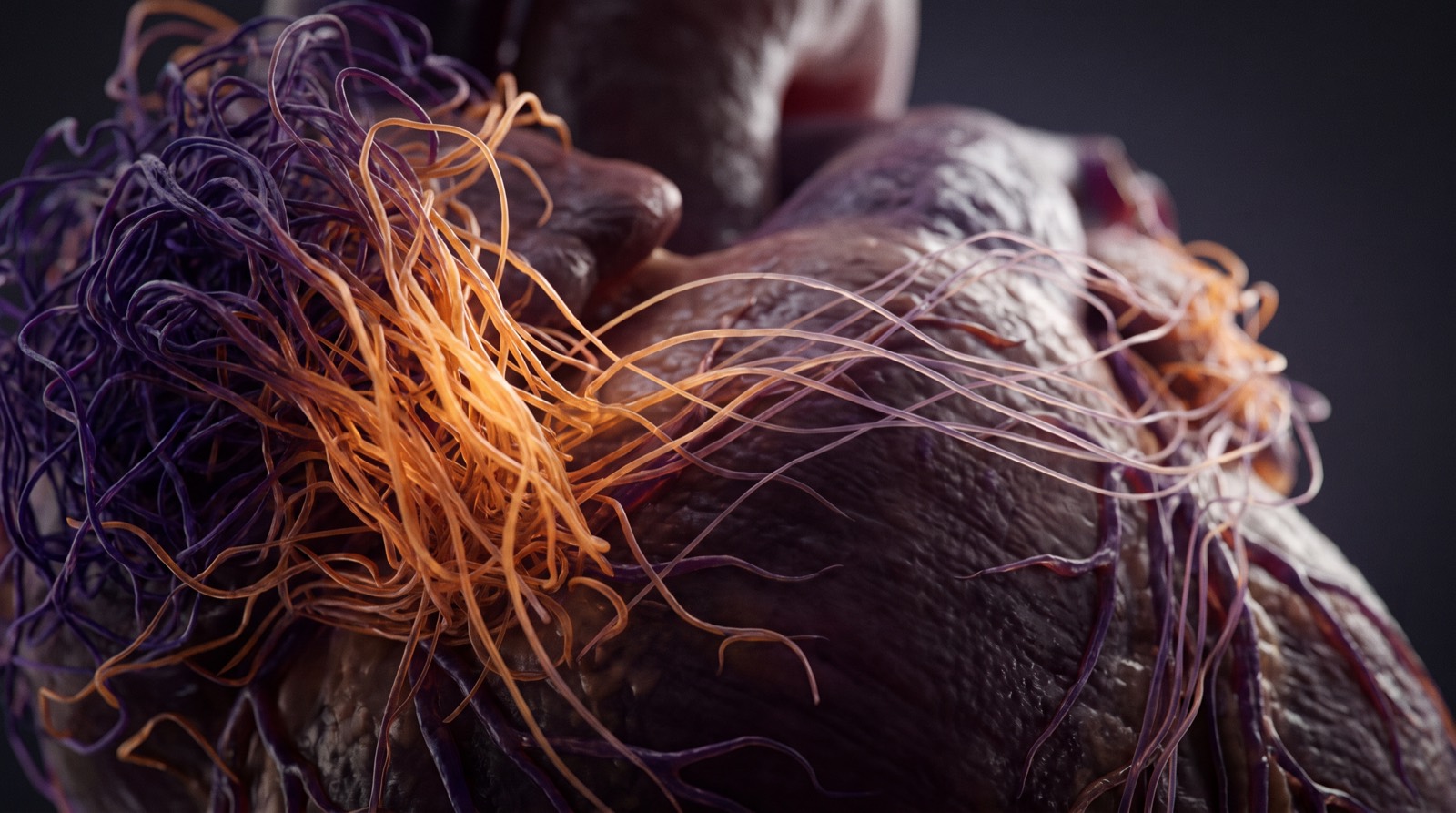 ATTR AmyloidosisMetabolic disease
 Hereditary AngioedemaRare genetic disease
LucyHAE · CC BY-SA 3.0
Hereditary AngioedemaRare genetic disease
LucyHAE · CC BY-SA 3.0
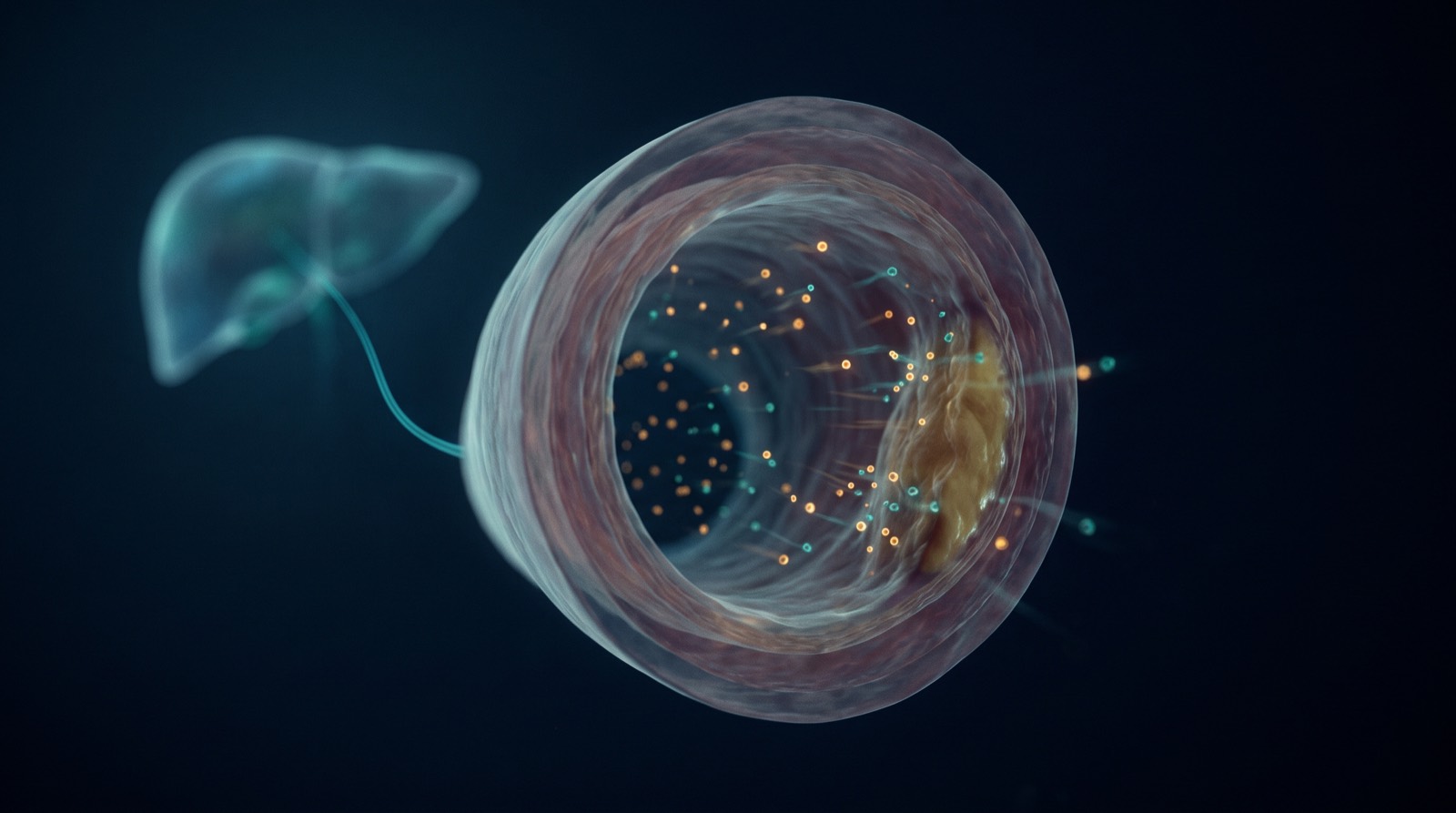 High Cholesterol and Familial HypercholesterolemiaCardiovascular disease
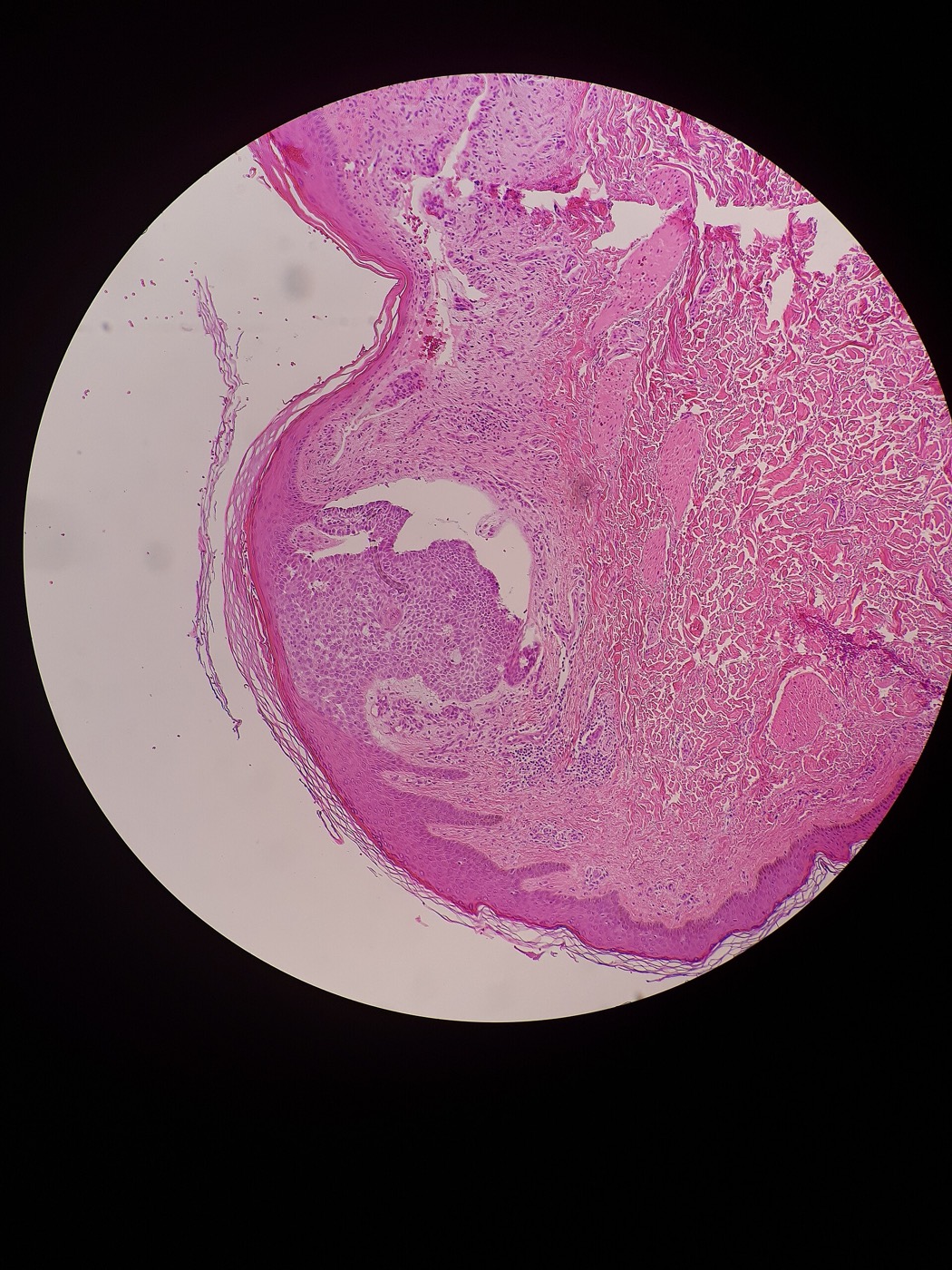 CancerCancer
Mikael Häggström, M.D. Author info... · CC0
CancerCancer
Mikael Häggström, M.D. Author info... · CC0
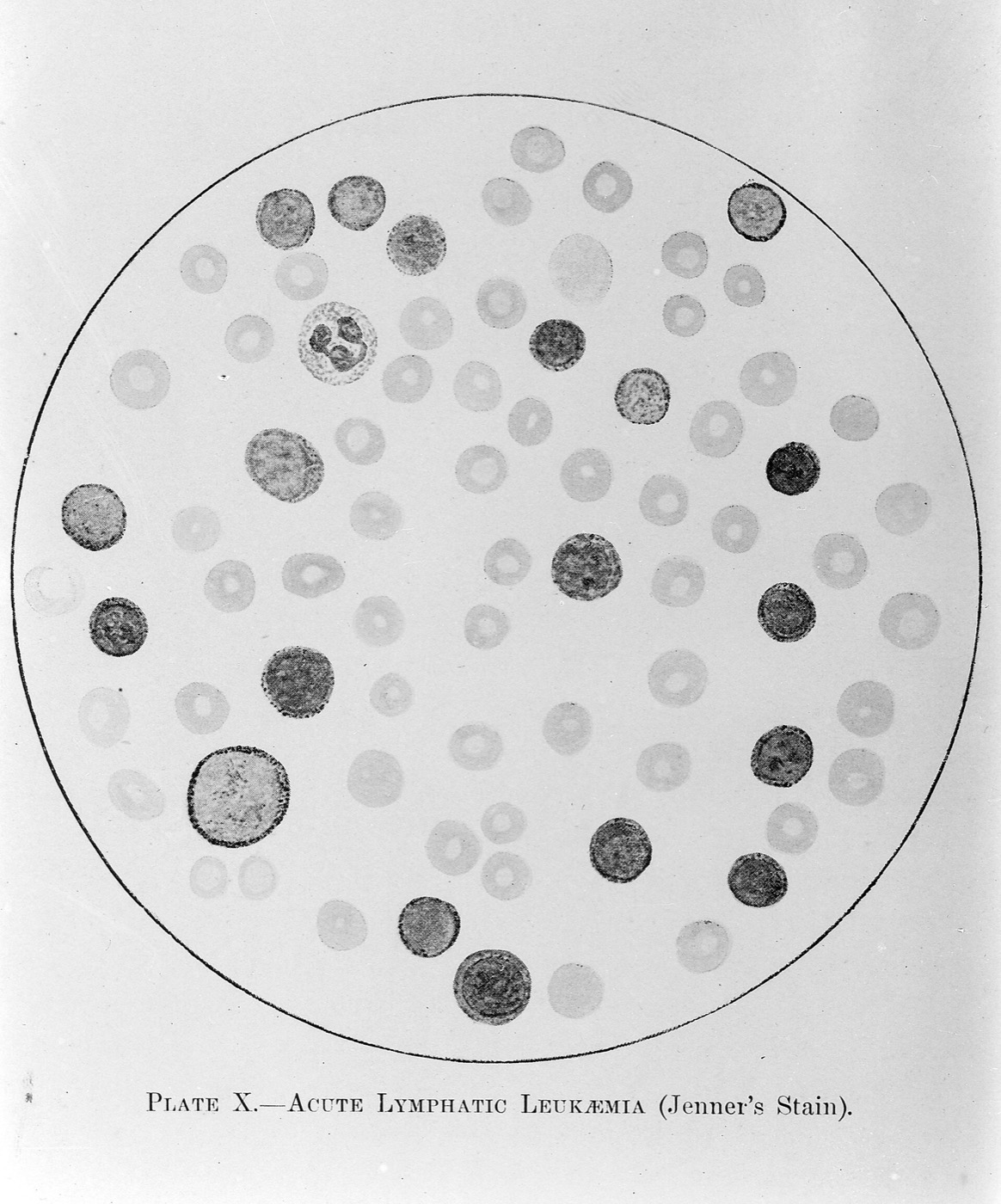 Leukemia and LymphomaCancer
https://wellcomeimages.org/indexplu... · CC BY 4.0
Leukemia and LymphomaCancer
https://wellcomeimages.org/indexplu... · CC BY 4.0
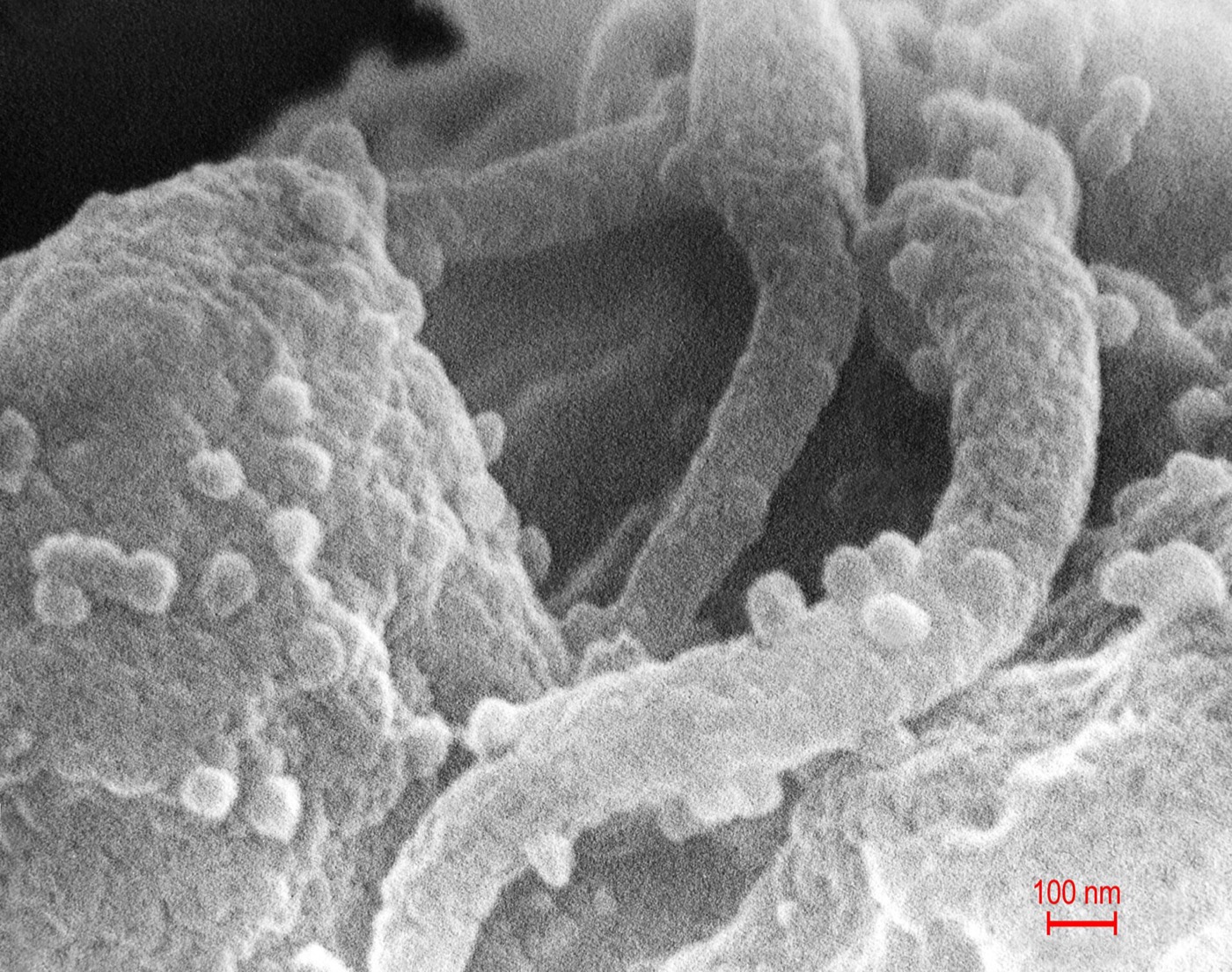 HIVInfectious disease
Photo Credit: C. Goldsmith
Content... · Public domain
HIVInfectious disease
Photo Credit: C. Goldsmith
Content... · Public domain
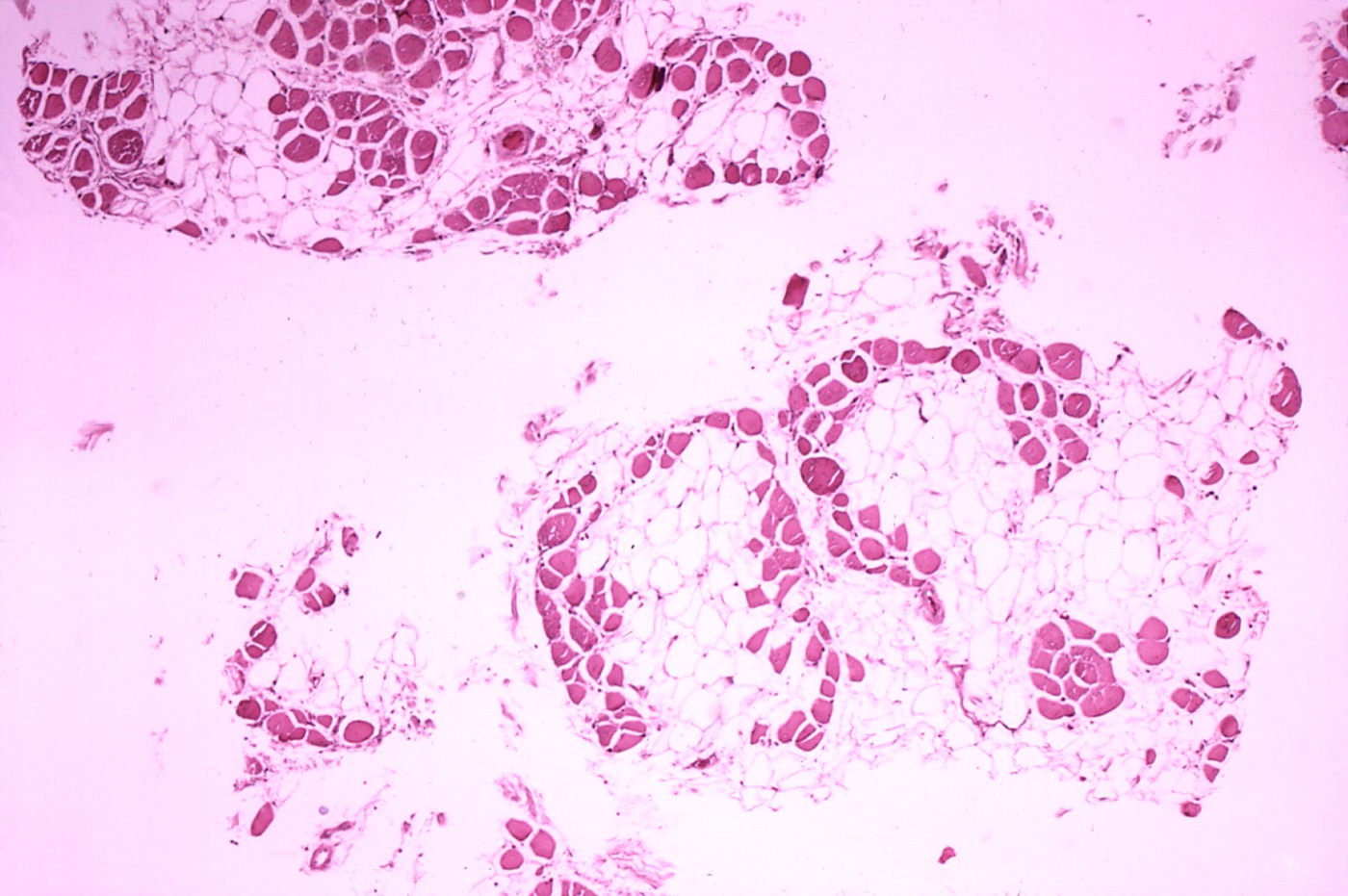 Duchenne Muscular DystrophyMuscular disease
Dr. Edwin P. Ewing, Jr. · Public domain
Duchenne Muscular DystrophyMuscular disease
Dr. Edwin P. Ewing, Jr. · Public domain
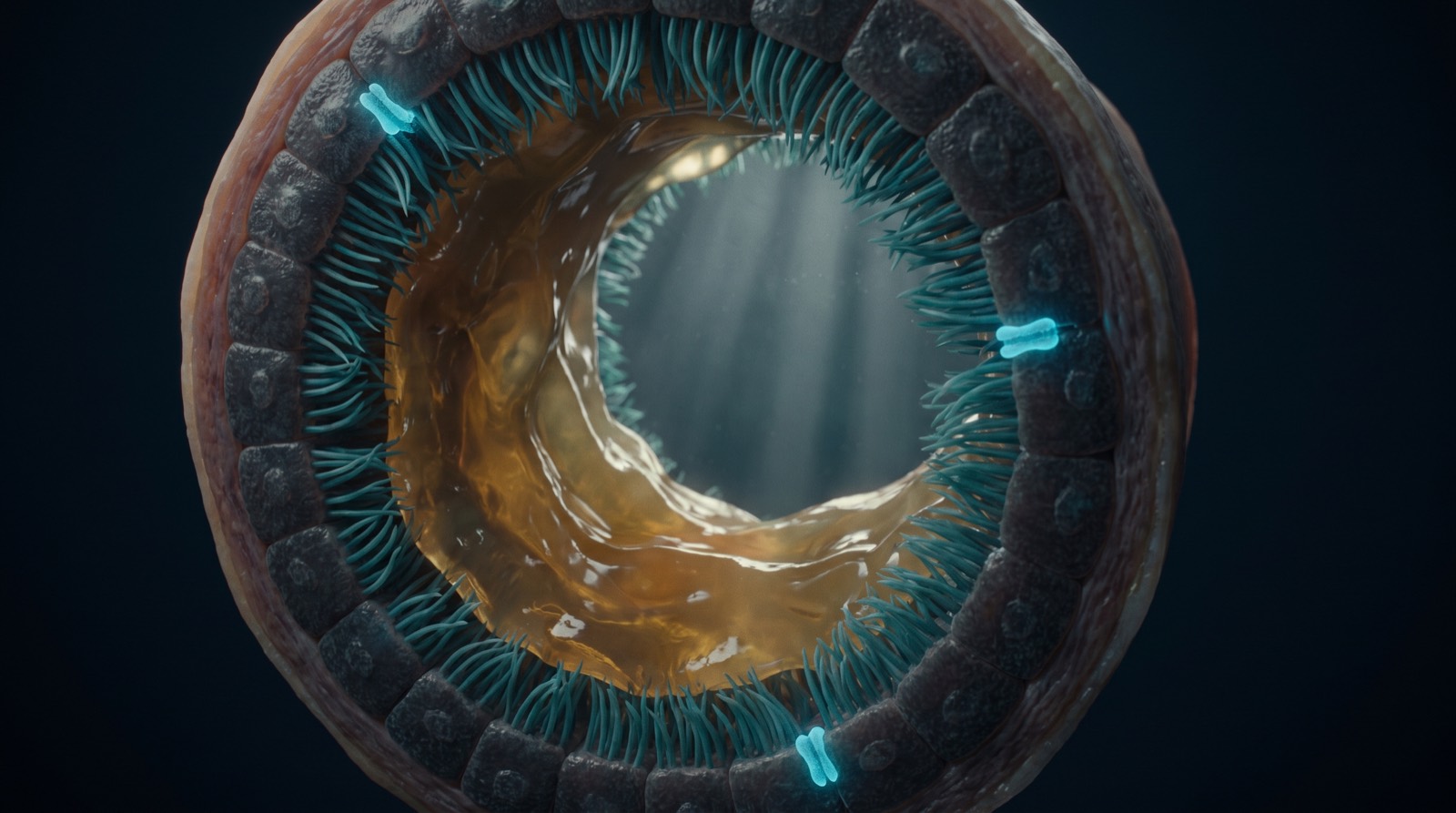 Cystic FibrosisRare genetic disease
Treatments
Named medicines, with regulatory status stated on every record.
Approved medicines in CRISPR Decoded: Casgevy (exagamglogene autotemcel) · Lyfgenia (lovotibeglogene autotemcel) · Zynteglo (betibeglogene autotemcel)
Clinical trials
Where the evidence actually gets made.
Companies to know
Who is building what, and how far along each programme is.
Scientists who changed the field
What each person actually contributed. Attribution in this field is contested, and we say where.
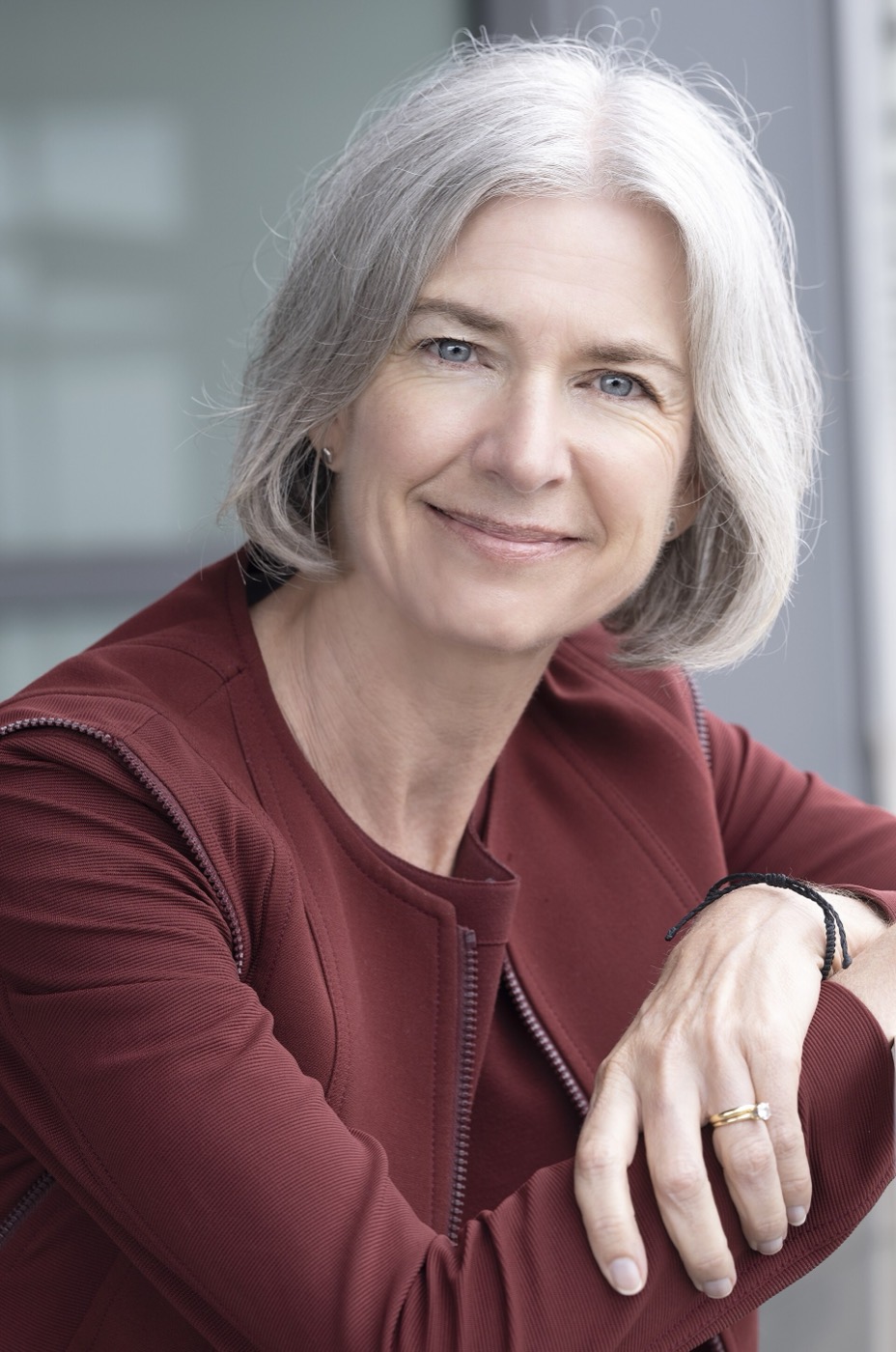 Jennifer DoudnaStructural biochemist who, with Emmanuelle Charpentier, showed that Cas9 could be programmed with a single guide RNA to cut chosen DNA, and shared the 2020 Nobel Prize in Chemistry for it.
Christopher Michel · CC BY-SA 4.0
Jennifer DoudnaStructural biochemist who, with Emmanuelle Charpentier, showed that Cas9 could be programmed with a single guide RNA to cut chosen DNA, and shared the 2020 Nobel Prize in Chemistry for it.
Christopher Michel · CC BY-SA 4.0
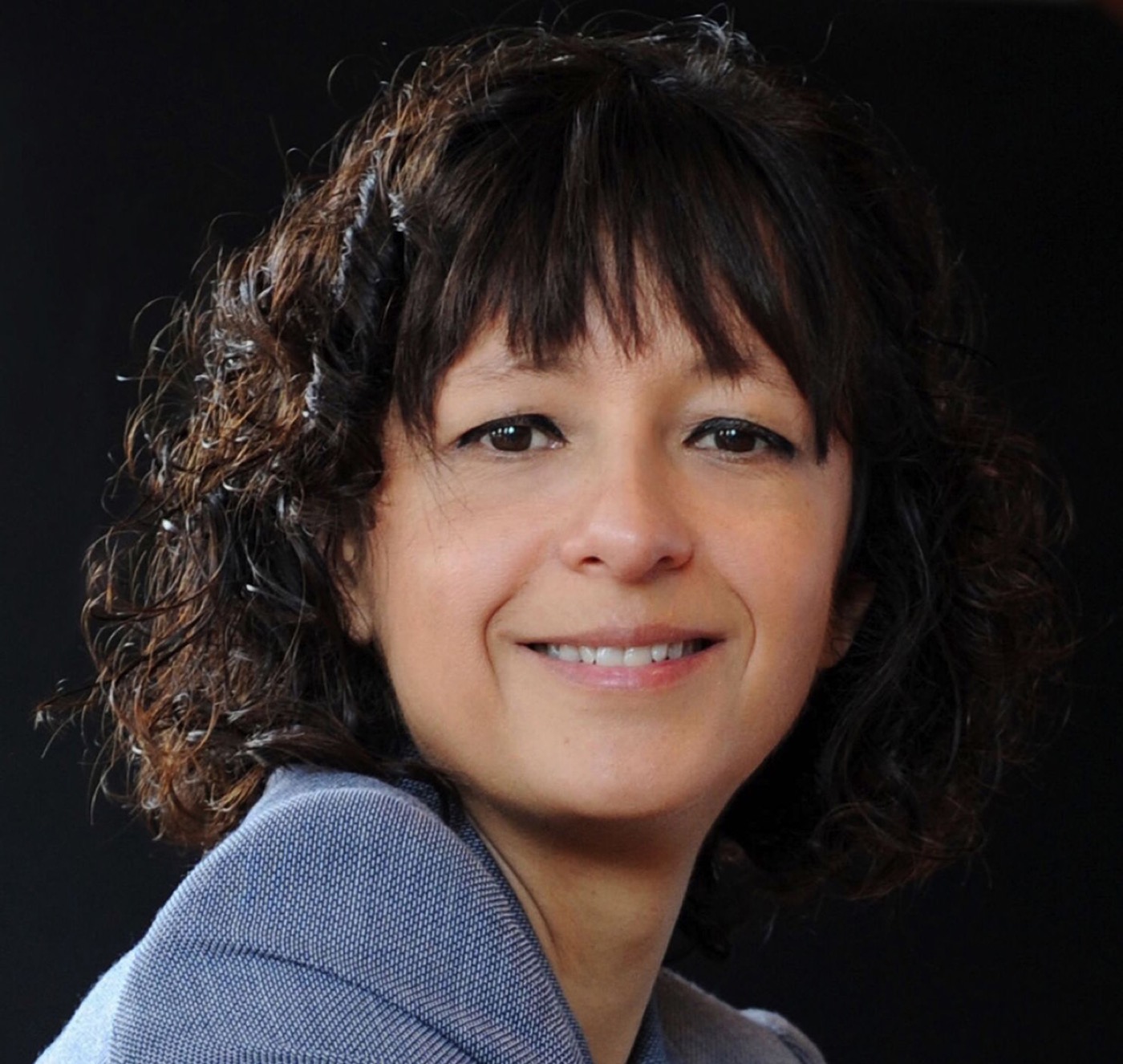 Emmanuelle CharpentierMicrobiologist who discovered tracrRNA, the missing component of the CRISPR-Cas9 system, and shared the 2020 Nobel Prize in Chemistry with Jennifer Doudna.
Bianca Fioretti, Hallbauer & Fioretti · CC BY-SA 4.0
Emmanuelle CharpentierMicrobiologist who discovered tracrRNA, the missing component of the CRISPR-Cas9 system, and shared the 2020 Nobel Prize in Chemistry with Jennifer Doudna.
Bianca Fioretti, Hallbauer & Fioretti · CC BY-SA 4.0
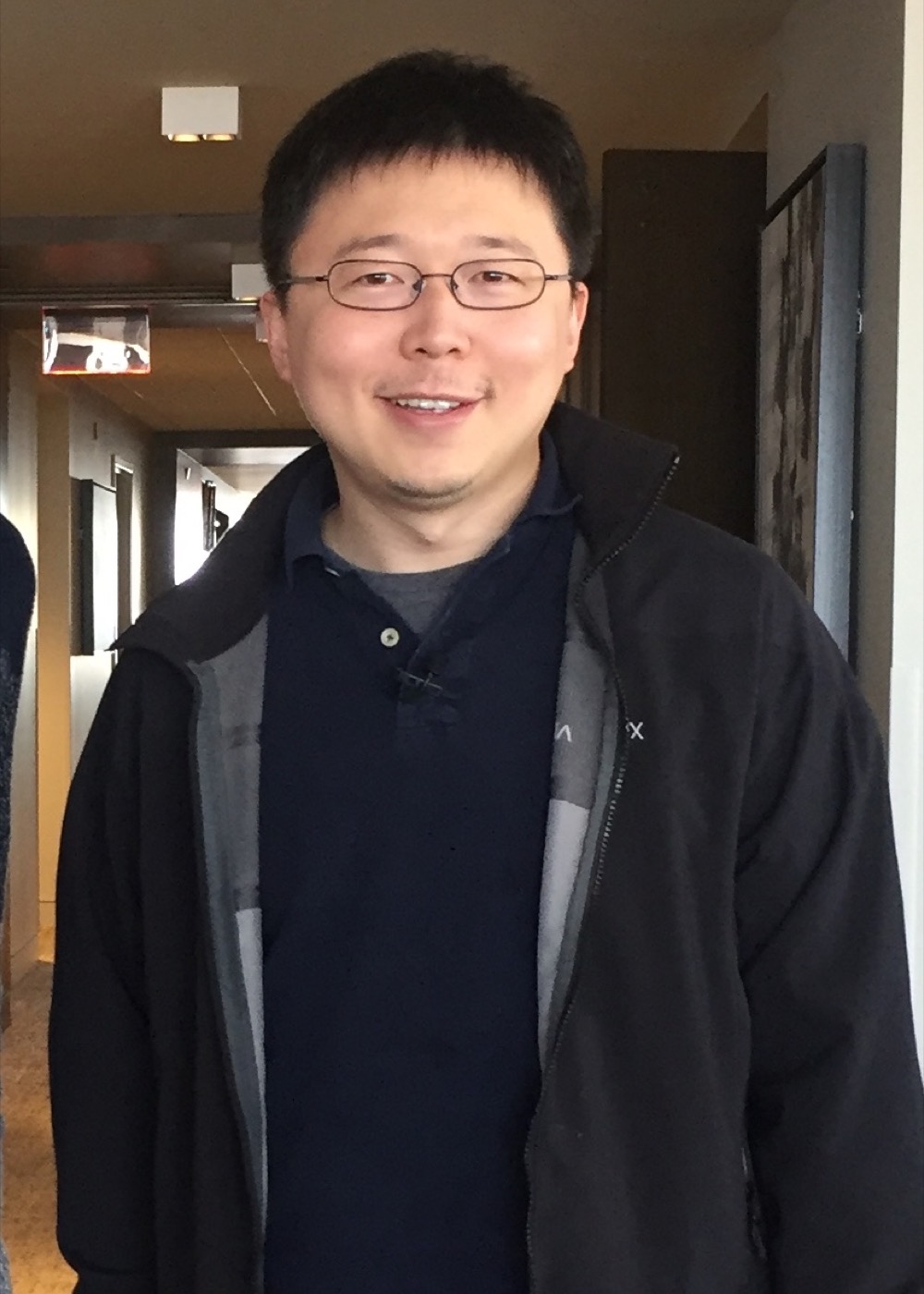 Feng ZhangBioengineer who led one of the first demonstrations of CRISPR genome editing in human cells and discovered several new CRISPR systems including Cas12a and Cas13.
PuppyEggs · CC BY-SA 4.0
Feng ZhangBioengineer who led one of the first demonstrations of CRISPR genome editing in human cells and discovered several new CRISPR systems including Cas12a and Cas13.
PuppyEggs · CC BY-SA 4.0
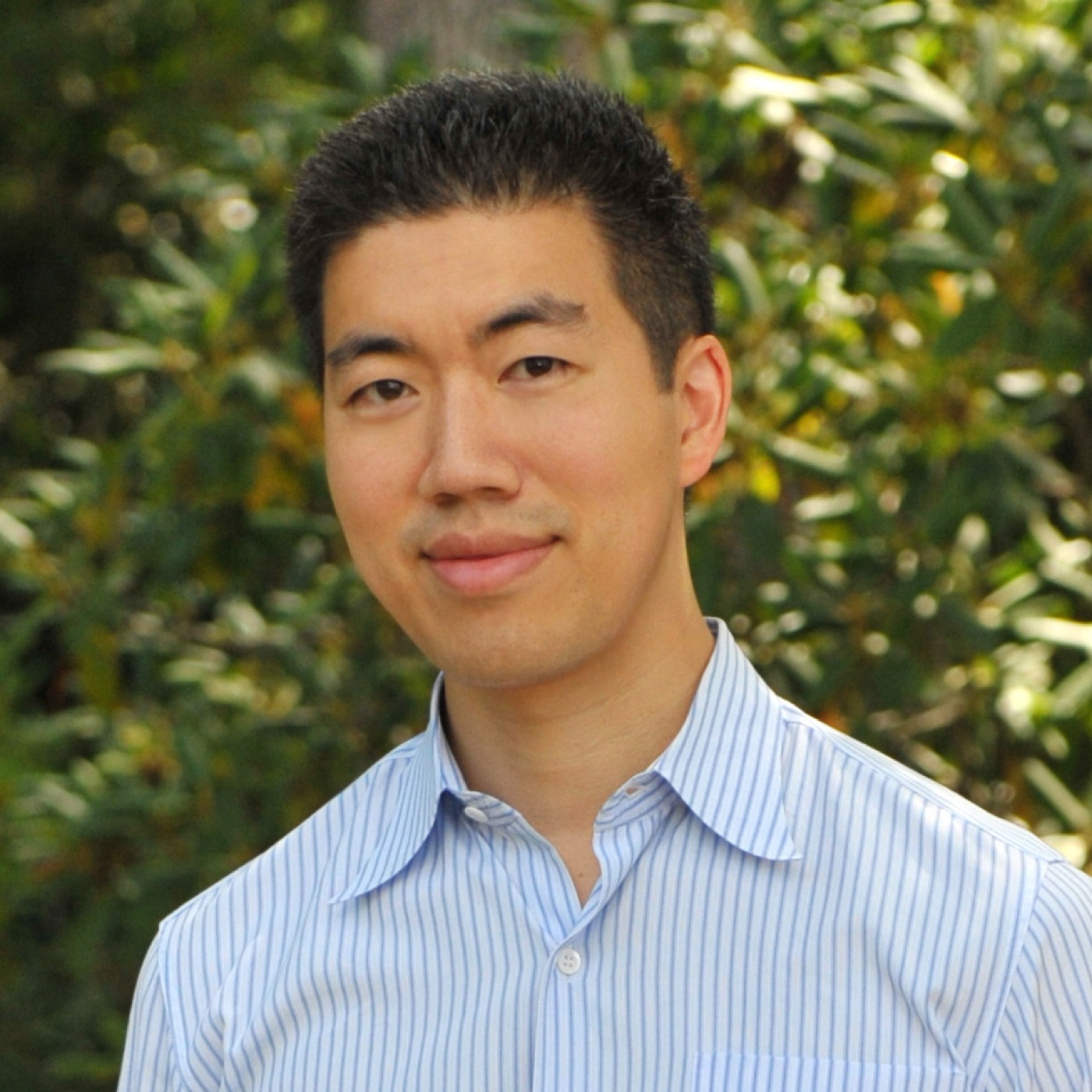 David LiuChemical biologist whose laboratory invented base editing and prime editing, the two techniques that changed gene editing from cutting to writing.
ServiceAT · CC BY-SA 4.0
David LiuChemical biologist whose laboratory invented base editing and prime editing, the two techniques that changed gene editing from cutting to writing.
ServiceAT · CC BY-SA 4.0
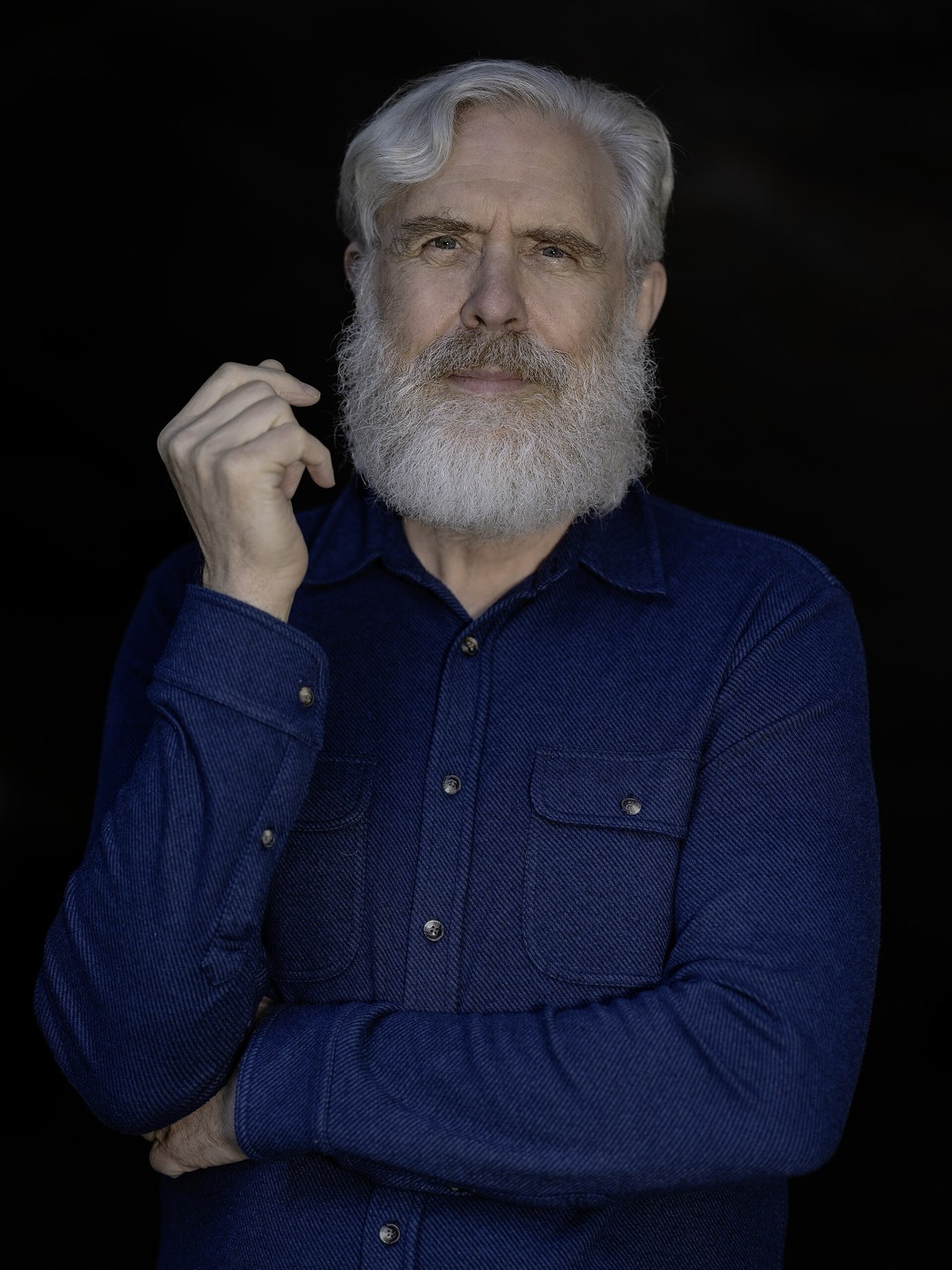 George ChurchGeneticist whose laboratory independently demonstrated CRISPR editing in human cells in 2013, and a founder of an unusually large number of genomics companies.
Christopher Michel · CC BY-SA 4.0
George ChurchGeneticist whose laboratory independently demonstrated CRISPR editing in human cells in 2013, and a founder of an unusually large number of genomics companies.
Christopher Michel · CC BY-SA 4.0
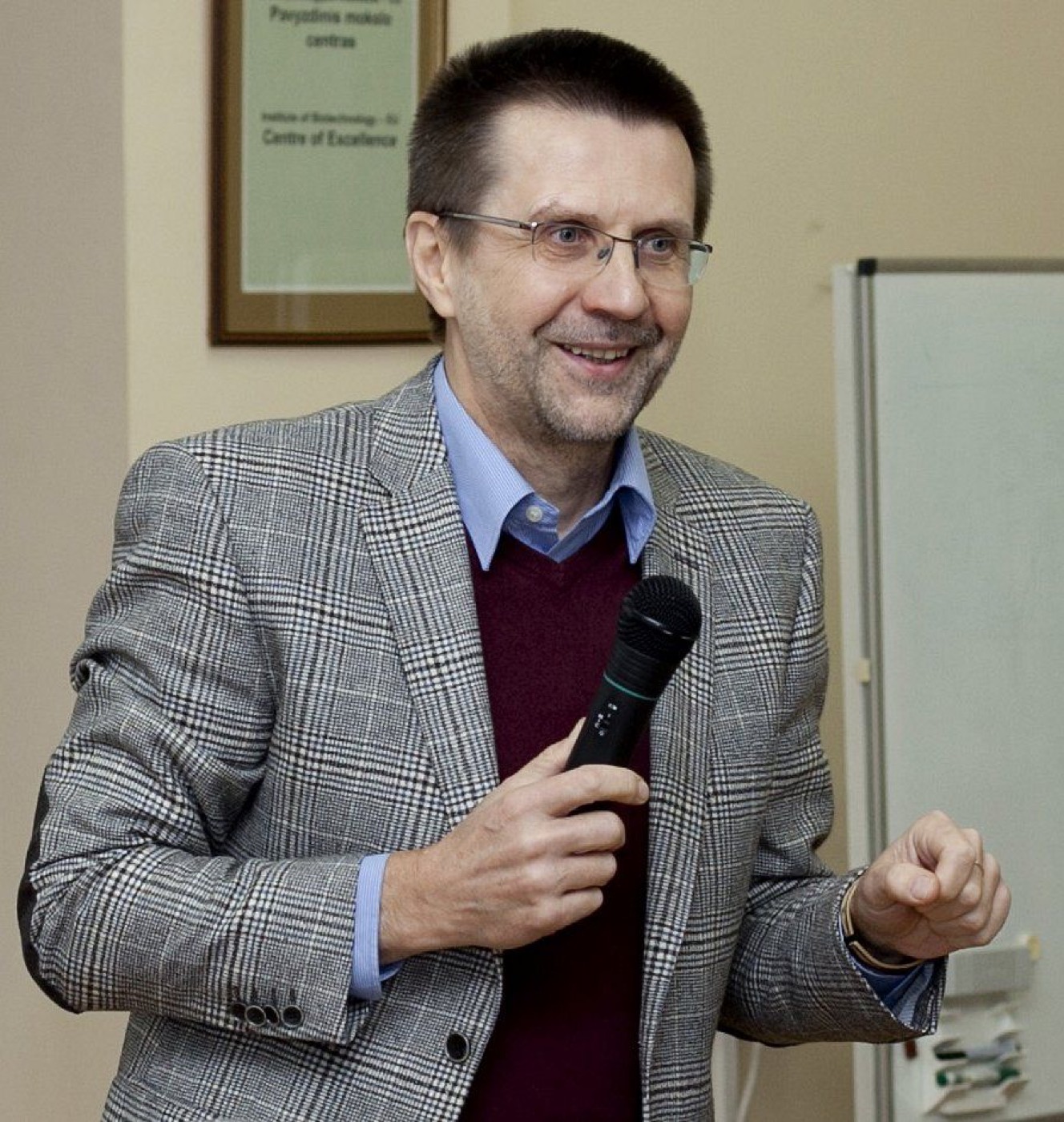 Virginijus ŠikšnysLithuanian biochemist who independently showed that Cas9 could be programmed to cut DNA, publishing in 2012, and whose contribution is often omitted from popular accounts.
Gie2016 · CC BY-SA 4.0
Virginijus ŠikšnysLithuanian biochemist who independently showed that Cas9 could be programmed to cut DNA, publishing in 2012, and whose contribution is often omitted from popular accounts.
Gie2016 · CC BY-SA 4.0
Latest gene-editing news
Real articles from named publishers. Every headline links to the original. We never rewrite or republish them.
 Mistrust in science and a juicy gene-editing lawsuit
Why have so many Americans lost trust in science? And what's the deal with a new gene-editing lawsuit? Find out on this week's episode of "The Readout…
Mistrust in science and a juicy gene-editing lawsuit
Why have so many Americans lost trust in science? And what's the deal with a new gene-editing lawsuit? Find out on this week's episode of "The Readout…
CRISPR explained
Start at the very beginning. No biology background needed.