خريطة ثورة تحرير الجينات
CRISPR Decoded
استكشف التقنيات والعلاجات والأمراض والعلماء والشركات والتجارب السريرية والاكتشافات التي تُشكِّل مستقبل الطب الجيني.
ابدأ من حيث أنت فعلًا
هذا الموقع مكتوب لقراء مختلفين جدًا في آن واحد. كل باب أدناه يقود إلى قاعدة البيانات نفسها من زاوية مختلفة. لا شيء مُبسَّط بشكل مُخلّ، ولا شيء يفترض حيازة شهادة في علم الأحياء.
 New to all of thisابدأ من ماهية DNA وتدرَّج. لا تحتاج إلى خلفية مسبقة.
 A patient or familyما الذي مُعتمَد، وما الذي لا يزال في طور التجارب، وكيف تُفرَّق بينهما.
 متابعة القطاعمن يطوِّر ماذا، وفي أي مرحلة. معلومات فقط، ليست نصيحة طبية.
 هنا من أجل الغذاء والزراعةالمحاصيل والماشية المعدَّلة جينيًا، وسبب اختلاف القواعد من بلد إلى آخر.
استكشف تحرير الجينات
سبع طرق يستخدمها العلماء لتعديل المادة الوراثية. تبدأ كل صفحة بشرح بسيط، ثم تتعمق بالقدر الذي تريده.
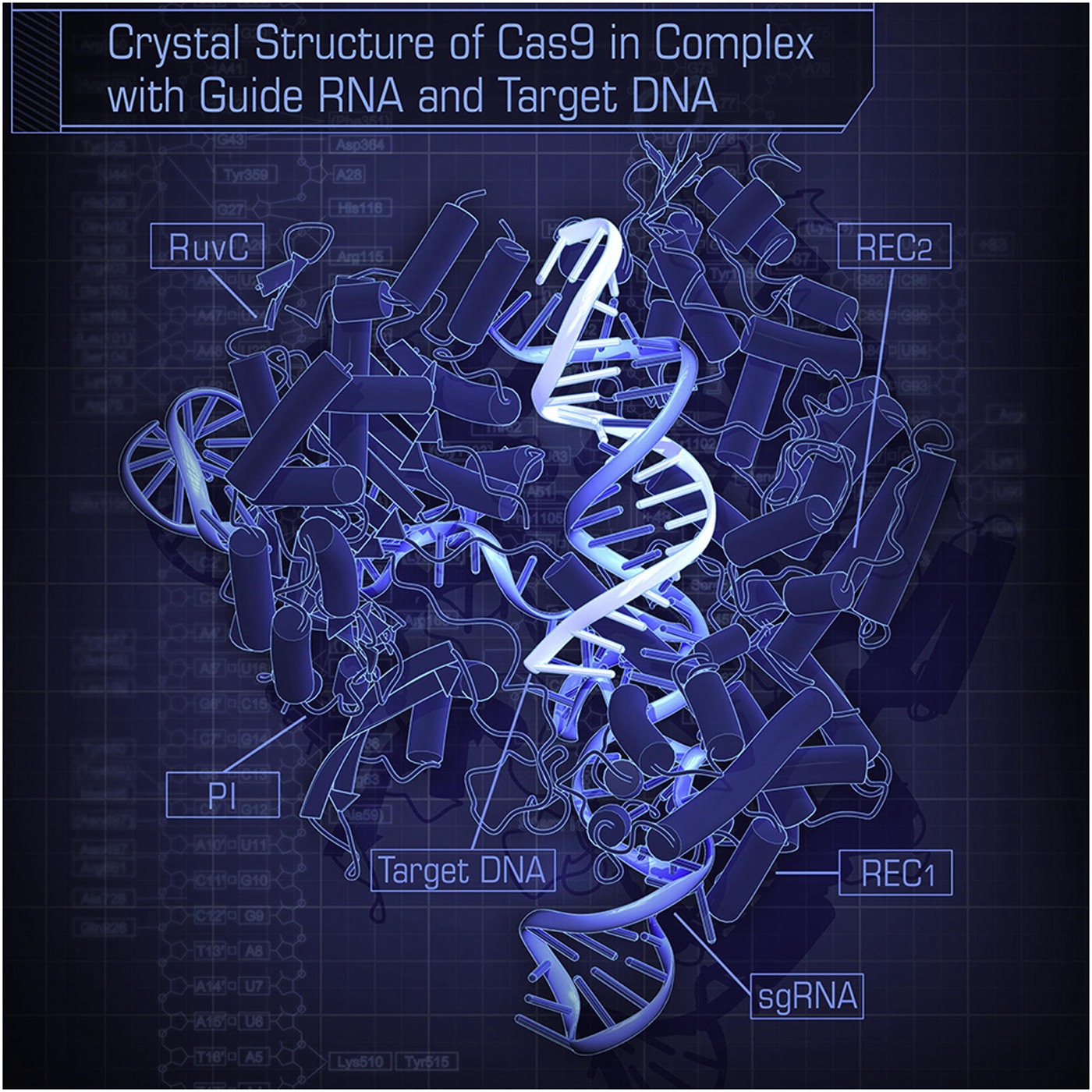 CRISPR-Cas9A protein that can be programmed with a short RNA guide to find one specific sequence in a genome and cut it.
Hiroshi Nishimasu, F. Ann Ran,... · CC BY-SA 3.0
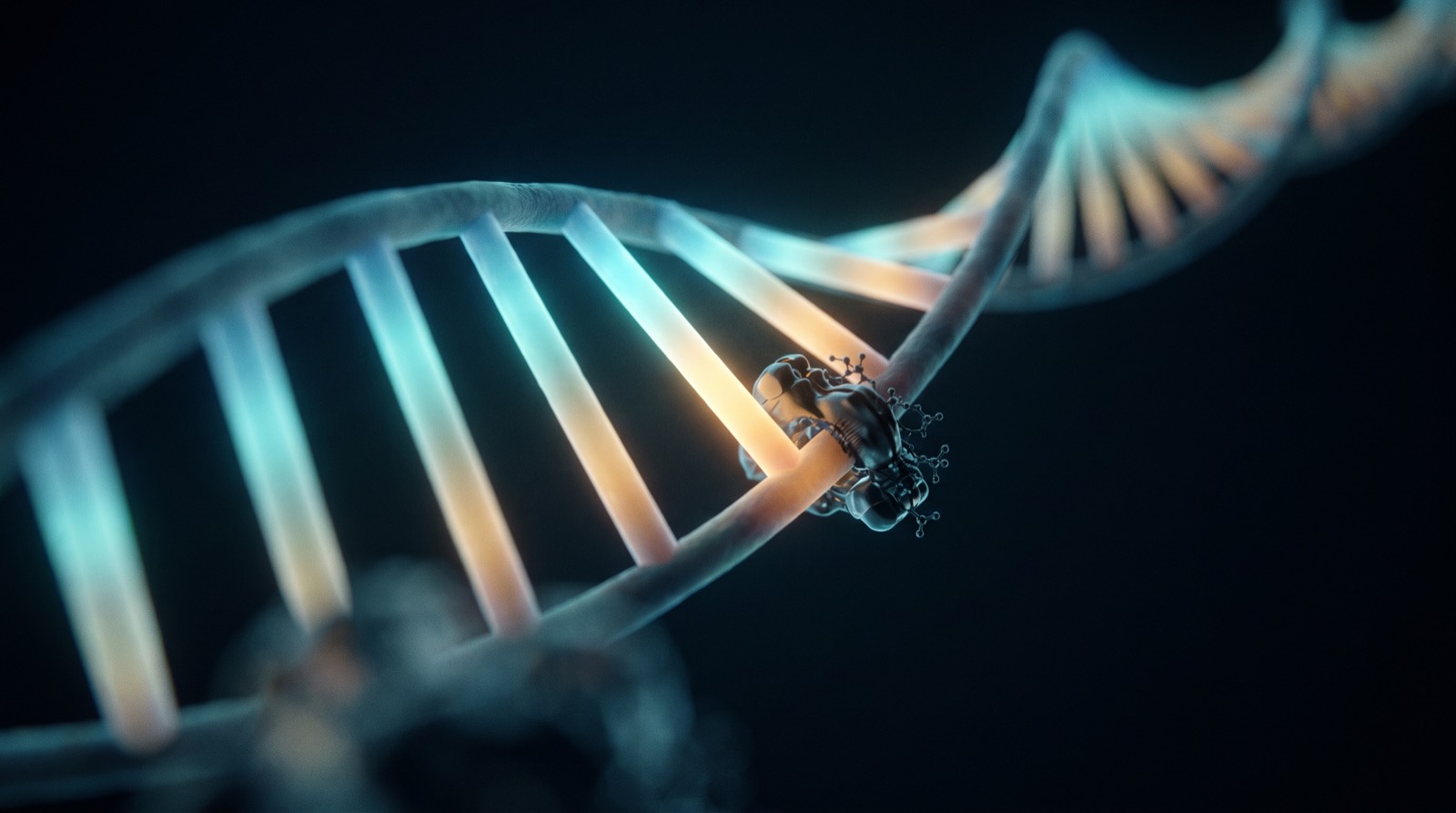 Base EditingChemically converts one DNA letter into another at a chosen position, without cutting both strands of the double helix.
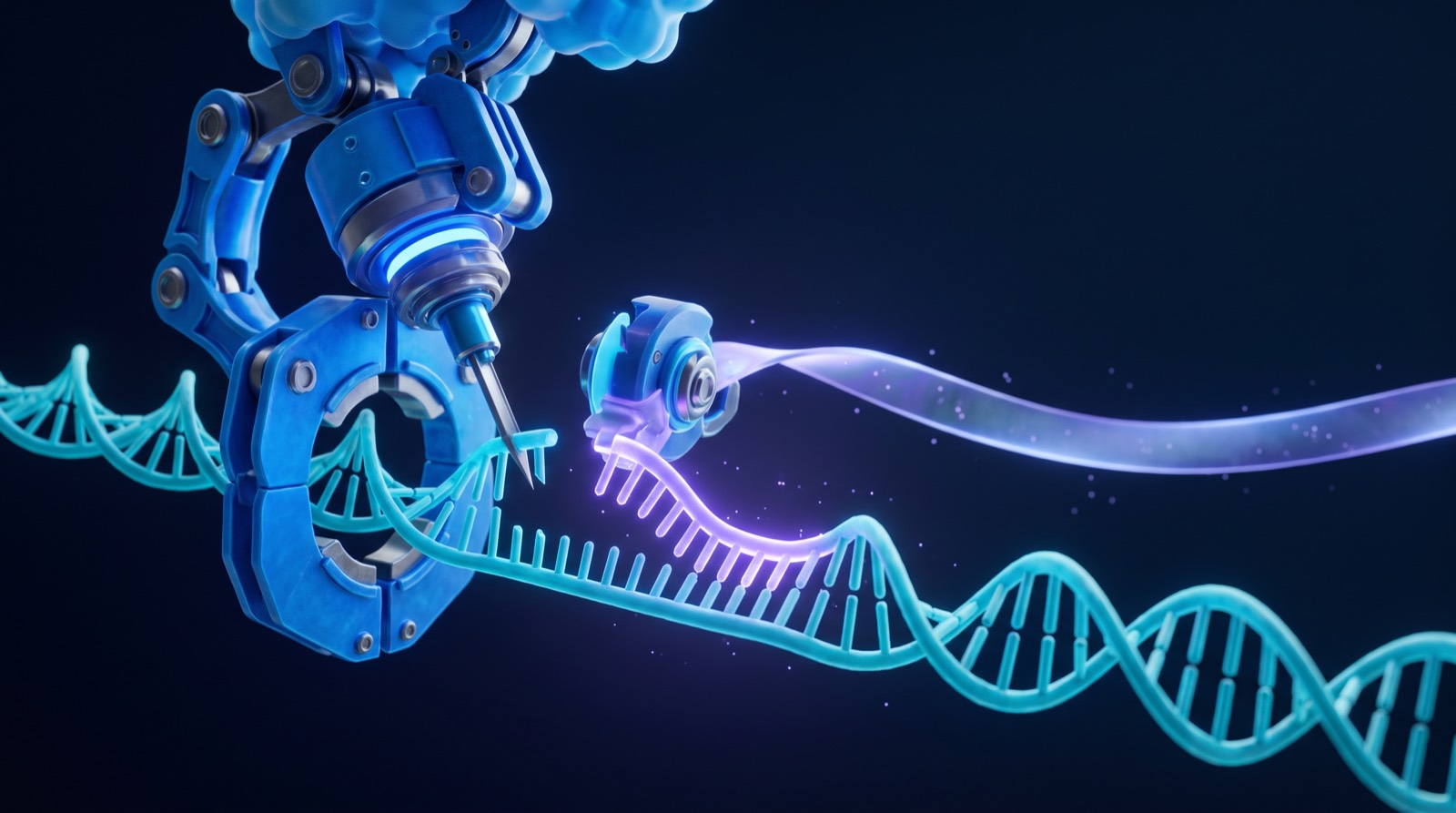 Prime EditingWrites a new stretch of DNA sequence directly into a chosen site, using a guide that carries the replacement text with it.
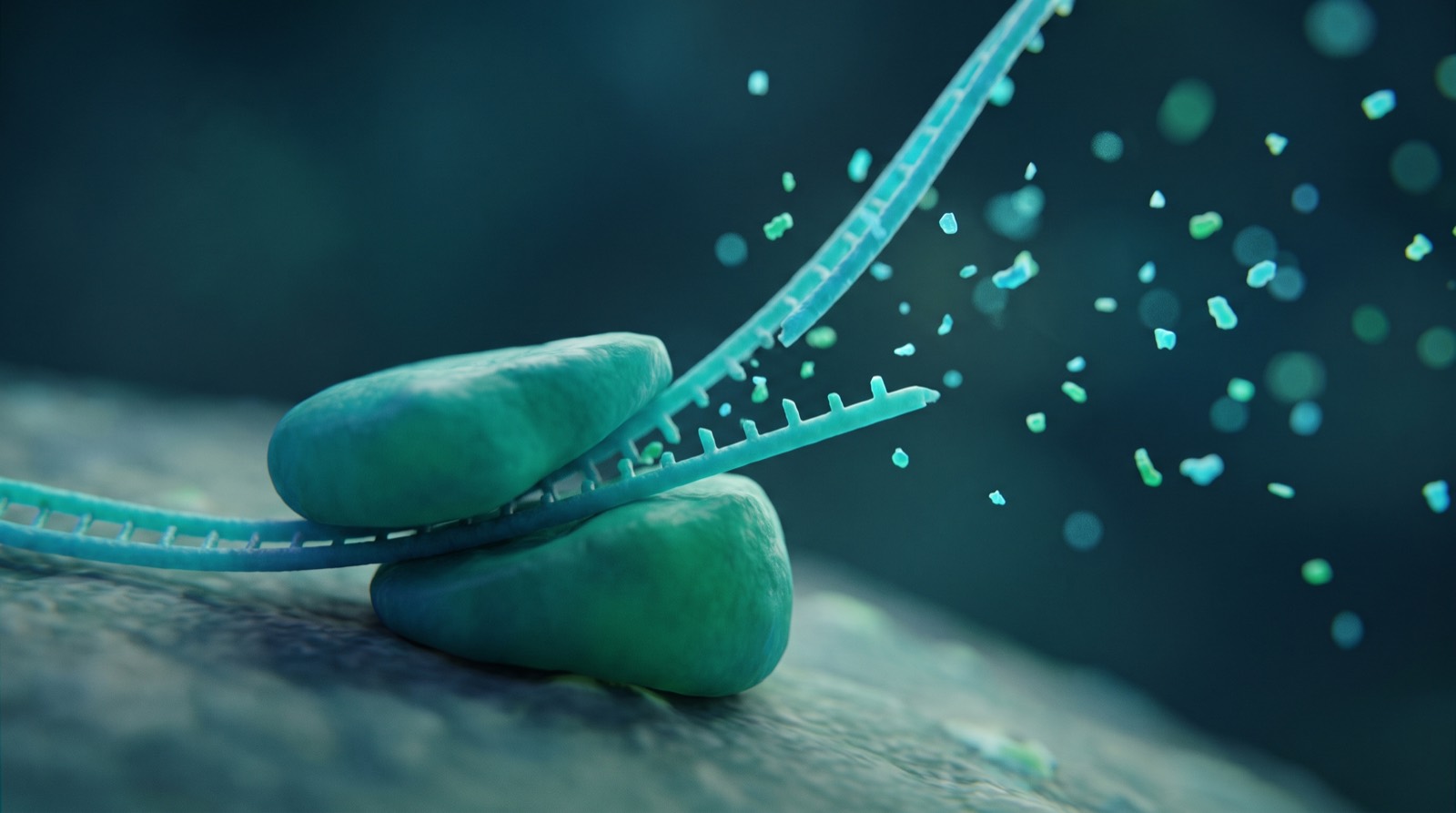 CRISPR-Cas12A family of CRISPR nucleases that cut DNA leaving staggered ends, use a different sequence requirement from Cas9, and can be smaller.
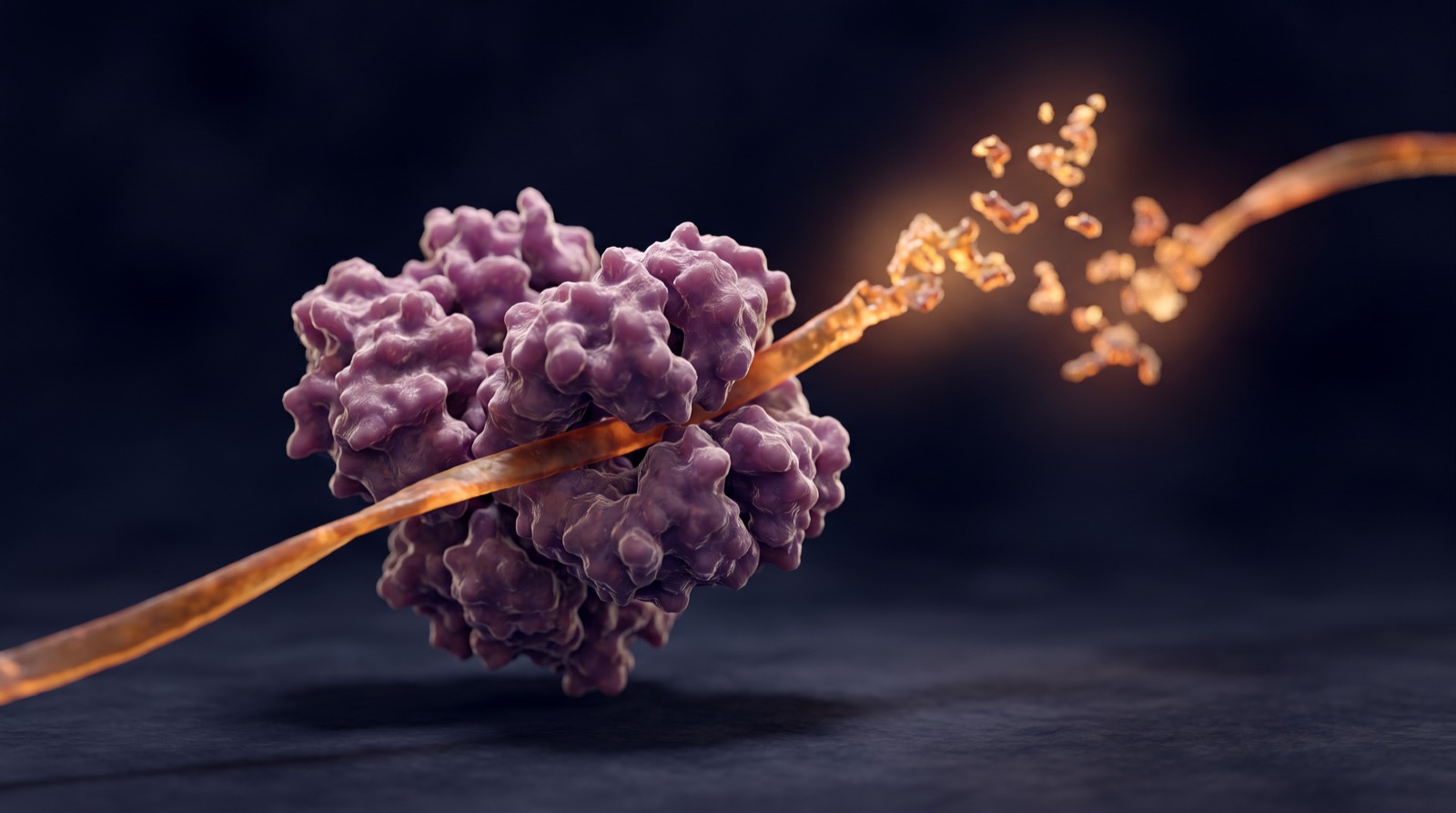 CRISPR-Cas13Targets RNA rather than DNA, so it can silence a gene's message without touching the genome itself.
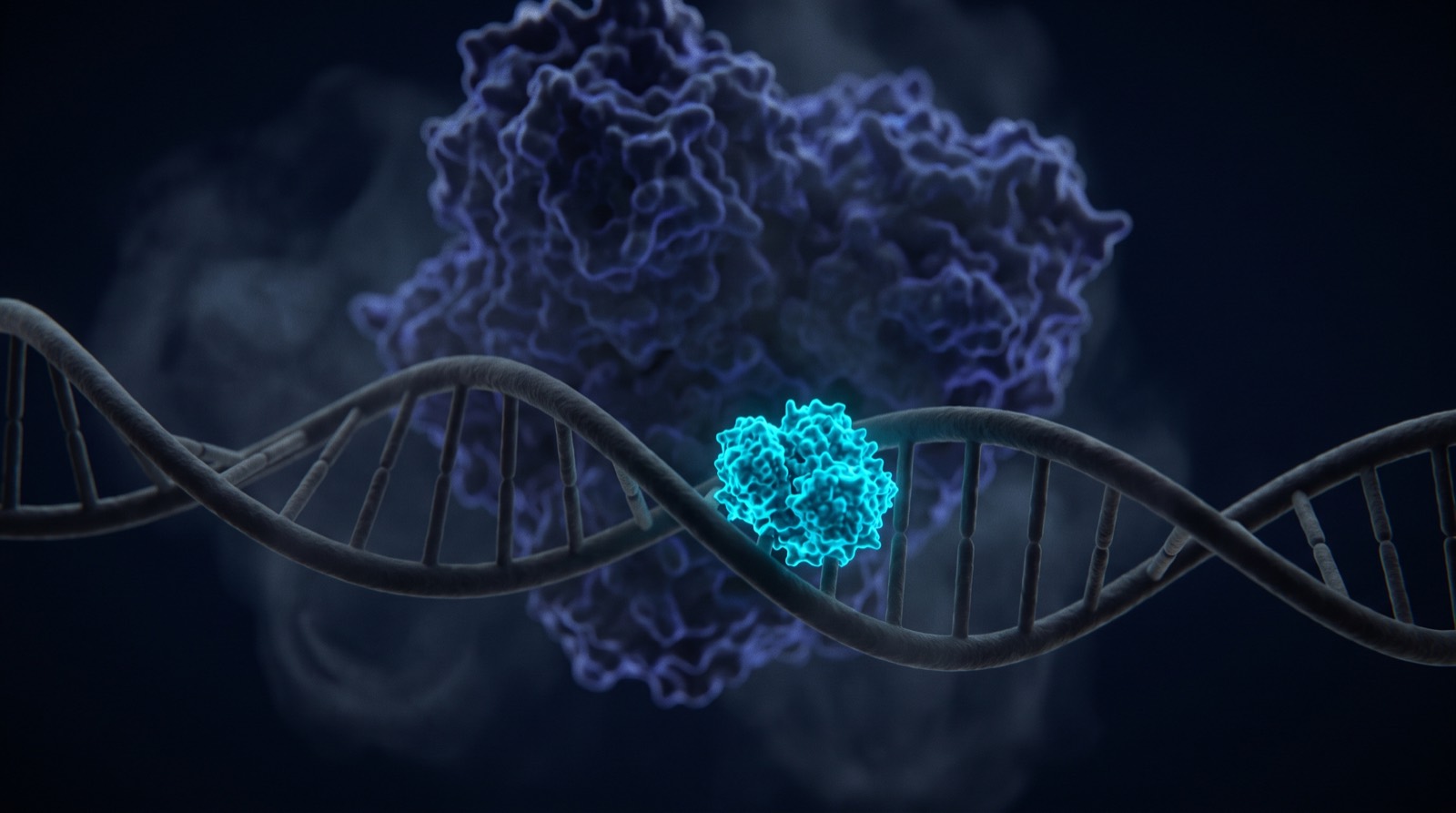 Cas14 and miniature Cas systemsUnusually small CRISPR nucleases, roughly a third the size of Cas9, discovered in archaea and bacteriophages.
 RNA EditingChanges letters in the RNA message rather than in the DNA, so the effect is real but temporary and the genome is untouched.
 قارن بينها جنباً إلى جنبالدقة، والقطع، وحجم الحمولة، والتوصيل، والنضج، والمخاطر
الأمراض المستهدفة
توضح صفحة كل مرض بجلاء ما إذا كان تحرير الجينات علاجاً معتمداً، أو قيد التجارب السريرية، أو لا يزال فكرةً مختبريةً فحسب.
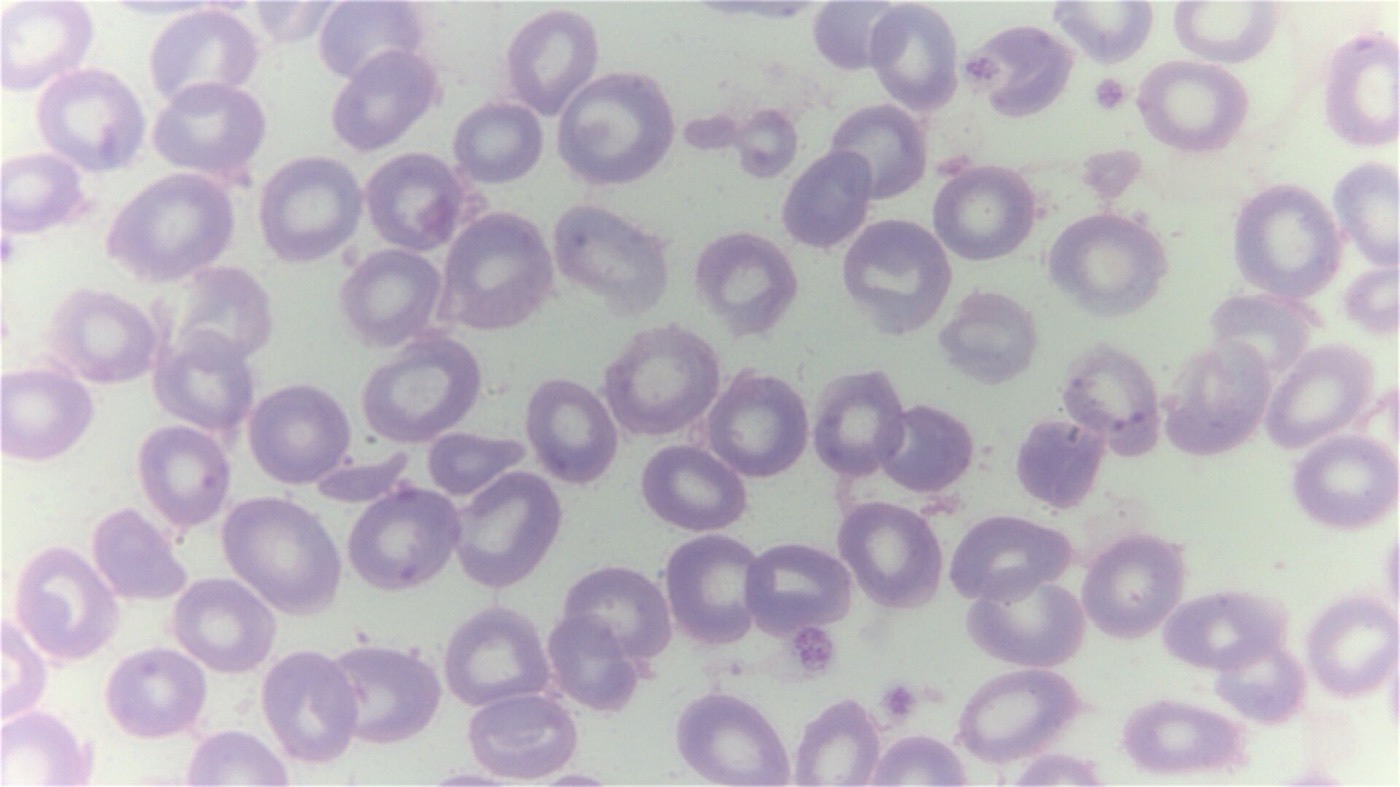
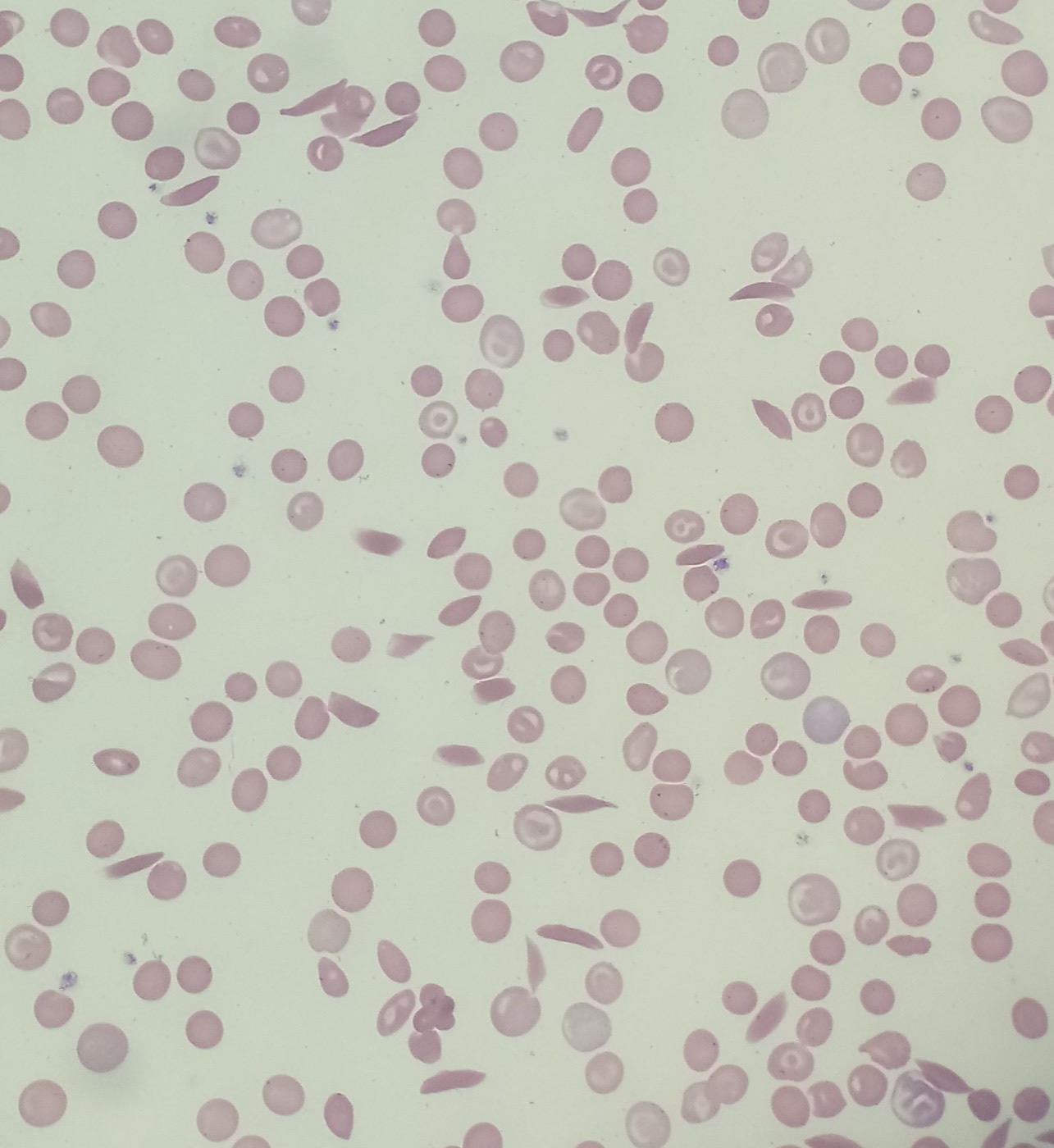 Sickle Cell DiseaseBlood disorders
SpicyMilkBoy · CC BY-SA 4.0
 Beta ThalassemiaBlood disorders
Dr Graham Beards · CC BY-SA 4.0
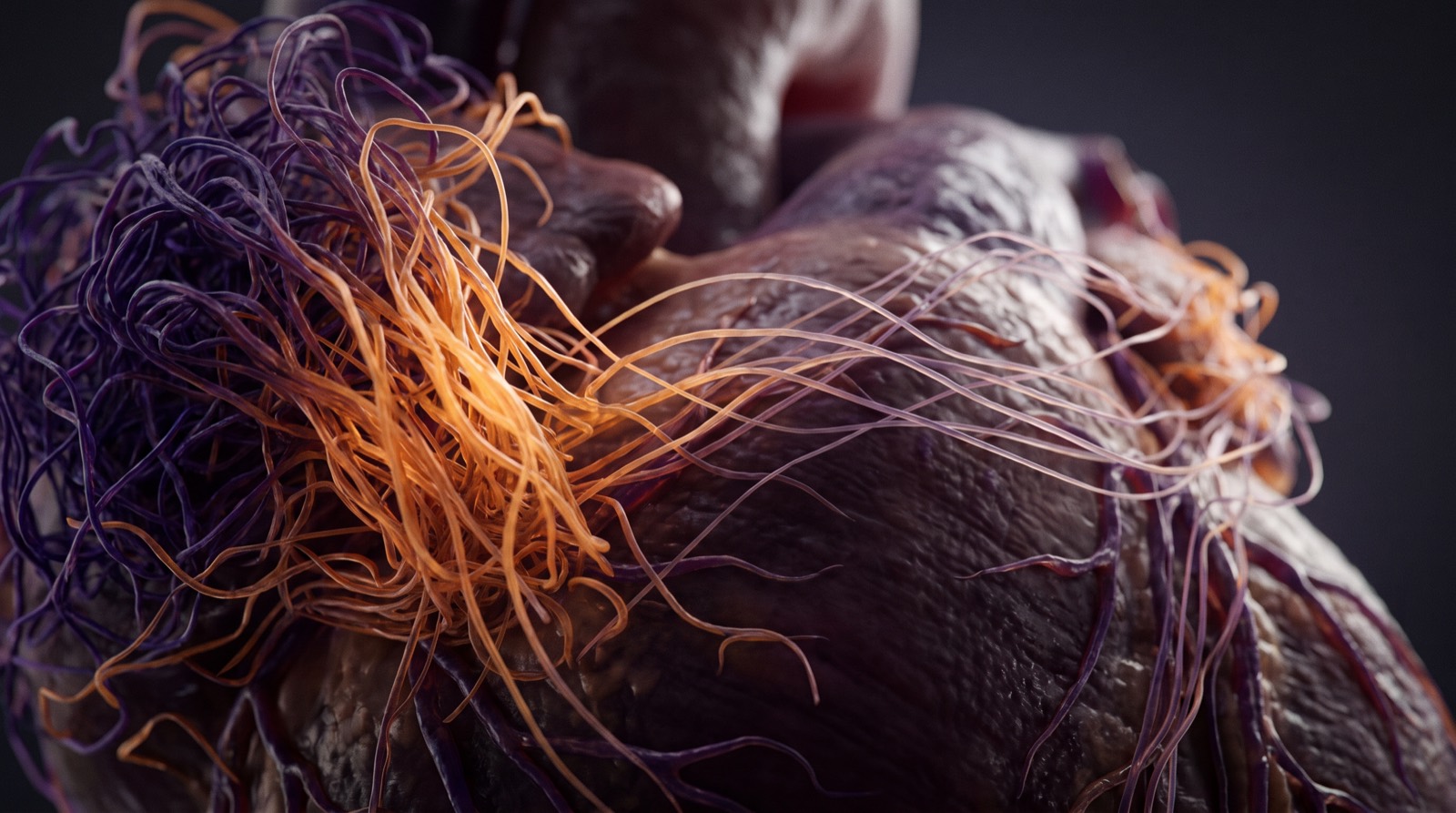 ATTR AmyloidosisMetabolic disease
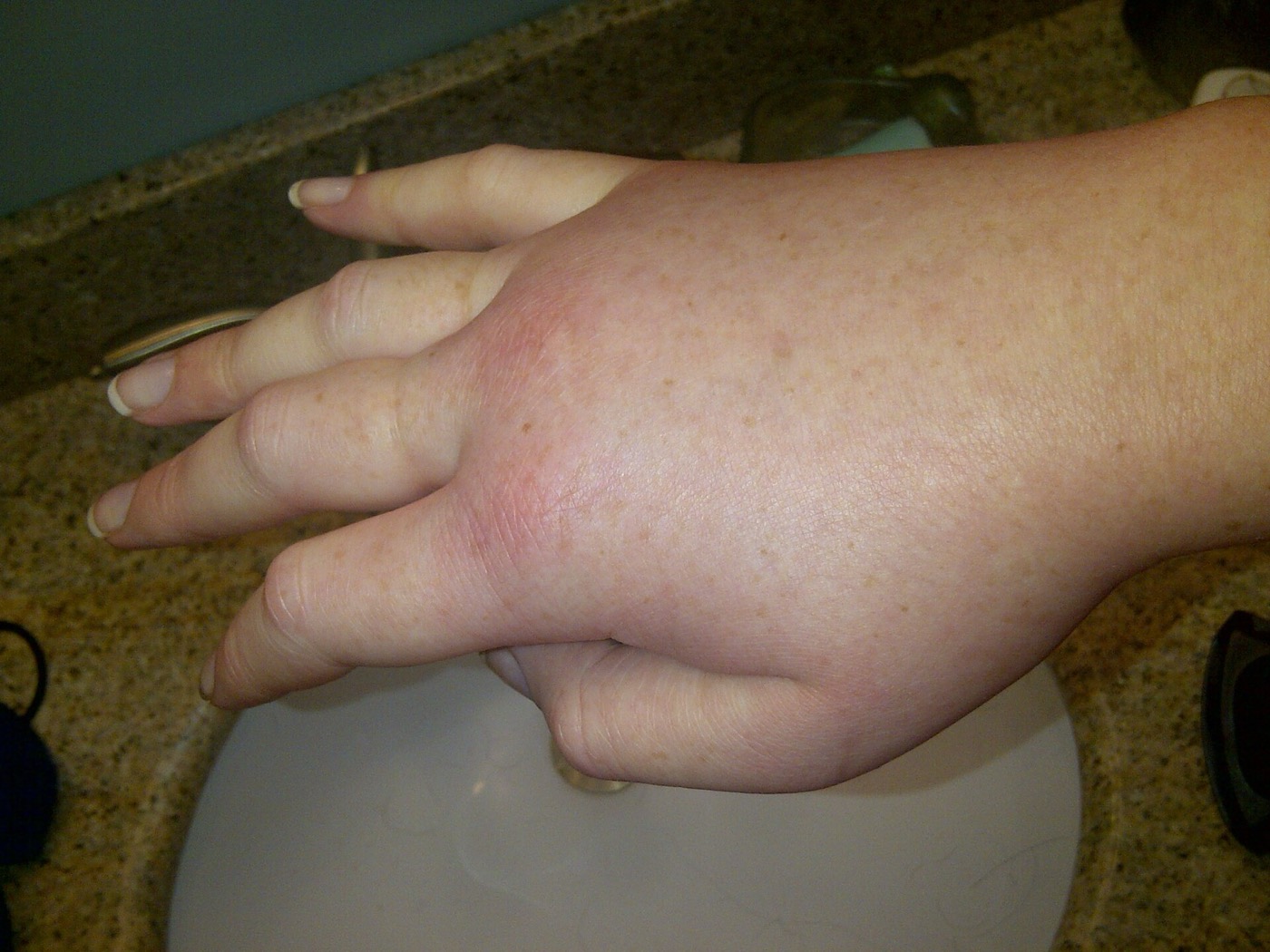 Hereditary AngioedemaRare genetic disease
LucyHAE · CC BY-SA 3.0
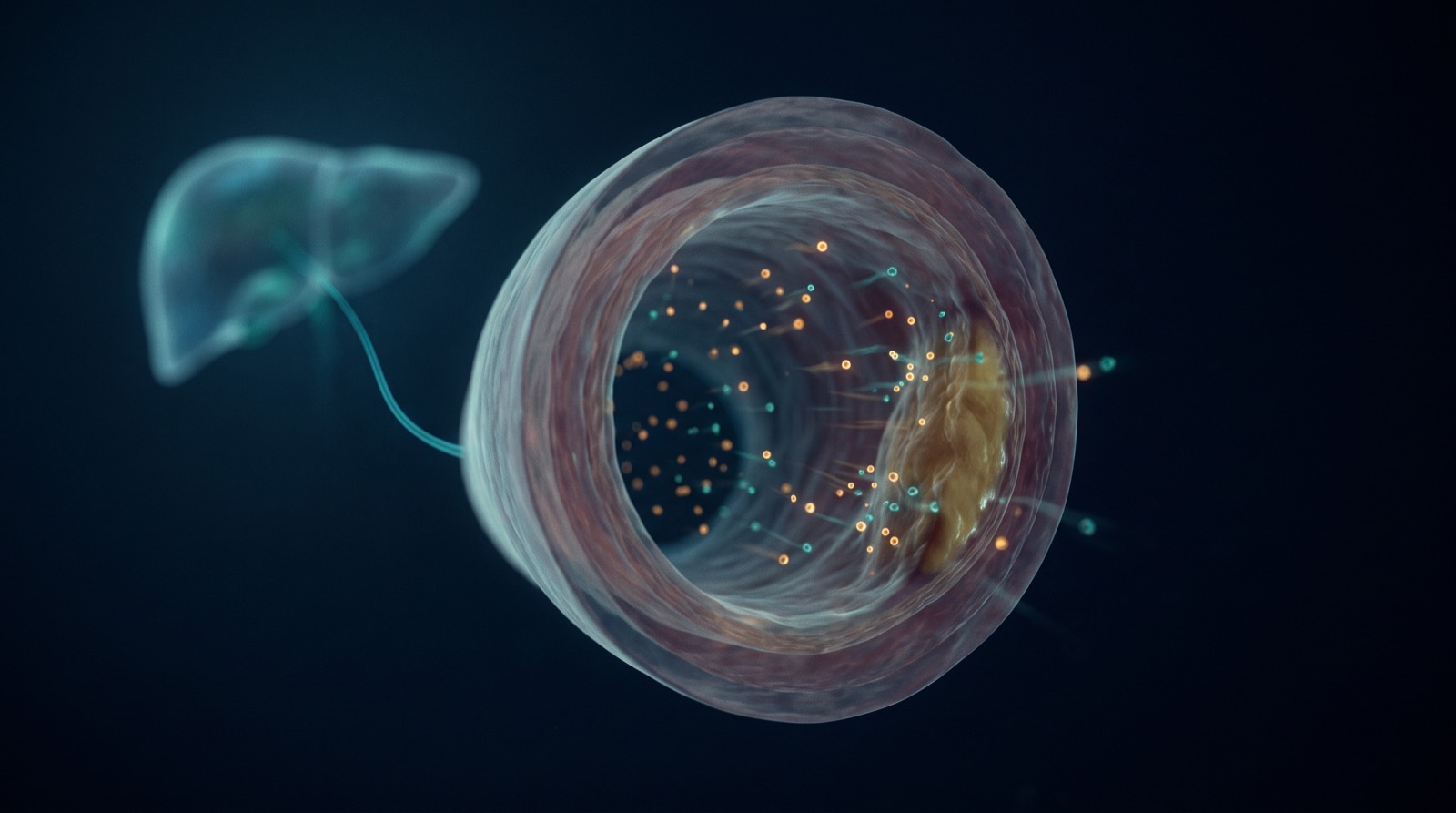 High Cholesterol and Familial HypercholesterolemiaCardiovascular disease
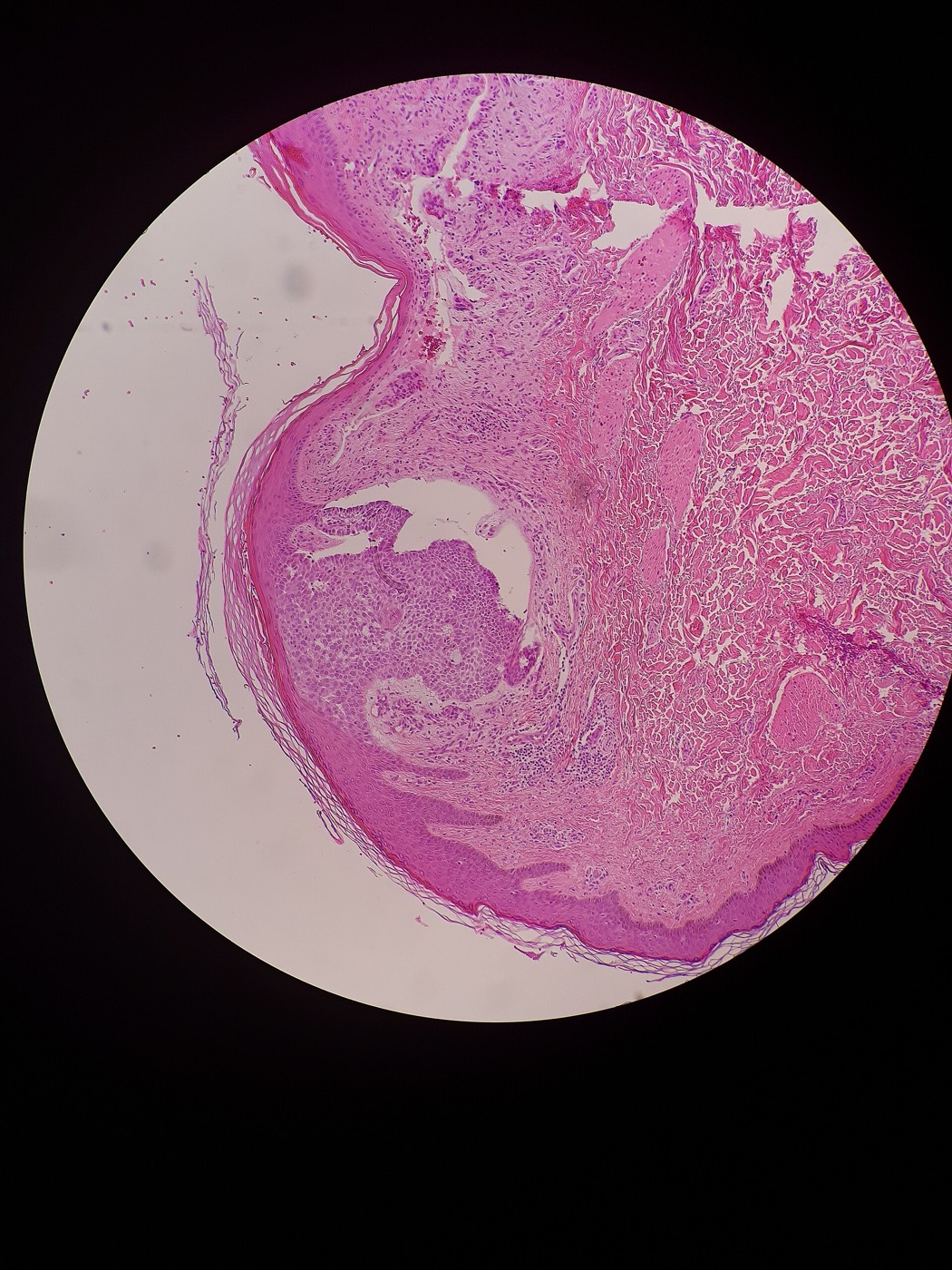 CancerCancer
Mikael Häggström, M.D. Author info... · CC0
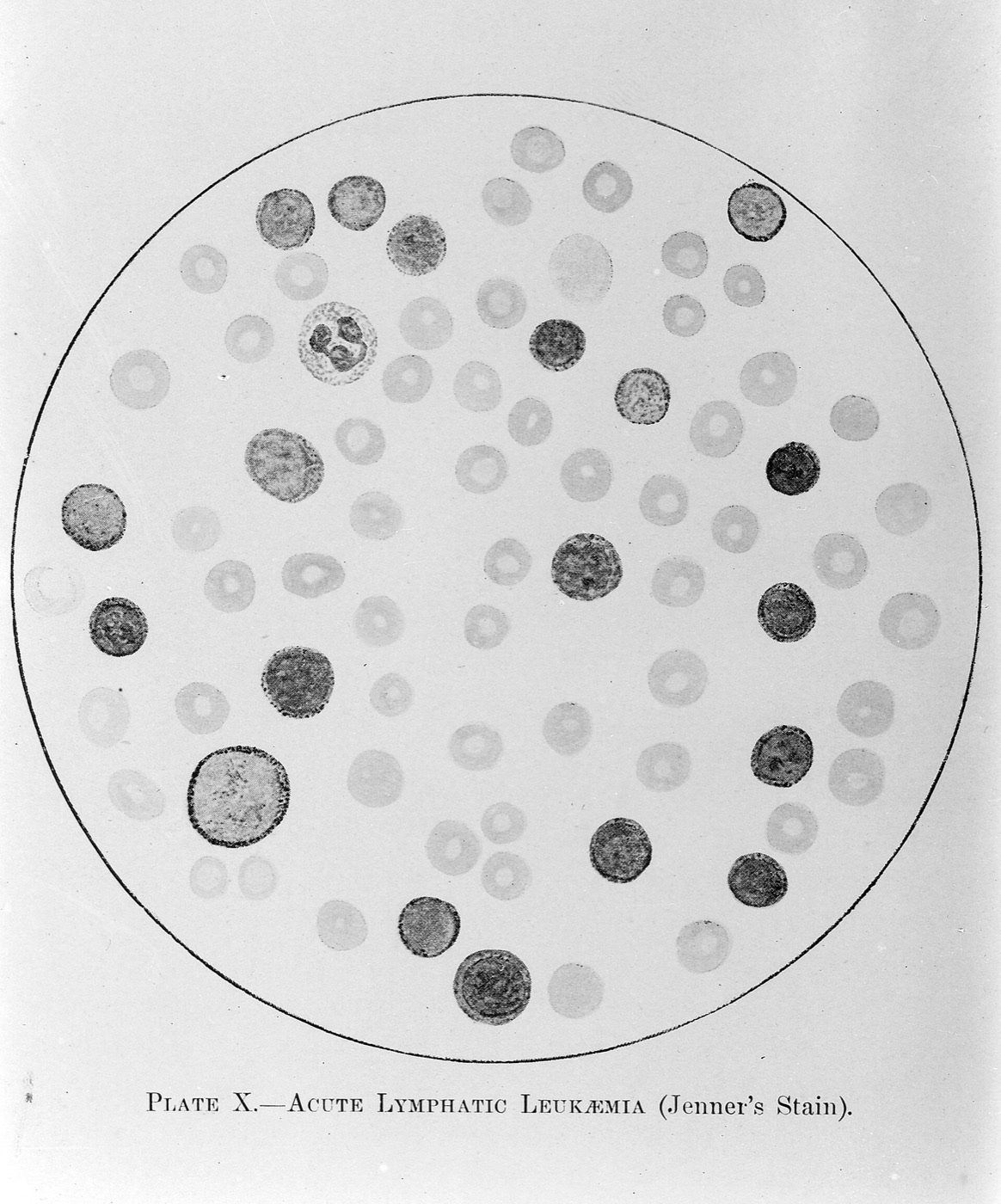 Leukemia and LymphomaCancer
https://wellcomeimages.org/indexplu... · CC BY 4.0
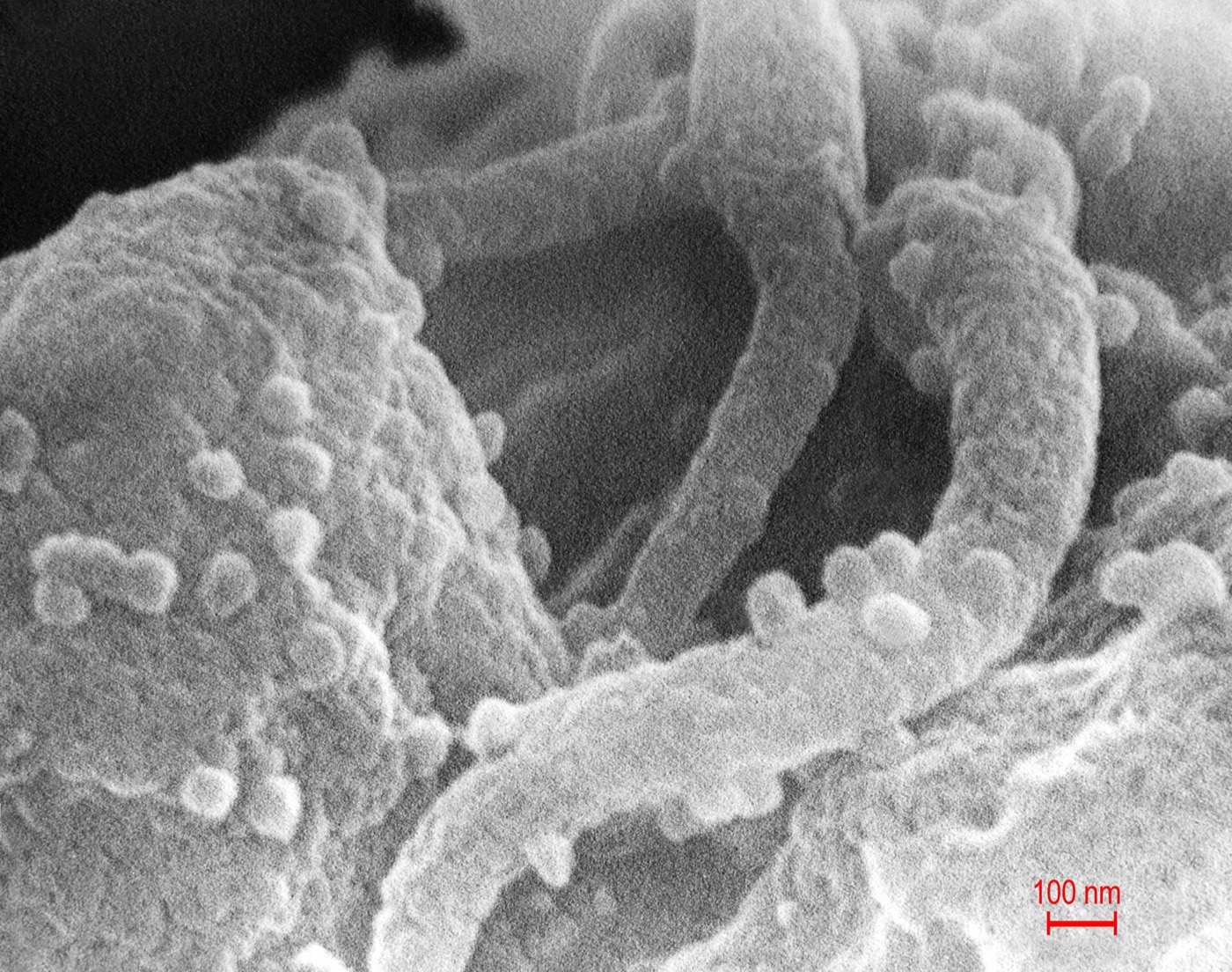 HIVInfectious disease
Photo Credit: C. Goldsmith
Content... · Public domain
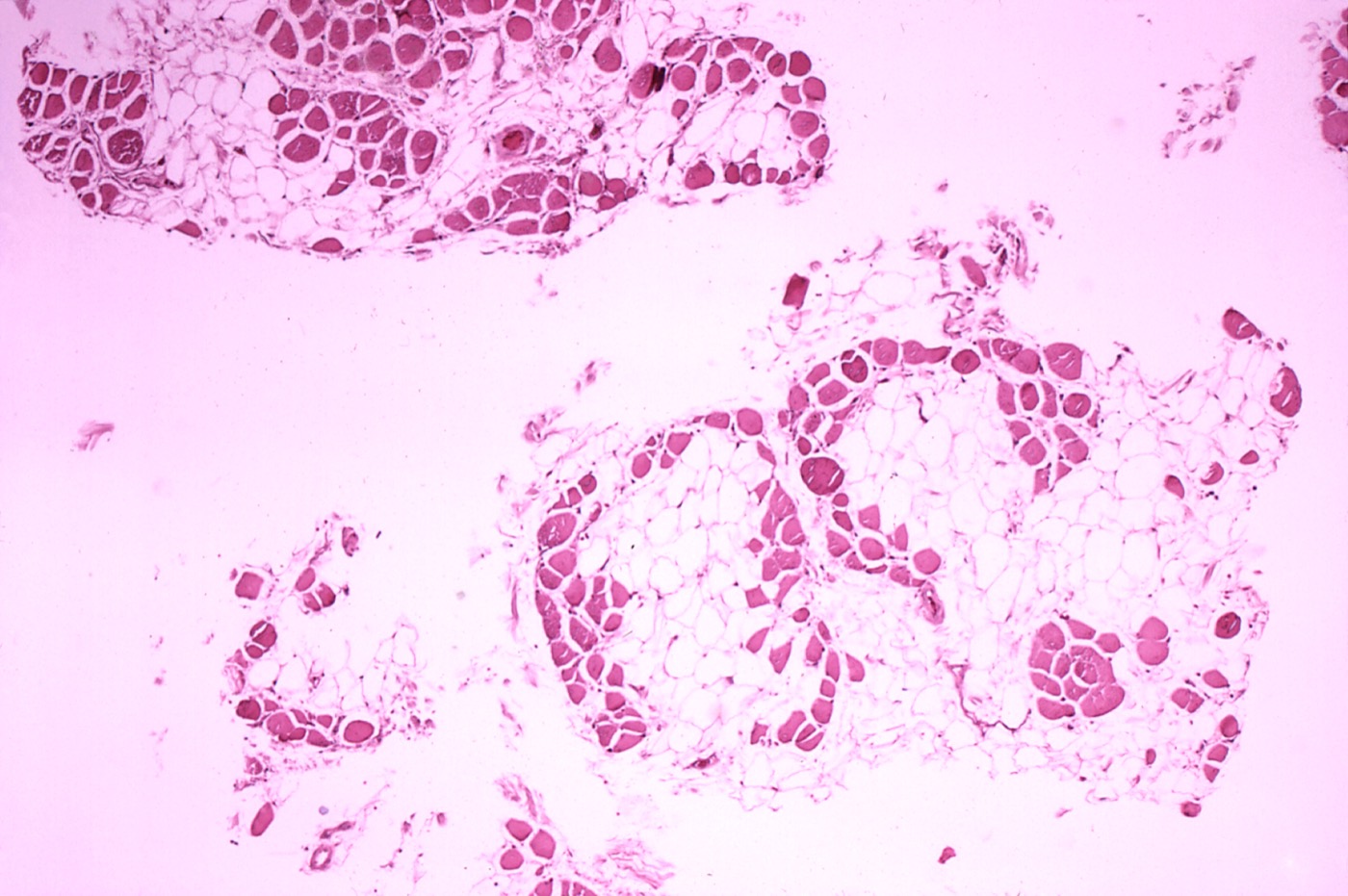 Duchenne Muscular DystrophyMuscular disease
Dr. Edwin P. Ewing, Jr. · Public domain
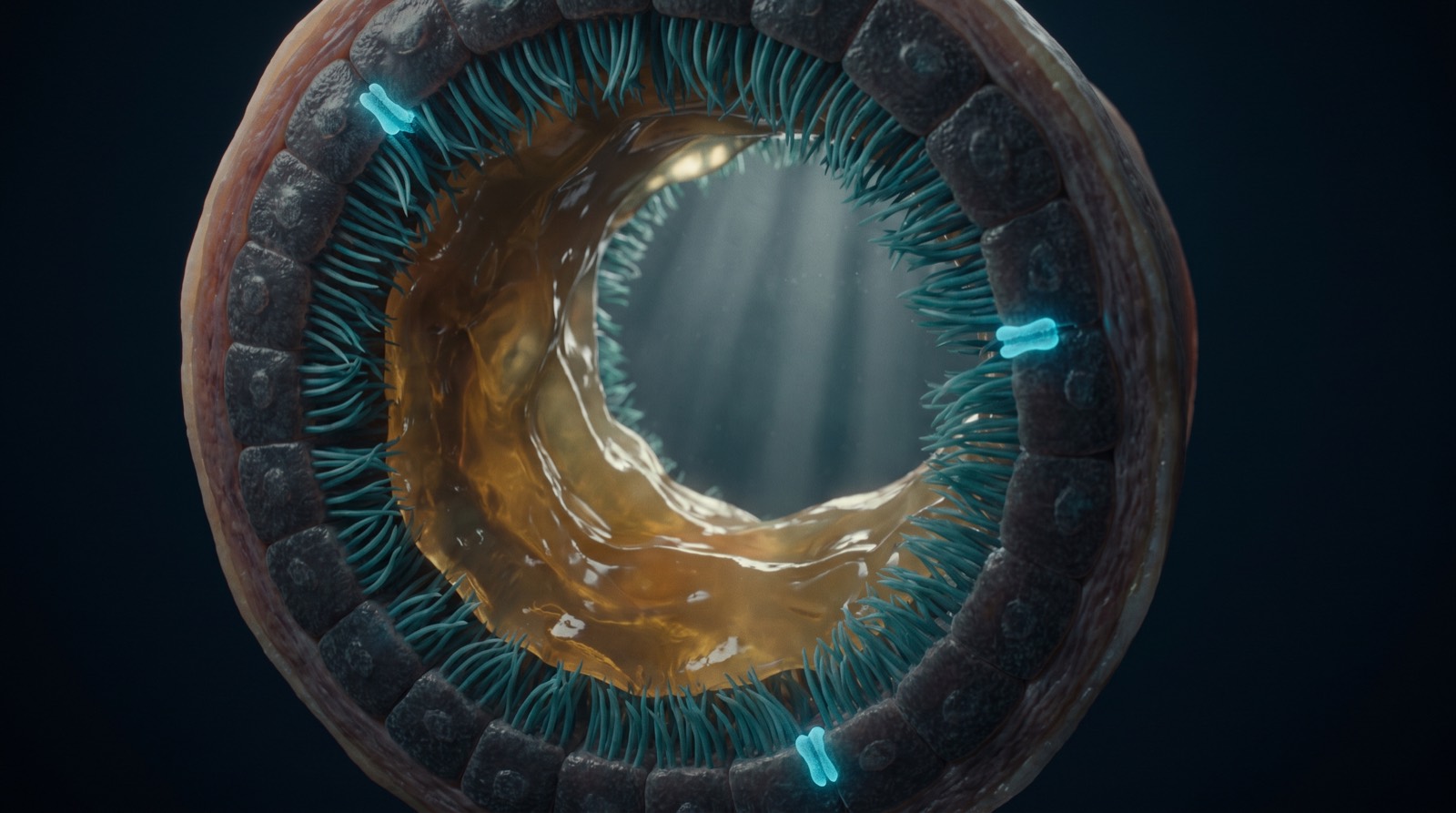 Cystic FibrosisRare genetic disease
العلاجات
أدوية مُسمَّاة، مع ذكر الوضع التنظيمي في كل سجل.
الأدوية المعتمدة في CRISPR Decoded: Casgevy (exagamglogene autotemcel) · Lyfgenia (lovotibeglogene autotemcel) · Zynteglo (betibeglogene autotemcel)
التجارب السريرية
أين تُصنع الأدلة فعلًا.
شركات جديرة بالمعرفة
من يبني ماذا، وما مدى التقدم في كل برنامج.
علماء غيّروا مسار هذا المجال
ما أسهم به كل شخص فعلًا،تحديد الفضل في هذا المجال أمر خلافي، ونحن نوضح ذلك.
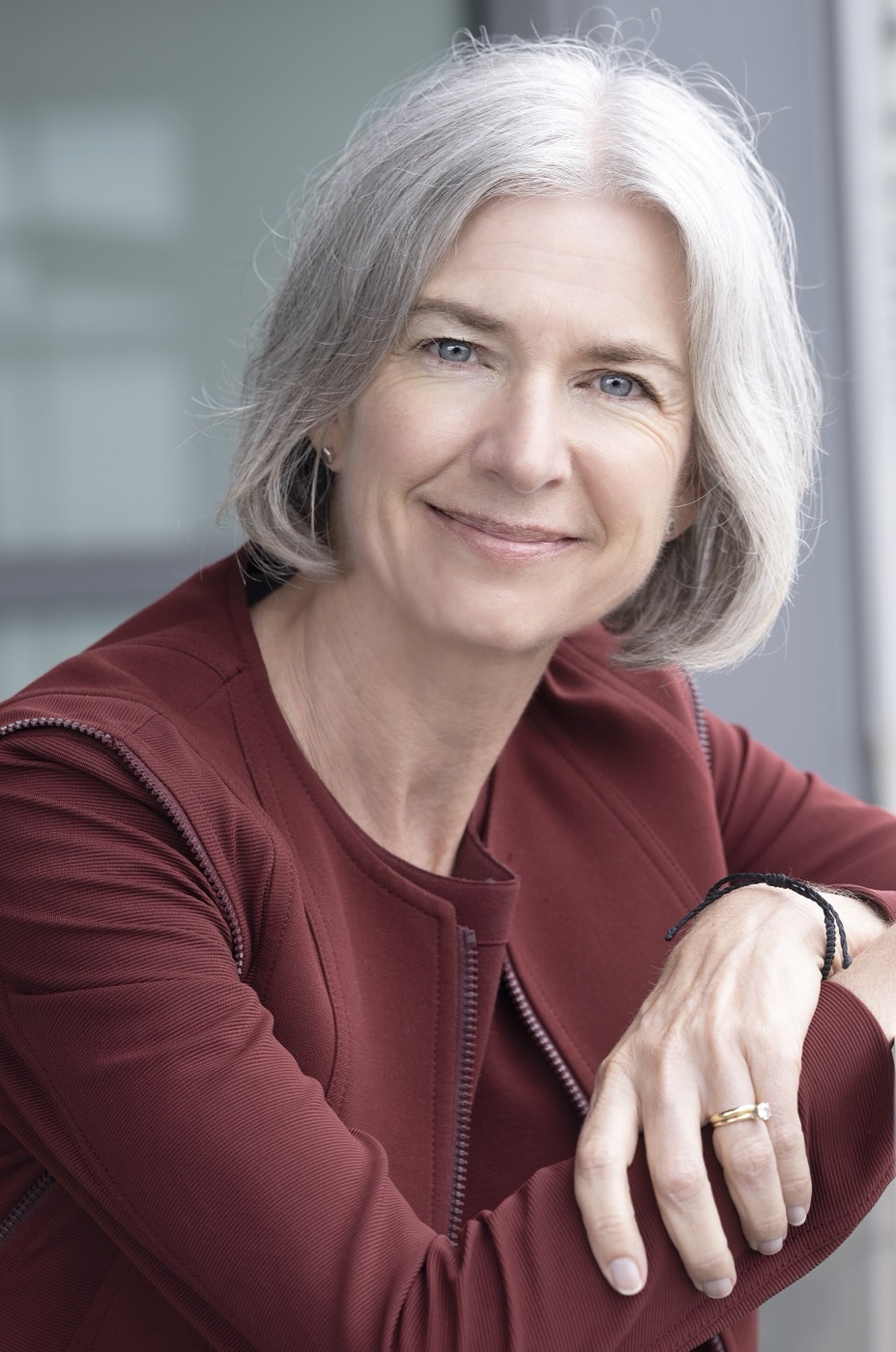 Jennifer DoudnaStructural biochemist who, with Emmanuelle Charpentier, showed that Cas9 could be programmed with a single guide RNA to cut chosen DNA, and shared the 2020 Nobel Prize in Chemistry for it.
Christopher Michel · CC BY-SA 4.0
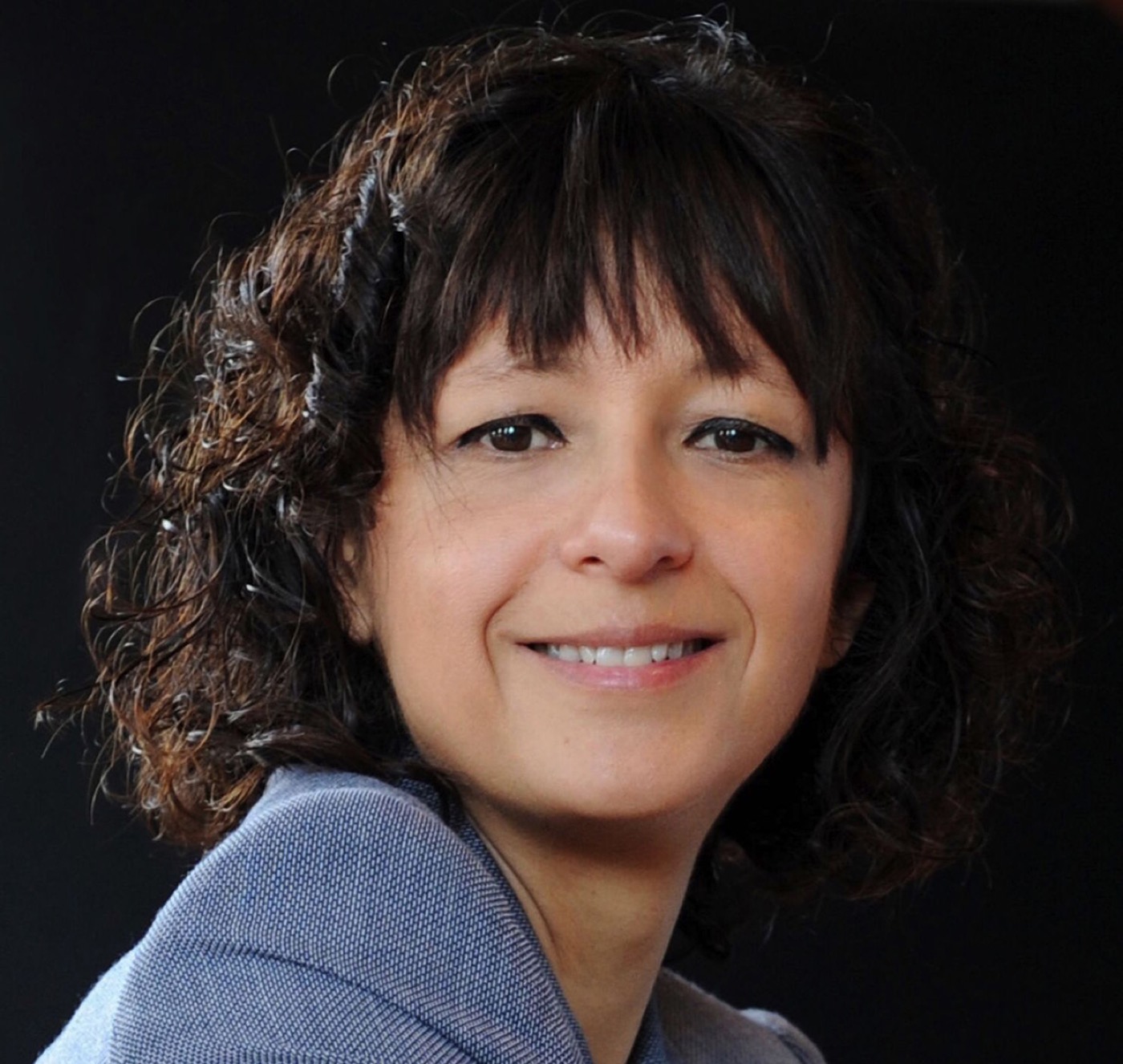 Emmanuelle CharpentierMicrobiologist who discovered tracrRNA, the missing component of the CRISPR-Cas9 system, and shared the 2020 Nobel Prize in Chemistry with Jennifer Doudna.
Bianca Fioretti, Hallbauer & Fioretti · CC BY-SA 4.0
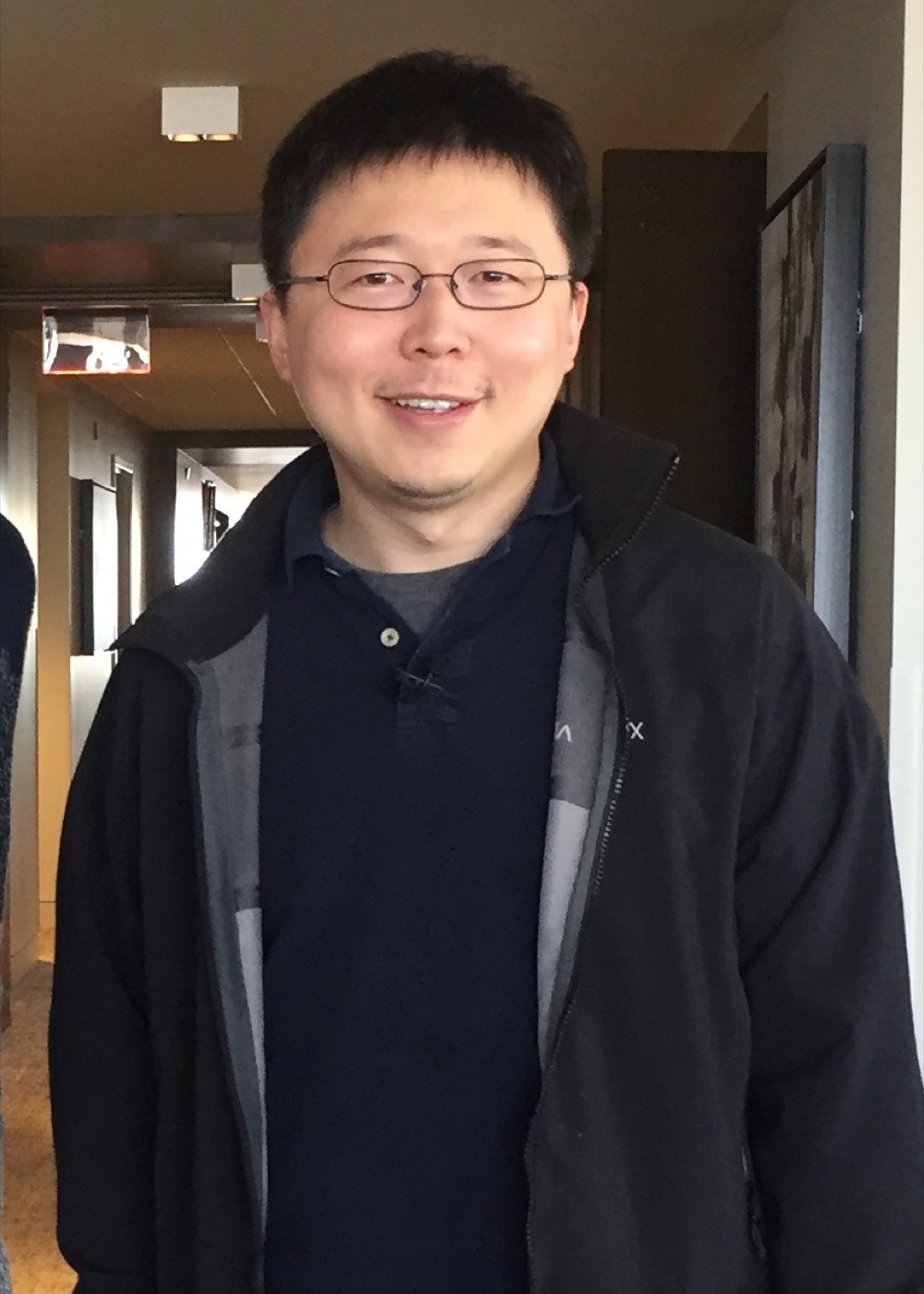 Feng ZhangBioengineer who led one of the first demonstrations of CRISPR genome editing in human cells and discovered several new CRISPR systems including Cas12a and Cas13.
PuppyEggs · CC BY-SA 4.0
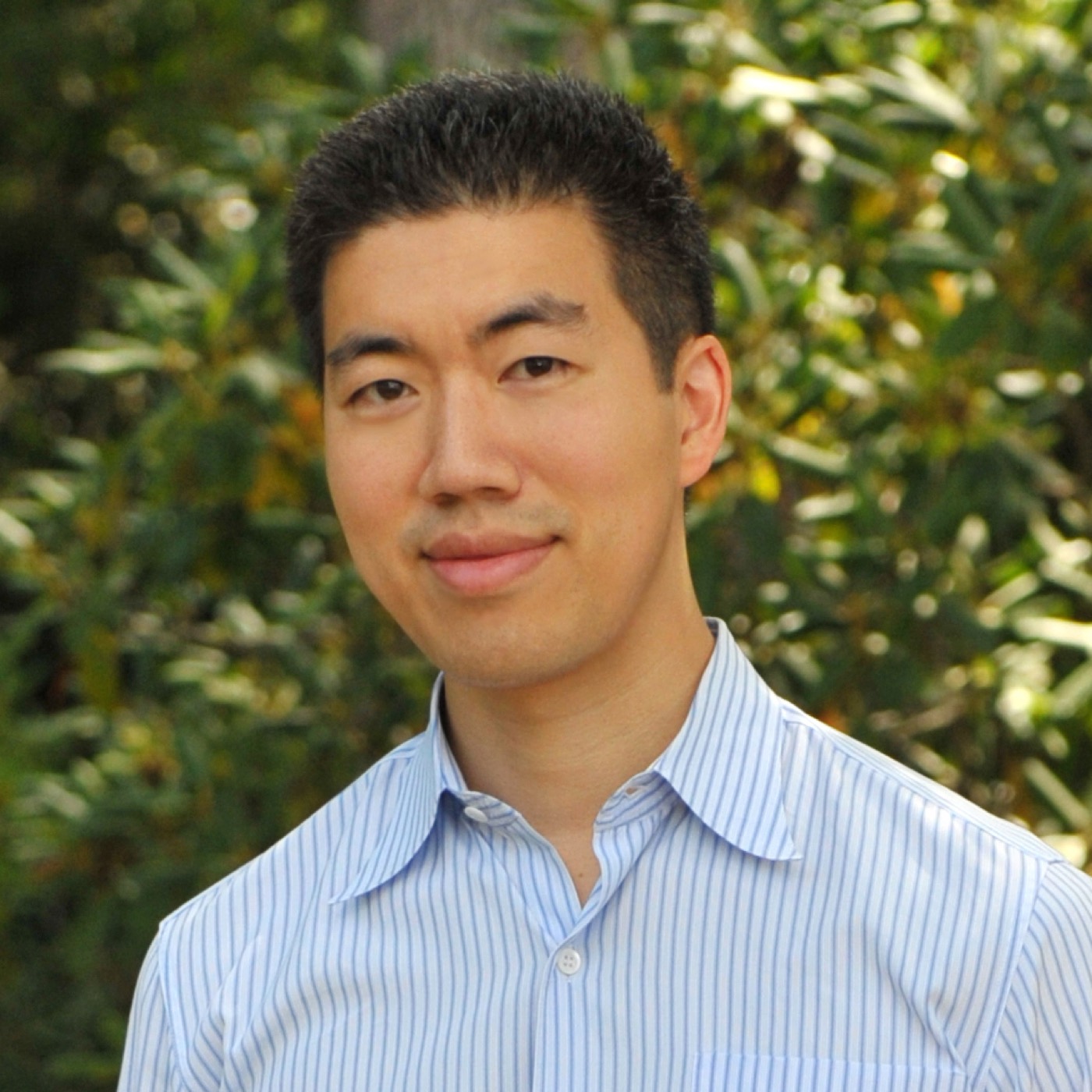 David LiuChemical biologist whose laboratory invented base editing and prime editing, the two techniques that changed gene editing from cutting to writing.
ServiceAT · CC BY-SA 4.0
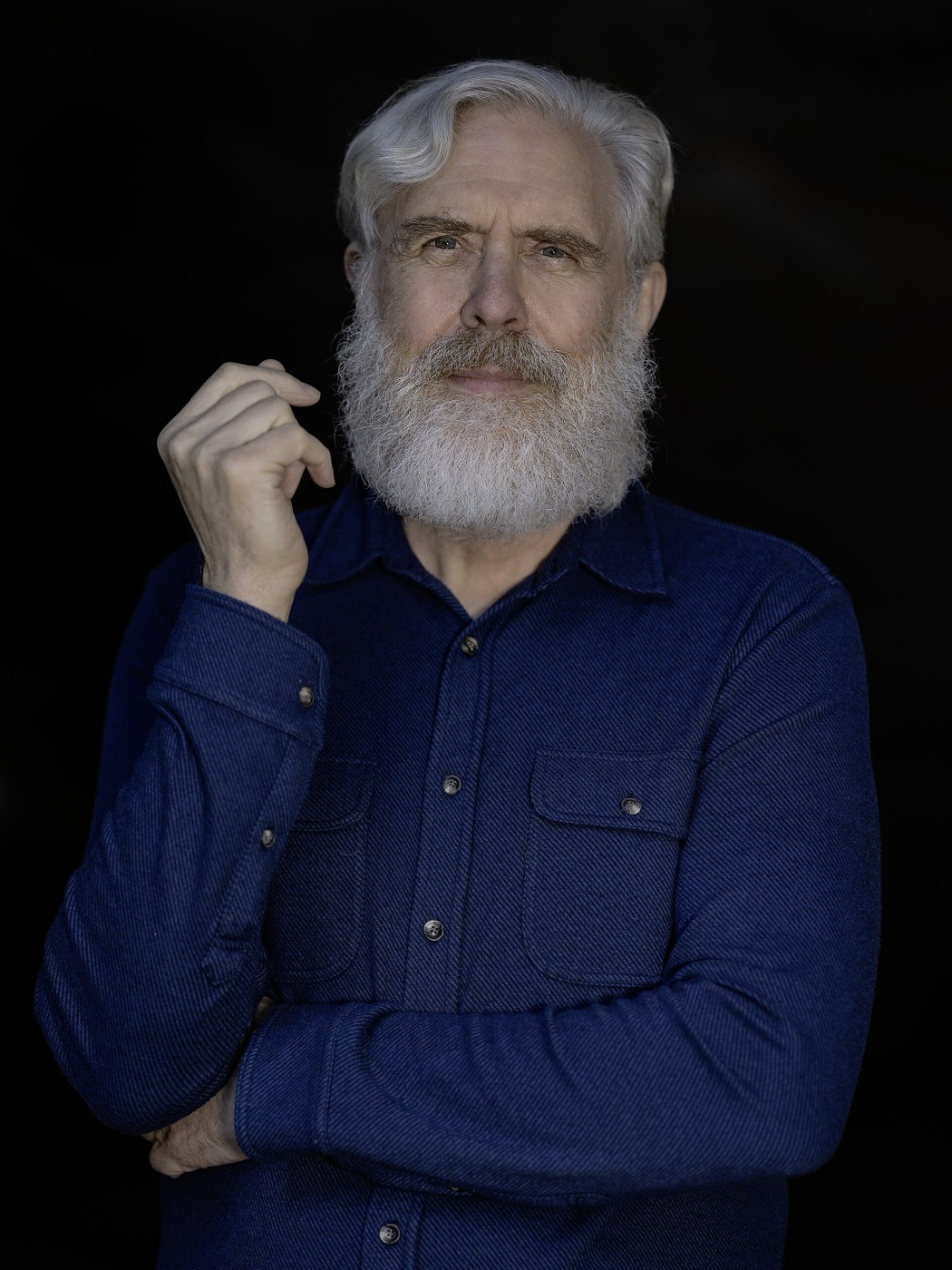 George ChurchGeneticist whose laboratory independently demonstrated CRISPR editing in human cells in 2013, and a founder of an unusually large number of genomics companies.
Christopher Michel · CC BY-SA 4.0
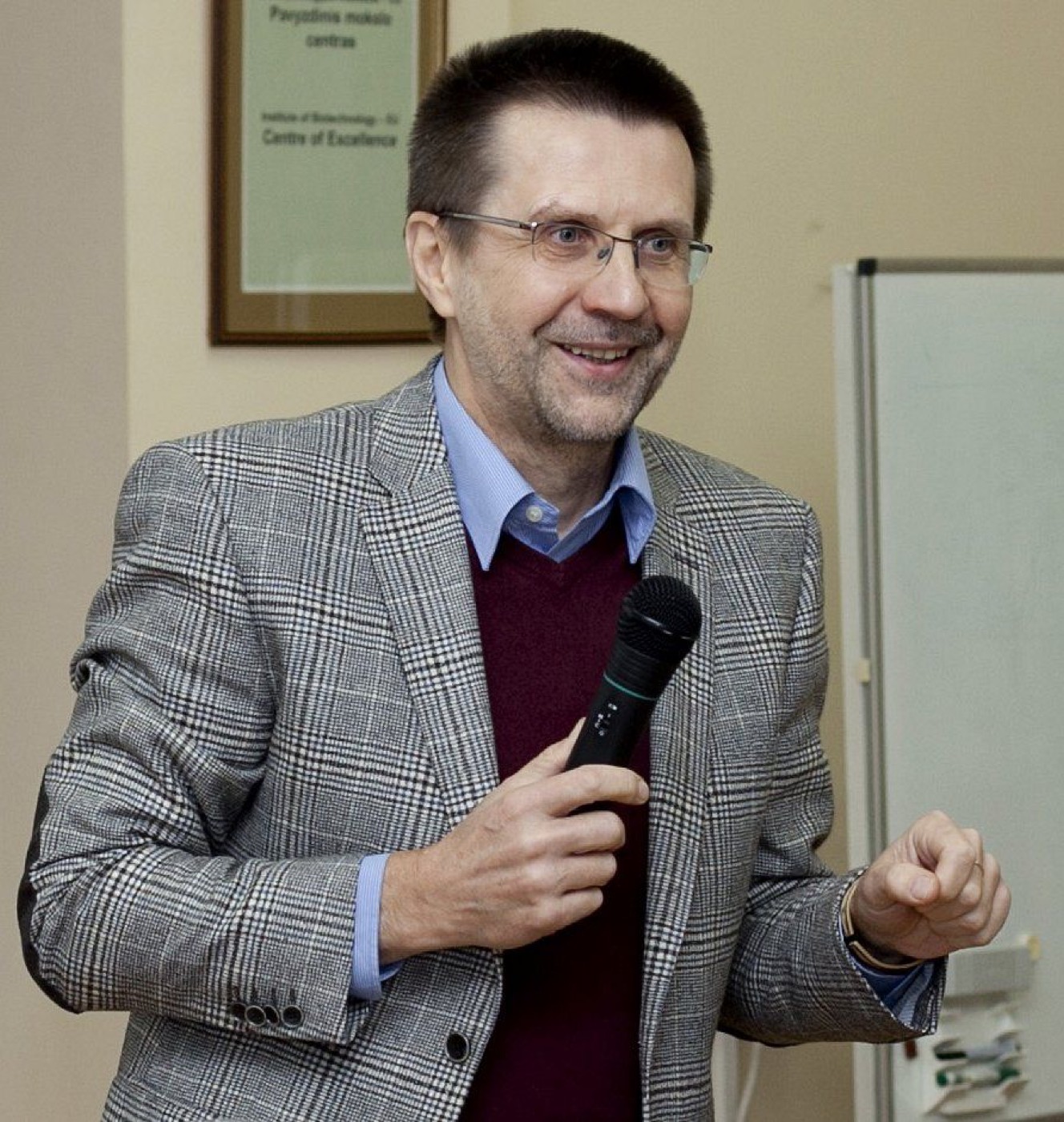 Virginijus ŠikšnysLithuanian biochemist who independently showed that Cas9 could be programmed to cut DNA, publishing in 2012, and whose contribution is often omitted from popular accounts.
Gie2016 · CC BY-SA 4.0
آخر أخبار تحرير الجينات
مقالات حقيقية من ناشرين معروفين. كل عنوان يرتبط بالمصدر الأصلي،نحن لا نُعيد صياغة المقالات أو نُعيد نشرها.
 Rice plants can fight off devastating disease after gene editing with AI-designed tool
University of Missouri researchers have created rice plants that resist bacterial blight, a devastating disease that threatens one of the world's most…
 STAT+: After two deaths in autoimmune cell therapy trial, Artiva is shutting down
Recent deaths are setbacks in drug companies’ interest in applying cancer therapy strategies to autoimmune diseases.
Bonjour Genomics: A Video from ASHG
GEN editors Uduak Thomas and Julianna LeMieux, PhD, recap ASHG, highlighting key sessions, Ultima Genomics’ user group meeting, Illumina news, and…
Artiva to wind down after two patient deaths in autoimmune cell therapy trials
Cell therapy biotech Artiva Biotherapeutics abruptly announced Tuesday morning that it is effectively shutting down and laying off almost all of its staff…
Outpace ends an ovarian cancer trial; Incyte data impresses at ESMO
Plus news about Genmab, Rumi, Prana and Fractyl. Outpace Bio ends cell therapy trial: The Seattle startup canned a Phase 1 ovarian cancer trial of its…
 STAT+: Nonprofit resurrects shelved gene therapy after startup shuts down
Last year, U.K. gene therapy startup Bloomsbury Genetic Therapies announced it was shutting down after dosing just one patient. Now, a nonprofit is…
Spatial Proteomics for Precision Oncology
In this GEN webinar, Bernd Bodenmiller, PhD (University of Zürich), illustrates this integrated approach through two recent examples. The post Spatial…
CRISPR موضّحة
ابدأ من الصفر تماماً. لا تحتاج إلى خلفية في علم الأحياء.