El CRISPR Decoded
Scientists
The researchers whose work created the field, and what each of them actually contributed.
12 scientists in CRISPR Decoded. Credit in this field is genuinely contested; where attribution is disputed, the pages say so rather than picking a winner.
12 mostrados
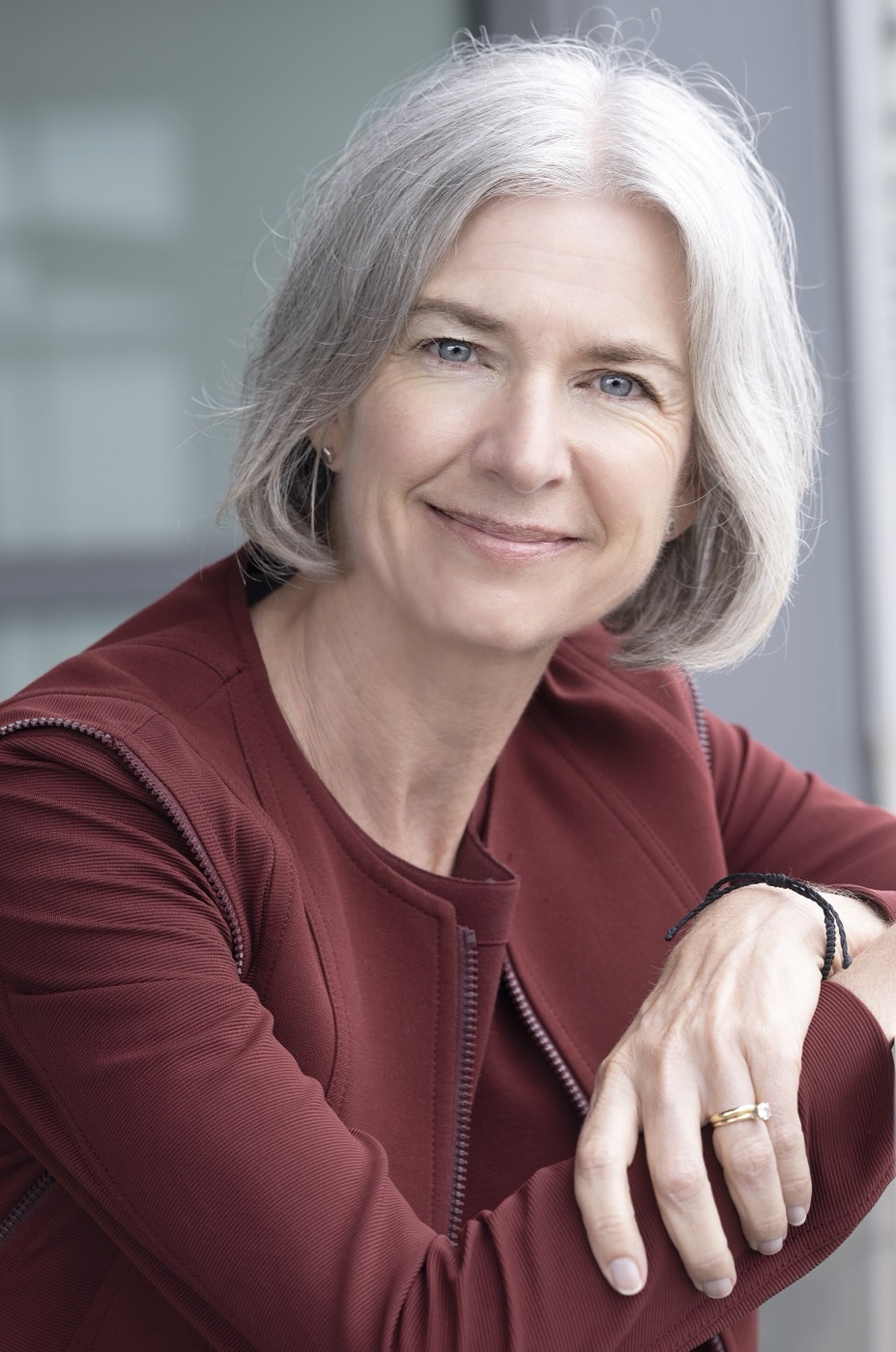 University of California, Berkeley
Jennifer DoudnaStructural biochemist who, with Emmanuelle Charpentier, showed that Cas9 could be programmed with a single…
Christopher Michel · CC BY-SA 4.0
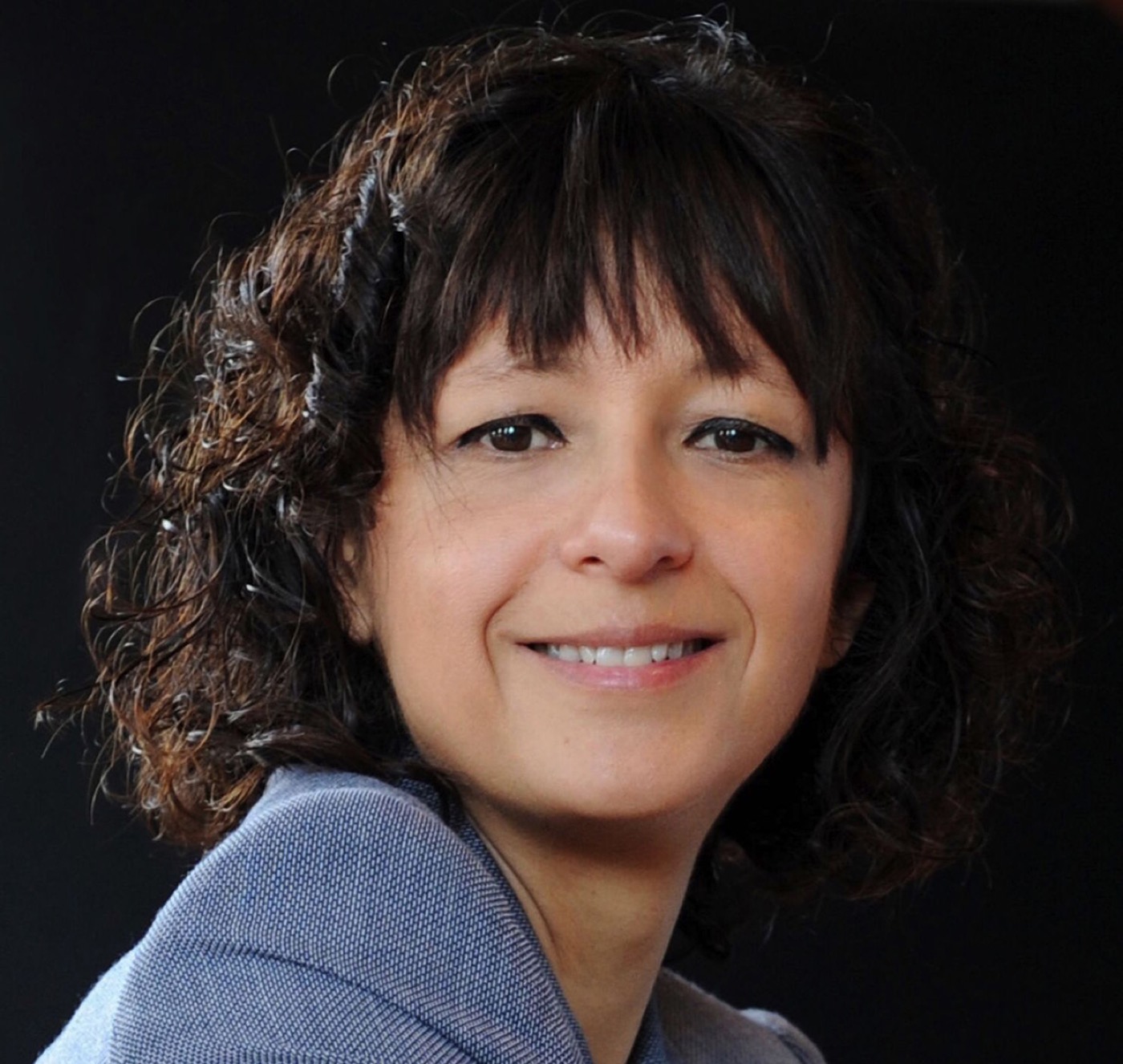 Max Planck Unit for the Science of Pathogens
Emmanuelle CharpentierMicrobiologist who discovered tracrRNA, the missing component of the CRISPR-Cas9 system, and shared the 2020…
Bianca Fioretti, Hallbauer & Fioretti · CC BY-SA 4.0
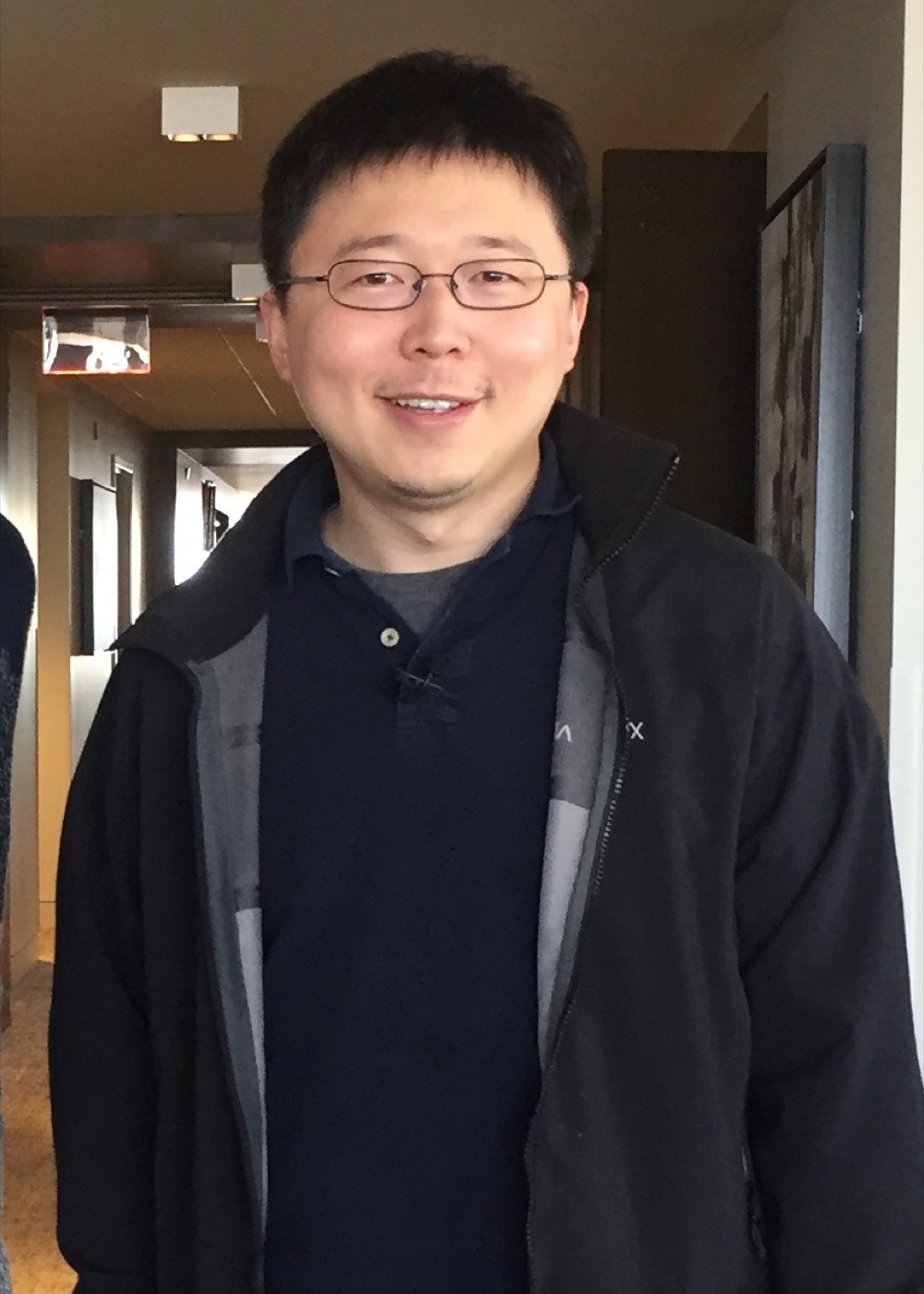 Broad Institute of MIT and Harvard
Feng ZhangBioengineer who led one of the first demonstrations of CRISPR genome editing in human cells and discovered…
PuppyEggs · CC BY-SA 4.0
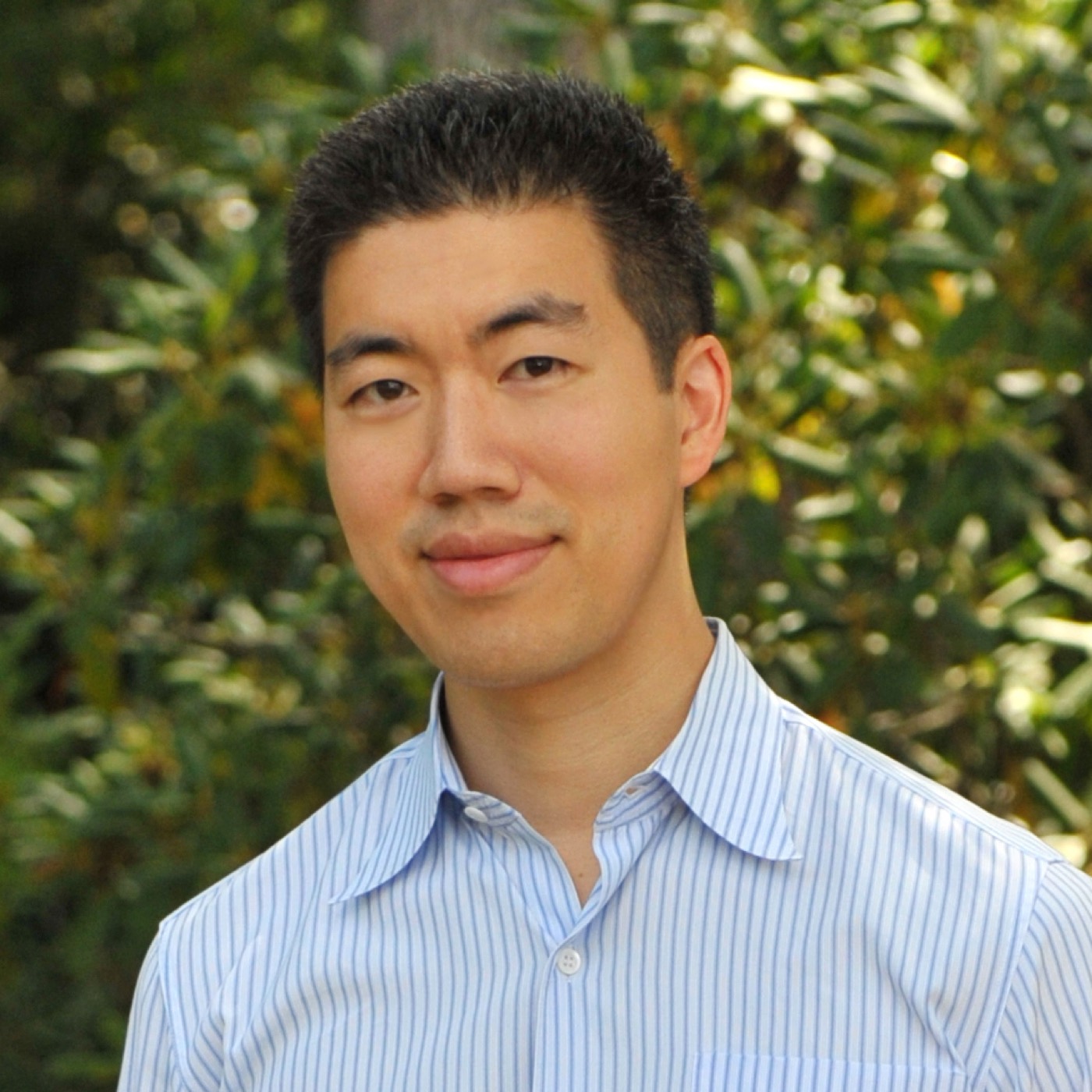 Broad Institute of MIT and Harvard
David LiuChemical biologist whose laboratory invented base editing and prime editing, the two techniques that changed…
ServiceAT · CC BY-SA 4.0
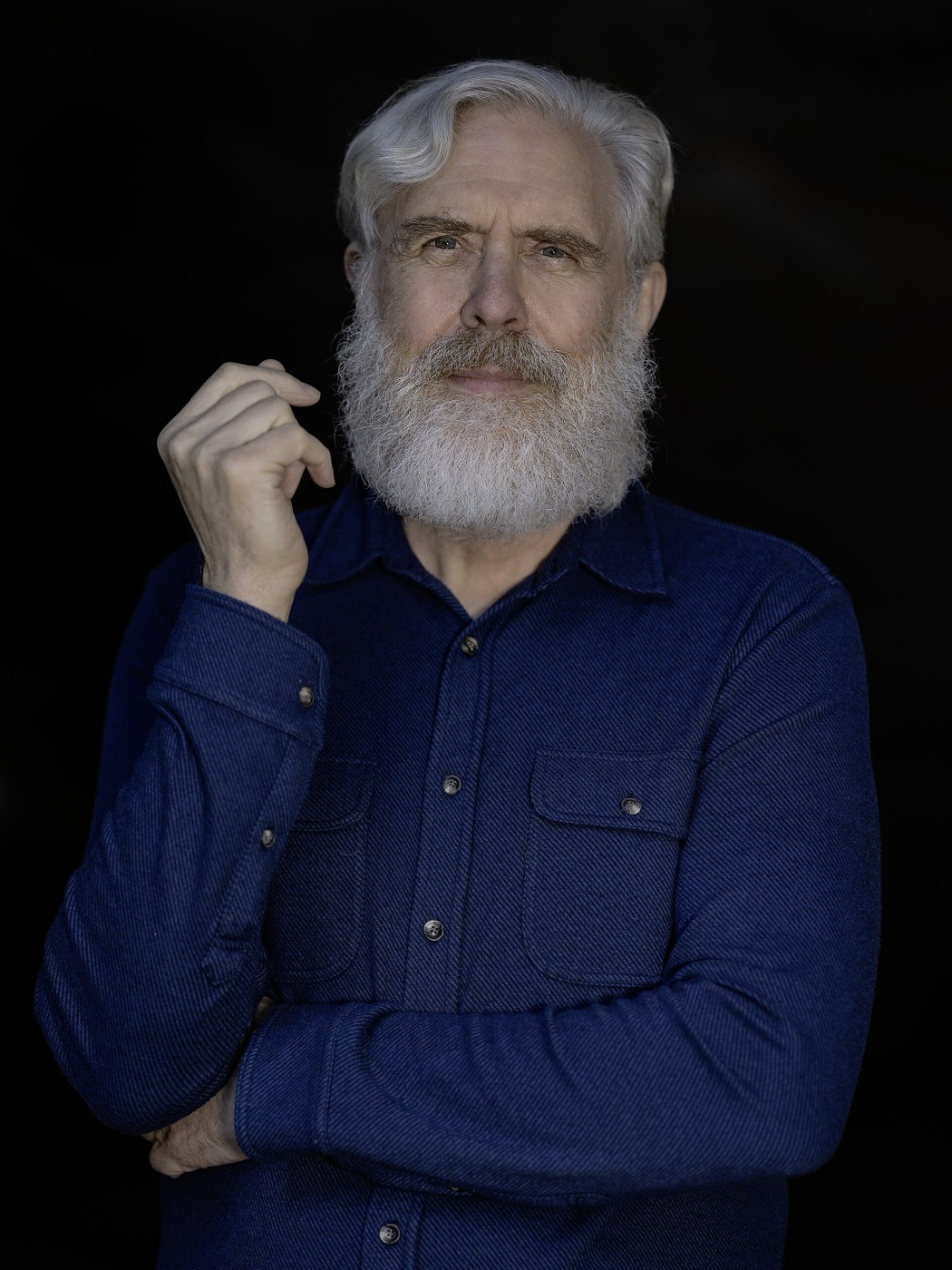 Harvard Medical School
George ChurchGeneticist whose laboratory independently demonstrated CRISPR editing in human cells in 2013, and a founder…
Christopher Michel · CC BY-SA 4.0
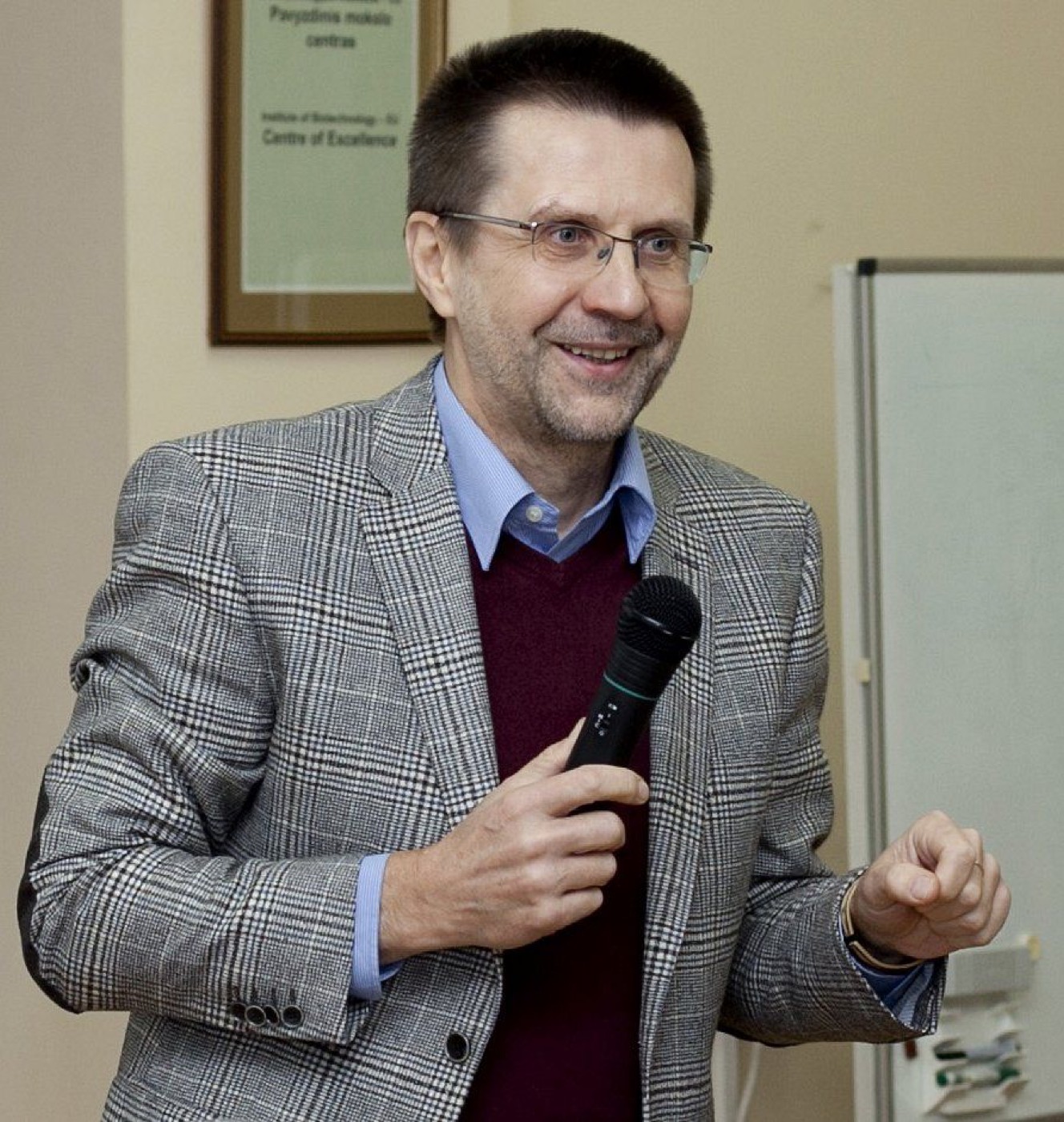 Vilnius University
Virginijus ŠikšnysLithuanian biochemist who independently showed that Cas9 could be programmed to cut DNA, publishing in 2012…
Gie2016 · CC BY-SA 4.0
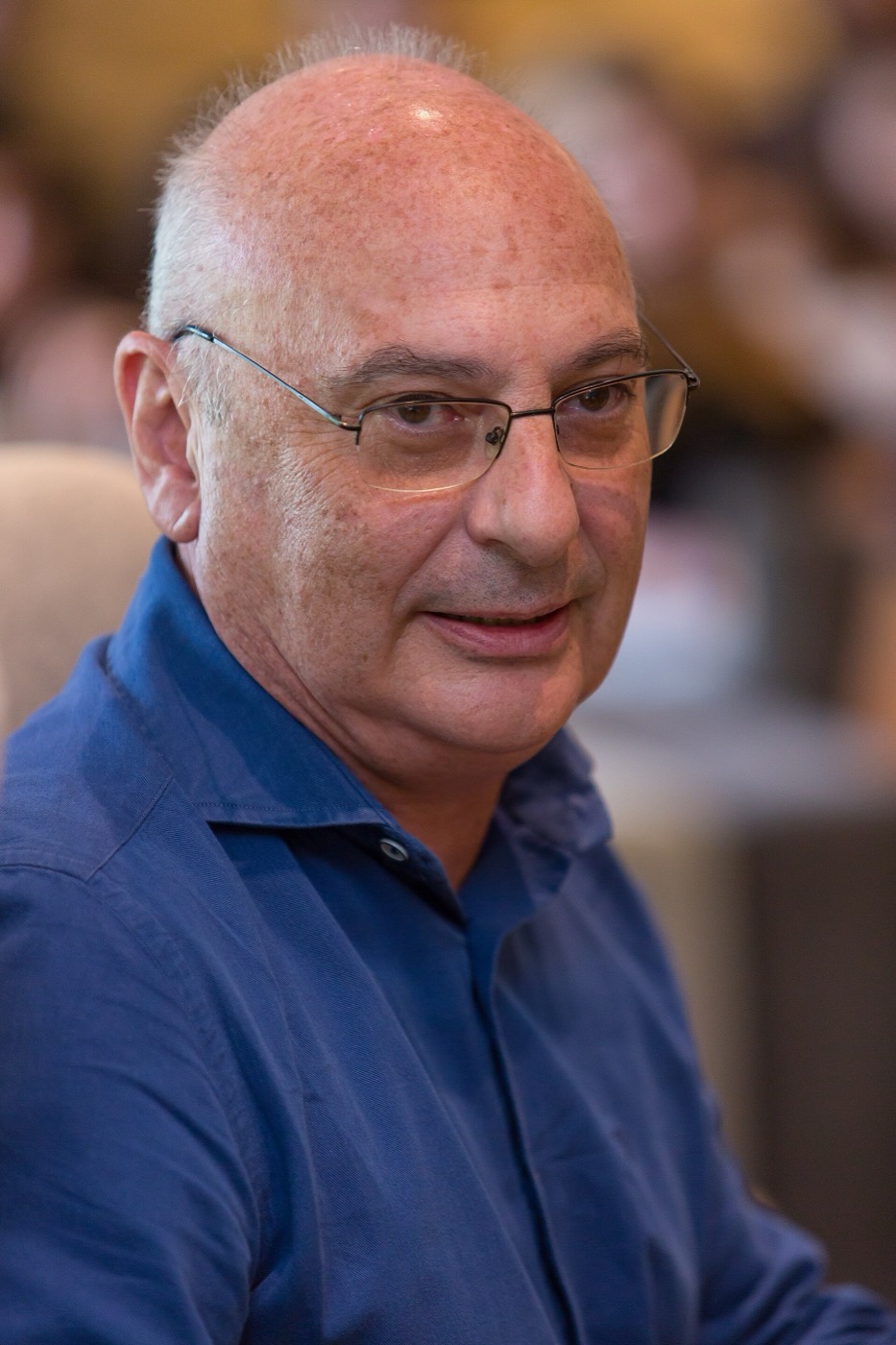 University of Alicante
Francisco MojicaMicrobiologist who recognised what CRISPR sequences actually were, and who gave the system its name.
Manuel Castells · CC BY-SA 2.0
 North Carolina State University
Rodolphe BarrangouFood scientist who, with colleagues at a yogurt company, provided the first experimental proof that CRISPR is…
 University of California, Berkeley
Fyodor UrnovCoined the term 'genome editing', worked on zinc finger nucleases before CRISPR, and now campaigns on the…
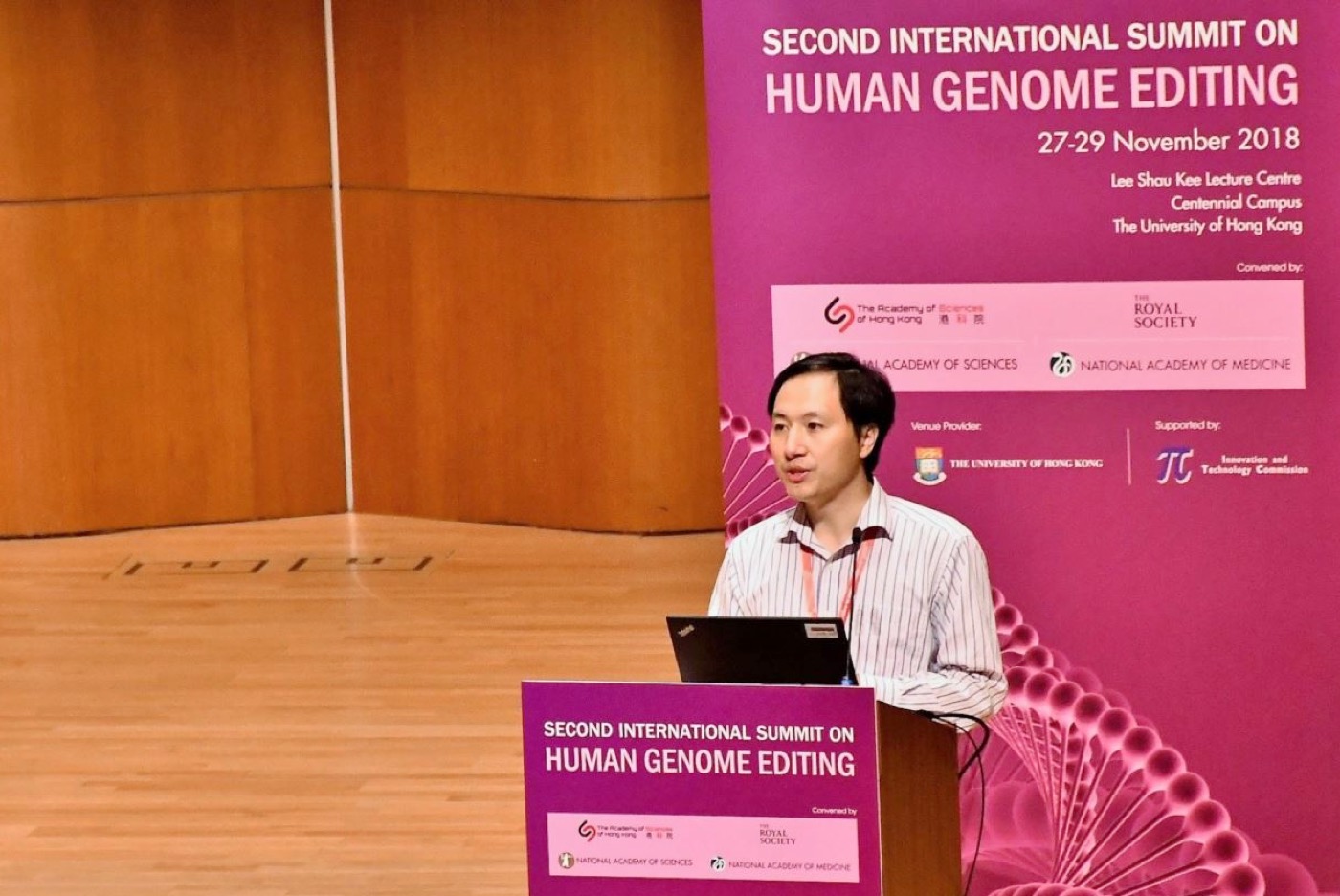 Formerly Southern University of Science and Technology
He JiankuiThe scientist who edited human embryos and brought about the birth of gene-edited children in 2018, an act…
VOA · Public domain
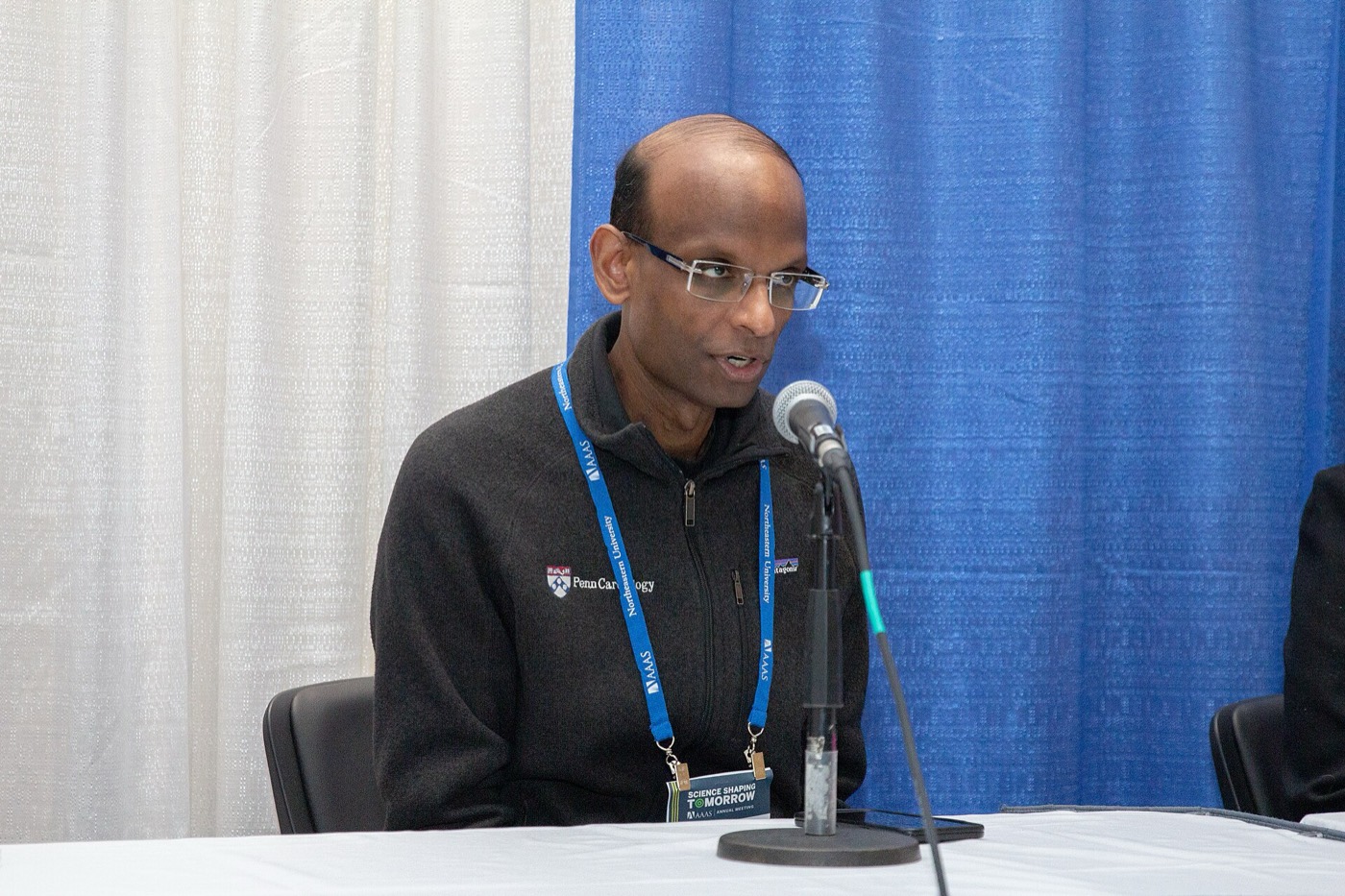 University of Pennsylvania
Kiran MusunuruCardiologist and geneticist who co-led the first bespoke base-editing treatment designed for a single patient.
John Sears · CC BY-SA 4.0
 Prime Medicine
Andrew AnzaloneFirst author of the 2019 paper introducing prime editing, conceived while a postdoctoral researcher in David…
Los retratos son fotografías con licencia de Wikimedia Commons, con crédito en cada tarjeta y página. Cuando no existe una fotografía con licencia adecuada, la tarjeta muestra una ilustración abstracta. CRISPR Decoded nunca publica imágenes generadas por IA de personas reales.
Nada coincide con ese filtro. Bórralo, o buscar en todo el CRISPR Decoded.