Gen düzenlemenin kapsamlı rehberi.
Menü
Ana Sayfa Öğren Haberler Atlas'a Sor
Keşfet Teknolojiler Hastalıklar Tedaviler Klinik Araştırmalar Şirketler Bilim insanları Genler Araştırma Kurumlar
Tıbbın ötesinde Tarım Etik Yatırım Dünya haritası
Öğren ve Araçlar Buradan başlayın Sözlük A–Z Teknolojileri karşılaştır Zaman çizelgesi Listeler ve Sıralamalar Yapay Zeka Ajanları ★ Kaydedildi API
Hakkında Hakkımızda Yöntem Veri Kaynakları Yayın Politikası İletişim Yasal Uyarılar

🧭 Rehberli Görünüm
Genetiğe yeni misiniz? Gezinirken her terimi sade bir dille açıklıyoruz. Aynı sayfalar, yardım da dahil.

⚡ Uzman Görüşü
Biyolojiyi zaten biliyorsunuz. Sadece içerik — sade ve özlü, fazladan açıklama yok. Bu varsayılan görünümdür.

Arayüz dili
Açık mod

Disease · Neurological disease

Parkinson's Disease

A common neurodegenerative disease that is mostly not genetic — which makes it a poor fit for gene editing and a good illustration of why.

Discovery braincomplex genetics
Laboratory research Demonstrated in the laboratory. There is no treatment in or near the clinic for this use.

Sade açıklama

Parkinson's disease develops when the brain cells that produce dopamine gradually die, causing tremor, stiffness and slowness of movement. For the great majority of people there is no single faulty gene to correct: the disease emerges from a mix of many small genetic influences, age and environment. Gene editing is a tool for changing specific sequences, and where no specific sequence is responsible it has very little to work with.

Daha derine in

Most Parkinson's disease is idiopathic and polygenic. A minority of cases involve variants in LRRK2, GBA1, SNCA, PRKN or PINK1, and those subgroups are where sequence-targeted approaches are conceivable. Gene editing is mainly used in Parkinson's research to build isogenic cell models — introducing or correcting a variant in otherwise identical stem cells to establish what it actually does. Cell-replacement therapies using stem-cell-derived dopaminergic neurons are in trials, but that is cell therapy rather than editing.

Why this page says no rather than soon

It would be easy to write an optimistic page here, because Parkinson's is common and gene editing is powerful. That would be misleading. Editing needs a target sequence whose change causes the disease. For most Parkinson's there is no such sequence. The honest statement is that editing is a research tool in Parkinson's today, and that the therapeutic work worth watching is cell replacement, which is a different technology.

Why this page says no rather than soon
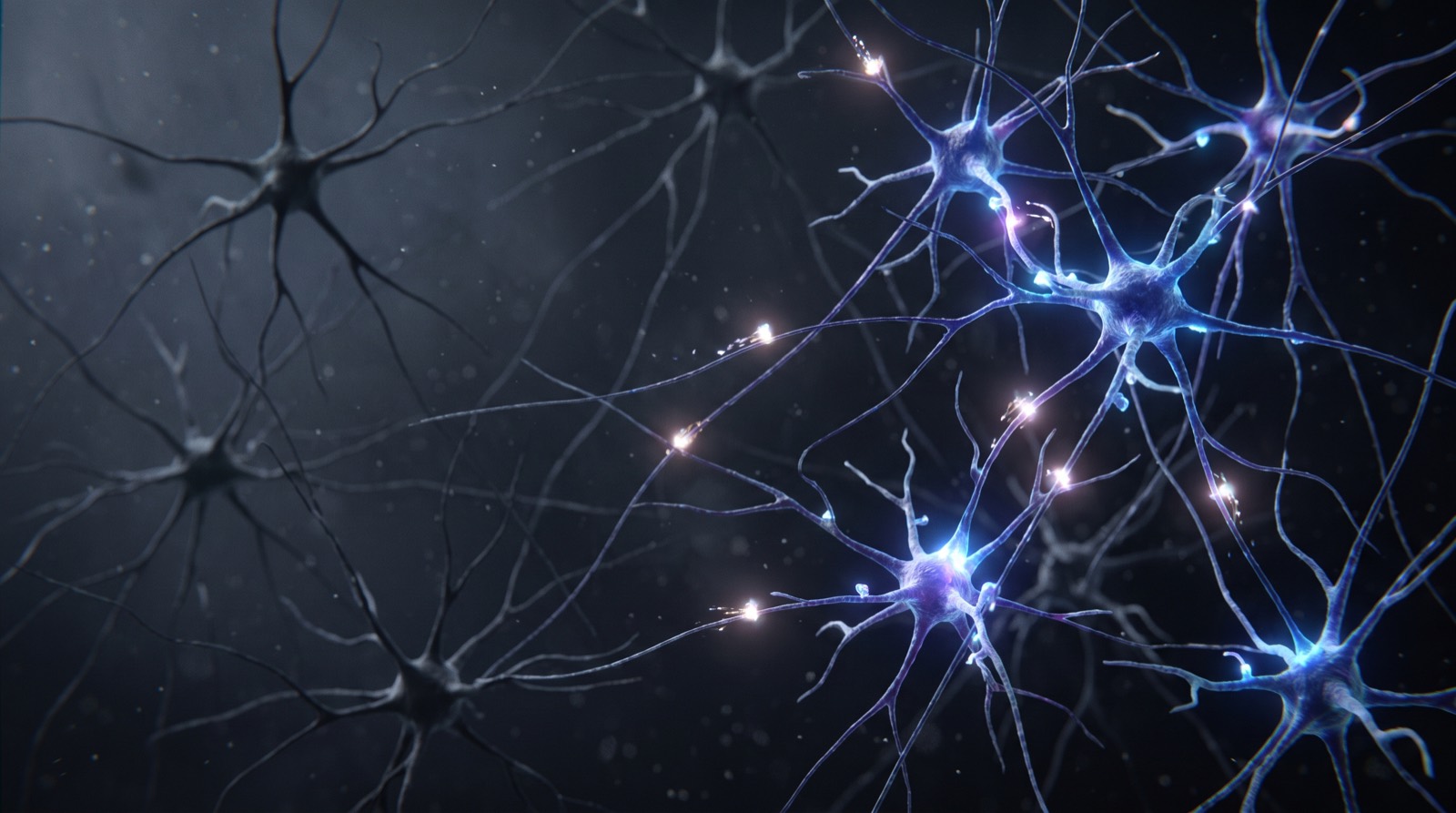
Dopamine-producing neurons, some active and some lost. Illustration generated for The CRISPR Atlas — a visual aid, not a photograph or a literal depiction of molecular structure.

Sources

Connected in the Atlas

Every entry on this site is linked to the others it relates to. These connections are part of the record, not a search result.

Yalnızca eğitim amaçlı bilgi Bu sayfa bir referans kaynağıdır, tıbbi tavsiye değildir. Araştırma ve düzenleyici onay durumları değişebilir; yukarıdaki son güncelleme tarihini kontrol edin ve önemli bilgileri listelenen birincil kaynaklardan doğrulayın.