Исчерпывающий путеводитель по редактированию генов.
Меню
Главная Учиться Новости Спросить Atlas
Изучить Технологии Заболевания Методы лечения Клинические исследования Компании Учёные Гены Исследования Учреждения
За пределами медицины Сельское хозяйство Этика Инвестирование Карта мира
Обучение и инструменты Начните здесь Глоссарий А–Я Сравнить технологии Хронология Списки и рейтинги ИИ-агенты ★ Сохранено API
О нас О нас Методология Источники данных Редакционная политика Контакты Отказ от ответственности

🧭 Режим с подсказками
Впервые в генетике? Мы объясняем каждый термин прямо в процессе просмотра, простым языком. Те же страницы — со встроенной подсказкой.

⚡ Взгляд эксперта
Биология вам уже знакома. Только содержание — чисто и компактно, без лишних пояснений. Это вид по умолчанию.

Язык интерфейса
Светлый режим

Disease · Neurological disease

Parkinson's Disease

A common neurodegenerative disease that is mostly not genetic — which makes it a poor fit for gene editing and a good illustration of why.

Discovery braincomplex genetics
Laboratory research Demonstrated in the laboratory. There is no treatment in or near the clinic for this use.

Простое объяснение

Parkinson's disease develops when the brain cells that produce dopamine gradually die, causing tremor, stiffness and slowness of movement. For the great majority of people there is no single faulty gene to correct: the disease emerges from a mix of many small genetic influences, age and environment. Gene editing is a tool for changing specific sequences, and where no specific sequence is responsible it has very little to work with.

Углубиться в тему

Most Parkinson's disease is idiopathic and polygenic. A minority of cases involve variants in LRRK2, GBA1, SNCA, PRKN or PINK1, and those subgroups are where sequence-targeted approaches are conceivable. Gene editing is mainly used in Parkinson's research to build isogenic cell models — introducing or correcting a variant in otherwise identical stem cells to establish what it actually does. Cell-replacement therapies using stem-cell-derived dopaminergic neurons are in trials, but that is cell therapy rather than editing.

Why this page says no rather than soon

It would be easy to write an optimistic page here, because Parkinson's is common and gene editing is powerful. That would be misleading. Editing needs a target sequence whose change causes the disease. For most Parkinson's there is no such sequence. The honest statement is that editing is a research tool in Parkinson's today, and that the therapeutic work worth watching is cell replacement, which is a different technology.

Why this page says no rather than soon
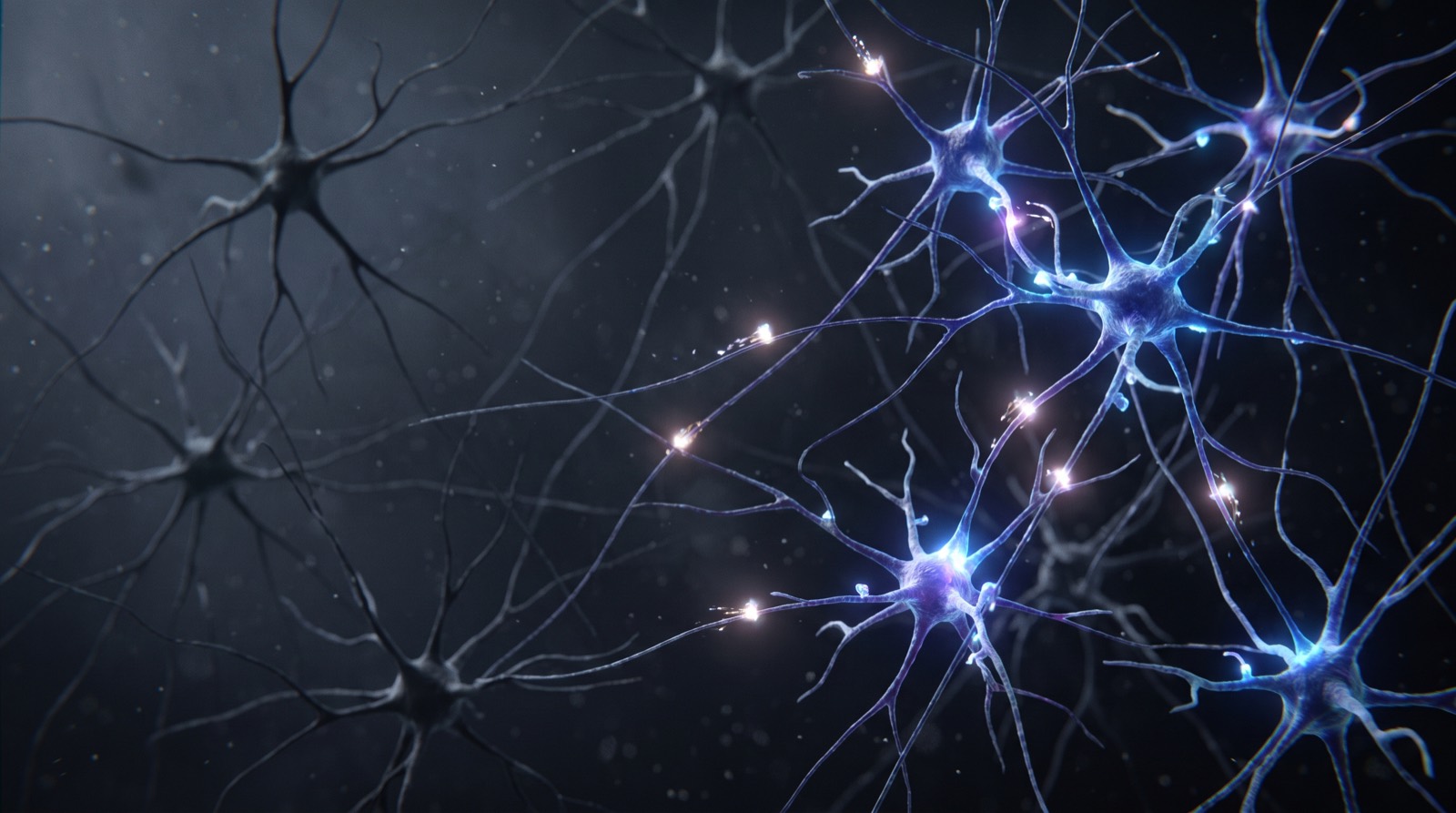
Dopamine-producing neurons, some active and some lost. Illustration generated for The CRISPR Atlas — a visual aid, not a photograph or a literal depiction of molecular structure.

Sources

Connected in the Atlas

Every entry on this site is linked to the others it relates to. These connections are part of the record, not a search result.

Только в образовательных целях Эта страница — справочный материал, а не медицинская консультация. Статусы исследований и регуляторных процессов меняются; проверяйте дату последнего обновления выше и уточняйте всё важное по первичным источникам, указанным на странице.