Panduan definitif tentang penyuntingan gen.
Menu
Beranda Pelajari Berita Tanya Atlas
Jelajahi Teknologi Penyakit Perawatan Uji Klinis Perusahaan Ilmuwan Gen-gen Penelitian Institusi
Di luar dunia medis Pertanian Etika Investasi Peta dunia
Pelajari & Alat Mulai di sini Glosarium A–Z Bandingkan teknologi Linimasa Daftar & Peringkat Agen AI ★ Tersimpan API
Tentang Tentang kami Metodologi Sumber Data Kebijakan Editorial Kontak Penafian

🧭 Tampilan Terpandu
Baru mengenal genetika? Kami menjelaskan setiap istilah saat kamu menjelajah, dalam bahasa yang mudah dipahami. Halaman yang sama, dengan bantuan yang sudah tersedia.

⚡ Pandangan Ahli
Kamu sudah mengenal biologinya. Cukup kontennya — ringkas dan padat, tanpa penjelasan tambahan. Ini adalah tampilan default.

Bahasa antarmuka
Mode terang

Disease · Neurological disease

Parkinson's Disease

A common neurodegenerative disease that is mostly not genetic — which makes it a poor fit for gene editing and a good illustration of why.

Discovery braincomplex genetics
Laboratory research Demonstrated in the laboratory. There is no treatment in or near the clinic for this use.

Penjelasan sederhana

Parkinson's disease develops when the brain cells that produce dopamine gradually die, causing tremor, stiffness and slowness of movement. For the great majority of people there is no single faulty gene to correct: the disease emerges from a mix of many small genetic influences, age and environment. Gene editing is a tool for changing specific sequences, and where no specific sequence is responsible it has very little to work with.

Pelajari lebih dalam

Most Parkinson's disease is idiopathic and polygenic. A minority of cases involve variants in LRRK2, GBA1, SNCA, PRKN or PINK1, and those subgroups are where sequence-targeted approaches are conceivable. Gene editing is mainly used in Parkinson's research to build isogenic cell models — introducing or correcting a variant in otherwise identical stem cells to establish what it actually does. Cell-replacement therapies using stem-cell-derived dopaminergic neurons are in trials, but that is cell therapy rather than editing.

Why this page says no rather than soon

It would be easy to write an optimistic page here, because Parkinson's is common and gene editing is powerful. That would be misleading. Editing needs a target sequence whose change causes the disease. For most Parkinson's there is no such sequence. The honest statement is that editing is a research tool in Parkinson's today, and that the therapeutic work worth watching is cell replacement, which is a different technology.

Why this page says no rather than soon
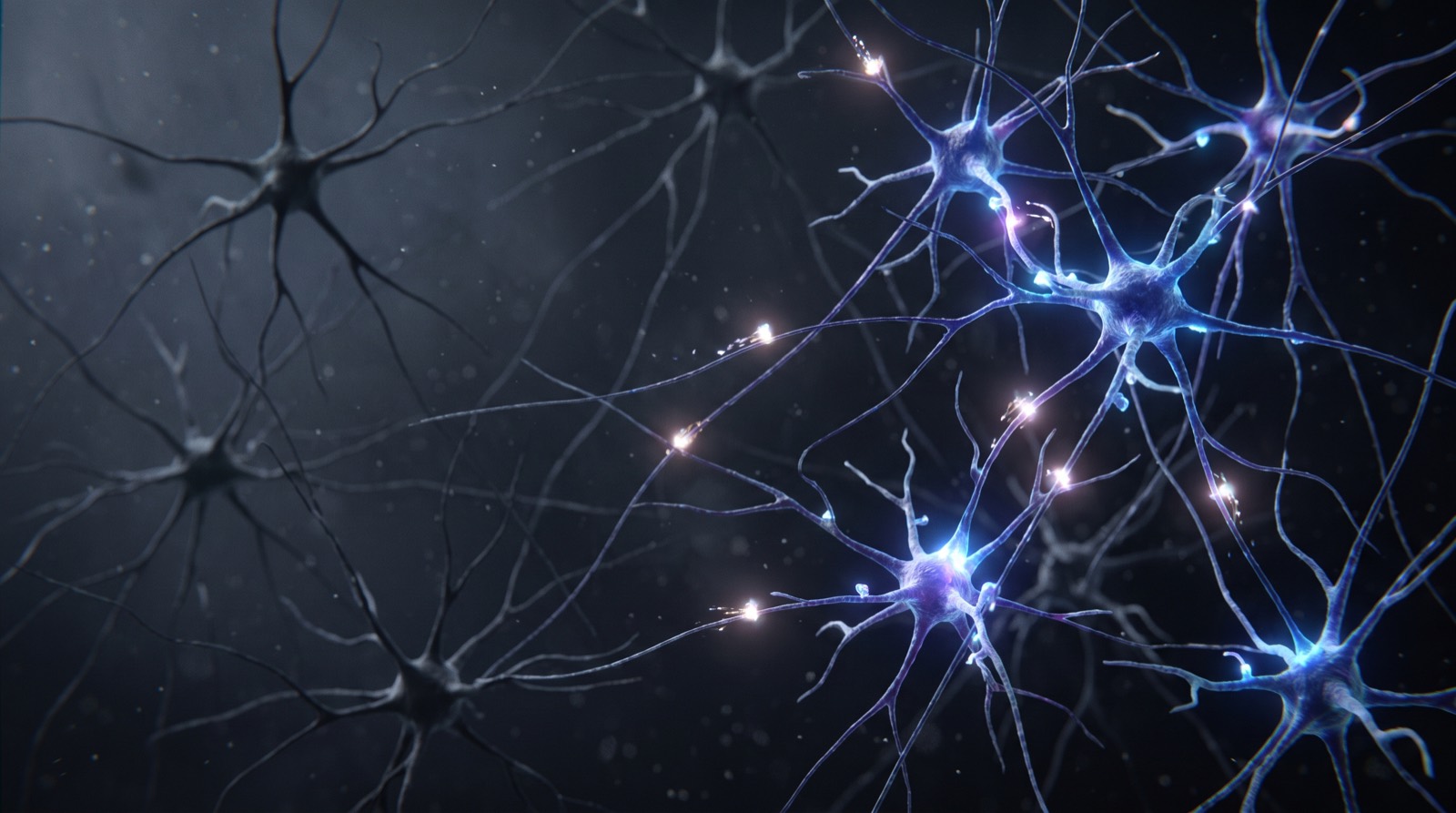
Dopamine-producing neurons, some active and some lost. Illustration generated for The CRISPR Atlas — a visual aid, not a photograph or a literal depiction of molecular structure.

Sources

Connected in the Atlas

Every entry on this site is linked to the others it relates to. These connections are part of the record, not a search result.

Hanya informasi edukatif Halaman ini adalah referensi, bukan nasihat medis. Status riset dan regulasi dapat berubah; periksa tanggal pembaruan terakhir di atas dan konfirmasi hal-hal penting dengan sumber primer yang tercantum.