The definitive guide to gene editing.
Menu
Home Learn News Ask the Atlas
Explore Technologies Diseases Treatments Clinical Trials Companies Scientists Genes Research Institutions
Beyond medicine Agriculture Ethics Investing World map
Learn & Tools Start here Glossary A–Z Compare technologies Timeline Lists & Rankings AI Agents ★ Saved API
About About us Methodology Data Sources Editorial Policy Contact Disclaimers

🧭 Guided View
New to genetics? We explain every term as you browse, in plain English. Same pages, with the help built in.

⚡ Expert View
You already know the biology. Just the content — clean and compact, no extra explanations. This is the default view.

Interface language
Light mode

Disease · Cancer

Leukemia and Lymphoma

Blood cancers, where engineered cell therapy has worked best — and where the first gene-edited cells were given to a patient.

Phase II cell therapyallogeneic
Clinical research Being tested in people in registered clinical trials. Being in trials is not evidence that a treatment works or is safe.

Simple explanation

Blood cancers start in the cells of the bone marrow and blood. They are the cancers where engineered immune cell therapy has worked best, because the cancer cells circulate where the treatment can reach them and carry surface markers the engineered cells can be aimed at. This is also where a gene-edited treatment first saved a life: in 2015, an infant with leukaemia who had run out of options received donor immune cells edited with TALENs.

Go deeper

Haematological malignancies are the leading indication for engineered cell therapy. Editing enables allogeneic products through TRAC knockout (preventing graft-versus-host disease) and B2M or CIITA knockout (delaying host rejection). CD19 and CD7 are common targets; CD7-directed products additionally require editing to prevent fratricide between the engineered cells themselves.

The Layla Richards case

In 2015 clinicians at Great Ormond Street Hospital treated an infant with relapsed acute lymphoblastic leukaemia using TALEN-edited donor T cells, under compassionate use, after conventional treatment failed. She went into remission. It was the first use of gene-edited cells in a patient and it happened years before CRISPR reached the clinic — a reminder that gene editing did not begin with CRISPR.
The Layla Richards case
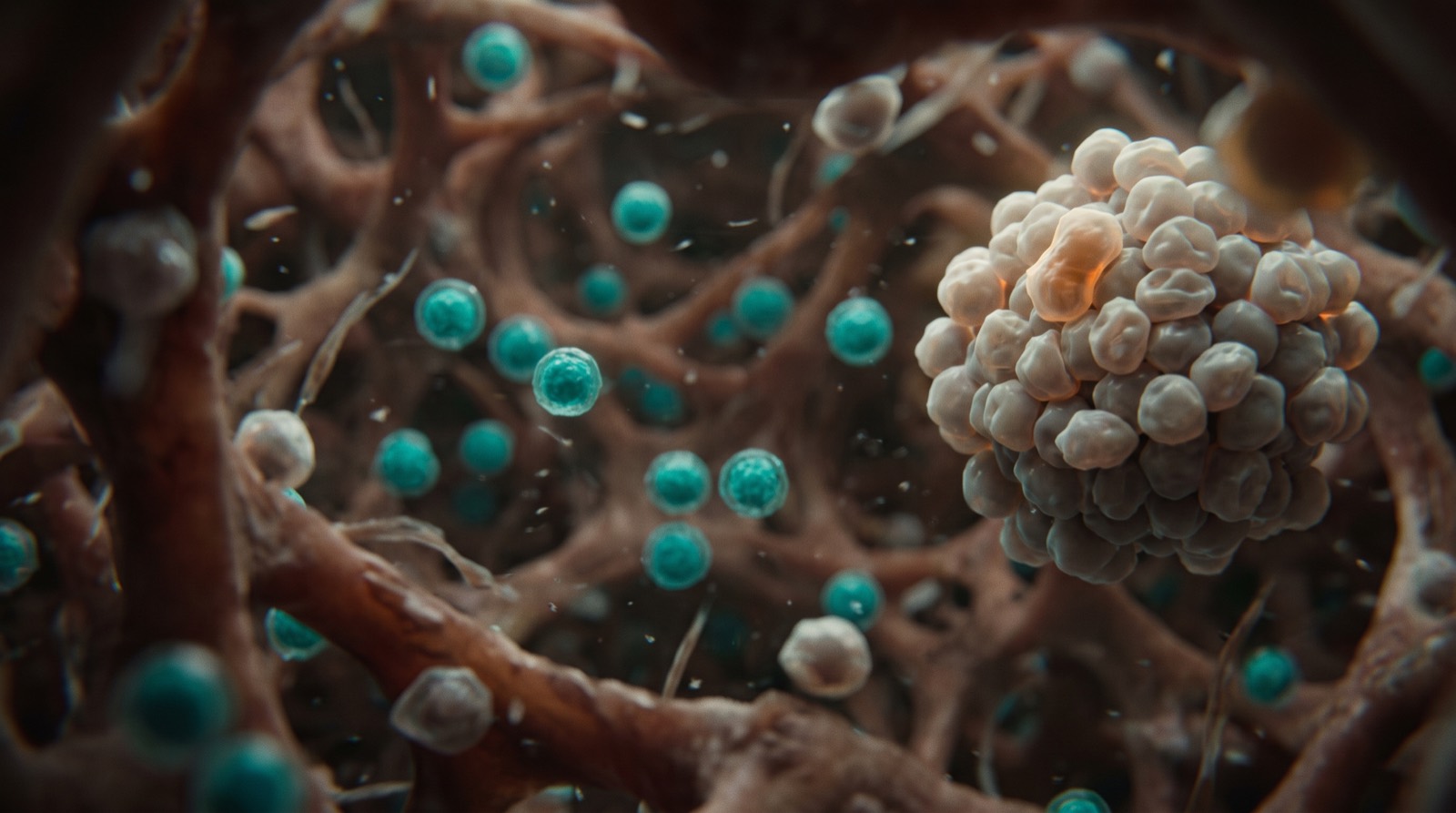
Blood-forming marrow with an abnormal cell population crowding it. Illustration generated for The CRISPR Atlas — a visual aid, not a photograph or a literal depiction of molecular structure.

Sources

Connected in the Atlas

Every entry on this site is linked to the others it relates to. These connections are part of the record, not a search result.

News connected to this page

Matched automatically to this record. Every item links to its publisher.

Educational information only This page is a reference, not medical advice. Research and regulatory status change; check the last-updated date above and confirm anything important against the primary sources listed.