CRISPR Decoded
Technologies
Every way scientists currently change, silence or rewrite genetic material: how each one works, what it can and cannot do.
17 technologies in CRISPR Decoded. Compared on the things that actually differ between them. Each page opens with a simple explanation, then a technical one.
17 đang hiển thị
CRISPR-Cas9
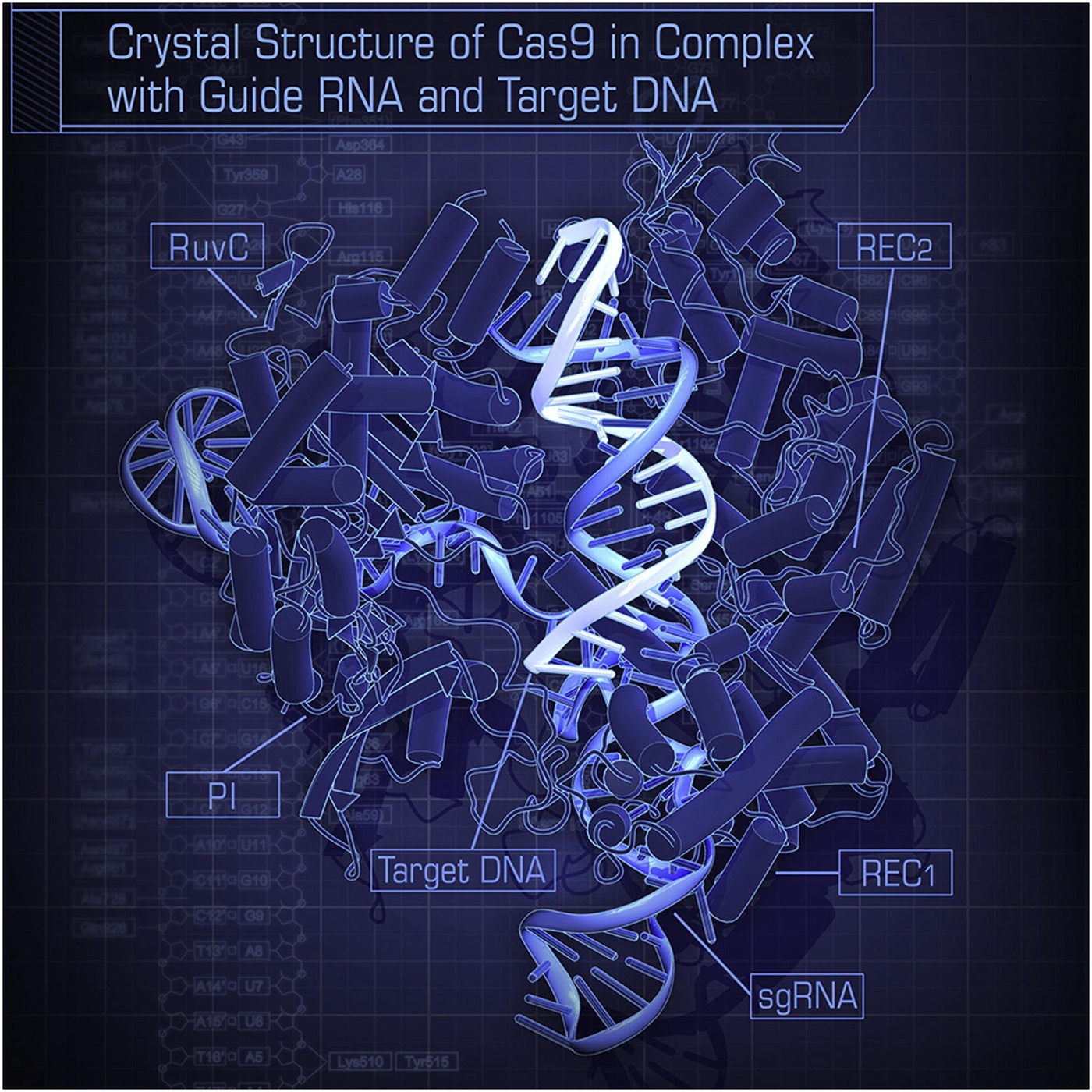
A protein that can be programmed with a short RNA guide to find one specific sequence in a genome and cut it.
- Cuts both strands
- Yes
- What it changes
- DNA, both strands
- Precision
- Clinical maturity
Base Editing
Chemically converts one DNA letter into another at a chosen position, without cutting both strands of the double…
- Cuts both strands
- No
- What it changes
- DNA, single bases
- Precision
- Clinical maturity
Prime Editing
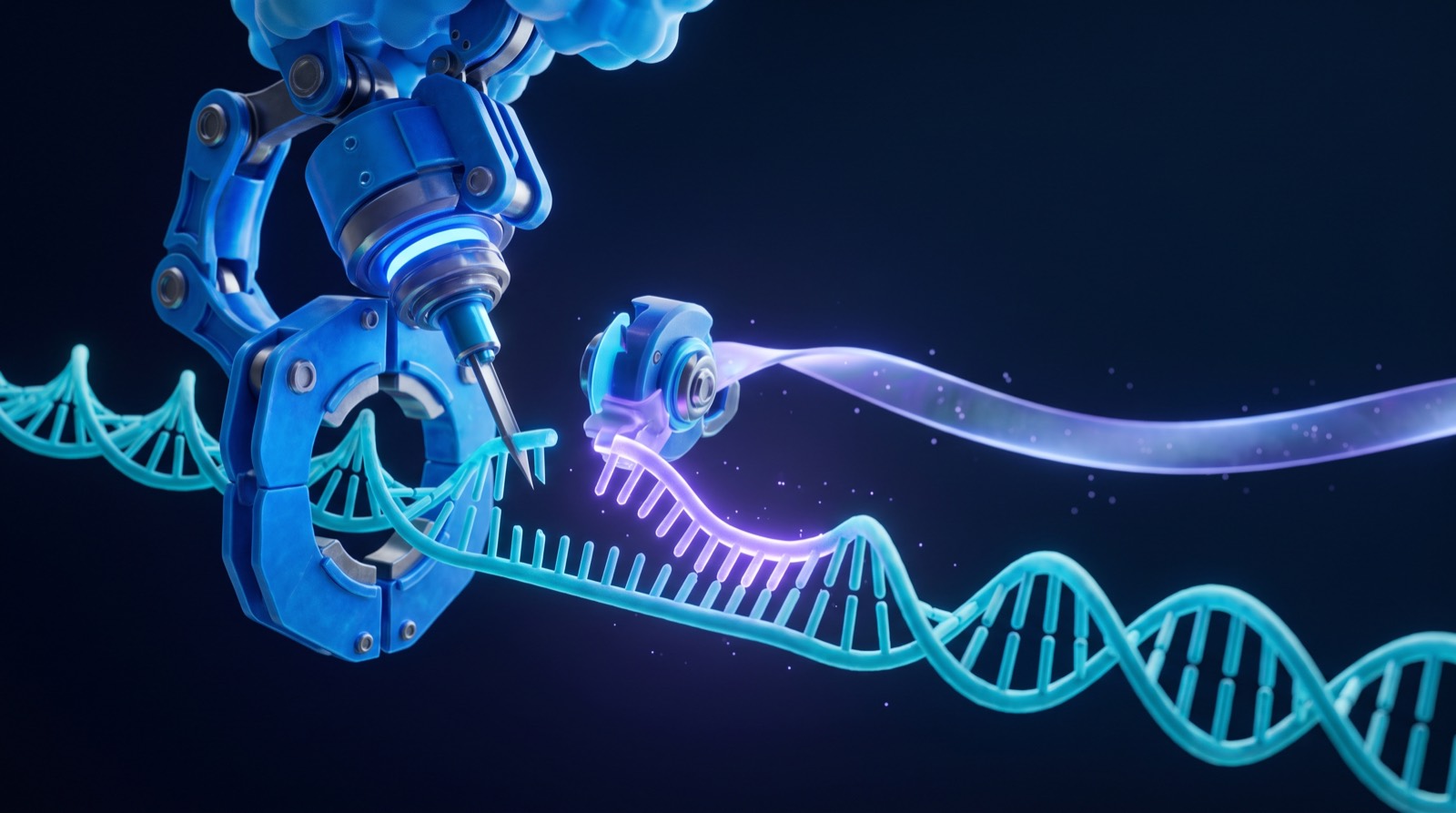
Writes a new stretch of DNA sequence directly into a chosen site, using a guide that carries the replacement text…
- Cuts both strands
- No
- What it changes
- DNA, short sequences
- Precision
- Clinical maturity
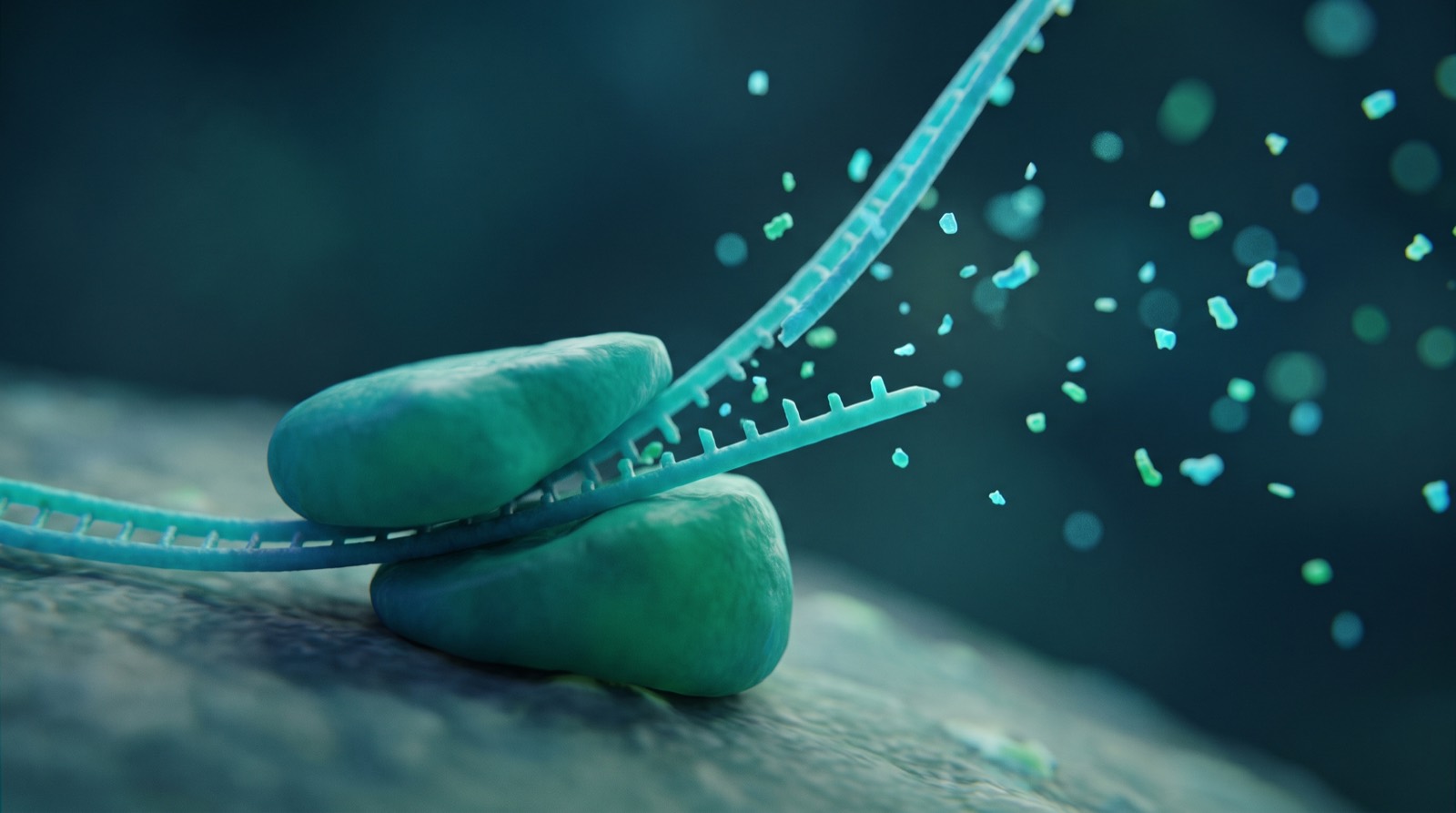
CRISPR-Cas12
A family of CRISPR nucleases that cut DNA leaving staggered ends, use a different sequence requirement from Cas9, and…
- Cuts both strands
- Yes
- What it changes
- DNA, both strands
- Precision
- Clinical maturity
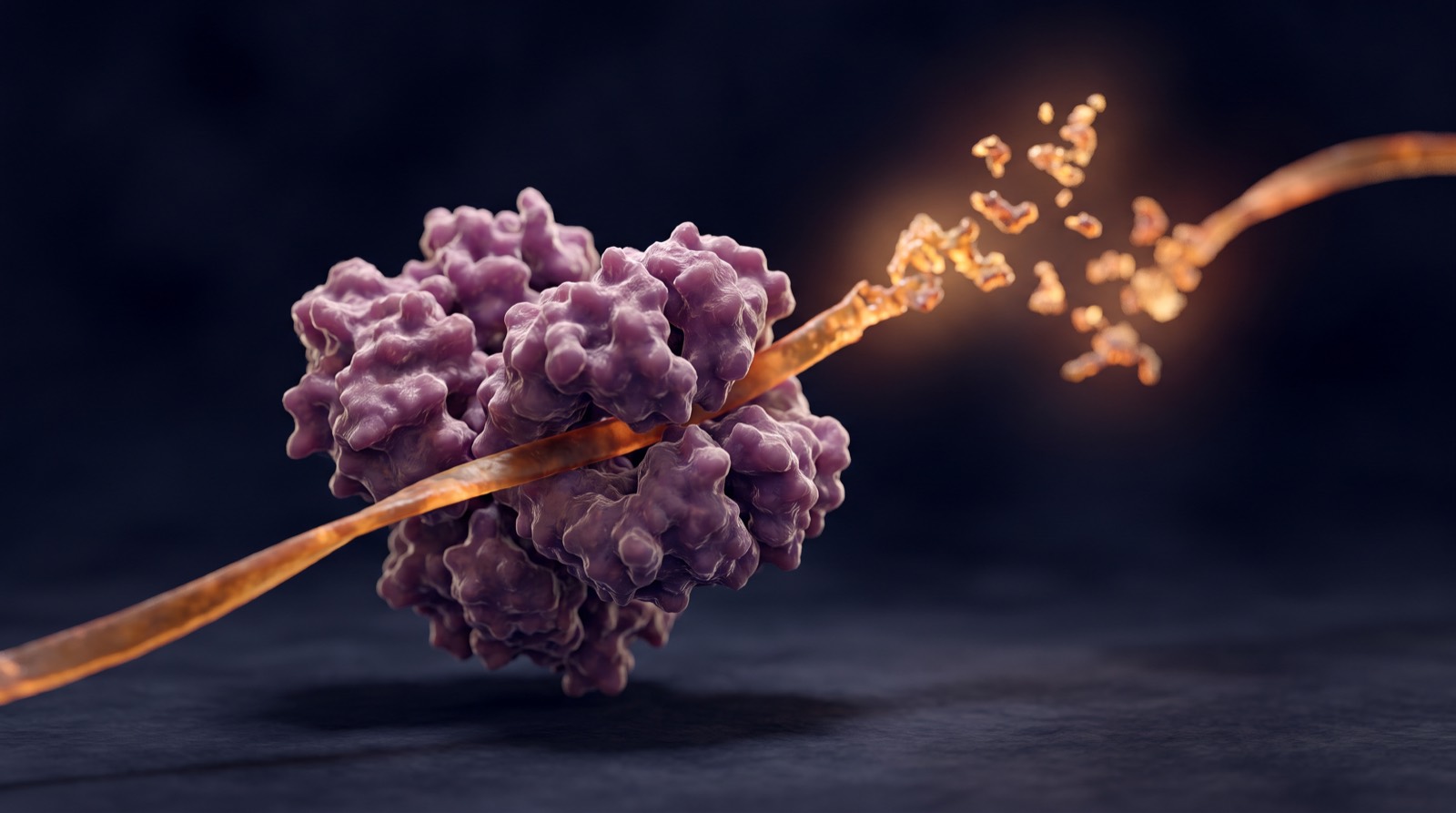
CRISPR-Cas13
Targets RNA rather than DNA, so it can silence a gene's message without touching the genome itself.
- Cuts both strands
- No DNA cutting at all
- What it changes
- RNA
- Precision
- Clinical maturity
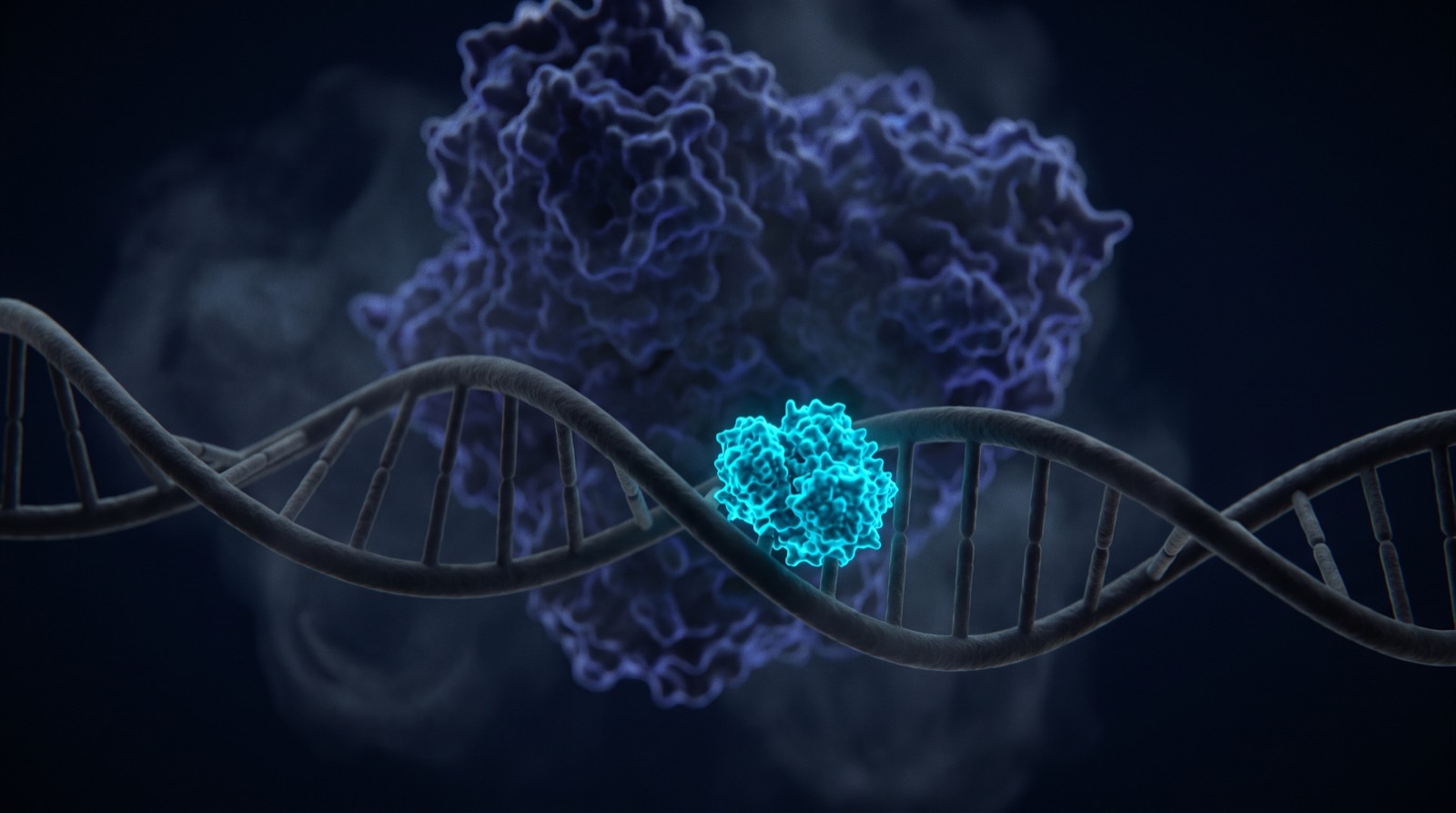
Cas14 and miniature Cas systems
Unusually small CRISPR nucleases, roughly a third the size of Cas9, discovered in archaea and bacteriophages.
- Cuts both strands
- Yes
- What it changes
- DNA
- Precision
- Clinical maturity
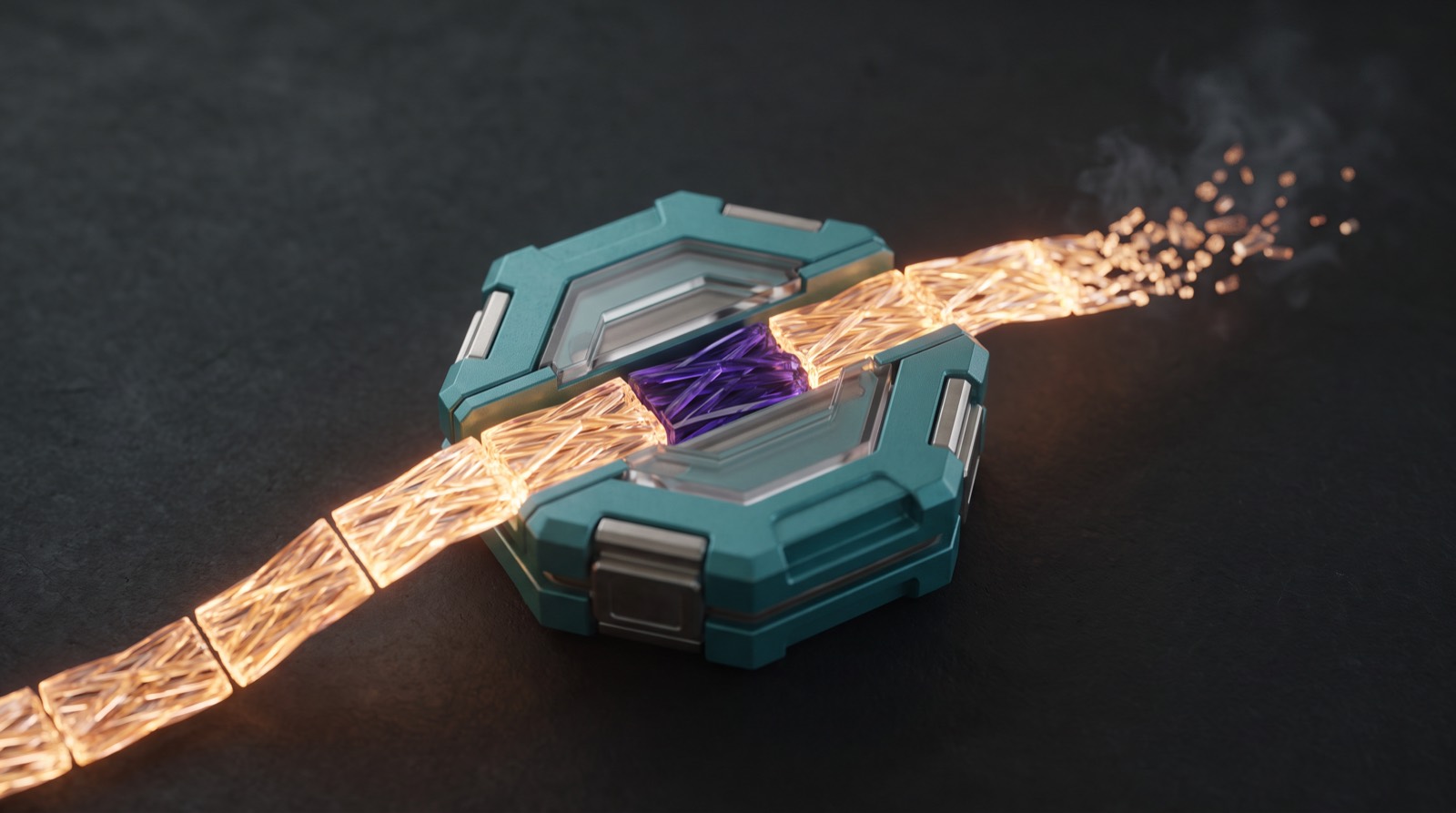
RNA Editing
Changes letters in the RNA message rather than in the DNA, so the effect is real but temporary and the genome is…
- Cuts both strands
- No
- What it changes
- RNA, single bases
- Precision
- Clinical maturity
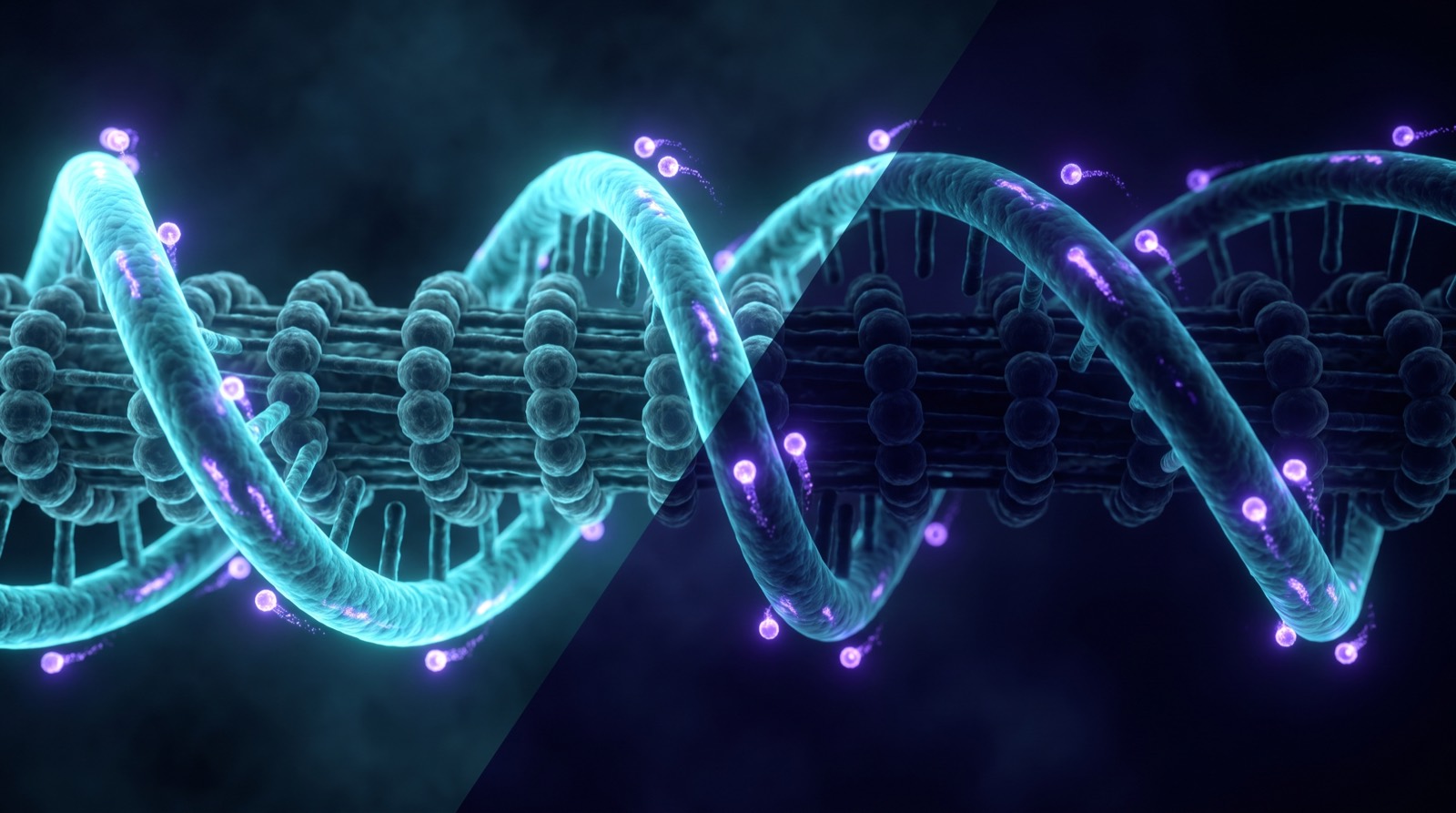
Epigenetic Editing
Changes how loudly a gene is expressed by rewriting the chemical marks on and around it, without altering a single…
- Cuts both strands
- No
- What it changes
- Chemical marks on DNA and histones, no sequence change
- Precision
- Clinical maturity
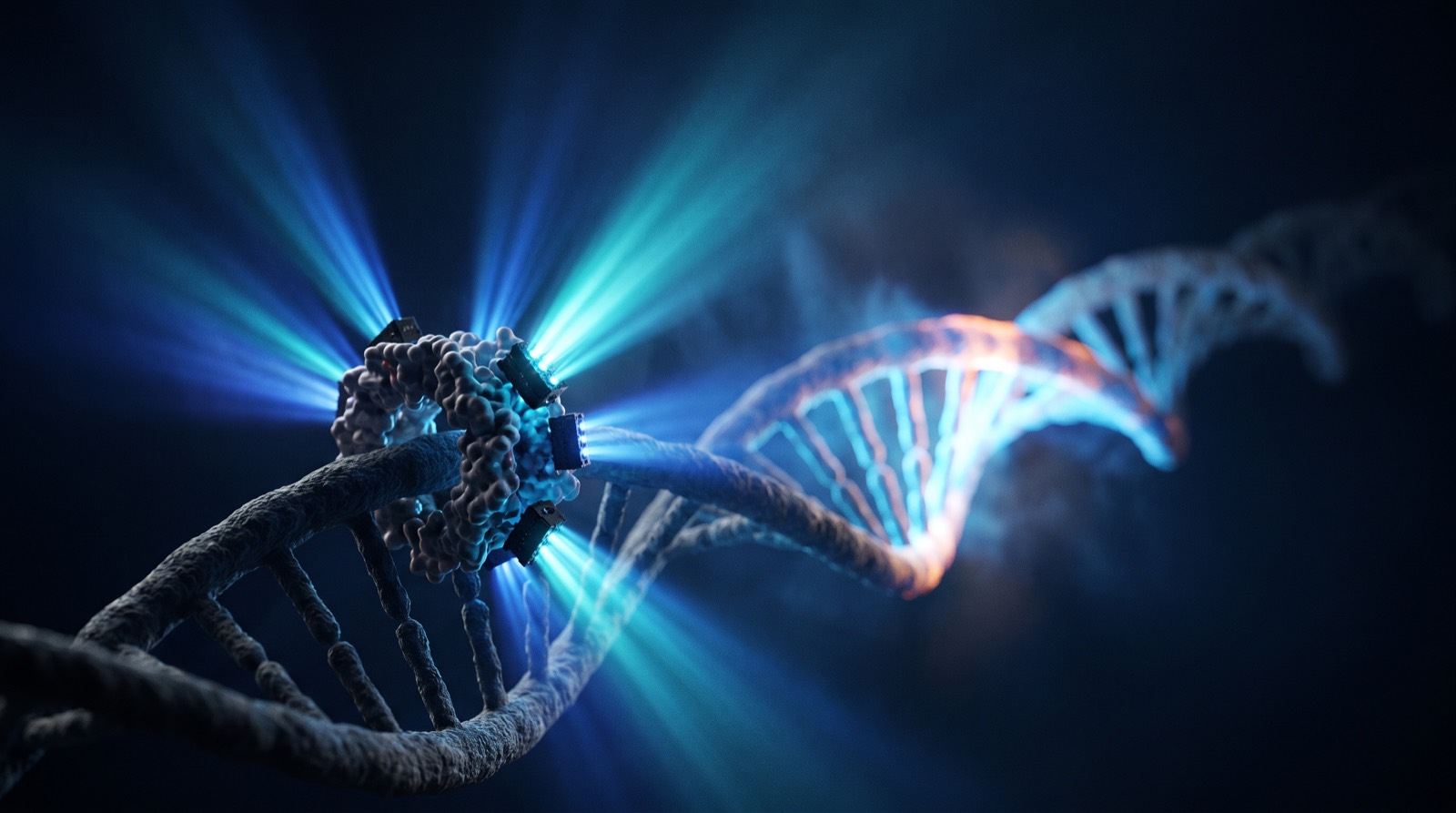
CRISPRa (gene activation)
Uses a disabled CRISPR protein to switch a gene up rather than to cut it.
- Cuts both strands
- No
- What it changes
- Expression level only
- Precision
- Clinical maturity
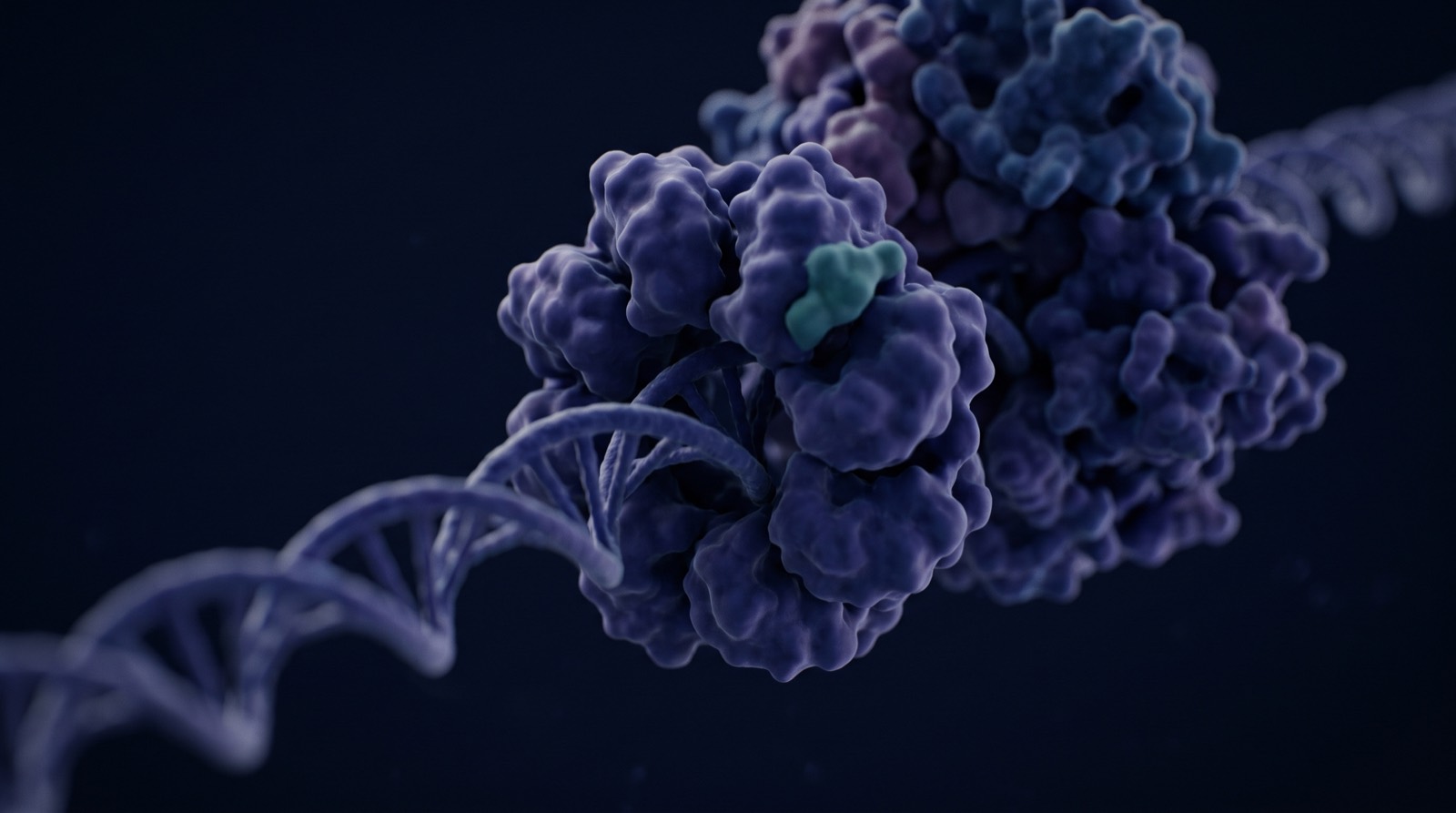
CRISPRi (gene silencing)
Parks a disabled CRISPR protein on a gene to block it from being read, turning it down without changing it.
- Cuts both strands
- No
- What it changes
- Expression level only
- Precision
- Clinical maturity
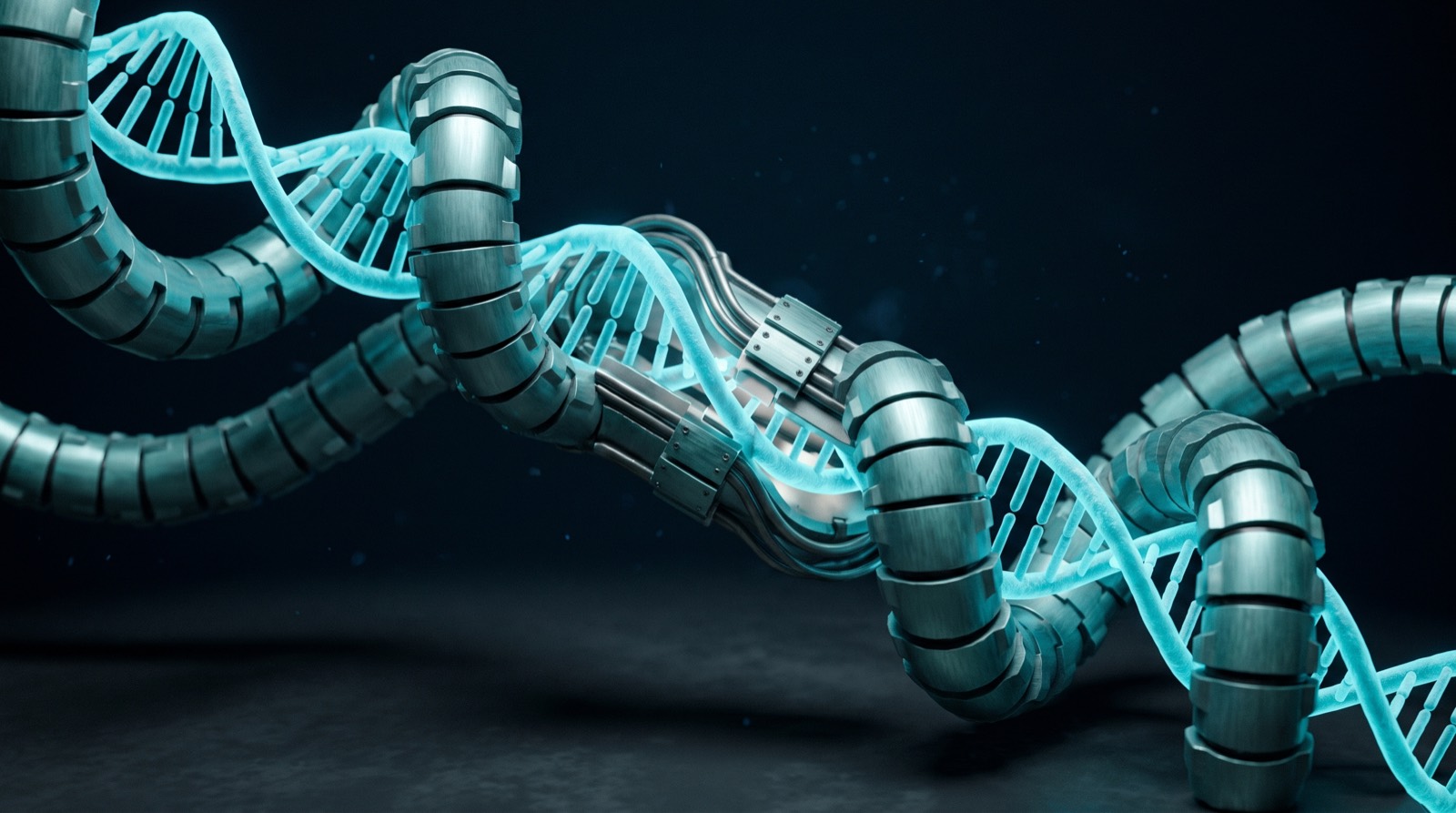
TALENs
Custom-built proteins that recognise DNA letter by letter and cut: the technique CRISPR largely displaced, still in…
- Cuts both strands
- Yes
- What it changes
- DNA, both strands
- Precision
- Clinical maturity
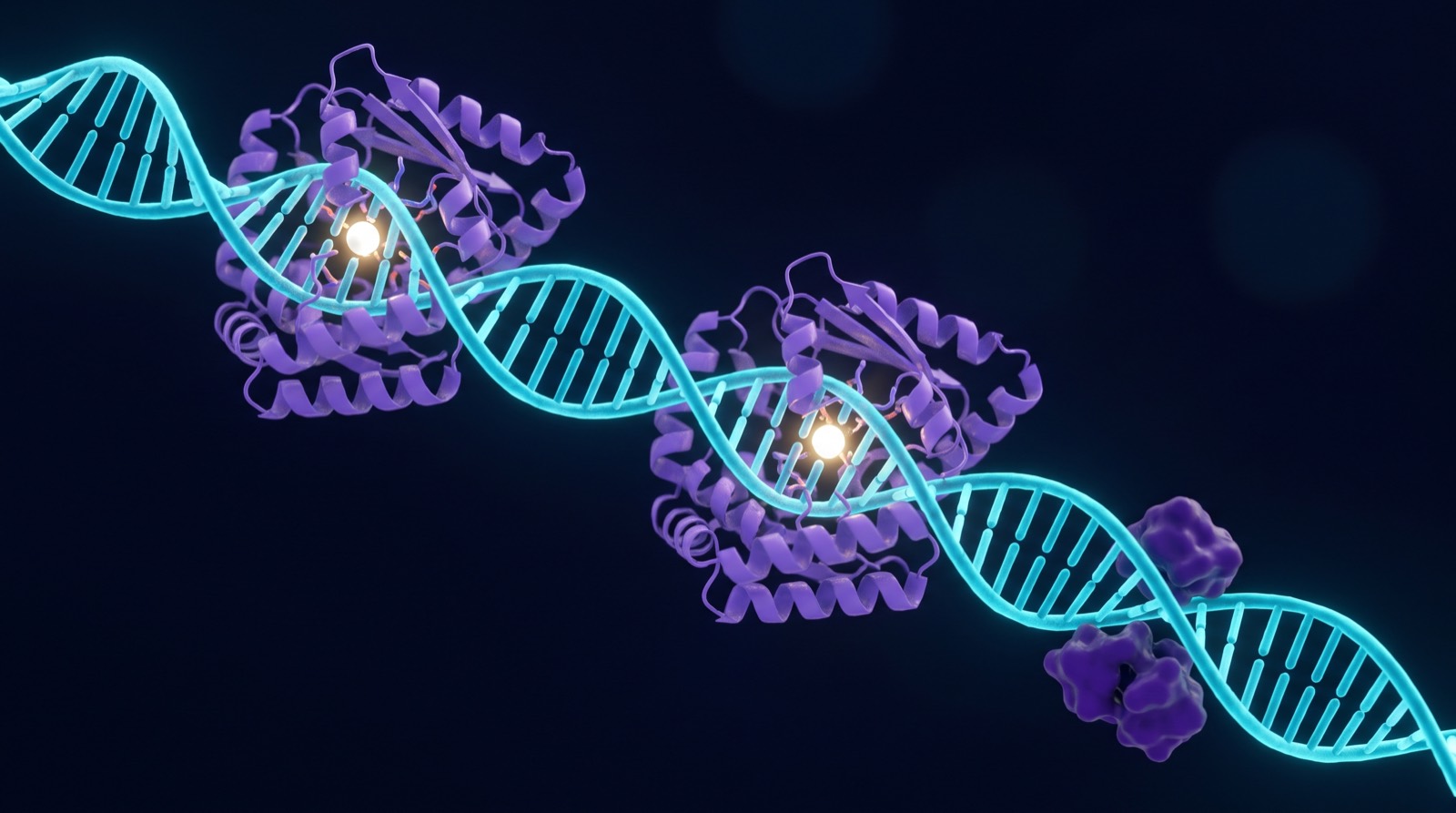
Zinc Finger Nucleases
The first programmable gene-editing tool to reach patients: small, engineered proteins that grip DNA in three-letter…
- Cuts both strands
- Yes
- What it changes
- DNA, both strands
- Precision
- Clinical maturity
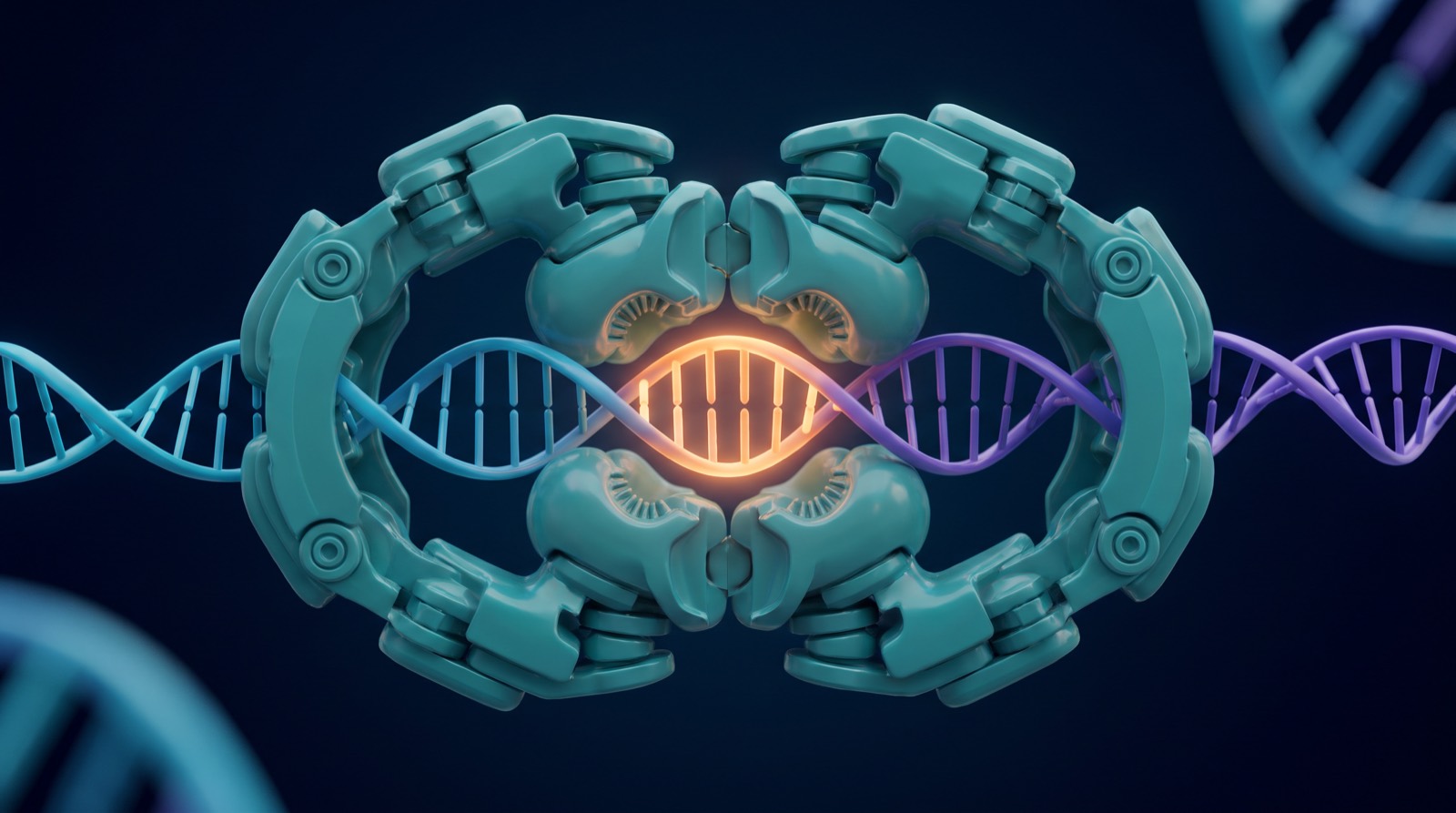
Recombinases and integrases
Enzymes that cut and rejoin DNA at defined sites, able to insert whole genes rather than edit single letters.
- Cuts both strands
- No free double-strand break
- What it changes
- DNA, large segments
- Precision
- Clinical maturity
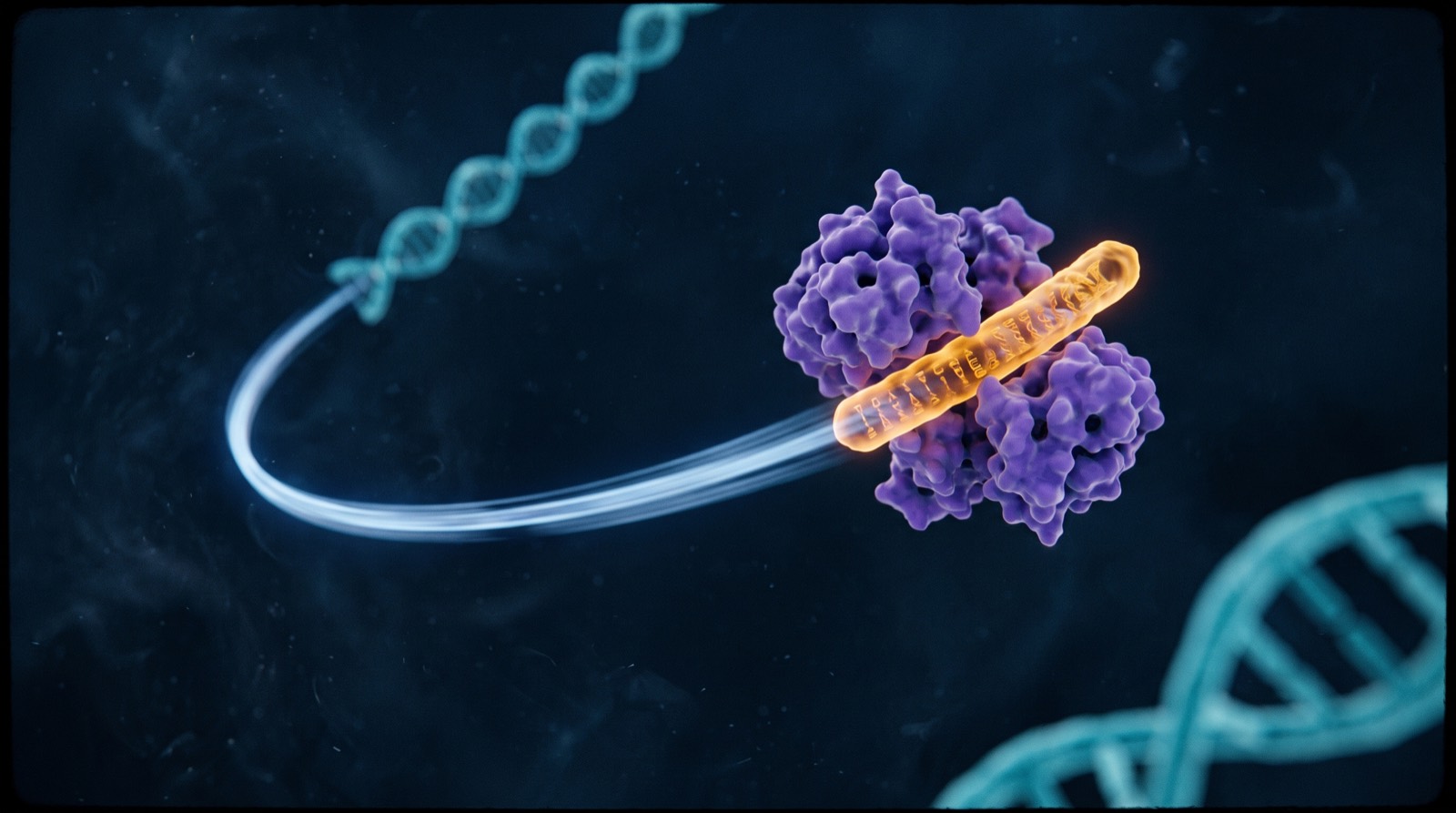
Transposases
Enzymes that cut a segment of DNA out of one place and paste it into another: nature's own copy-and-paste.
- Cuts both strands
- Cuts and rejoins as part of transposition
- What it changes
- DNA, large segments
- Precision
- Clinical maturity
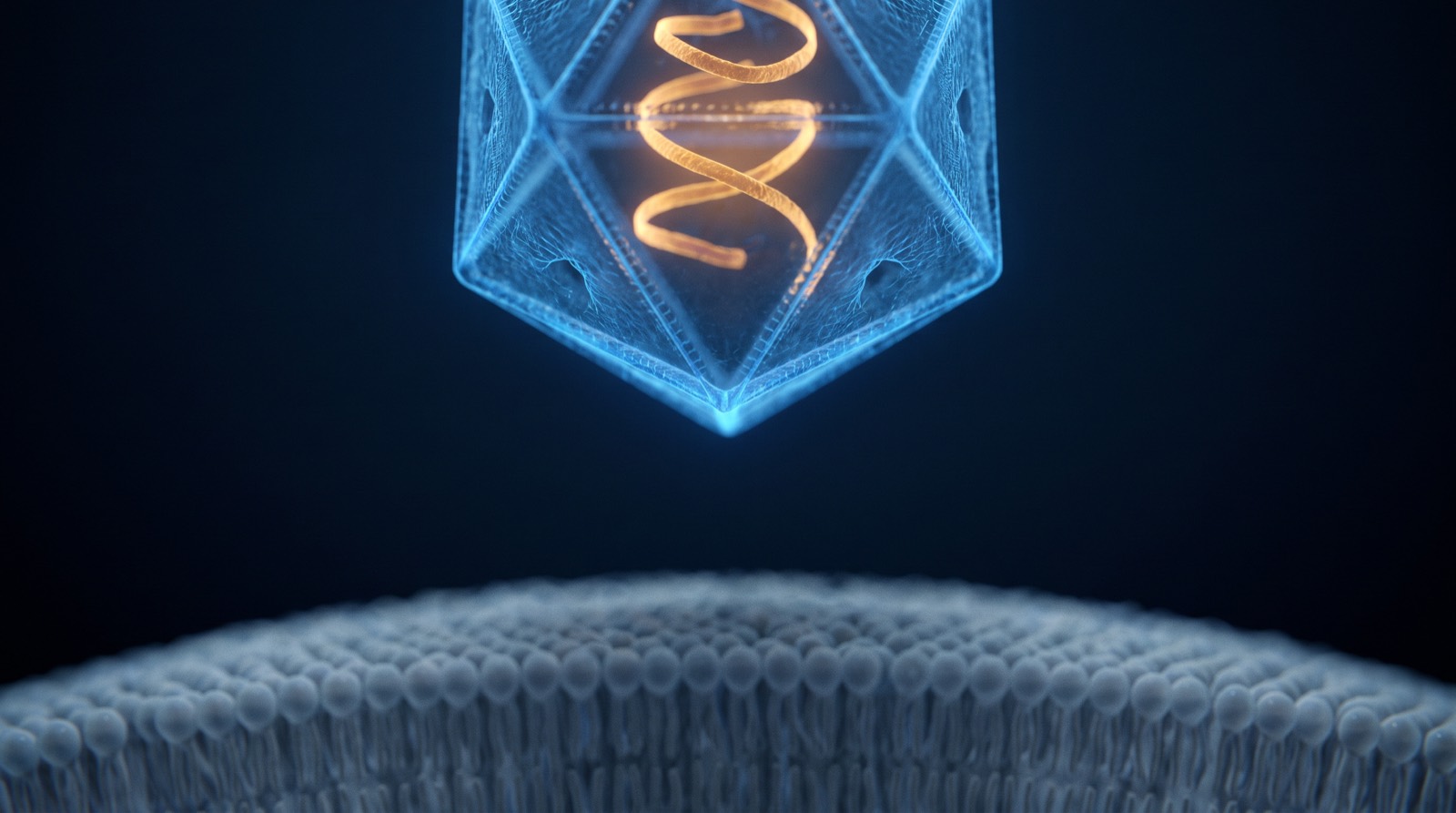
Gene Therapy (gene addition)
Delivers a working copy of a gene into cells without changing the existing genome. It is the older approach that gene…
- Cuts both strands
- No
- What it changes
- Nothing: a copy is added
- Precision
- Clinical maturity
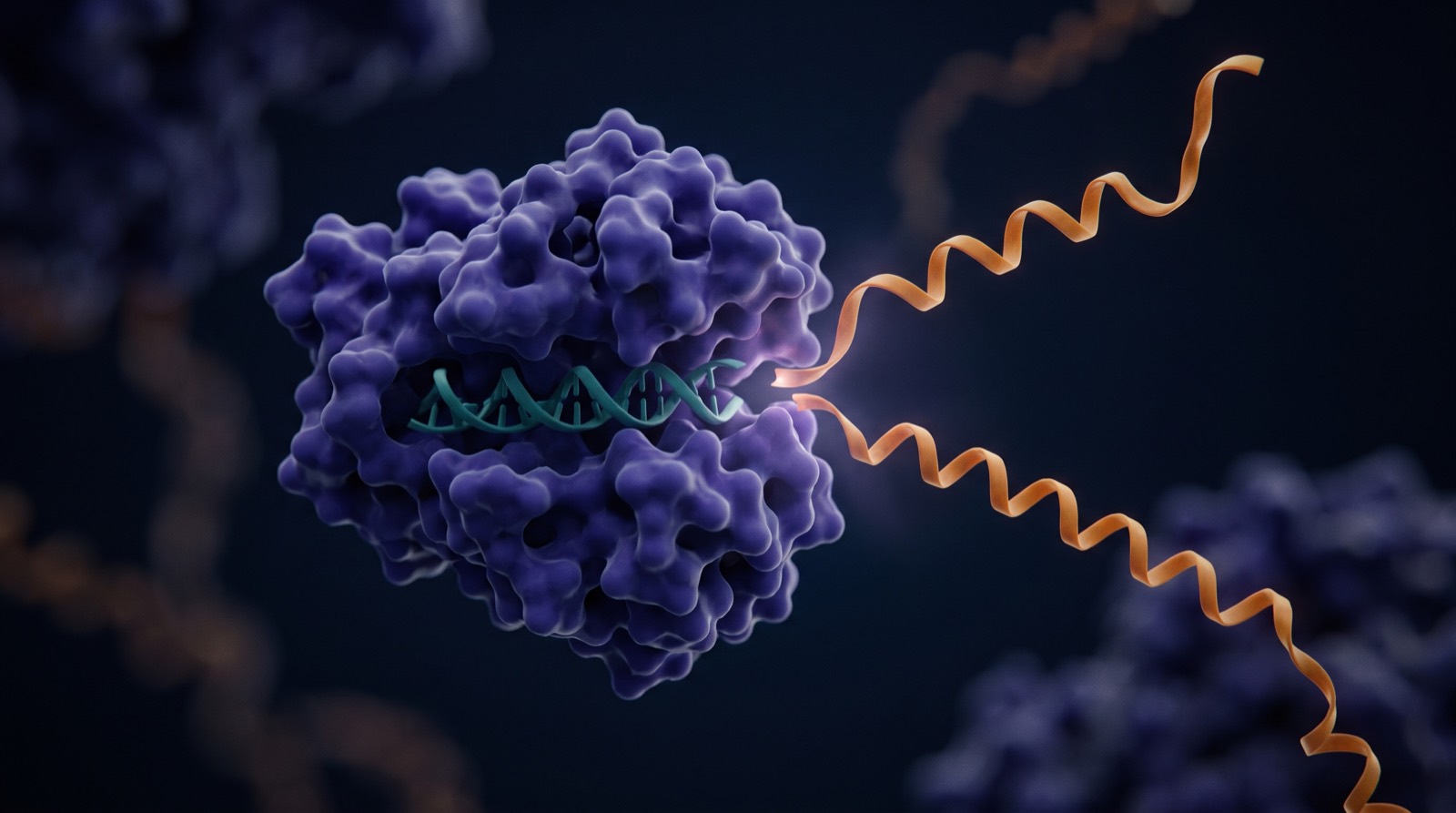
RNA Interference
Uses the cell's own machinery to destroy a specific RNA message, lowering a protein's level without touching DNA.
- Cuts both strands
- No
- What it changes
- RNA, destroyed rather than edited
- Precision
- Clinical maturity
Synthetic Biology
Designing genetic parts and circuits so that cells perform new functions: the engineering discipline that gene…
- Cuts both strands
- Varies
- What it changes
- Whole circuits and constructs
- Precision
- Clinical maturity
Độ chính xác và mức độ trưởng thành là các xếp hạng biên tập từ 1–5 do CRISPR Decoded đưa ra, không phải là các đại lượng đo lường. Chúng tồn tại để giúp so sánh các đánh đổi một cách nhanh chóng. Mỗi trang công nghệ giải thích lý do. Hãy dùng comparison tool để đặt hai mục bất kỳ cạnh nhau.