CRISPR Decoded
Technologies
Every way scientists currently change, silence or rewrite genetic material: how each one works, what it can and cannot do.
17 technologies in CRISPR Decoded. Compared on the things that actually differ between them. Each page opens with a simple explanation, then a technical one.
17 표시됨
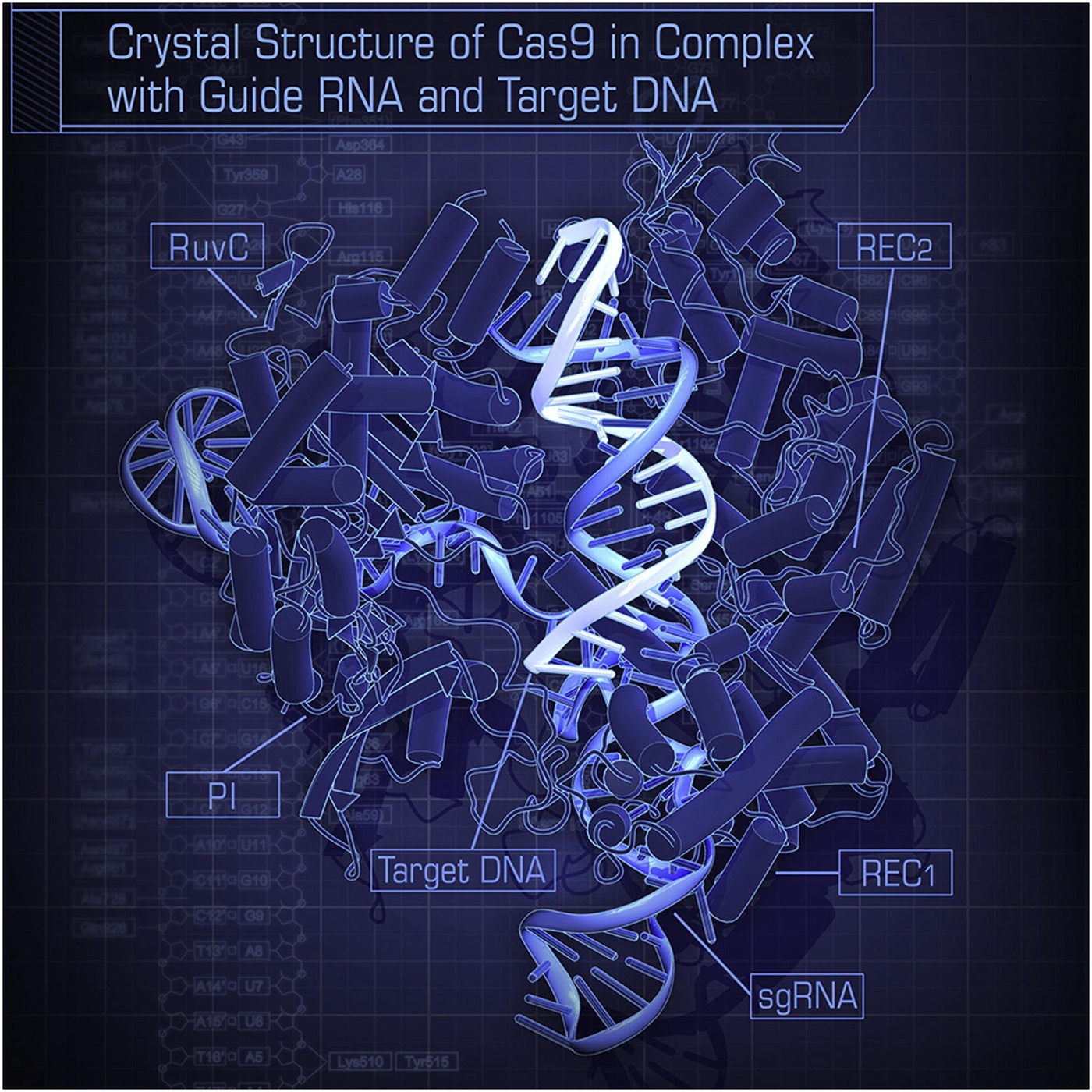
CRISPR-Cas9
A protein that can be programmed with a short RNA guide to find one specific sequence in a genome and cut it.
- Cuts both strands
- Yes
- What it changes
- DNA, both strands
- Precision
- Clinical maturity
Base Editing
Chemically converts one DNA letter into another at a chosen position, without cutting both strands of the double…
- Cuts both strands
- No
- What it changes
- DNA, single bases
- Precision
- Clinical maturity
Prime Editing
Writes a new stretch of DNA sequence directly into a chosen site, using a guide that carries the replacement text…
- Cuts both strands
- No
- What it changes
- DNA, short sequences
- Precision
- Clinical maturity
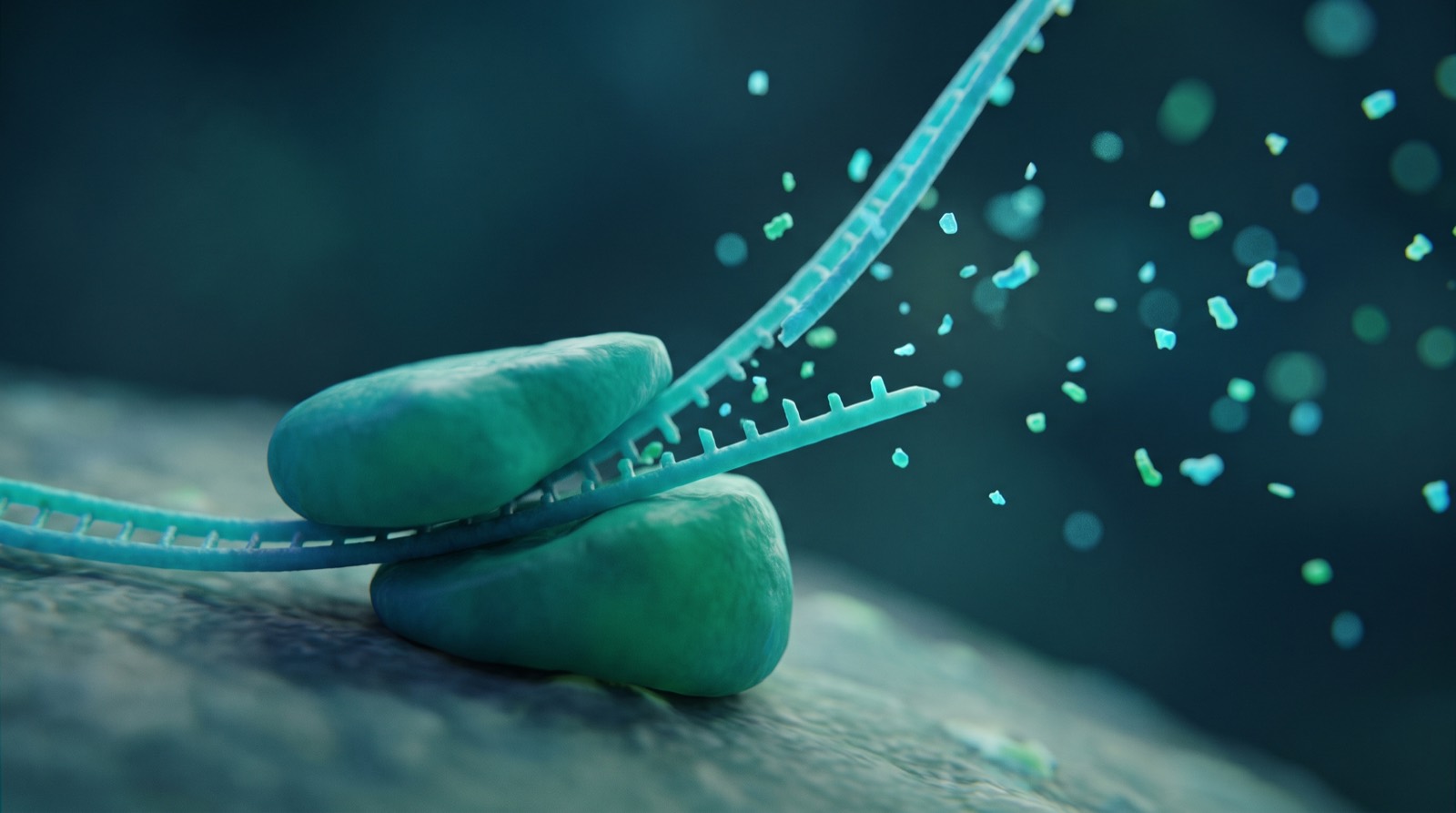
CRISPR-Cas12
A family of CRISPR nucleases that cut DNA leaving staggered ends, use a different sequence requirement from Cas9, and…
- Cuts both strands
- Yes
- What it changes
- DNA, both strands
- Precision
- Clinical maturity
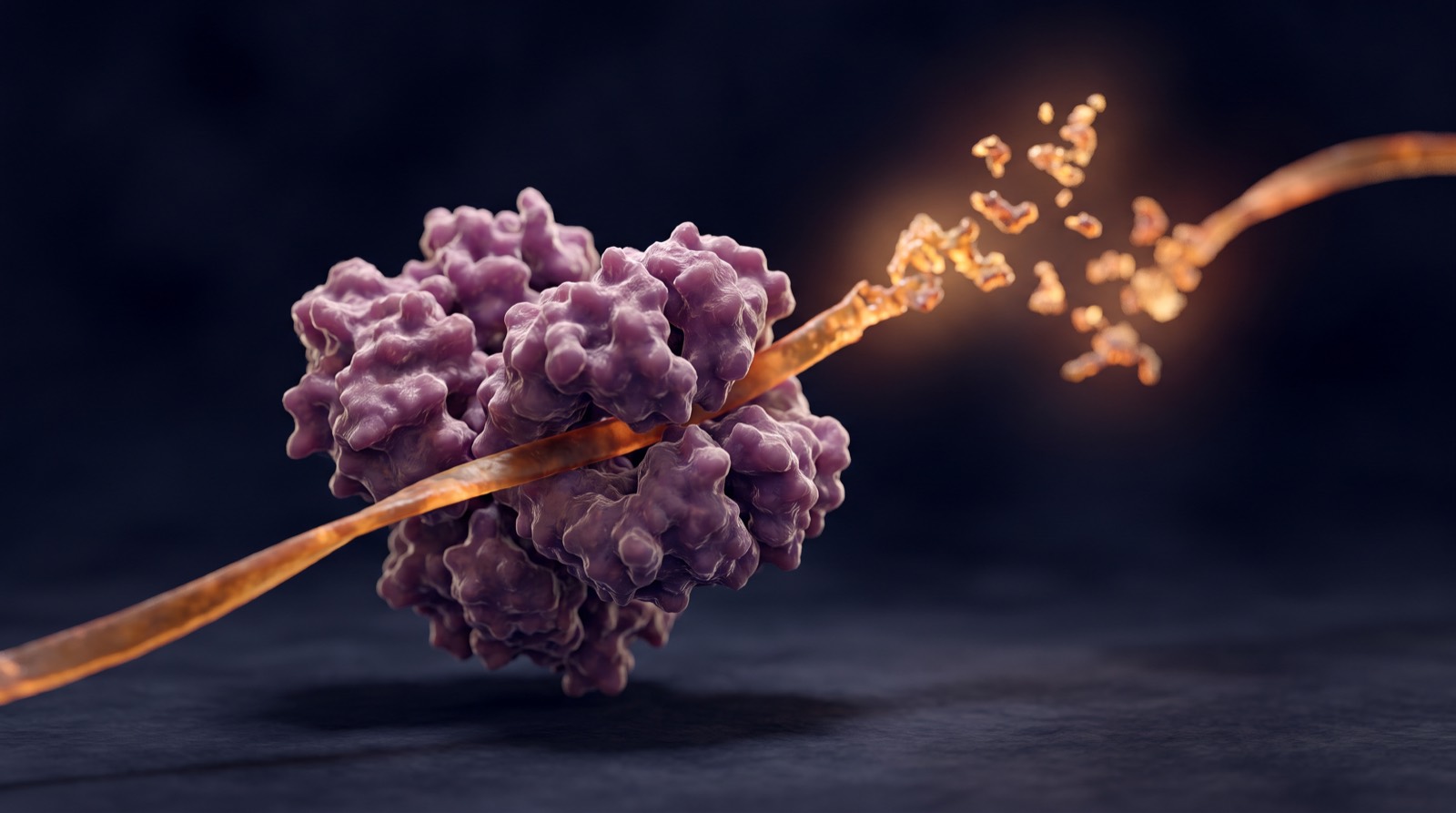
CRISPR-Cas13
Targets RNA rather than DNA, so it can silence a gene's message without touching the genome itself.
- Cuts both strands
- No DNA cutting at all
- What it changes
- RNA
- Precision
- Clinical maturity
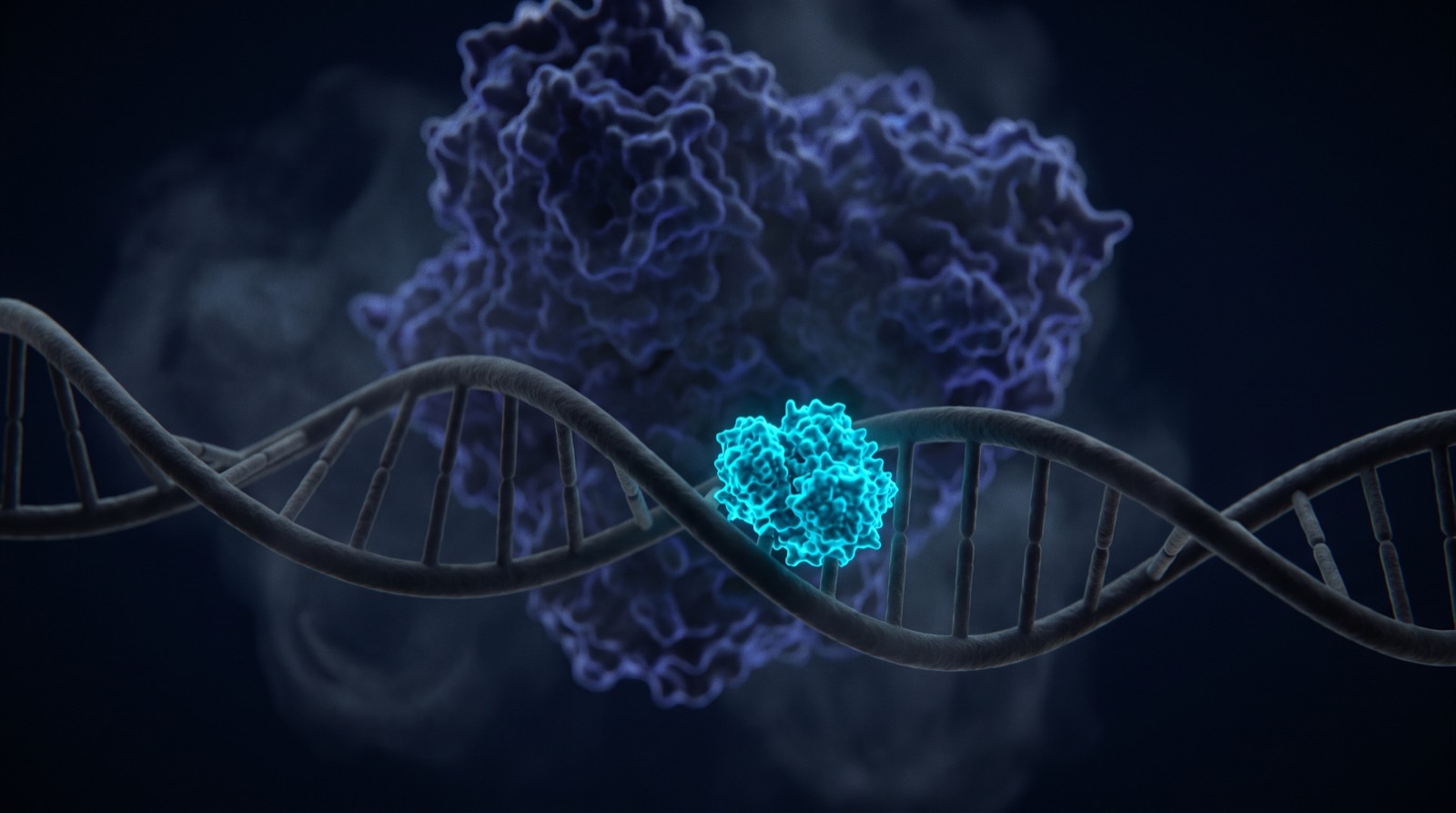
Cas14 and miniature Cas systems
Unusually small CRISPR nucleases, roughly a third the size of Cas9, discovered in archaea and bacteriophages.
- Cuts both strands
- Yes
- What it changes
- DNA
- Precision
- Clinical maturity
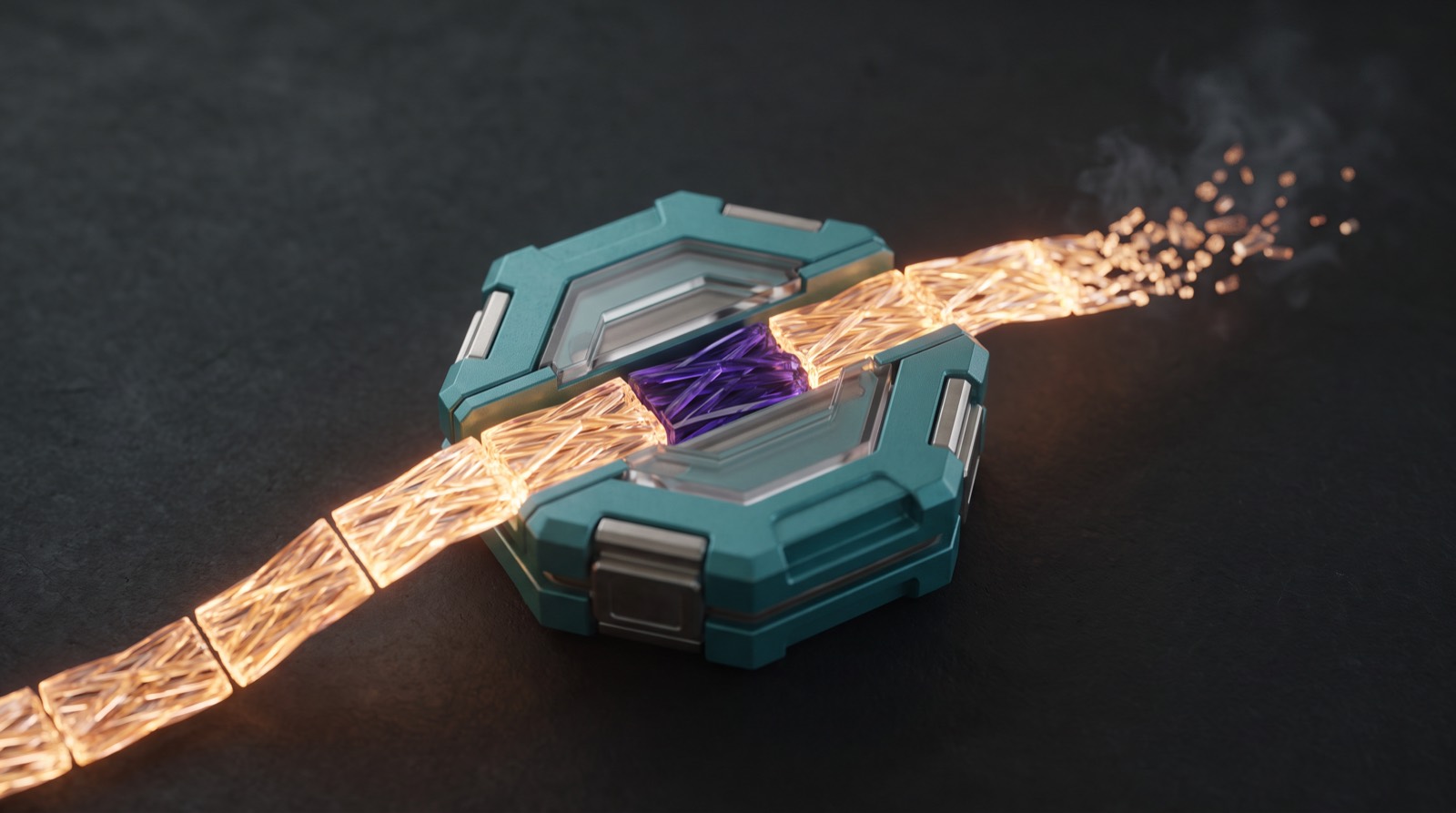
RNA Editing
Changes letters in the RNA message rather than in the DNA, so the effect is real but temporary and the genome is…
- Cuts both strands
- No
- What it changes
- RNA, single bases
- Precision
- Clinical maturity
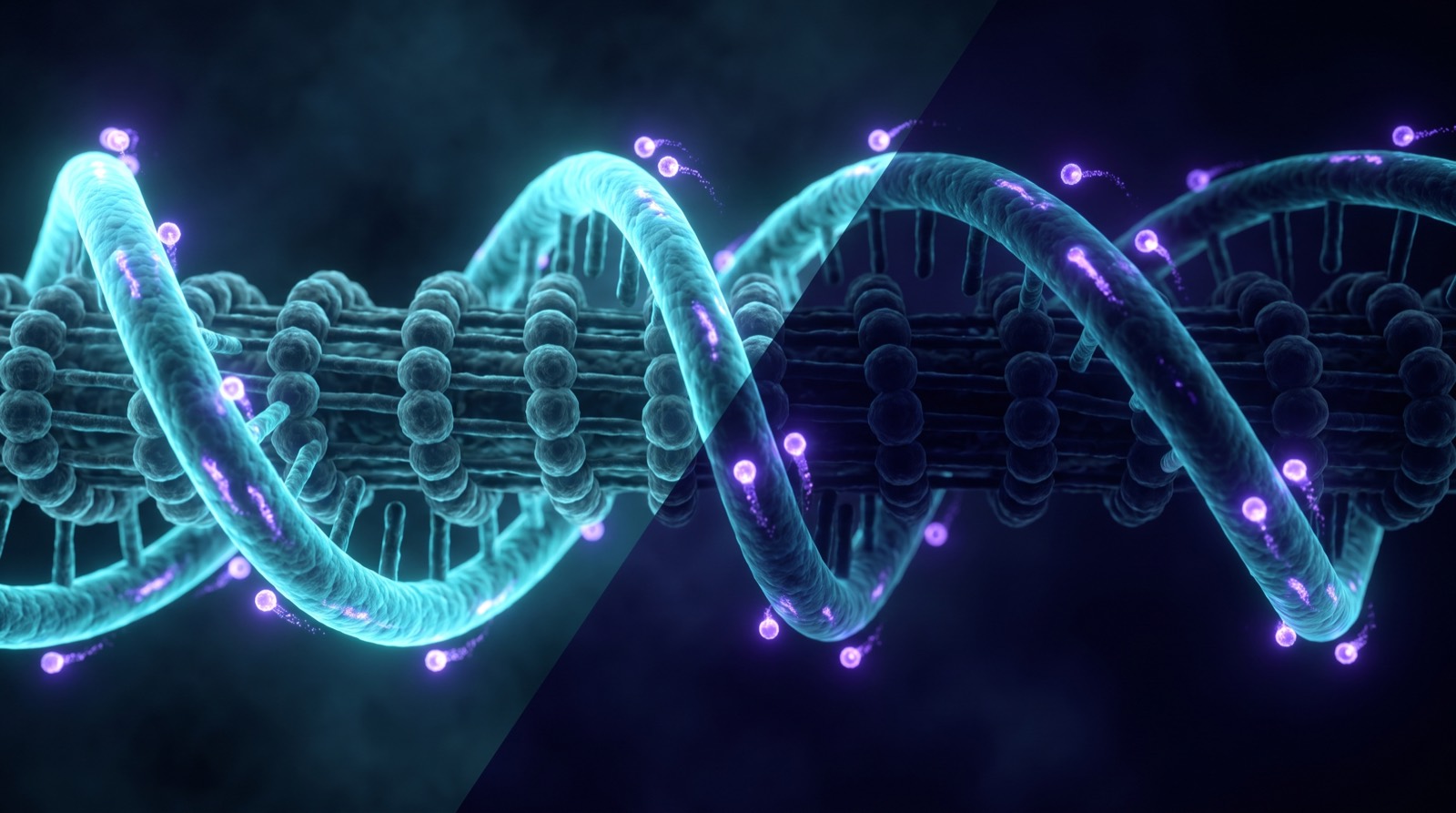
Epigenetic Editing
Changes how loudly a gene is expressed by rewriting the chemical marks on and around it, without altering a single…
- Cuts both strands
- No
- What it changes
- Chemical marks on DNA and histones, no sequence change
- Precision
- Clinical maturity
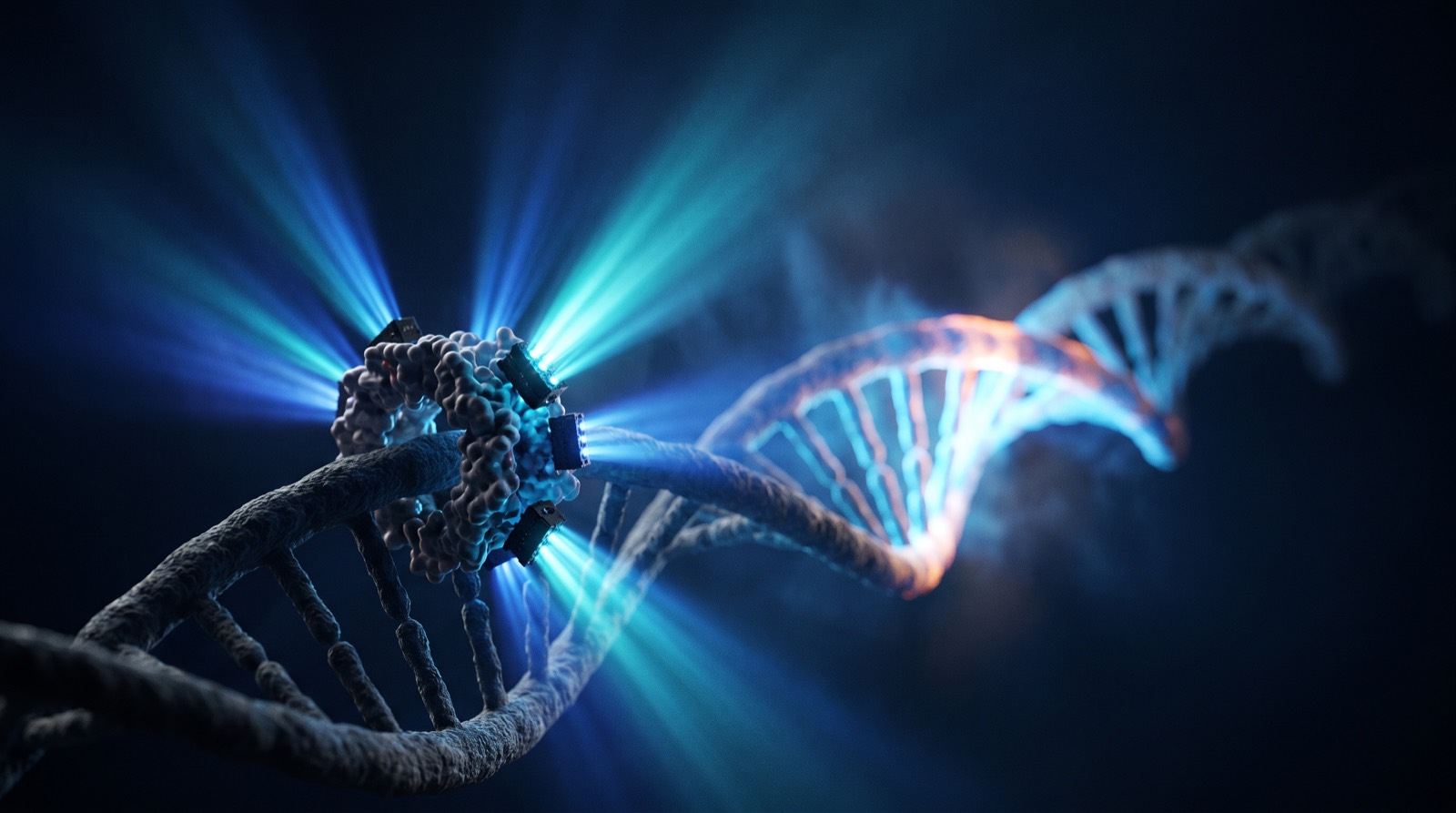
CRISPRa (gene activation)
Uses a disabled CRISPR protein to switch a gene up rather than to cut it.
- Cuts both strands
- No
- What it changes
- Expression level only
- Precision
- Clinical maturity
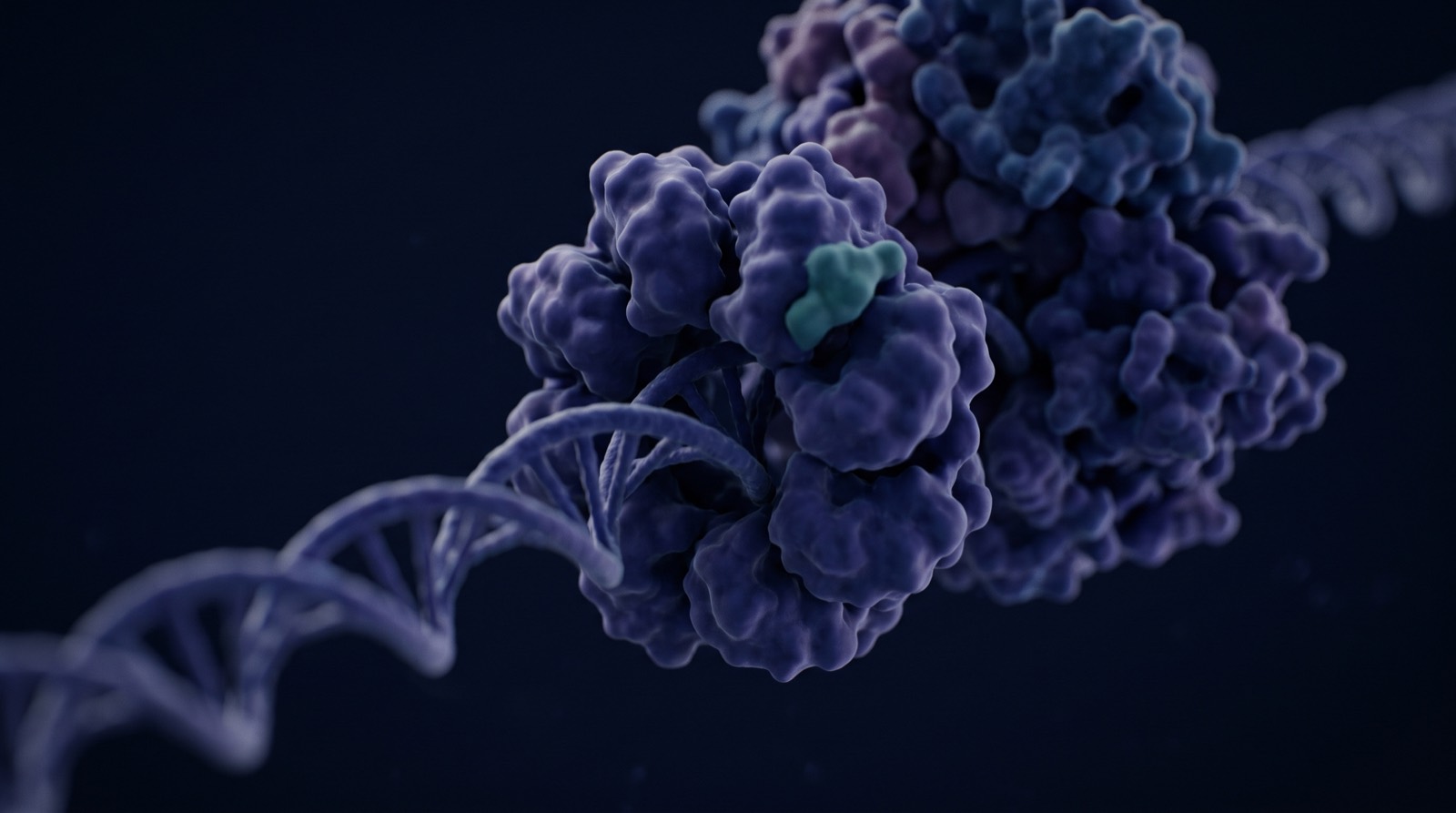
CRISPRi (gene silencing)
Parks a disabled CRISPR protein on a gene to block it from being read, turning it down without changing it.
- Cuts both strands
- No
- What it changes
- Expression level only
- Precision
- Clinical maturity
TALENs
Custom-built proteins that recognise DNA letter by letter and cut: the technique CRISPR largely displaced, still in…
- Cuts both strands
- Yes
- What it changes
- DNA, both strands
- Precision
- Clinical maturity
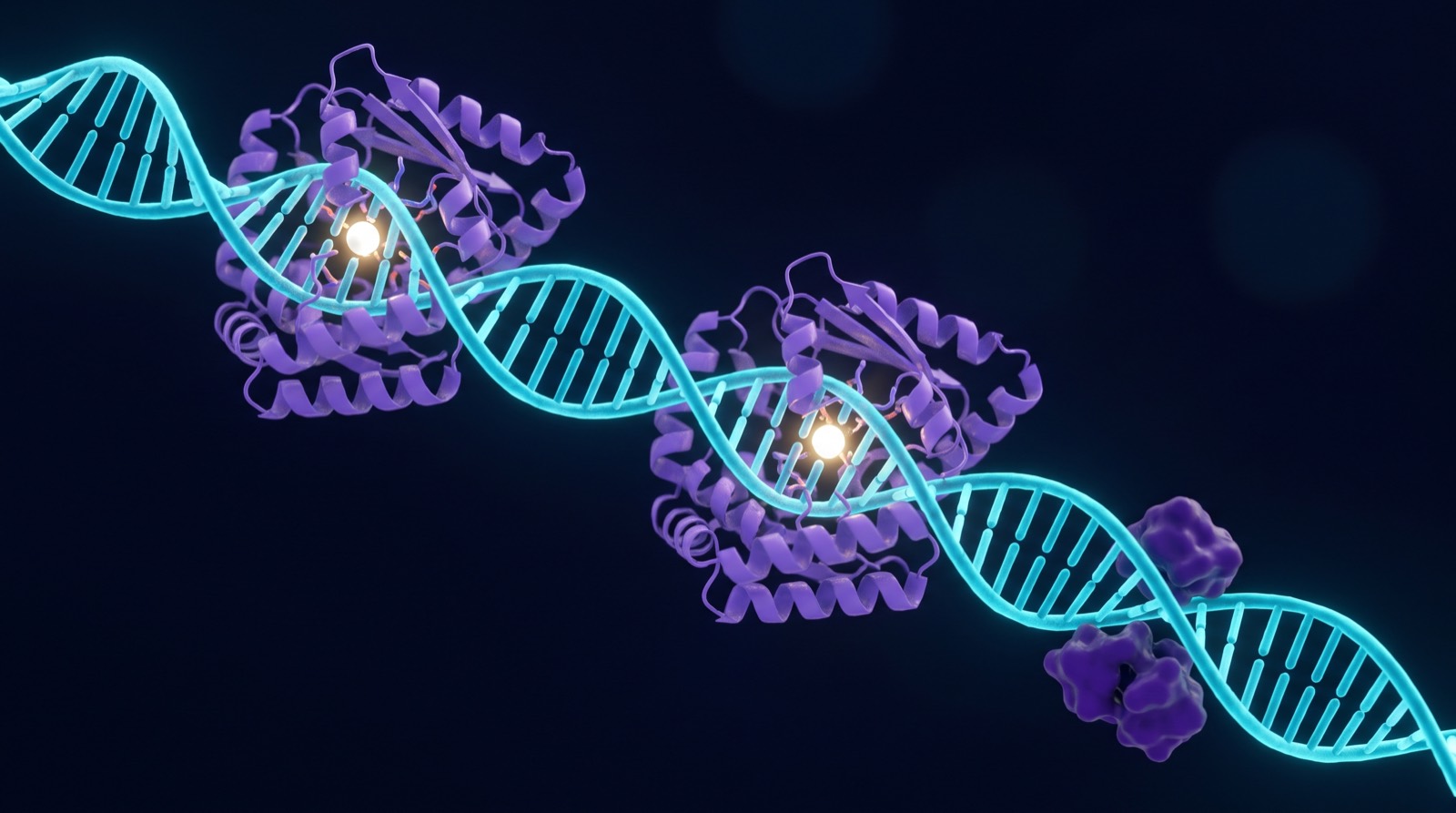
Zinc Finger Nucleases
The first programmable gene-editing tool to reach patients: small, engineered proteins that grip DNA in three-letter…
- Cuts both strands
- Yes
- What it changes
- DNA, both strands
- Precision
- Clinical maturity
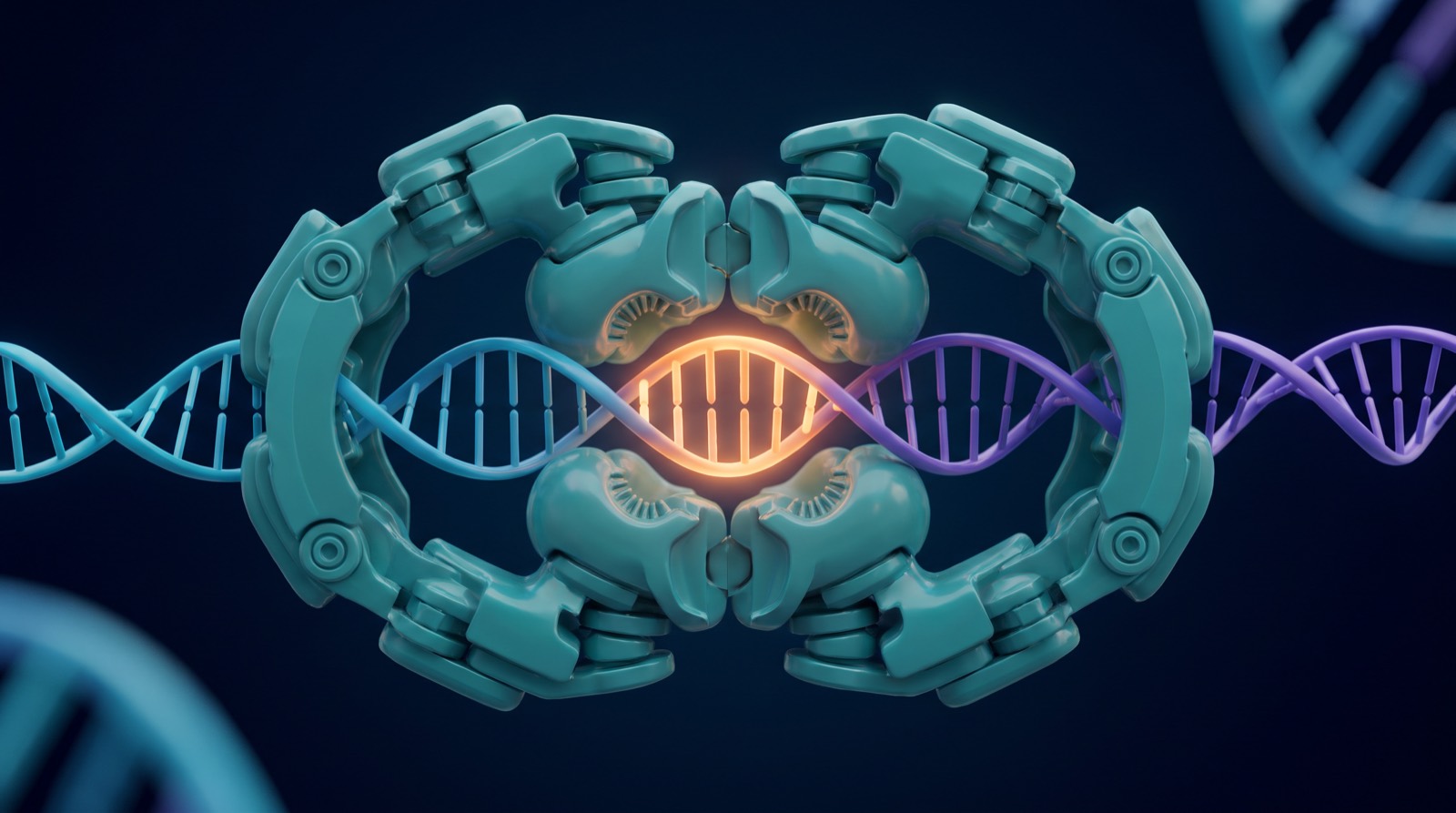
Recombinases and integrases
Enzymes that cut and rejoin DNA at defined sites, able to insert whole genes rather than edit single letters.
- Cuts both strands
- No free double-strand break
- What it changes
- DNA, large segments
- Precision
- Clinical maturity
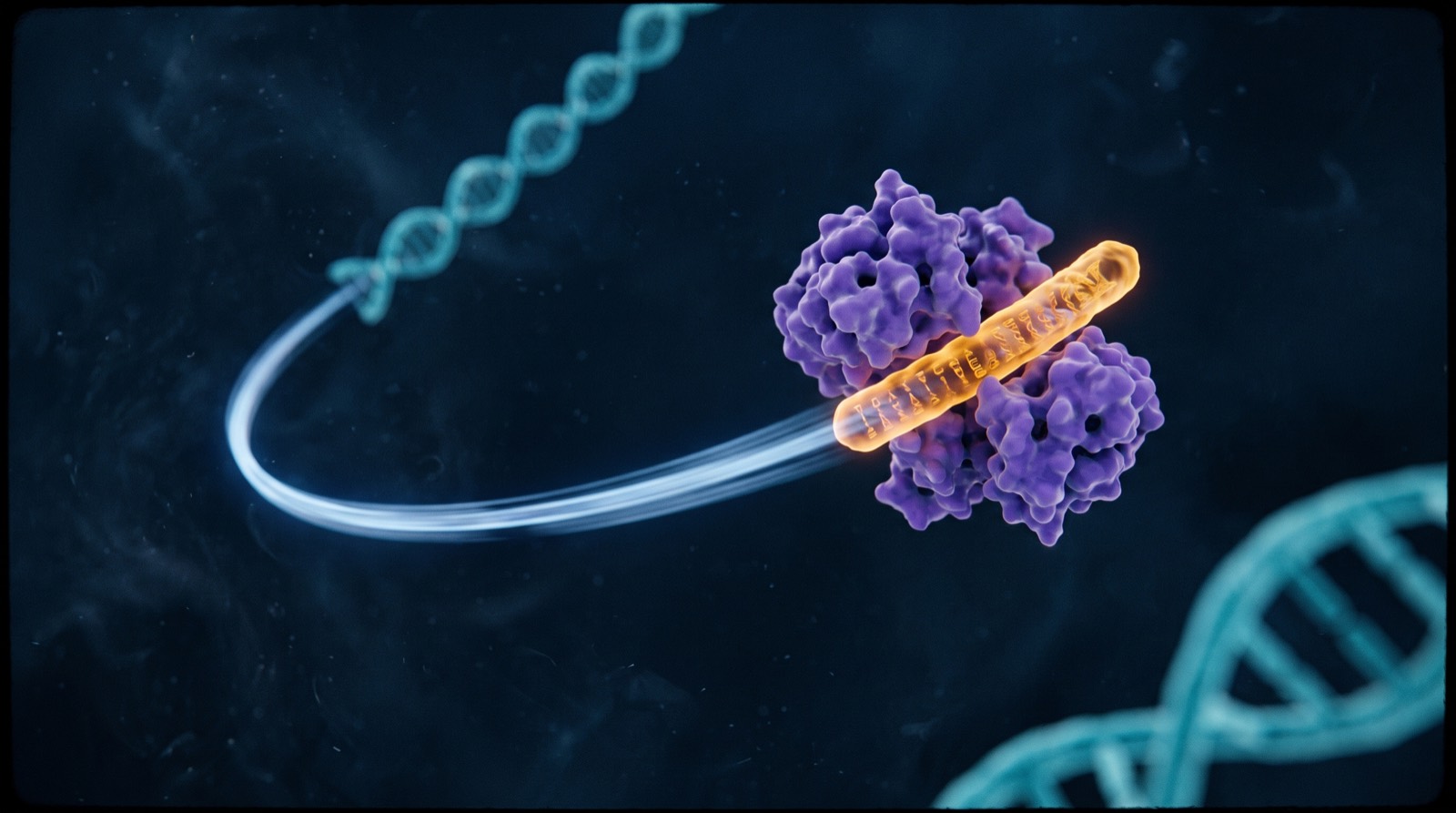
Transposases
Enzymes that cut a segment of DNA out of one place and paste it into another: nature's own copy-and-paste.
- Cuts both strands
- Cuts and rejoins as part of transposition
- What it changes
- DNA, large segments
- Precision
- Clinical maturity
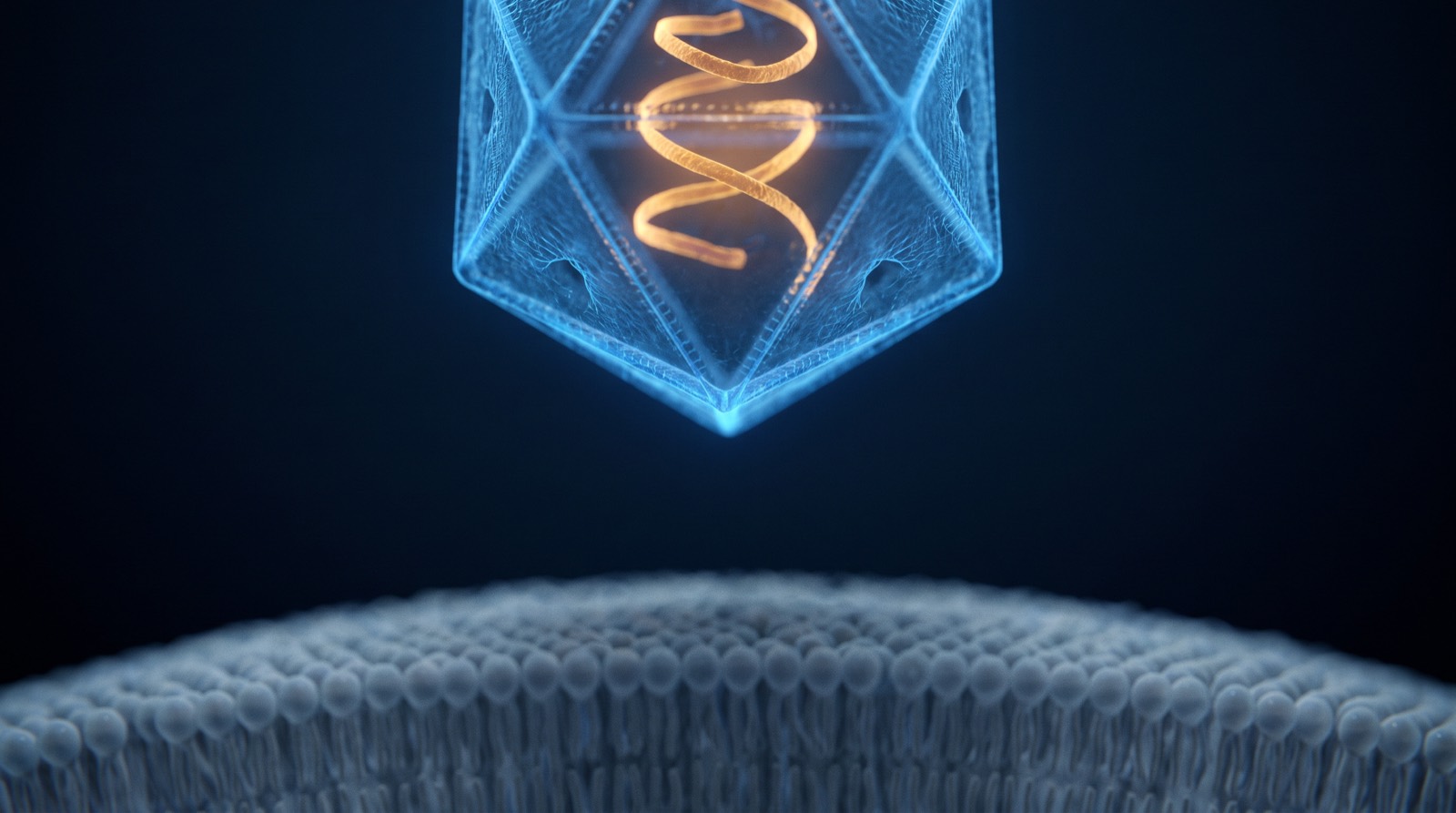
Gene Therapy (gene addition)
Delivers a working copy of a gene into cells without changing the existing genome. It is the older approach that gene…
- Cuts both strands
- No
- What it changes
- Nothing: a copy is added
- Precision
- Clinical maturity
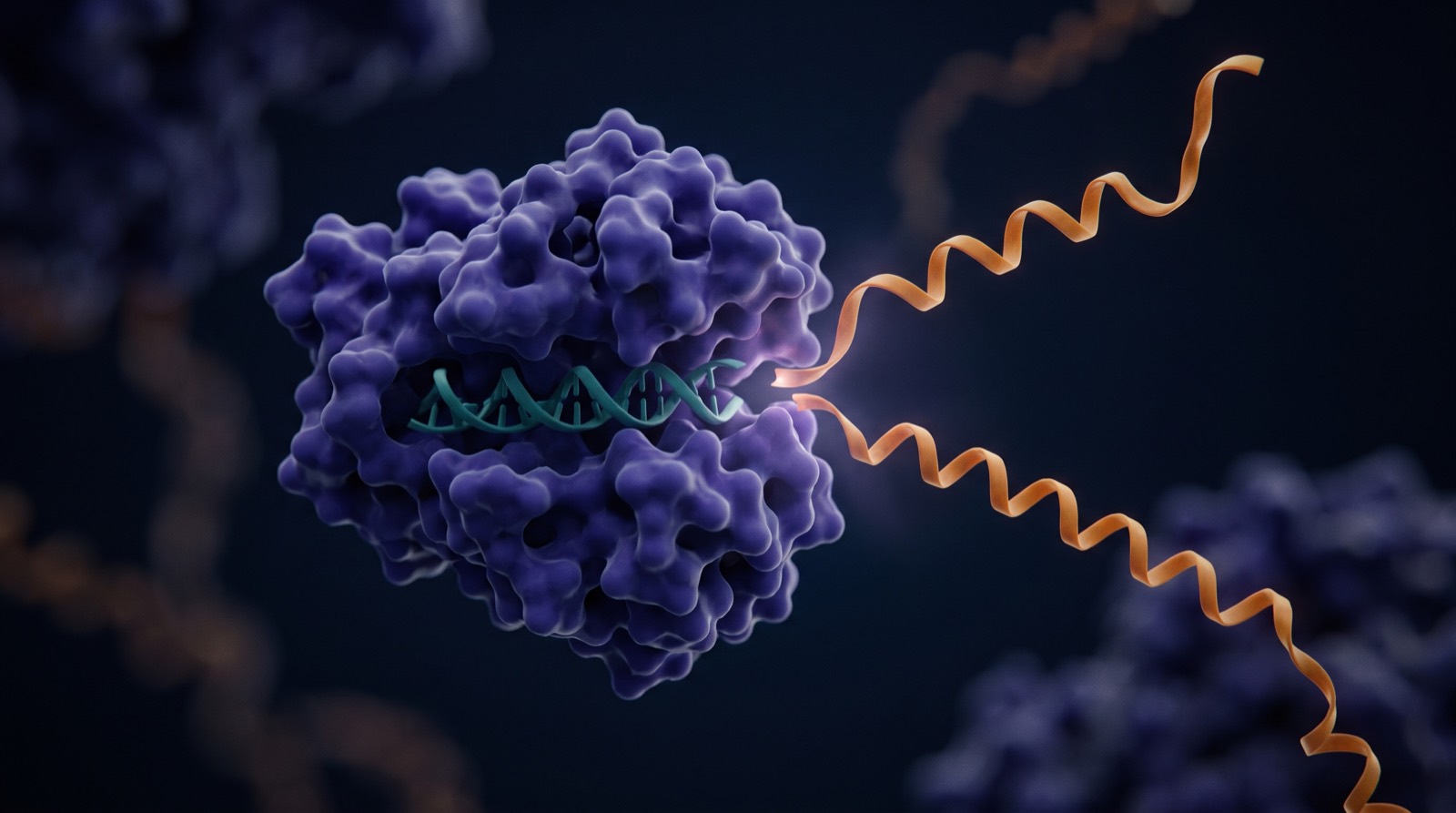
RNA Interference
Uses the cell's own machinery to destroy a specific RNA message, lowering a protein's level without touching DNA.
- Cuts both strands
- No
- What it changes
- RNA, destroyed rather than edited
- Precision
- Clinical maturity
Synthetic Biology
Designing genetic parts and circuits so that cells perform new functions: the engineering discipline that gene…
- Cuts both strands
- Varies
- What it changes
- Whole circuits and constructs
- Precision
- Clinical maturity
정밀도와 성숙도는 CRISPR Decoded 편집팀이 1–5점으로 평가한 것으로, 측정된 수치가 아닙니다. 한눈에 기술 간 장단점을 비교할 수 있도록 만든 지표입니다. 각 기술 페이지에서 평가 근거를 설명합니다. 다음을 사용하세요. comparison tool 두 가지를 나란히 비교하려면.