Gen düzenlemenin kapsamlı rehberi.
Menü
Ana Sayfa Öğren Haberler Atlas'a Sor
Keşfet Teknolojiler Hastalıklar Tedaviler Klinik Araştırmalar Şirketler Bilim insanları Genler Araştırma Kurumlar
Tıbbın ötesinde Tarım Etik Yatırım Dünya haritası
Öğren ve Araçlar Buradan başlayın Sözlük A–Z Teknolojileri karşılaştır Zaman çizelgesi Listeler ve Sıralamalar Yapay Zeka Ajanları ★ Kaydedildi API
Hakkında Hakkımızda Yöntem Veri Kaynakları Yayın Politikası İletişim Yasal Uyarılar

🧭 Rehberli Görünüm
Genetiğe yeni misiniz? Gezinirken her terimi sade bir dille açıklıyoruz. Aynı sayfalar, yardım da dahil.

⚡ Uzman Görüşü
Biyolojiyi zaten biliyorsunuz. Sadece içerik — sade ve özlü, fazladan açıklama yok. Bu varsayılan görünümdür.

Arayüz dili
Açık mod

Technology · Related approach

Synthetic Biology

Designing genetic parts and circuits so that cells perform new functions — the engineering discipline that gene editing serves as a tool.

Phase III engineeringcircuitscells
Clinical research Being tested in people in registered clinical trials. Being in trials is not evidence that a treatment works or is safe.

Sade açıklama

Gene editing changes what is written in a cell's instructions. Synthetic biology asks what you would write if you were designing from scratch: sensors that detect a condition, switches that respond, circuits that make a cell do something it never did before. CAR-T cancer therapy is the best-known example — immune cells given a new receptor so they recognise tumours they would otherwise ignore.

Daha derine in

Synthetic biology applies engineering principles — standardised parts, modular composition, design-build-test cycles — to biological systems. In medicine its most successful output is engineered cell therapy, notably CAR-T. Gene editing is one tool within it: editing is how synthetic constructs are installed and how unwanted native functions are removed, particularly in allogeneic products where the donor cells' own receptors must be disabled.

Where editing and synthetic biology meet

Allogeneic — 'off the shelf' — cell therapy is the clearest intersection. Making one donor's cells usable in many patients requires removing the T-cell receptor so the cells do not attack the recipient, and removing markers so the recipient does not immediately destroy them. That is several simultaneous edits in one cell, which is why multiplex editing capability is a competitive advantage in this field.

Where editing and synthetic biology meet
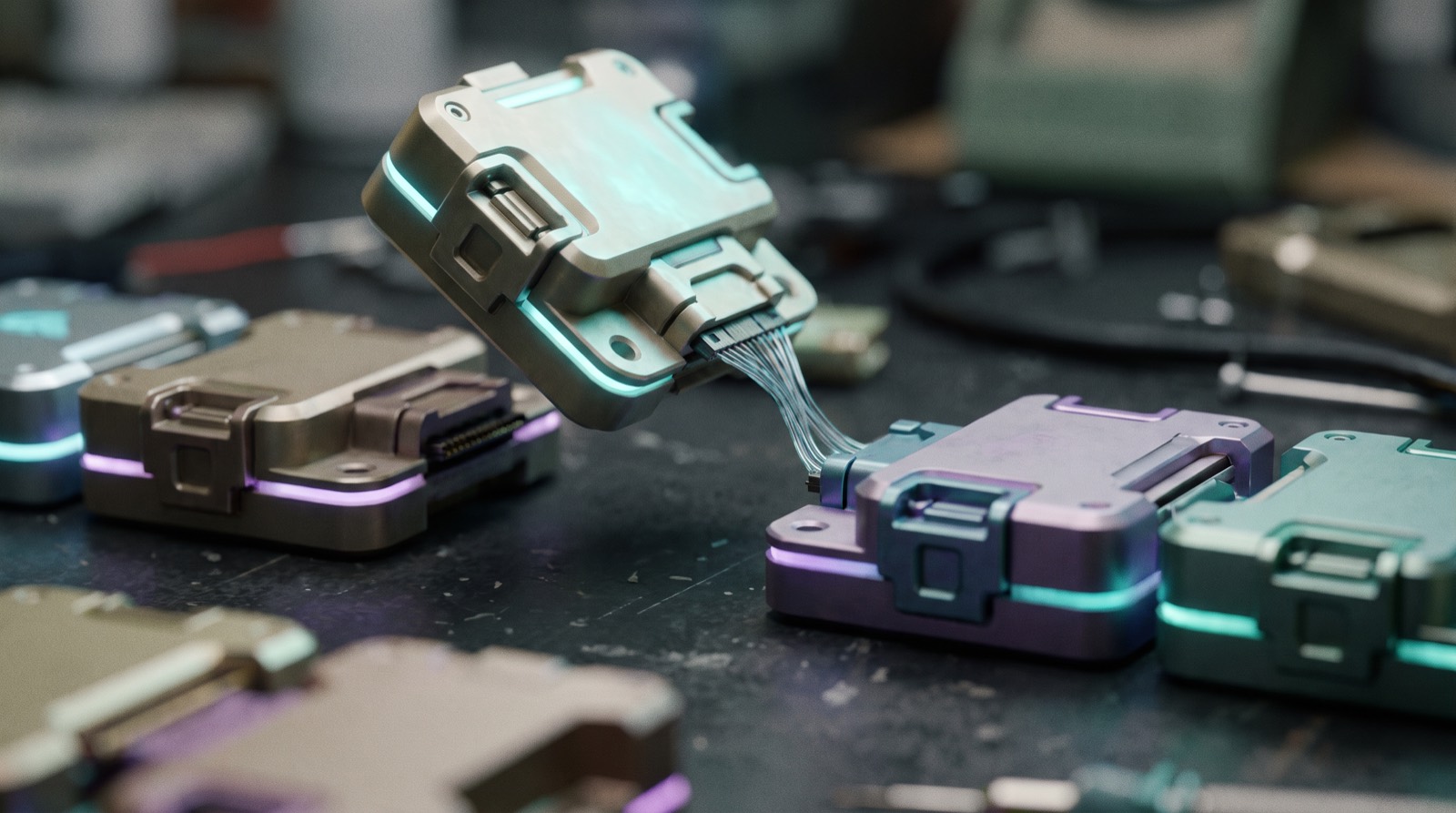
Modular genetic components assembled into a designed circuit. Illustration generated for The CRISPR Atlas — a visual aid, not a photograph or a literal depiction of molecular structure.

Sources

Connected in the Atlas

Every entry on this site is linked to the others it relates to. These connections are part of the record, not a search result.

Yalnızca eğitim amaçlı bilgi Bu sayfa bir referans kaynağıdır, tıbbi tavsiye değildir. Araştırma ve düzenleyici onay durumları değişebilir; yukarıdaki son güncelleme tarihini kontrol edin ve önemli bilgileri listelenen birincil kaynaklardan doğrulayın.