La guida definitiva all'editing genico.
Menu
Home Scopri Notizie Chiedi all'Atlas
Esplora Tecnologie Malattie Trattamenti Sperimentazioni cliniche Aziende Scienziati Geni Ricerca Istituzioni
Oltre la medicina Agricoltura Etica Investimenti Mappa del mondo
Scopri e strumenti Inizia da qui Glossario A–Z Confronta le tecnologie Cronologia Elenchi e classifiche Agenti IA ★ Salvato API
Informazioni Chi siamo Metodologia Fonti dei dati Politica editoriale Contatti Note legali

🧭 Vista guidata
Sei nuovo alla genetica? Spieghiamo ogni termine mentre navighi, in parole semplici. Le stesse pagine, con il supporto già incluso.

⚡ Parere degli esperti
Conosci già la biologia. Solo i contenuti — chiari e compatti, senza spiegazioni aggiuntive. Questa è la visualizzazione predefinita.

Lingua dell'interfaccia
Modalità chiara

Technology · Related approach

Synthetic Biology

Designing genetic parts and circuits so that cells perform new functions — the engineering discipline that gene editing serves as a tool.

Phase III engineeringcircuitscells
Clinical research Being tested in people in registered clinical trials. Being in trials is not evidence that a treatment works or is safe.

Spiegazione semplice

Gene editing changes what is written in a cell's instructions. Synthetic biology asks what you would write if you were designing from scratch: sensors that detect a condition, switches that respond, circuits that make a cell do something it never did before. CAR-T cancer therapy is the best-known example — immune cells given a new receptor so they recognise tumours they would otherwise ignore.

Approfondisci

Synthetic biology applies engineering principles — standardised parts, modular composition, design-build-test cycles — to biological systems. In medicine its most successful output is engineered cell therapy, notably CAR-T. Gene editing is one tool within it: editing is how synthetic constructs are installed and how unwanted native functions are removed, particularly in allogeneic products where the donor cells' own receptors must be disabled.

Where editing and synthetic biology meet

Allogeneic — 'off the shelf' — cell therapy is the clearest intersection. Making one donor's cells usable in many patients requires removing the T-cell receptor so the cells do not attack the recipient, and removing markers so the recipient does not immediately destroy them. That is several simultaneous edits in one cell, which is why multiplex editing capability is a competitive advantage in this field.

Where editing and synthetic biology meet
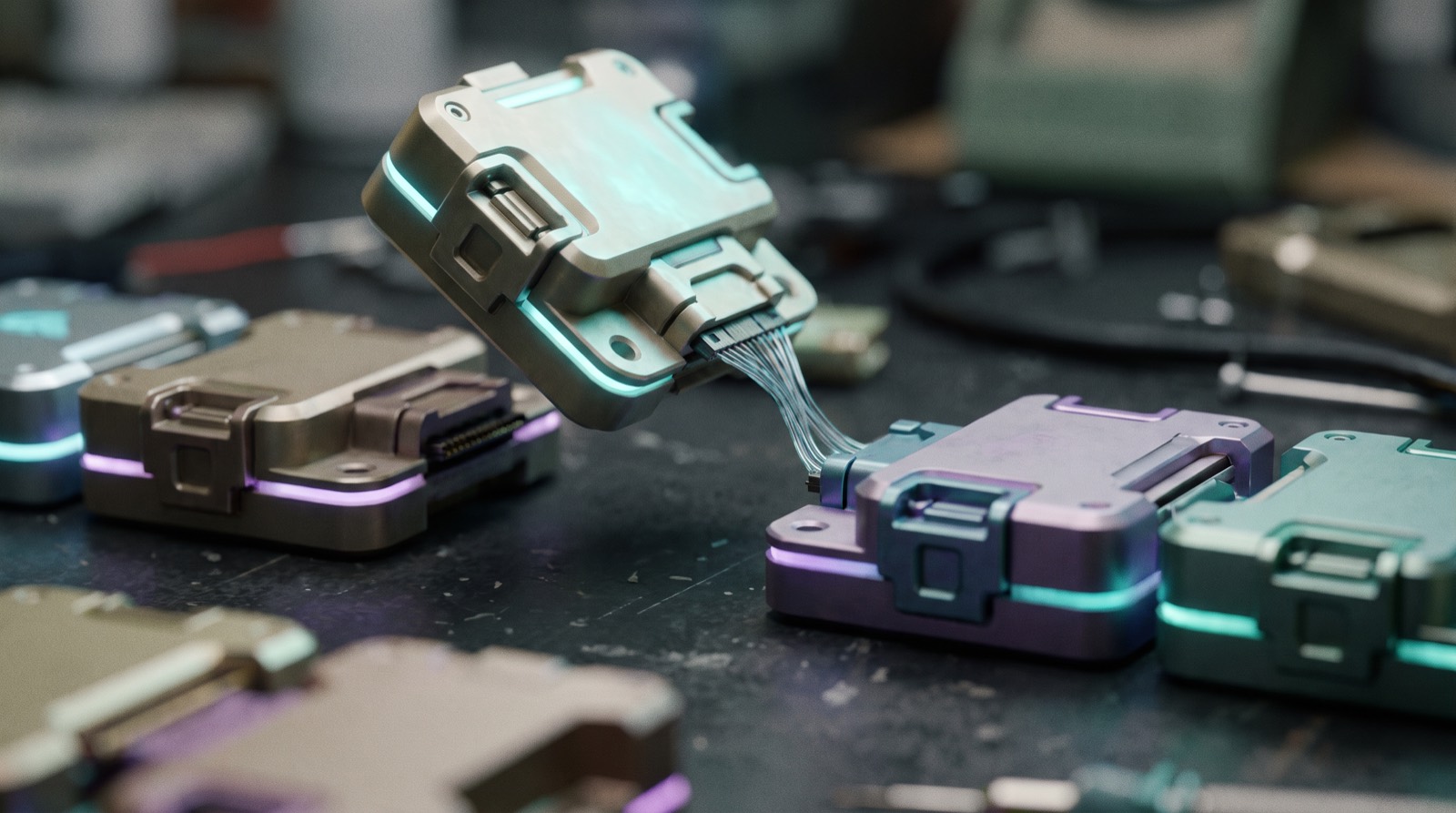
Modular genetic components assembled into a designed circuit. Illustration generated for The CRISPR Atlas — a visual aid, not a photograph or a literal depiction of molecular structure.

Sources

Connected in the Atlas

Every entry on this site is linked to the others it relates to. These connections are part of the record, not a search result.

Solo informazioni educative Questa pagina è una risorsa di riferimento, non una consulenza medica. Lo stato della ricerca e delle autorizzazioni regolatorie cambia; controlla la data dell'ultimo aggiornamento in alto e verifica le informazioni importanti nelle fonti primarie elencate.