La guía definitiva sobre edición genética.
Menú
Inicio Aprender Noticias Pregunta al Atlas
Explorar Tecnologías Enfermedades Tratamientos Ensayos clínicos Empresas Científicos Genes Investigación Instituciones
Más allá de la medicina Agricultura Ética Inversión Mapa mundial
Aprender y herramientas Empieza aquí Glosario A–Z Comparar tecnologías Cronología Listas y rankings Agentes de IA ★ Guardado API
Acerca de Quiénes somos Metodología Fuentes de datos Política editorial Contacto Avisos legales

🧭 Vista guiada
¿Eres nuevo en genética? Explicamos cada término mientras navegas, en un lenguaje sencillo. Las mismas páginas, con la ayuda incorporada.

⚡ Opinión experta
Ya conoces la biología. Solo el contenido — limpio y compacto, sin explicaciones adicionales. Esta es la vista predeterminada.

Idioma de la interfaz
Modo claro

Technology · Related approach

Synthetic Biology

Designing genetic parts and circuits so that cells perform new functions — the engineering discipline that gene editing serves as a tool.

Phase III engineeringcircuitscells
Clinical research Being tested in people in registered clinical trials. Being in trials is not evidence that a treatment works or is safe.

Explicación sencilla

Gene editing changes what is written in a cell's instructions. Synthetic biology asks what you would write if you were designing from scratch: sensors that detect a condition, switches that respond, circuits that make a cell do something it never did before. CAR-T cancer therapy is the best-known example — immune cells given a new receptor so they recognise tumours they would otherwise ignore.

Profundizar

Synthetic biology applies engineering principles — standardised parts, modular composition, design-build-test cycles — to biological systems. In medicine its most successful output is engineered cell therapy, notably CAR-T. Gene editing is one tool within it: editing is how synthetic constructs are installed and how unwanted native functions are removed, particularly in allogeneic products where the donor cells' own receptors must be disabled.

Where editing and synthetic biology meet

Allogeneic — 'off the shelf' — cell therapy is the clearest intersection. Making one donor's cells usable in many patients requires removing the T-cell receptor so the cells do not attack the recipient, and removing markers so the recipient does not immediately destroy them. That is several simultaneous edits in one cell, which is why multiplex editing capability is a competitive advantage in this field.

Where editing and synthetic biology meet
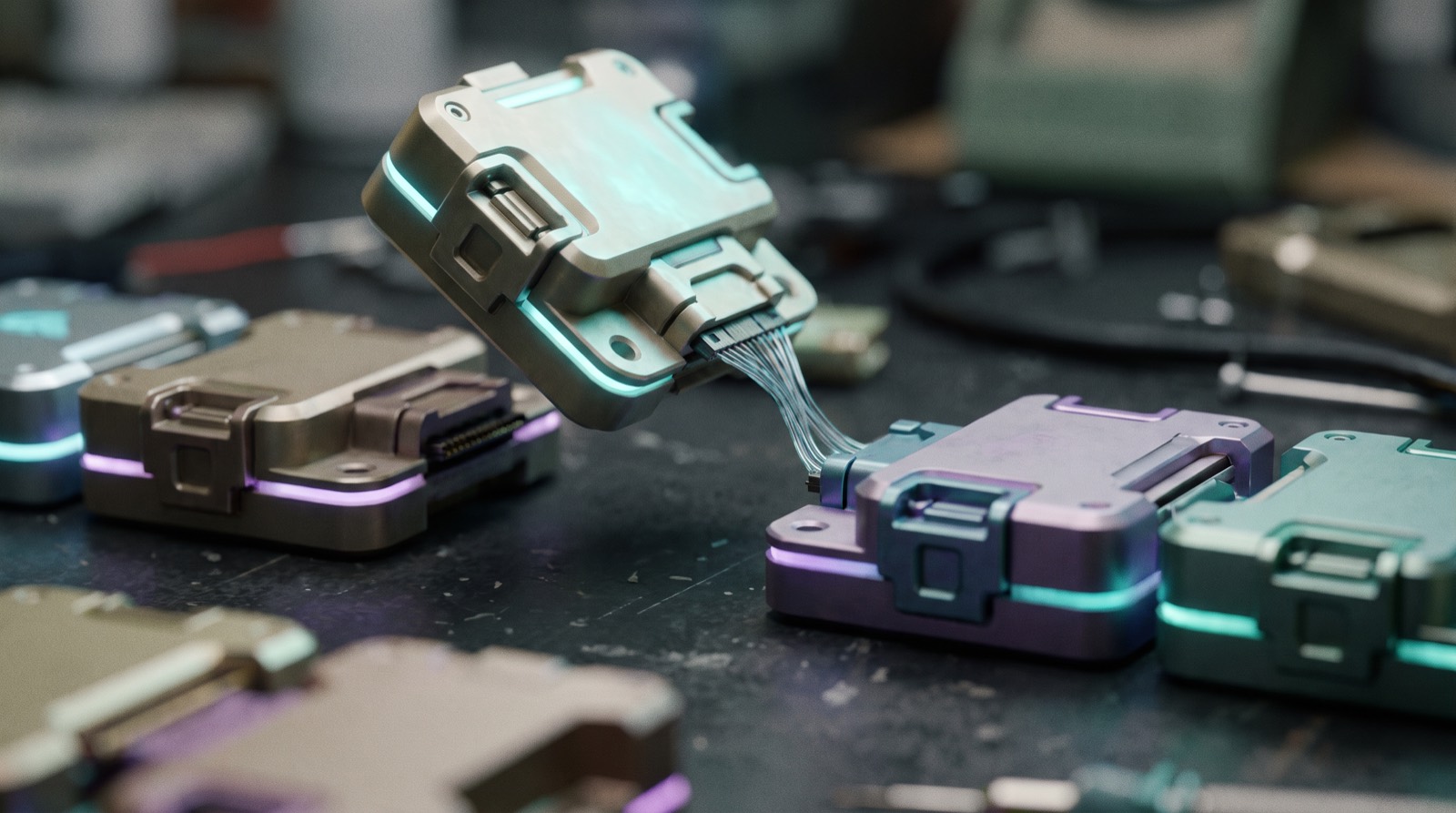
Modular genetic components assembled into a designed circuit. Illustration generated for The CRISPR Atlas — a visual aid, not a photograph or a literal depiction of molecular structure.

Sources

Connected in the Atlas

Every entry on this site is linked to the others it relates to. These connections are part of the record, not a search result.

Solo información educativa Esta página es una referencia, no asesoramiento médico. El estado de la investigación y la situación regulatoria cambian; comprueba la fecha de última actualización que aparece arriba y confirma cualquier dato importante con las fuentes primarias indicadas.