المرجع الشامل لتحرير الجينات.
القائمة
الرئيسية تعلّم الأخبار اسأل الأطلس
استكشف التقنيات الأمراض العلاجات التجارب السريرية الشركات العلماء الجينات البحث العلمي المؤسسات
ما وراء الطب الزراعة الأخلاقيات الاستثمار خريطة العالم
التعلم والأدوات ابدأ من هنا مسرد من أ إلى ي مقارنة التقنيات الجدول الزمني القوائم والتصنيفات وكلاء الذكاء الاصطناعي ★ تم الحفظ API
حول من نحن المنهجية مصادر البيانات السياسة التحريرية تواصل معنا إخلاء المسؤولية

🧭 العرض الموجَّه
هل أنت جديد في عالم الجينات؟ نشرح لك كل مصطلح أثناء تصفحك، بلغة بسيطة وواضحة. نفس الصفحات، مع مساعدة مدمجة فيها.

⚡ رأي الخبير
أنت تعرف الأساسيات البيولوجية بالفعل. المحتوى فقط — موجز وواضح، بدون شروح إضافية. هذا هو العرض الافتراضي.

لغة الواجهة
الوضع الفاتح

Technology · Related approach

Synthetic Biology

Designing genetic parts and circuits so that cells perform new functions — the engineering discipline that gene editing serves as a tool.

Phase III engineeringcircuitscells
Clinical research Being tested in people in registered clinical trials. Being in trials is not evidence that a treatment works or is safe.

شرح مبسّط

Gene editing changes what is written in a cell's instructions. Synthetic biology asks what you would write if you were designing from scratch: sensors that detect a condition, switches that respond, circuits that make a cell do something it never did before. CAR-T cancer therapy is the best-known example — immune cells given a new receptor so they recognise tumours they would otherwise ignore.

تعمق أكثر

Synthetic biology applies engineering principles — standardised parts, modular composition, design-build-test cycles — to biological systems. In medicine its most successful output is engineered cell therapy, notably CAR-T. Gene editing is one tool within it: editing is how synthetic constructs are installed and how unwanted native functions are removed, particularly in allogeneic products where the donor cells' own receptors must be disabled.

Where editing and synthetic biology meet

Allogeneic — 'off the shelf' — cell therapy is the clearest intersection. Making one donor's cells usable in many patients requires removing the T-cell receptor so the cells do not attack the recipient, and removing markers so the recipient does not immediately destroy them. That is several simultaneous edits in one cell, which is why multiplex editing capability is a competitive advantage in this field.

Where editing and synthetic biology meet
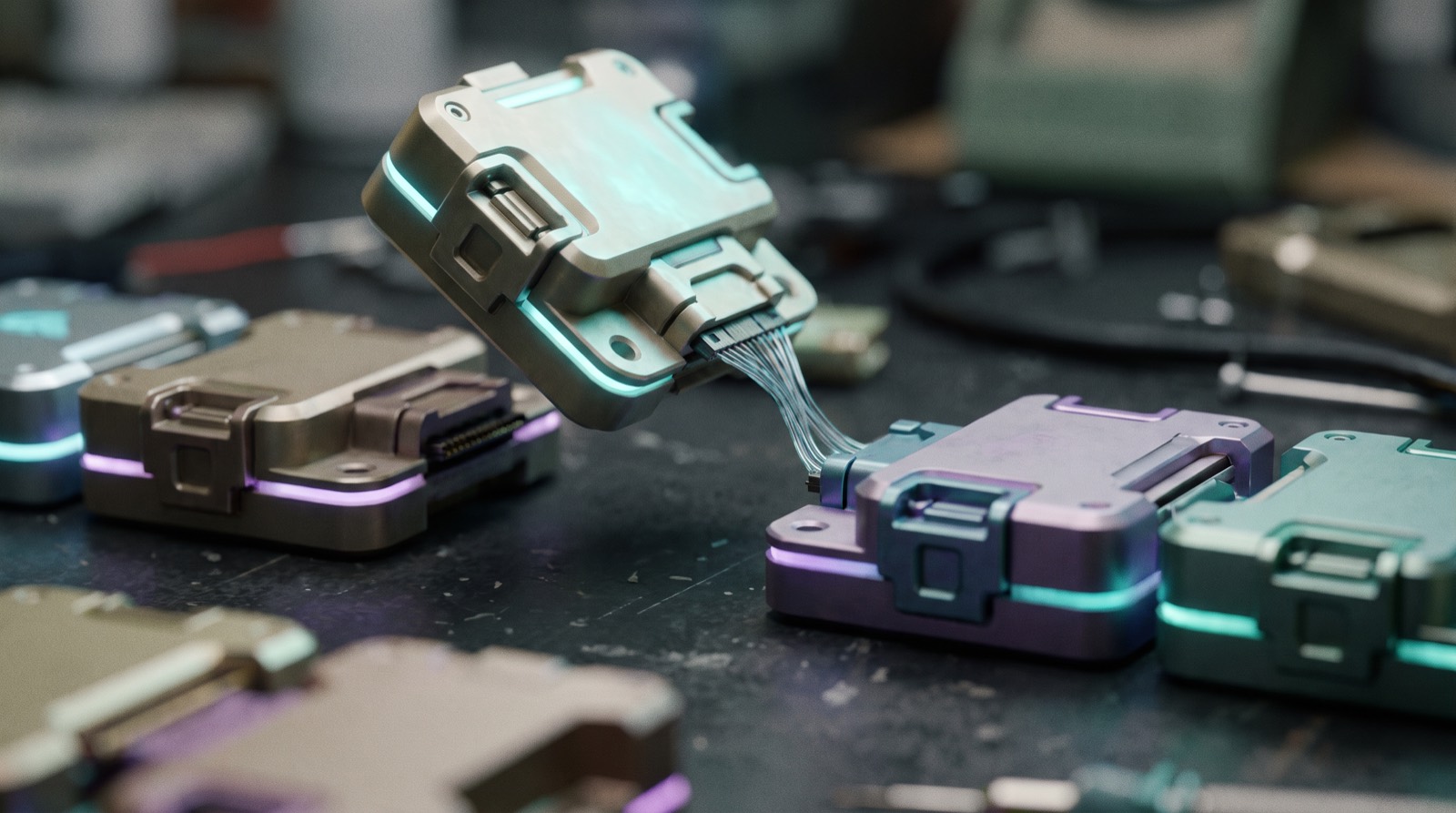
Modular genetic components assembled into a designed circuit. Illustration generated for The CRISPR Atlas — a visual aid, not a photograph or a literal depiction of molecular structure.

Sources

Connected in the Atlas

Every entry on this site is linked to the others it relates to. These connections are part of the record, not a search result.

معلومات تعليمية فحسب هذه الصفحة مرجعٌ للمعلومات، وليست مشورة طبية. تتغيّر أوضاع البحث والتنظيم باستمرار؛ راجع تاريخ آخر تحديث أعلاه وتحقَّق من أي معلومة مهمة عبر المصادر الأولية المدرَجة.