Hướng dẫn toàn diện về chỉnh sửa gene.
Menu
Trang chủ Tìm hiểu Tin tức Hỏi Atlas
Khám phá Các công nghệ Các bệnh Các phương pháp điều trị Thử nghiệm lâm sàng Các công ty Các nhà khoa học Các gene Nghiên cứu Tổ chức / Cơ sở
Ngoài y học Nông nghiệp Đạo đức Đầu tư Bản đồ thế giới
Tìm hiểu & Công cụ Bắt đầu tại đây Bảng thuật ngữ A–Z So sánh các công nghệ Dòng thời gian Danh sách & Xếp hạng AI Agents ★ Đã lưu API
Giới thiệu Về chúng tôi Phương pháp Nguồn dữ liệu Chính sách biên tập Liên hệ Tuyên bố miễn trừ trách nhiệm

🧭 Chế độ xem có hướng dẫn
Mới làm quen với di truyền học? Chúng tôi giải thích mọi thuật ngữ ngay khi bạn duyệt, bằng ngôn ngữ dễ hiểu. Cùng nội dung đó, nhưng có phần hỗ trợ tích hợp sẵn.

⚡ Góc nhìn chuyên gia
Bạn đã hiểu về sinh học rồi. Chỉ cần nội dung — gọn gàng và súc tích, không có giải thích thêm. Đây là chế độ xem mặc định.

Ngôn ngữ giao diện
Chế độ sáng

Disease · Eye disease

Inherited Blindness

Inherited retinal disease was where in vivo CRISPR was first injected directly into a human organ — the eye being small, enclosed and immune-privileged.

Phase I/II eyein vivoCEP290
Clinical research Being tested in people in registered clinical trials. Being in trials is not evidence that a treatment works or is safe.

Giải thích đơn giản

The retina is a thin sheet of light-sensing cells at the back of the eye, and dozens of inherited faults can destroy it. The eye is the easiest place in the body to try gene editing: it is tiny, so you need very little of anything; it is sealed off, so what you inject stays put; the immune system leaves it relatively alone; and you can watch the result directly and measure whether vision improved.

Tìm hiểu sâu hơn

Inherited retinal dystrophies are caused by variants in over 280 genes. EDIT-101 (Brilliance) delivered CRISPR-Cas9 by subretinal AAV injection to excise the intronic CEP290 c.2991+1655A>G variant causing Leber congenital amaurosis type 10 — the first in vivo CRISPR administration to a human organ. The trial reported meaningful vision improvement in a subset of participants but was discontinued for strategic reasons given the very small eligible population, not for safety.

What the Brilliance trial showed and did not show

Published results showed clinically meaningful improvement in a minority of participants with an acceptable safety profile — genuine proof that in vivo editing can produce functional benefit in a human organ. It was then discontinued because the eligible population for that specific variant was too small to support a commercial programme.

That ending is worth sitting with. It was not a scientific failure; it was an economic one. For ultra-rare variants the science can work and the medicine still not get made, which is exactly the problem the FDA's 2026 draft framework for individualised therapies is trying to address.

What the Brilliance trial showed and did not show
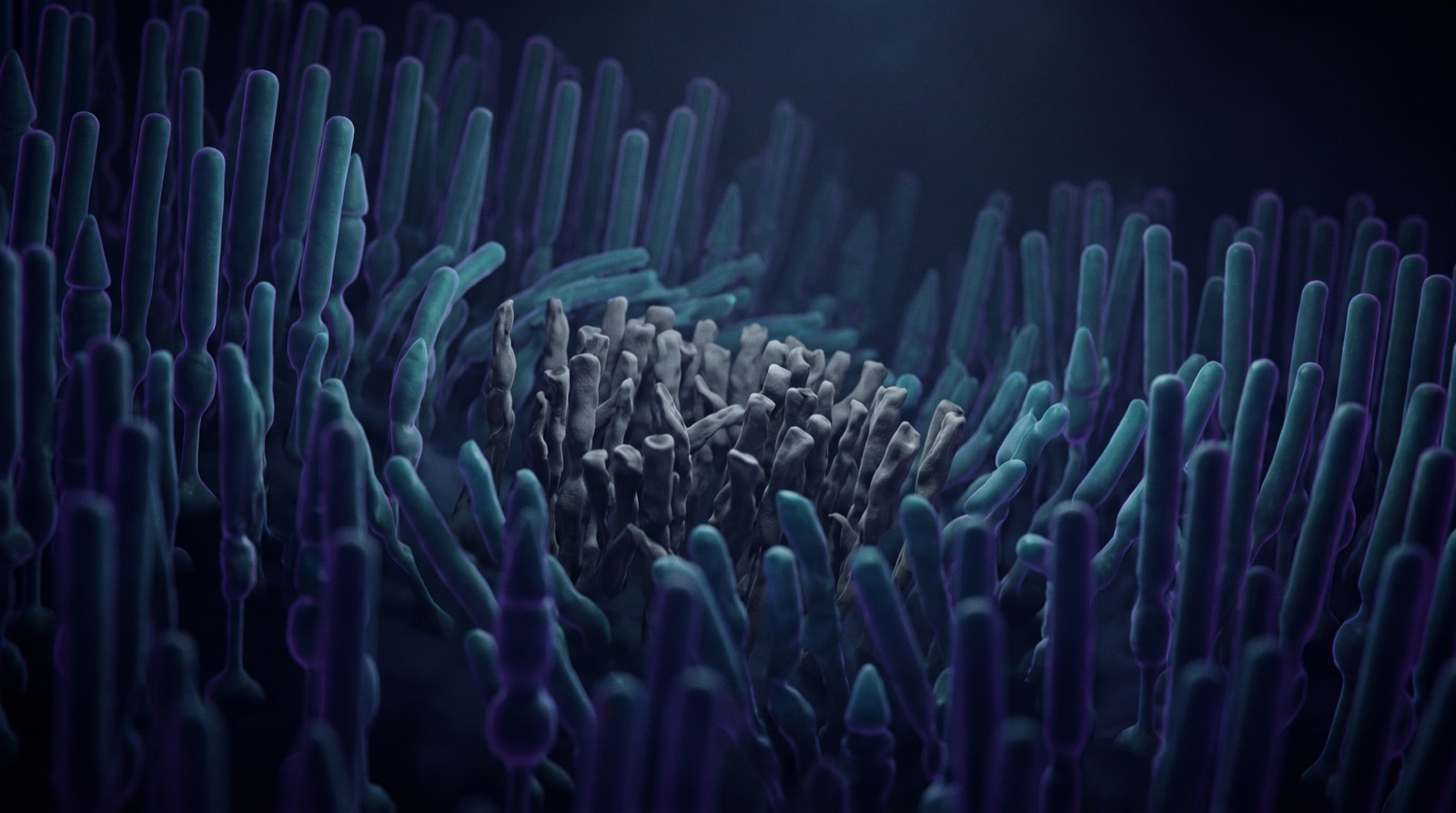
Photoreceptors in the retina, with a degenerating region at the centre. Illustration generated for The CRISPR Atlas — a visual aid, not a photograph or a literal depiction of molecular structure.

Sources

Connected in the Atlas

Every entry on this site is linked to the others it relates to. These connections are part of the record, not a search result.

Chỉ mang tính chất thông tin giáo dục Trang này là tài liệu tham khảo, không phải tư vấn y tế. Tình trạng nghiên cứu và quy định thay đổi; hãy kiểm tra ngày cập nhật lần cuối ở trên và xác nhận mọi thông tin quan trọng với các nguồn chính được liệt kê.