도구
기술 비교
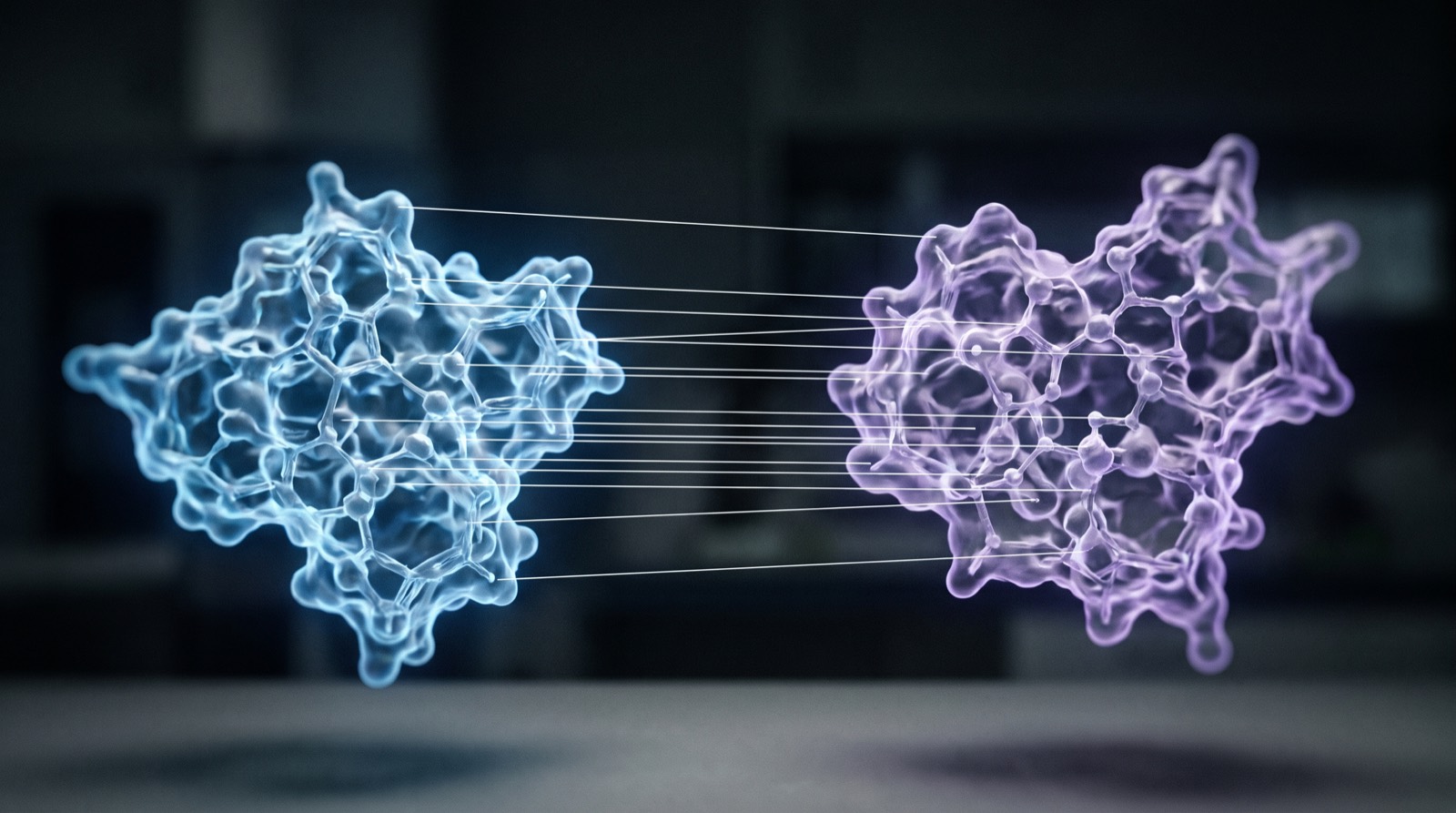
두 가지 또는 세 가지 접근법을 선택하여 정밀도, DNA 절단 방식, 탑재 용량 크기, 전달 방법, 임상 성숙도, 알려진 위험성이 어떻게 다른지 확인해 보세요.
위에서 두 가지 기술을 선택하거나, 아래의 비교 글을 읽어보세요.
서면 비교
사람들이 가장 많이 헷갈리는 개념, 제대로 설명합니다.
CRISPR vs Gene TherapyThe distinction people get wrong most often: one adds a gene, the other changes the one already…
CRISPR-Cas9 vs Base EditingCutting versus chemistry: one breaks the DNA and lets the cell repair it, the other rewrites a…
Base Editing vs Prime EditingA pencil that changes one letter, against a find-and-replace that can write a short phrase.
CRISPR-Cas9 vs Cas12Two nucleases that both cut DNA, differing in where they can aim, how they cut, and what they do…
CRISPR vs TALENsRNA aiming against protein aiming, and why one of them took over biology in a year.
CRISPR vs Zinc Finger NucleasesThe newcomer against the original, which is compact enough to fit where CRISPR struggles.
Ex Vivo vs In Vivo Gene EditingEditing cells outside the body and giving them back, against editing them where they already are.
CRISPR vs RNA InterferenceA permanent change to the instructions, against a temporary attack on the copies.
전체 기술
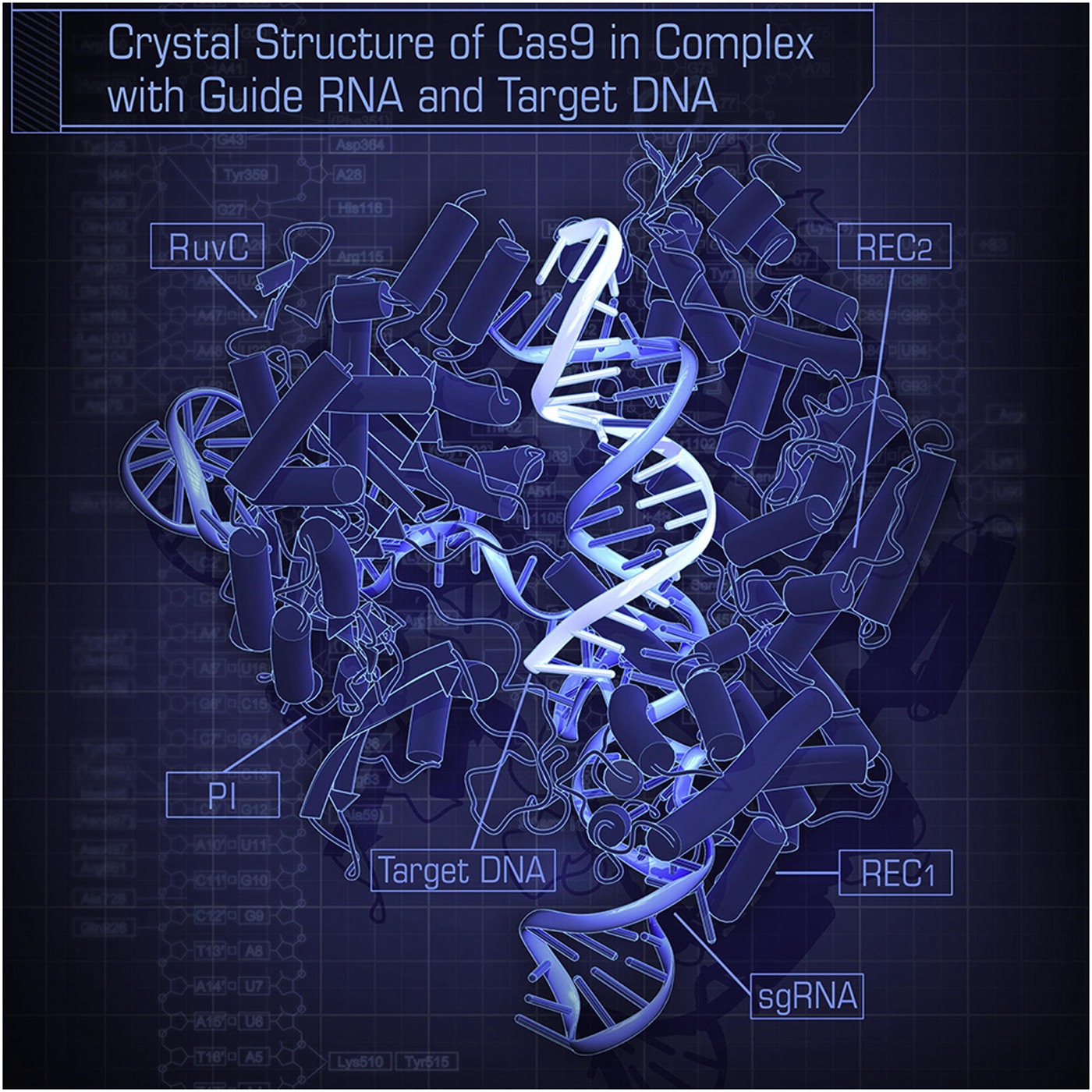 CRISPR-Cas9A protein that can be programmed with a short RNA guide to find one specific sequence in a genome and cut it.
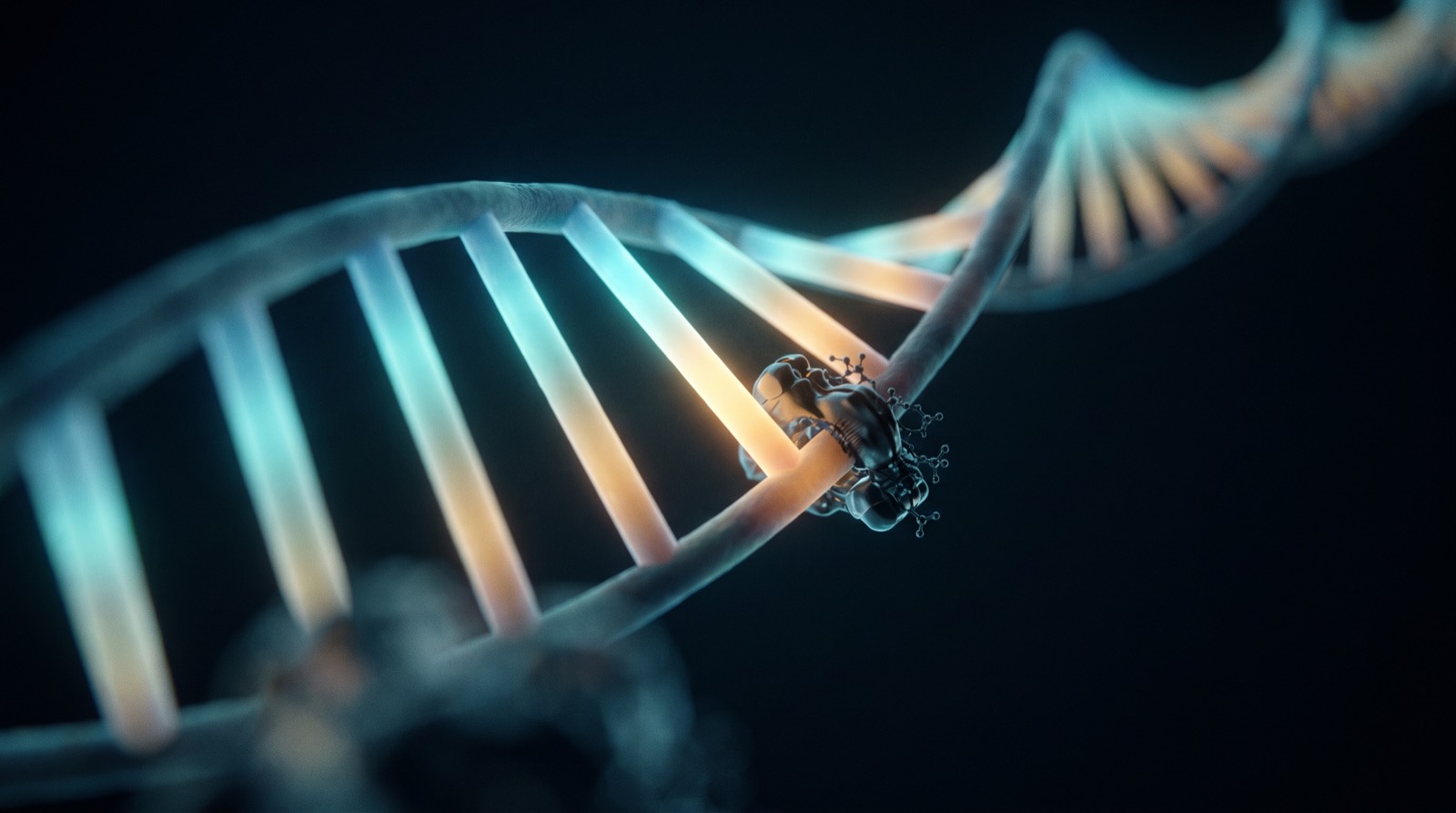 Base EditingChemically converts one DNA letter into another at a chosen position, without cutting both strands of the double helix.
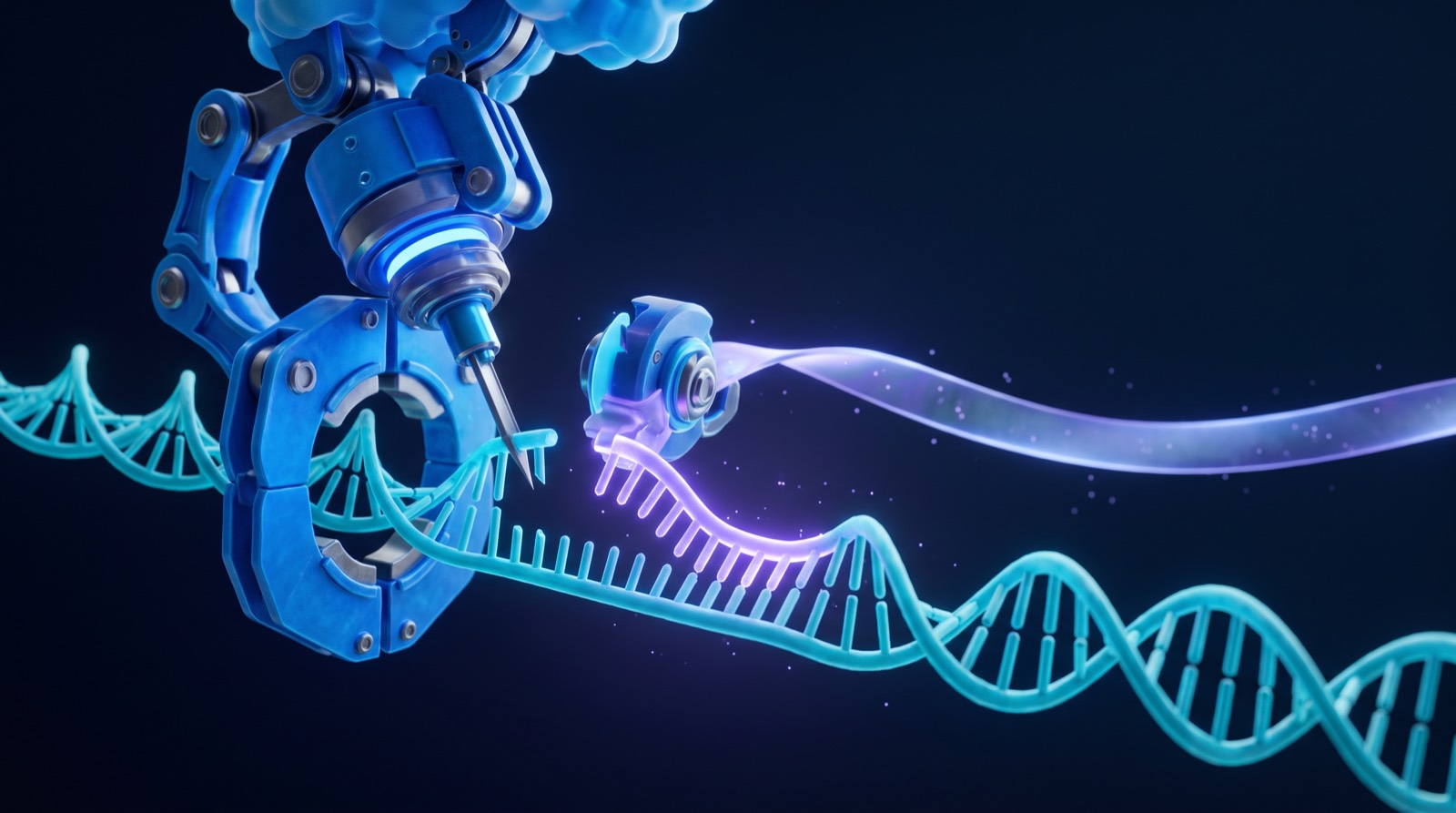 Prime EditingWrites a new stretch of DNA sequence directly into a chosen site, using a guide that carries the replacement text with it.
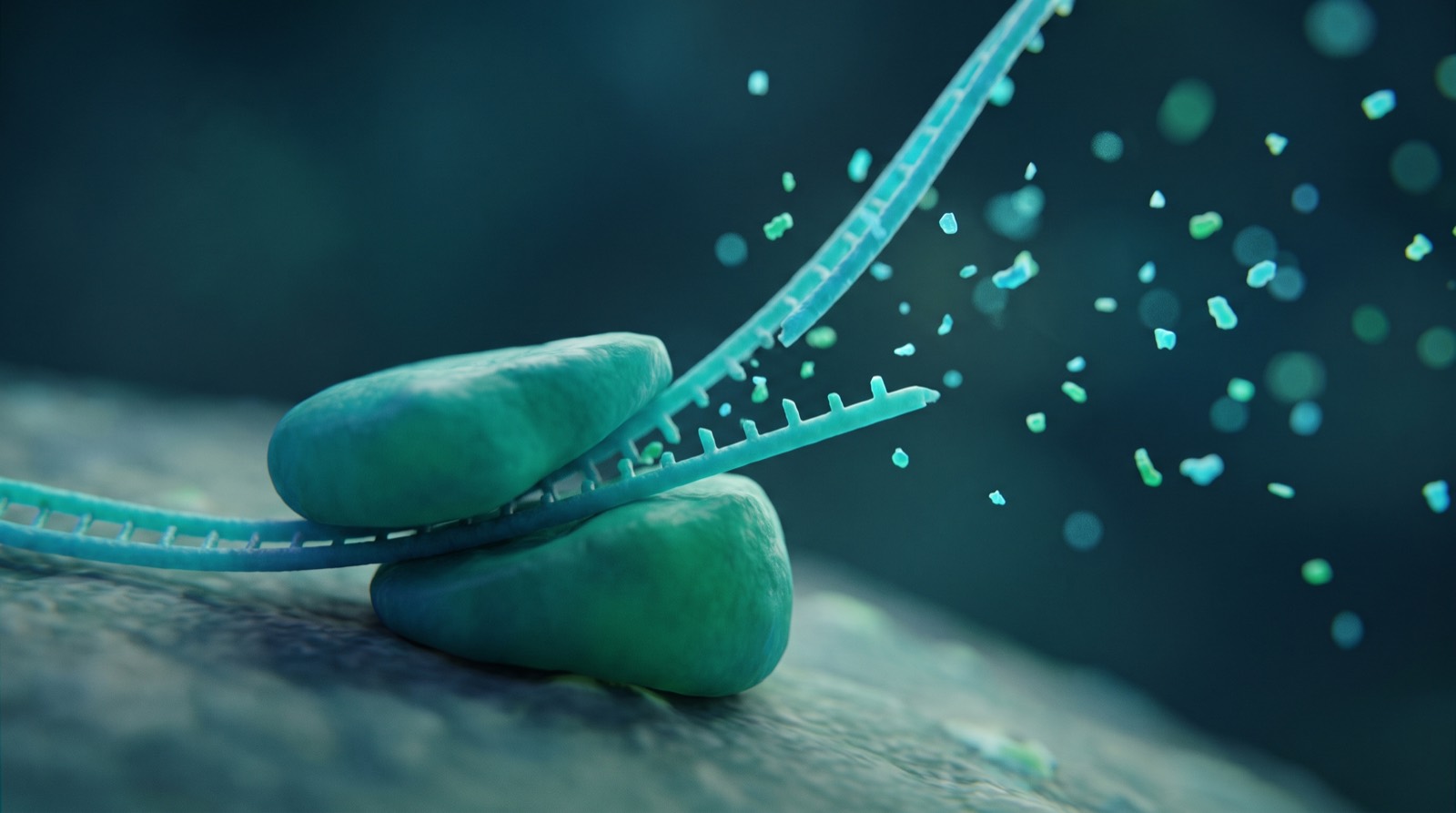 CRISPR-Cas12A family of CRISPR nucleases that cut DNA leaving staggered ends, use a different sequence requirement from Cas9, and can be smaller.
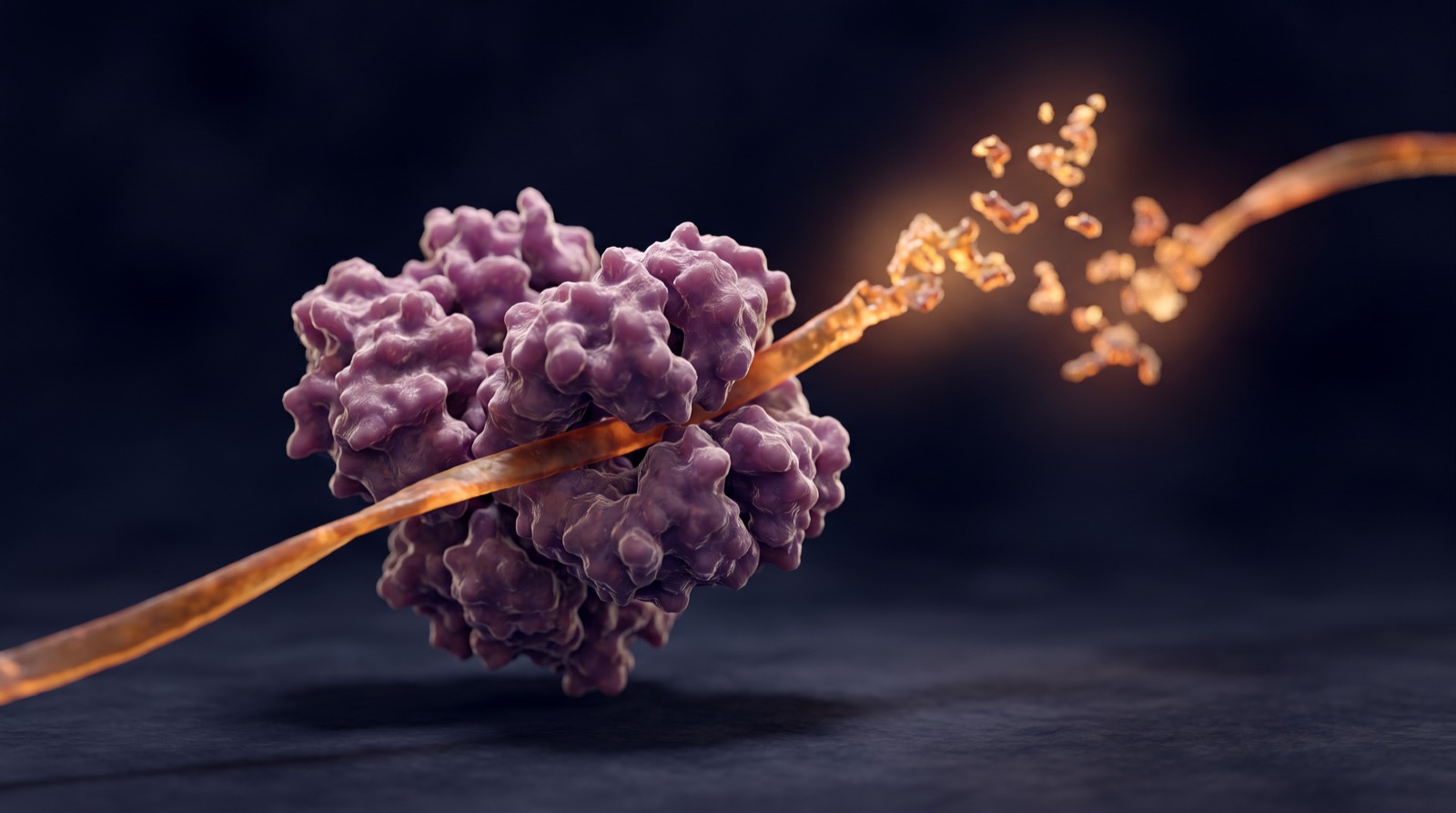 CRISPR-Cas13Targets RNA rather than DNA, so it can silence a gene's message without touching the genome itself.
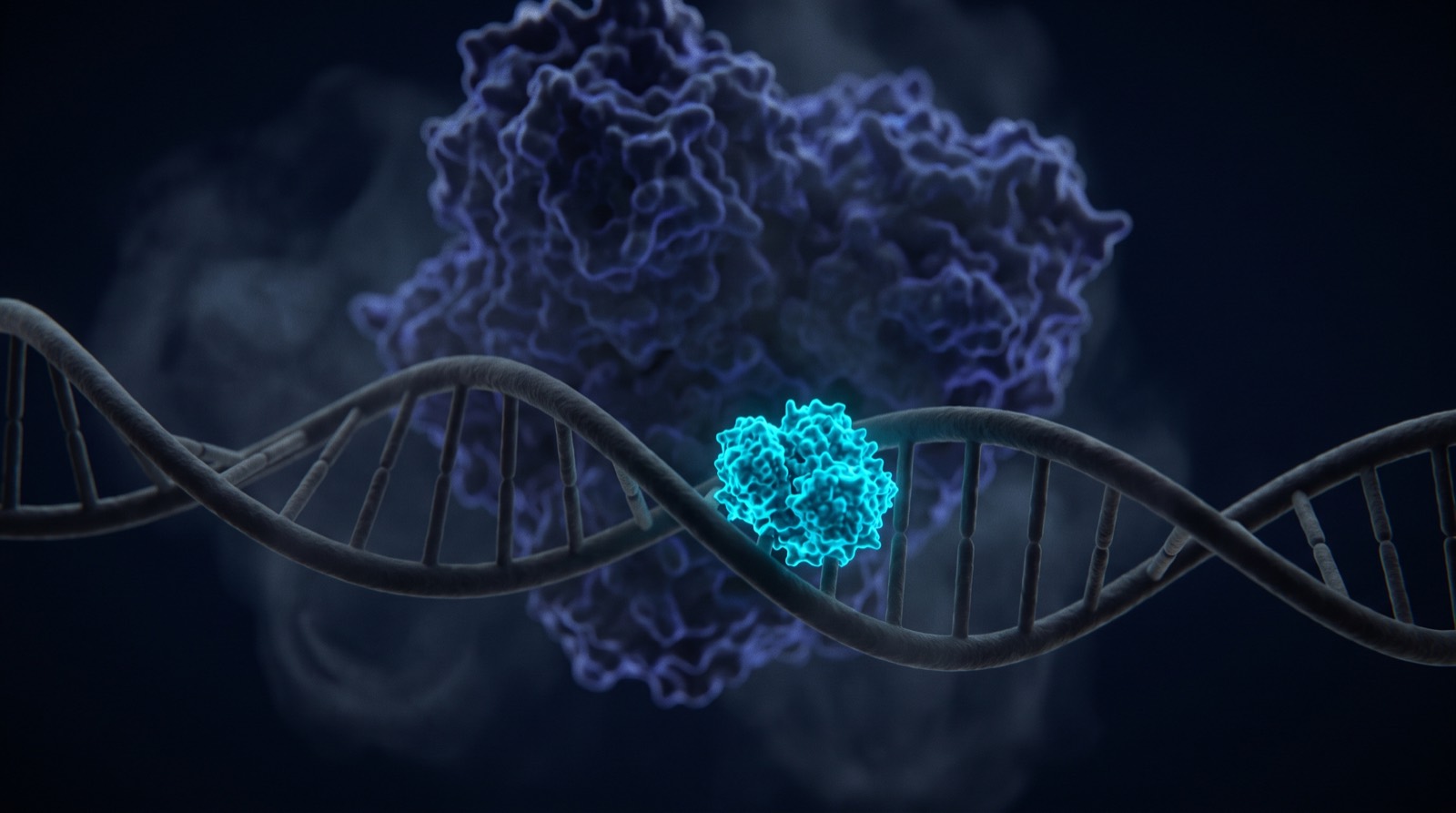 Cas14 and miniature Cas systemsUnusually small CRISPR nucleases, roughly a third the size of Cas9, discovered in archaea and bacteriophages.
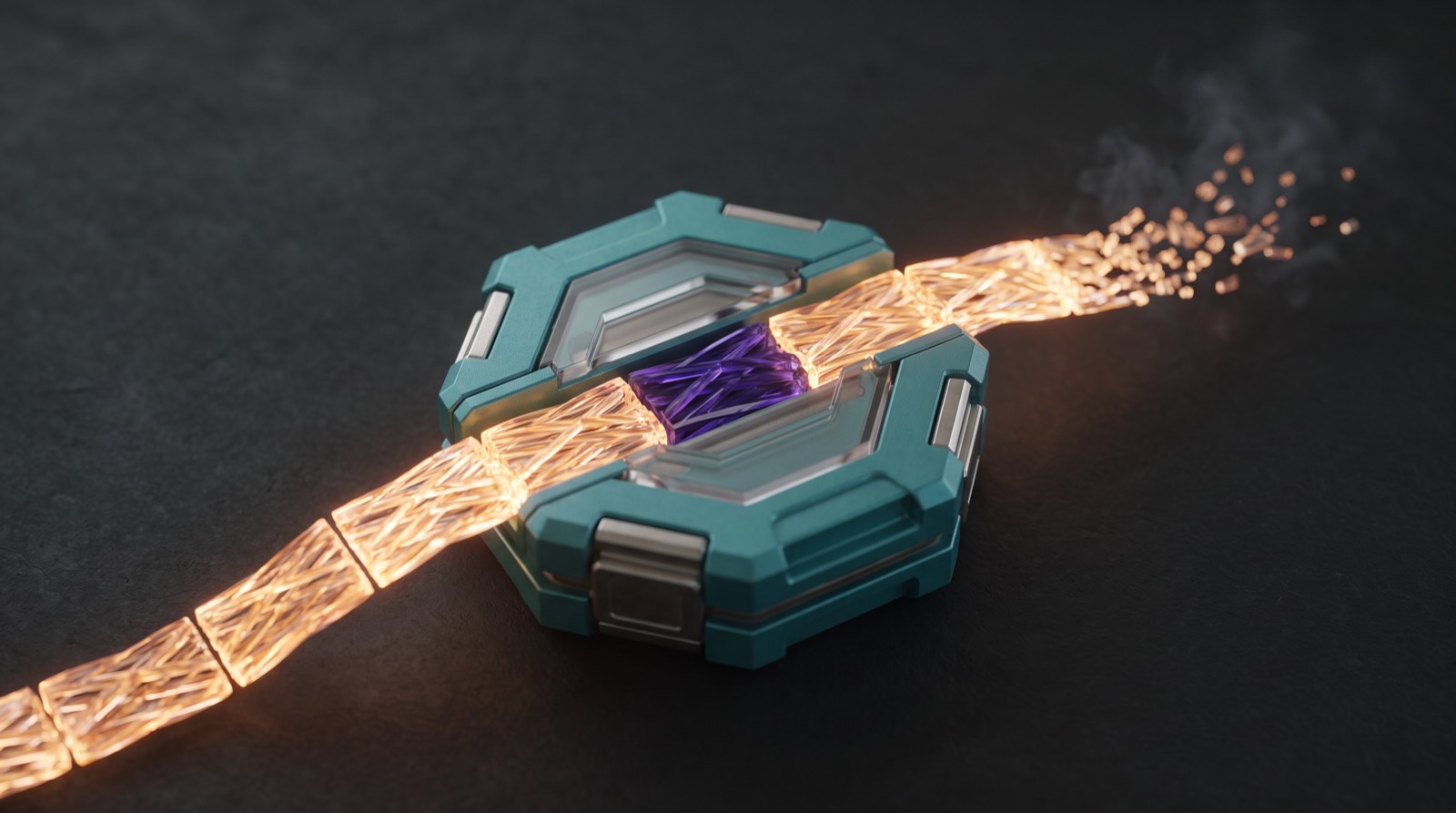 RNA EditingChanges letters in the RNA message rather than in the DNA, so the effect is real but temporary and the genome is untouched.
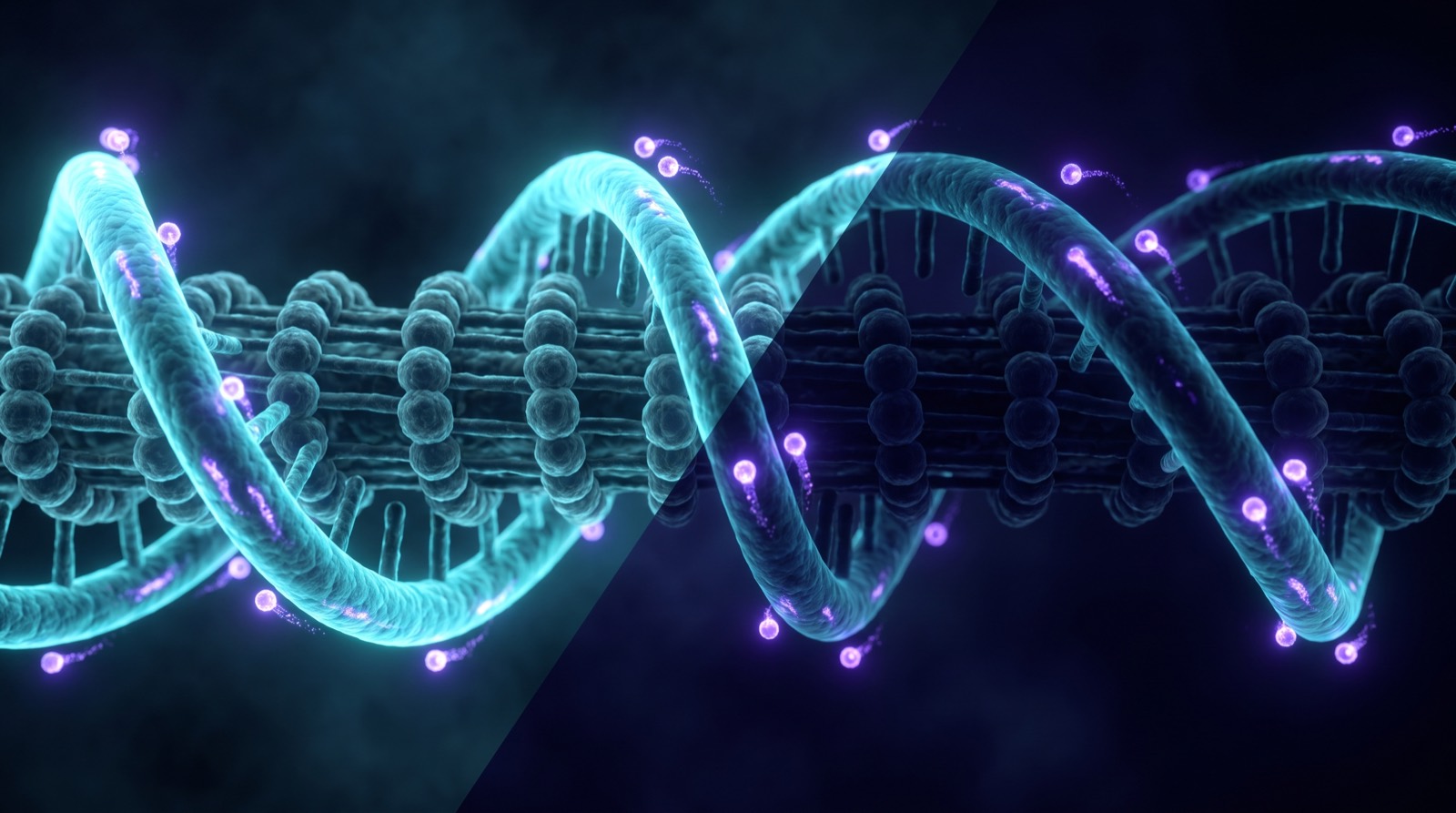 Epigenetic EditingChanges how loudly a gene is expressed by rewriting the chemical marks on and around it, without altering a single letter of DNA sequence.
 CRISPRa (gene activation)Uses a disabled CRISPR protein to switch a gene up rather than to cut it.
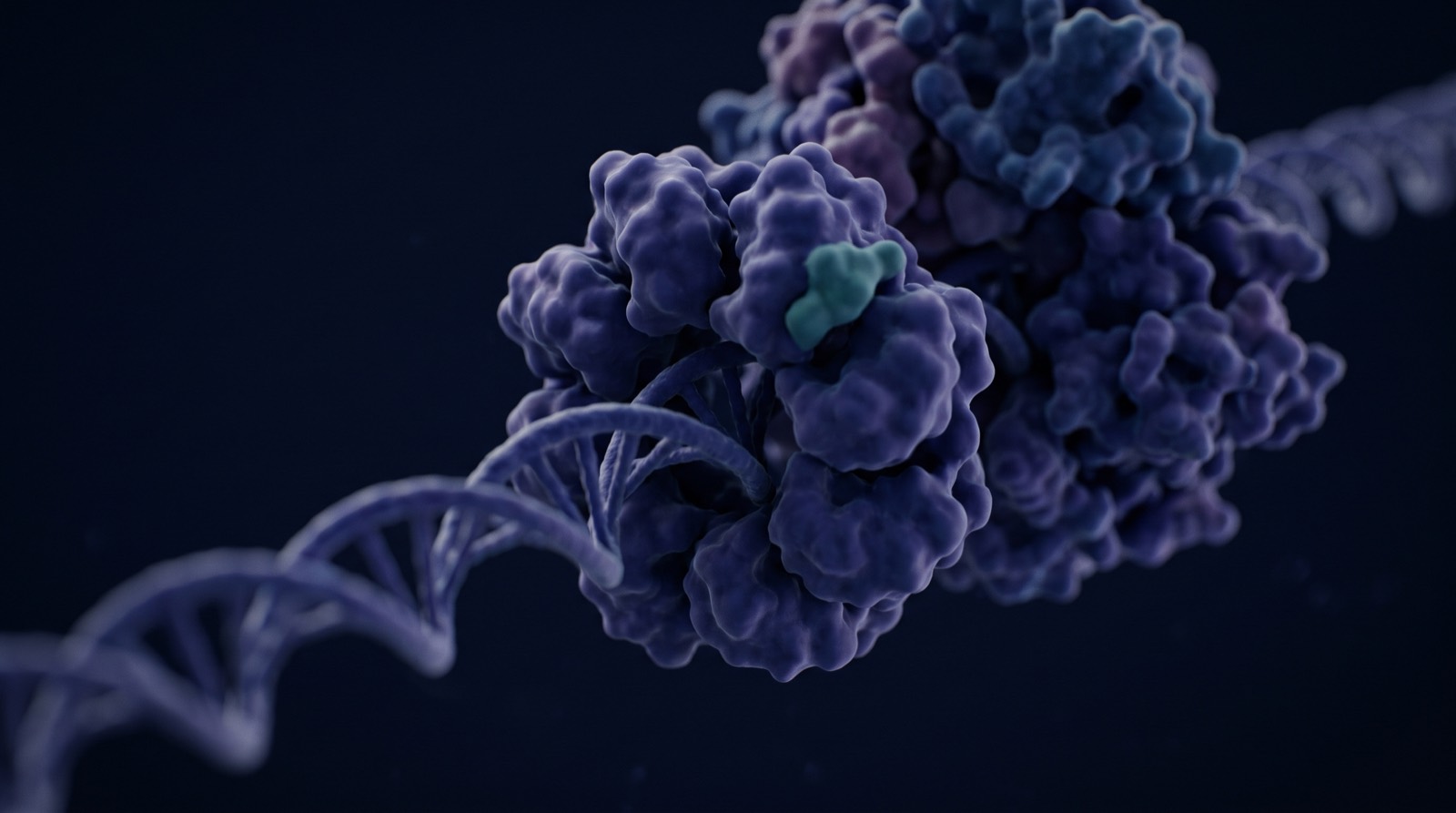 CRISPRi (gene silencing)Parks a disabled CRISPR protein on a gene to block it from being read, turning it down without changing it.
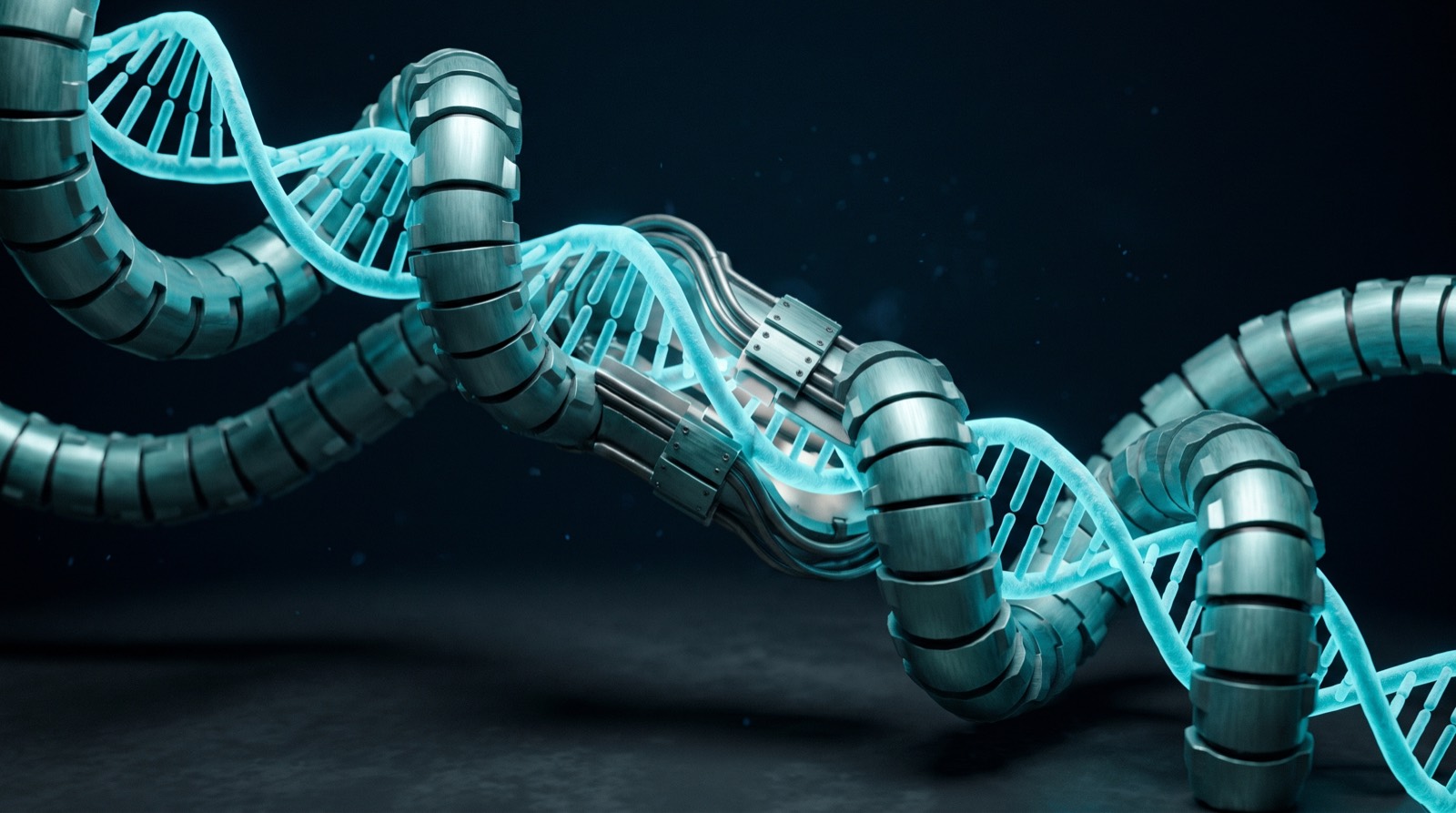 TALENsCustom-built proteins that recognise DNA letter by letter and cut: the technique CRISPR largely displaced, still in clinical use.
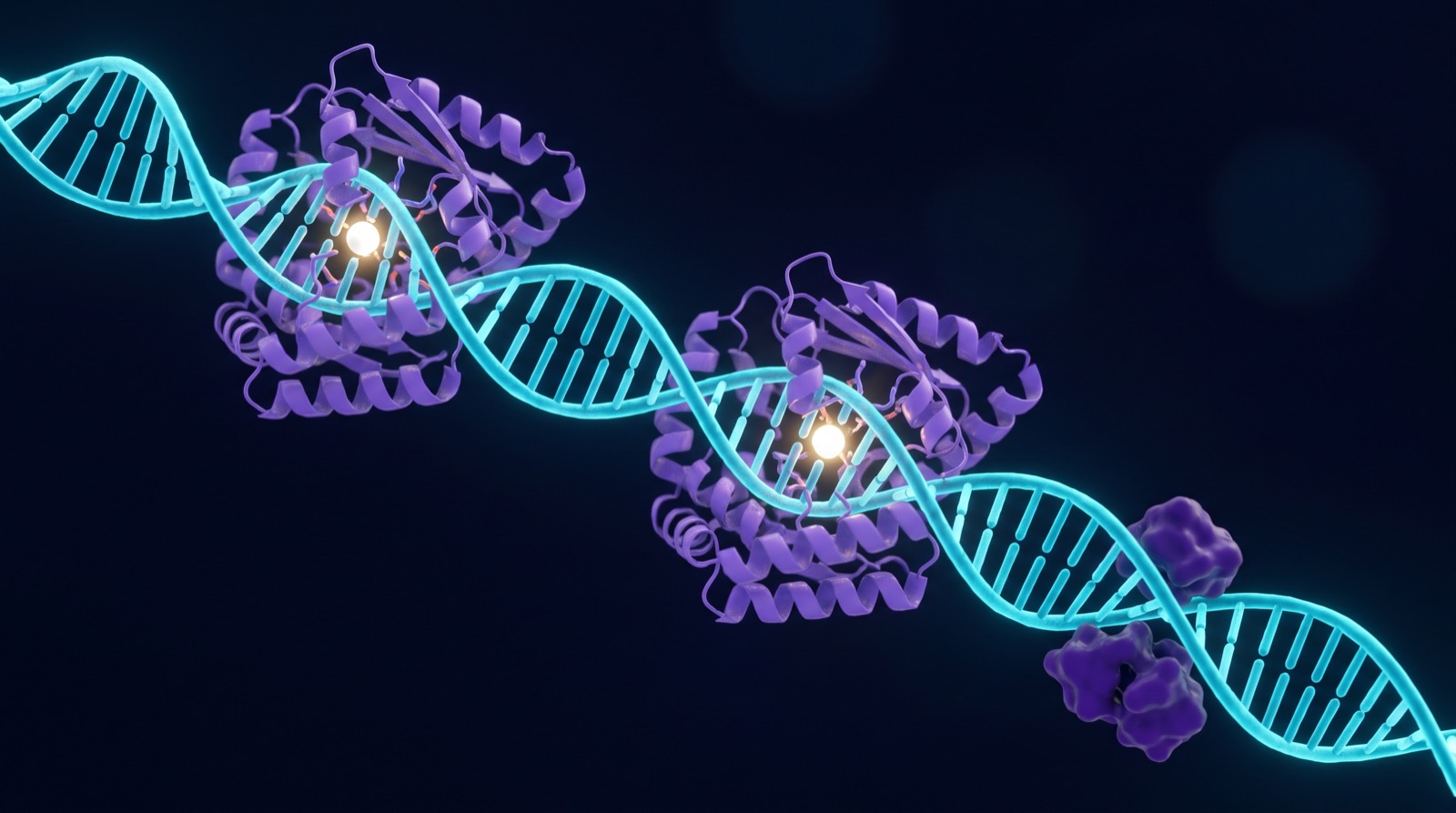 Zinc Finger NucleasesThe first programmable gene-editing tool to reach patients: small, engineered proteins that grip DNA in three-letter blocks.
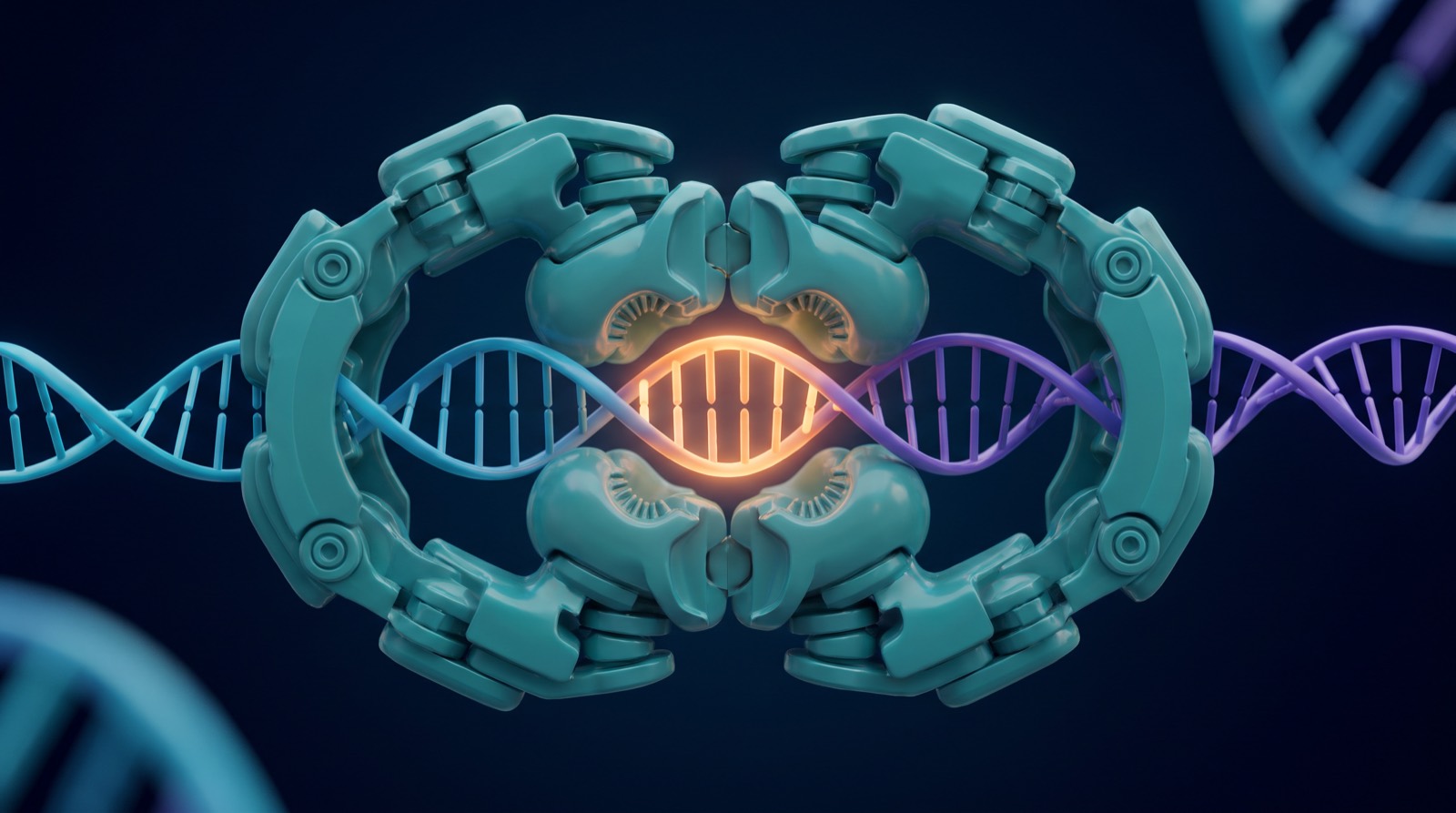 Recombinases and integrasesEnzymes that cut and rejoin DNA at defined sites, able to insert whole genes rather than edit single letters.
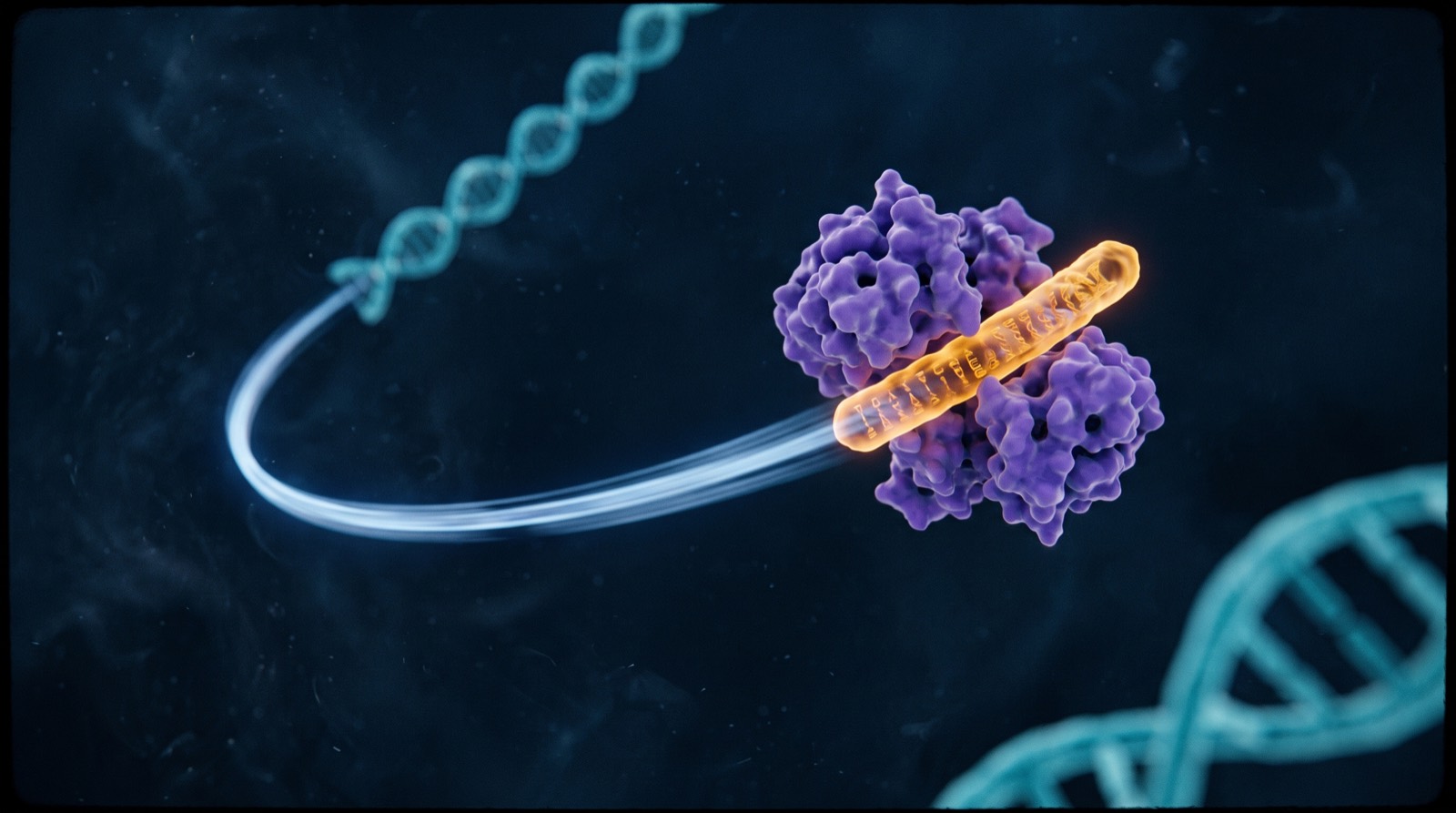 TransposasesEnzymes that cut a segment of DNA out of one place and paste it into another: nature's own copy-and-paste.
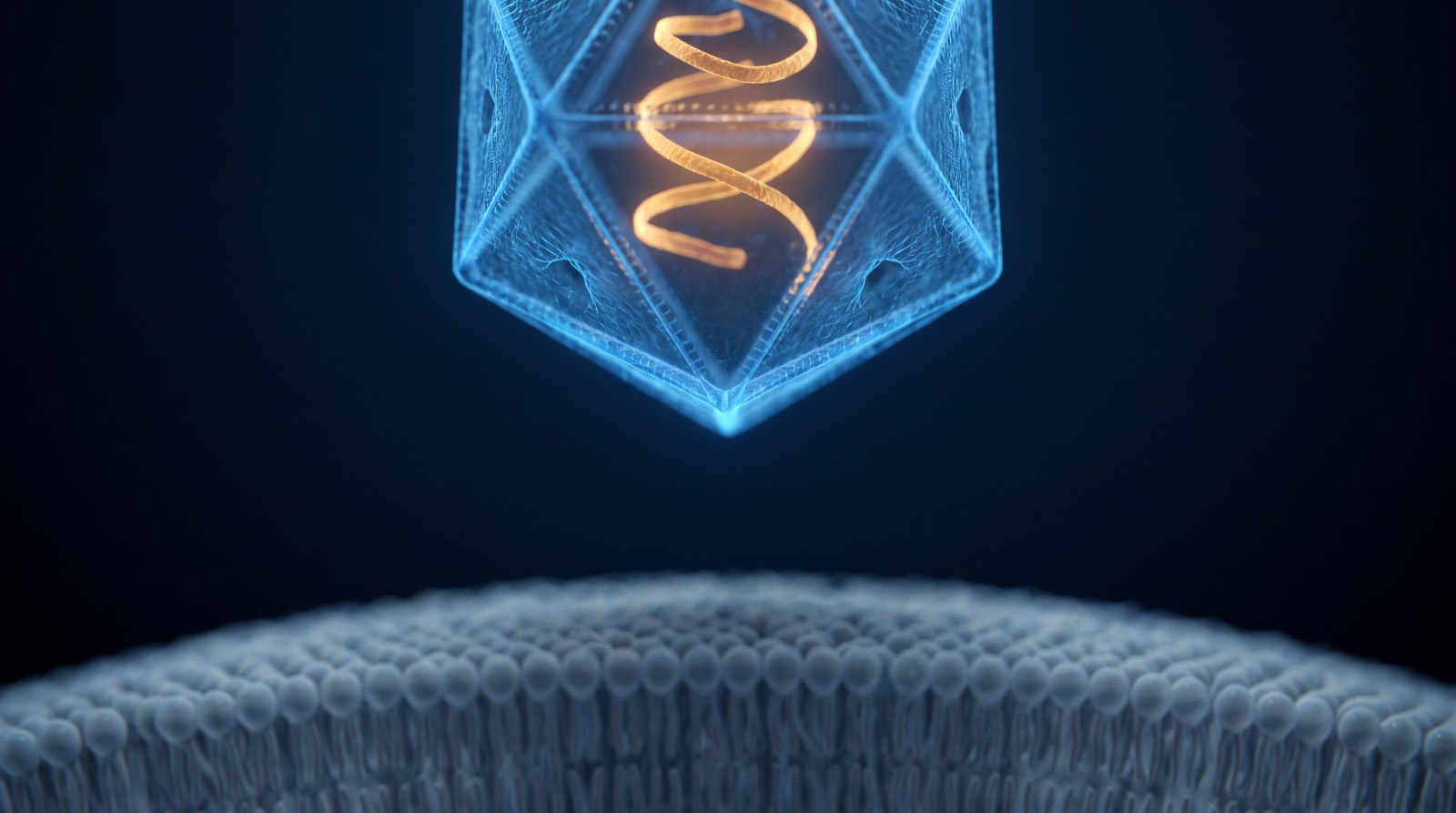 Gene Therapy (gene addition)Delivers a working copy of a gene into cells without changing the existing genome. It is the older approach that gene editing is often confused with.
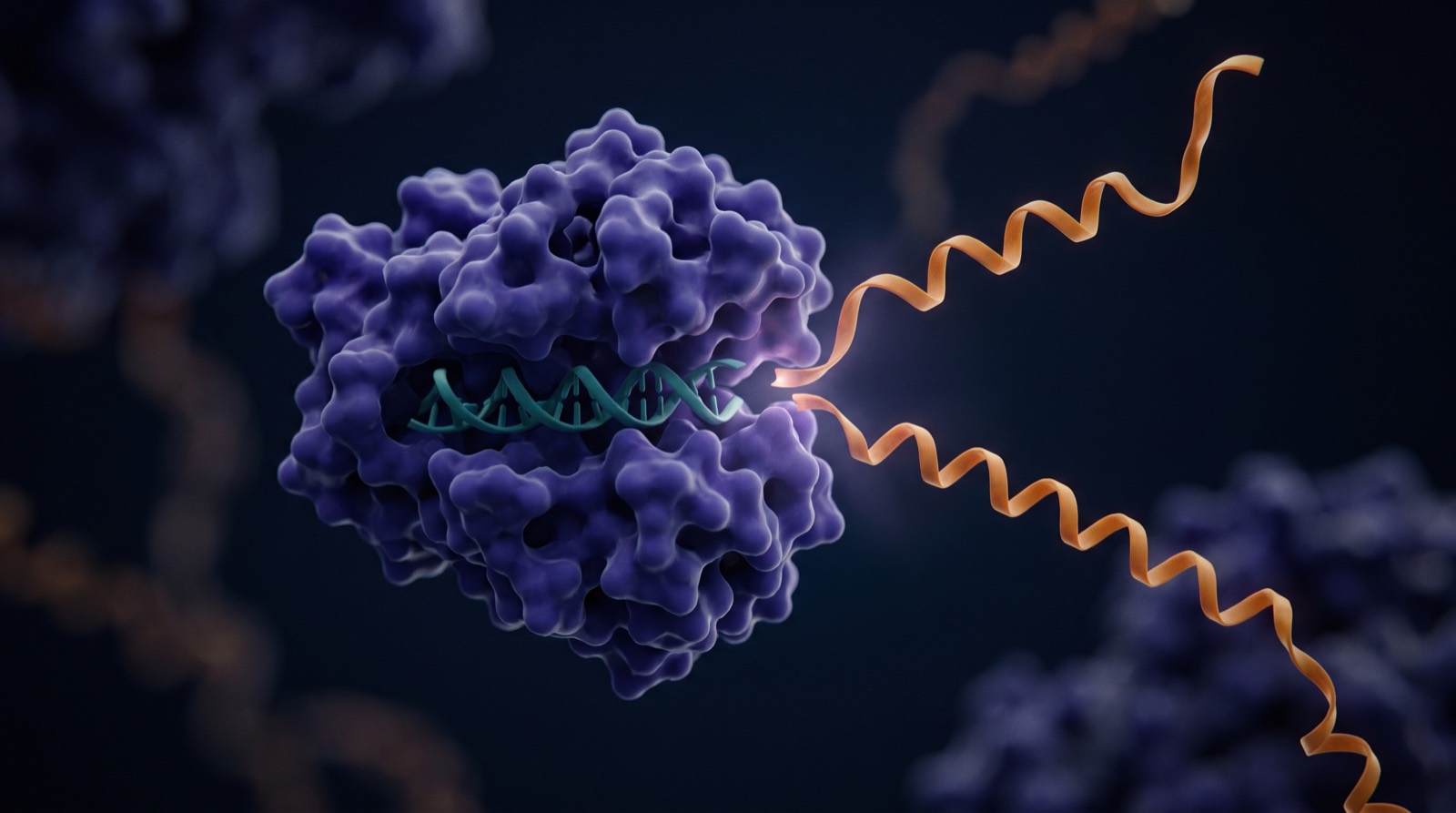 RNA InterferenceUses the cell's own machinery to destroy a specific RNA message, lowering a protein's level without touching DNA.
 Synthetic BiologyDesigning genetic parts and circuits so that cells perform new functions: the engineering discipline that gene editing serves as a tool.