简单说明
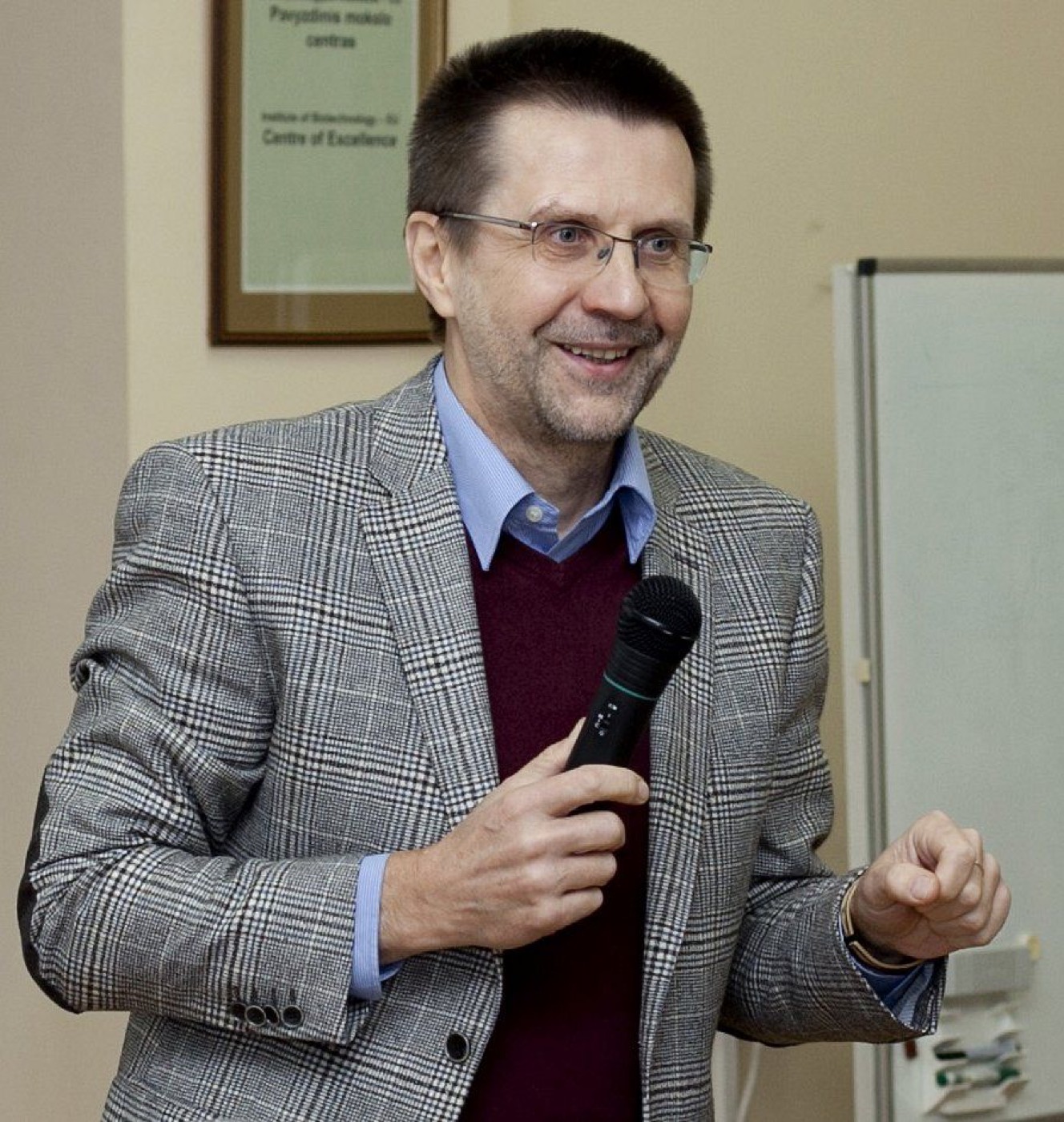
Working in Vilnius, Virginijus Šikšnys showed independently that the CRISPR-Cas9 system could be transferred between bacteria and programmed to cut chosen DNA. He submitted his paper before the Doudna–Charpentier paper was published; it appeared later after a slower review process at a different journal. He shared the 2018 Kavli Prize with Doudna and Charpentier, but is frequently left out of the story as it is usually told.
深入了解
Virginijus Šikšnys is Professor at the Institute of Biotechnology, Vilnius University. His group demonstrated that the Streptococcus thermophilus CRISPR-Cas9 system could be transferred to E. coli and reprogrammed to cleave chosen DNA sequences, published in PNAS in 2012. He shared the 2018 Kavli Prize in Nanoscience with Doudna and Charpentier. His case is a useful corrective to how scientific narratives compress: publication order is partly a function of editorial process, not only of discovery.
Sources
- PNAS (Gasiunas et al.) · 2012
RNA-directed DNA cleavage by the Cas9-crRNA ribonucleoprotein complex ↗