De definitieve gids voor genbewerking.
Menu
Home Leren Nieuws Vraag de Atlas
Verkennen Technologieën Ziekten Behandelingen Klinische onderzoeken Bedrijven Wetenschappers Genen Onderzoek Instellingen
Verder dan geneeskunde Landbouw Ethiek Investeren Wereldkaart
Leren & Tools Begin hier Woordenlijst A–Z Vergelijk technologieën Tijdlijn Lijsten & Rankings AI-agents ★ Opgeslagen API
Over Over ons Methodologie Databronnen Redactioneel beleid Contact Disclaimers

🧭 Begeleide weergave
Nieuw in de genetica? We leggen elk begrip uit terwijl je bladert, in gewone taal. Dezelfde pagina's, met de hulp ingebouwd.

⚡ Expertvisie
Je kent de biologie al. Alleen de inhoud — helder en compact, zonder extra uitleg. Dit is de standaardweergave.

Interfacetaal
Lichte modus

Scientist · Biochemistry

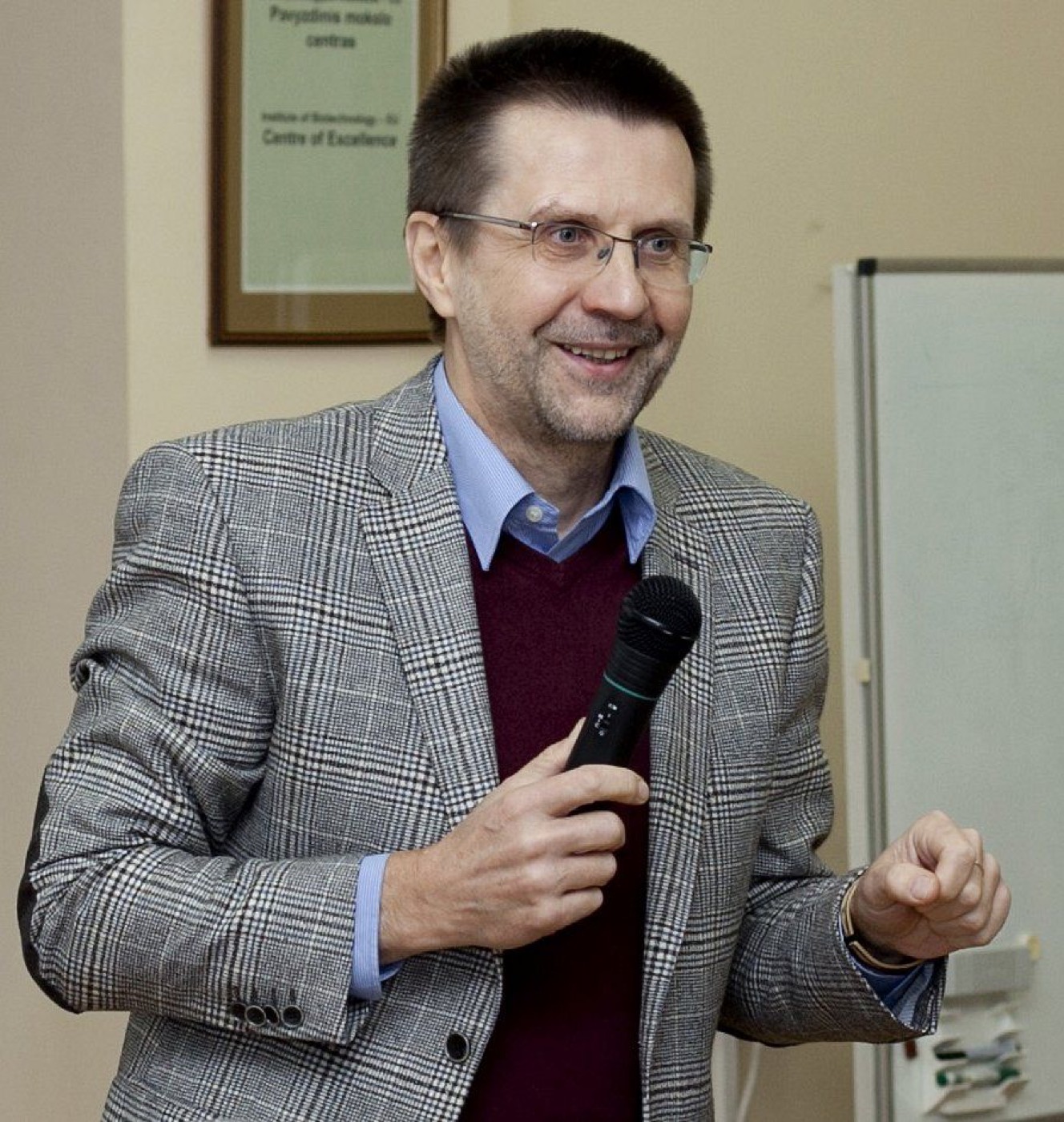
Virginijus Šikšnys

Lithuanian biochemist who independently showed that Cas9 could be programmed to cut DNA, publishing in 2012 — and whose contribution is often omitted from popular accounts.

CRISPR-Cas9priority

Eenvoudige uitleg

Working in Vilnius, Virginijus Šikšnys showed independently that the CRISPR-Cas9 system could be transferred between bacteria and programmed to cut chosen DNA. He submitted his paper before the Doudna–Charpentier paper was published; it appeared later after a slower review process at a different journal. He shared the 2018 Kavli Prize with Doudna and Charpentier, but is frequently left out of the story as it is usually told.

Dieper ingaan

Virginijus Šikšnys is Professor at the Institute of Biotechnology, Vilnius University. His group demonstrated that the Streptococcus thermophilus CRISPR-Cas9 system could be transferred to E. coli and reprogrammed to cleave chosen DNA sequences, published in PNAS in 2012. He shared the 2018 Kavli Prize in Nanoscience with Doudna and Charpentier. His case is a useful corrective to how scientific narratives compress: publication order is partly a function of editorial process, not only of discovery.

Sources

Connected in the Atlas

Every entry on this site is linked to the others it relates to. These connections are part of the record, not a search result.

Technologies

CRISPR-Cas9
Alleen educatieve informatie Deze pagina is een naslagbron, geen medisch advies. Onderzoeks- en regelgevingsstatus veranderen; controleer de datum van de laatste update hierboven en verifieer belangrijke informatie bij de vermelde primaire bronnen.