わかりやすい説明
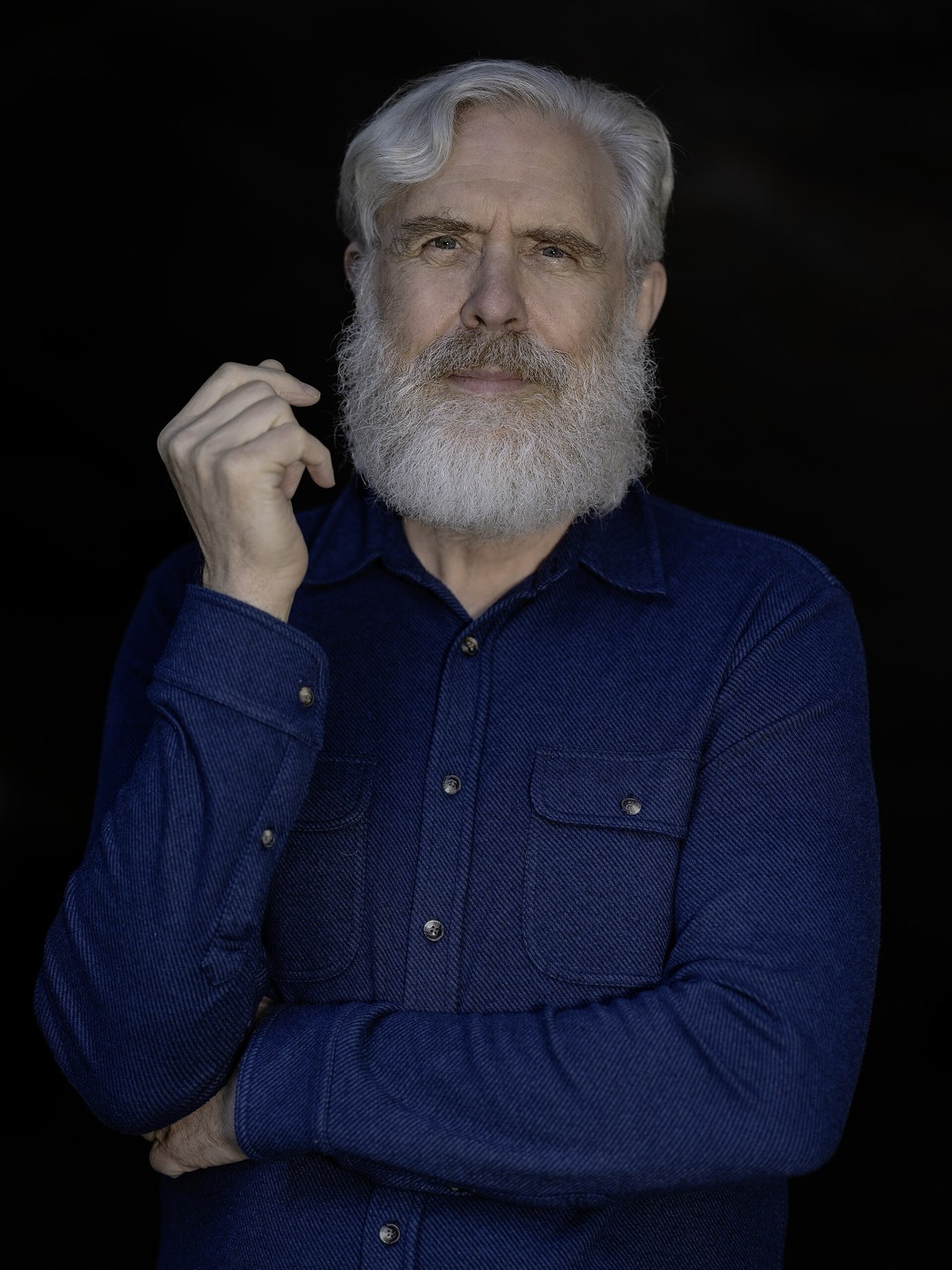
George Church's laboratory published its demonstration of CRISPR working in human cells in the same issue of the same journal as Feng Zhang's, in January 2013. He has spent a career at the far edge of what genetic technology can do, from sequencing methods and synthetic genomes to organ transplantation from pigs, and has founded dozens of companies along the way.
さらに深く掘り下げる
George Church is Professor of Genetics at Harvard Medical School and a core faculty member at the Wyss Institute. He contributed foundational methods to DNA sequencing, and his laboratory published RNA-guided human genome engineering via Cas9 in January 2013 alongside Zhang's report. His work spans multiplex editing for xenotransplantation, including extensive editing of pig genomes to remove endogenous retroviruses, as well as synthetic genomics and DNA data storage. He co-founded Editas Medicine among many other companies.
Sources
- Science (Mali et al.) · 2013
RNA-guided human genome engineering via Cas9 ↗