简单说明
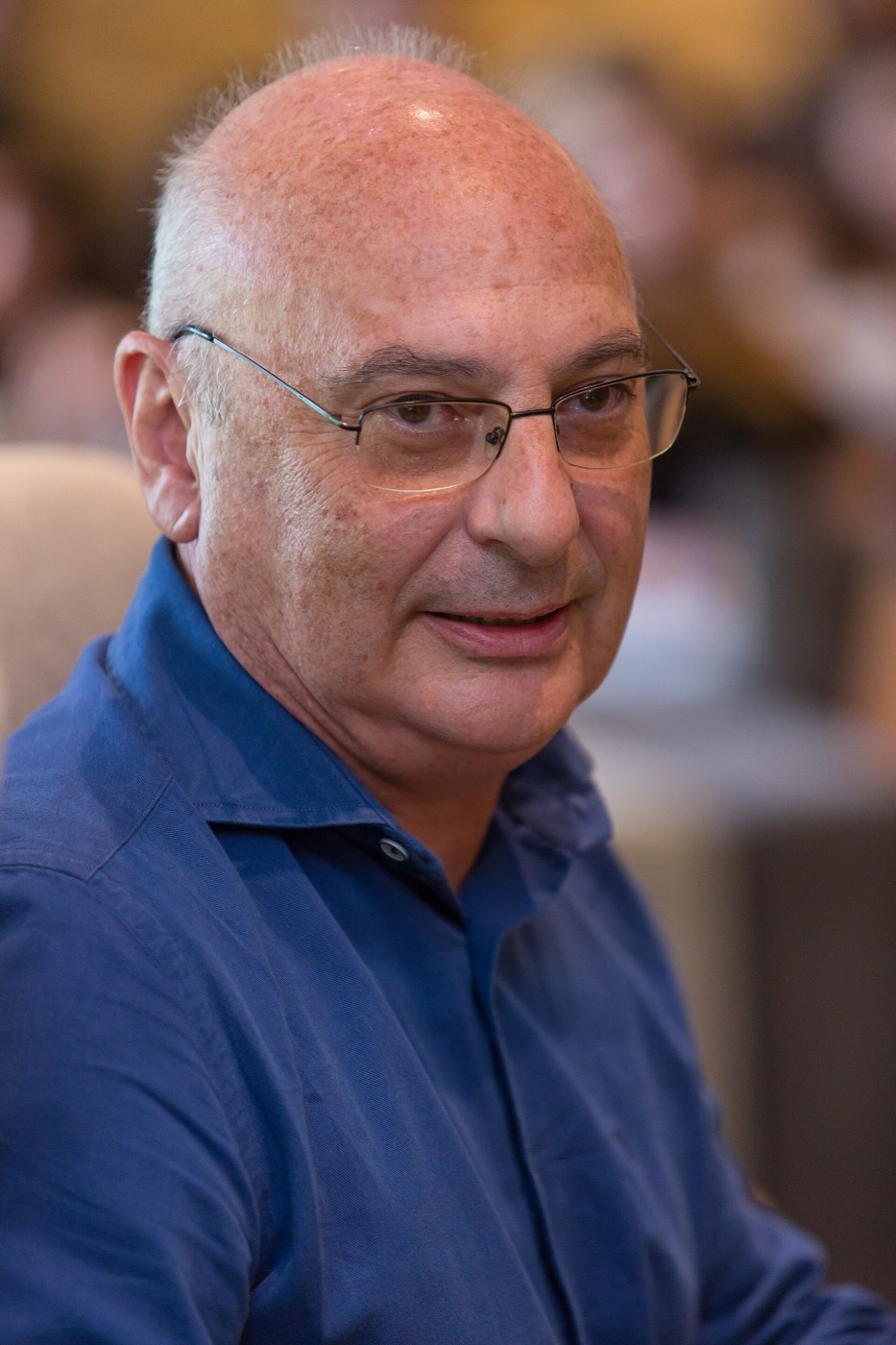
Long before anyone thought of CRISPR as a tool, Francisco Mojica was studying strange repeating patterns in the DNA of salt-loving microbes. He worked out that the sequences between the repeats came from viruses, meaning the microbes were keeping a genetic record of infections they had survived. That insight is what made everything afterwards possible, and he coined the acronym CRISPR.
深入了解
Francisco Mojica, at the University of Alicante, characterised clustered repeat arrays in archaea from the 1990s and in 2005 published the recognition that spacer sequences derived from bacteriophage and plasmid DNA, proposing an adaptive immune function. He proposed the CRISPR acronym. His work is the conceptual origin of the field and is frequently omitted from popular accounts that begin in 2012.
Sources
- Journal of Molecular Evolution (Mojica et al.) · 2005
Intervening sequences of regularly spaced prokaryotic repeats derive from foreign genetic elements ↗