Le guide de référence sur l'édition génomique.
Menu
Accueil Apprendre Actualités Demandez à l'Atlas
Explorer Technologies Maladies Traitements Essais cliniques Entreprises Scientifiques Gènes Recherche Institutions
Au-delà de la médecine Agriculture Éthique Investissement Carte du monde
Apprendre & Outils Commencer ici Glossaire A–Z Comparer les technologies Chronologie Listes & Classements Agents IA ★ Enregistré API
À propos À propos de nous Méthodologie Sources de données Politique éditoriale Contact Avertissements

🧭 Vue guidée
Nouveau en génétique ? Nous expliquons chaque terme au fil de votre navigation, en langage clair. Les mêmes pages, avec l'aide intégrée.

⚡ Point de vue d'expert
Vous connaissez déjà la biologie. Uniquement le contenu — clair et concis, sans explications supplémentaires. C'est l'affichage par défaut.

Langue de l'interface
Mode clair

Scientist · Microbiology

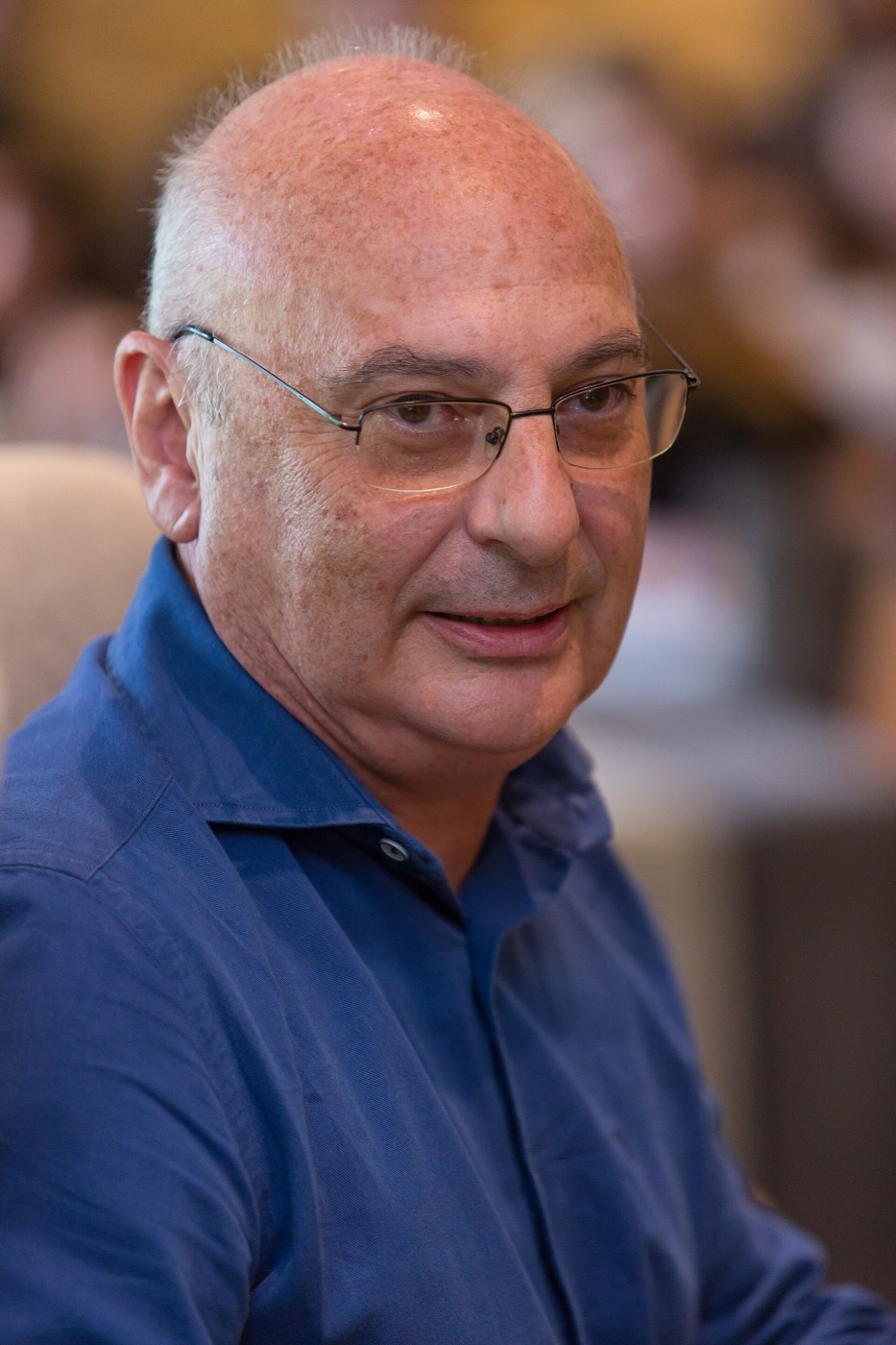
Francisco Mojica

Microbiologist who recognised what CRISPR sequences actually were, and who gave the system its name.

CRISPR discovery

Explication simple

Long before anyone thought of CRISPR as a tool, Francisco Mojica was studying strange repeating patterns in the DNA of salt-loving microbes. He worked out that the sequences between the repeats came from viruses — meaning the microbes were keeping a genetic record of infections they had survived. That insight is what made everything afterwards possible, and he coined the acronym CRISPR.

Aller plus loin

Francisco Mojica, at the University of Alicante, characterised clustered repeat arrays in archaea from the 1990s and in 2005 published the recognition that spacer sequences derived from bacteriophage and plasmid DNA, proposing an adaptive immune function. He proposed the CRISPR acronym. His work is the conceptual origin of the field and is frequently omitted from popular accounts that begin in 2012.

Sources

Connected in the Atlas

Every entry on this site is linked to the others it relates to. These connections are part of the record, not a search result.

Information éducative uniquement Cette page est une ressource de référence, et non un conseil médical. L'état de la recherche et des autorisations réglementaires évolue ; vérifiez la date de dernière mise à jour ci-dessus et confirmez tout élément important auprès des sources primaires indiquées.