The definitive guide to gene editing.
Menu
Home Learn News Ask the Atlas
Explore Technologies Diseases Treatments Clinical Trials Companies Scientists Genes Research Institutions
Beyond medicine Agriculture Ethics Investing World map
Learn & Tools Start here Glossary A–Z Compare technologies Timeline Lists & Rankings AI Agents ★ Saved API
About About us Methodology Data Sources Editorial Policy Contact Disclaimers

🧭 Guided View
New to genetics? We explain every term as you browse, in plain English. Same pages, with the help built in.

⚡ Expert View
You already know the biology. Just the content — clean and compact, no extra explanations. This is the default view.

Interface language
Light mode

Scientist · Microbiology

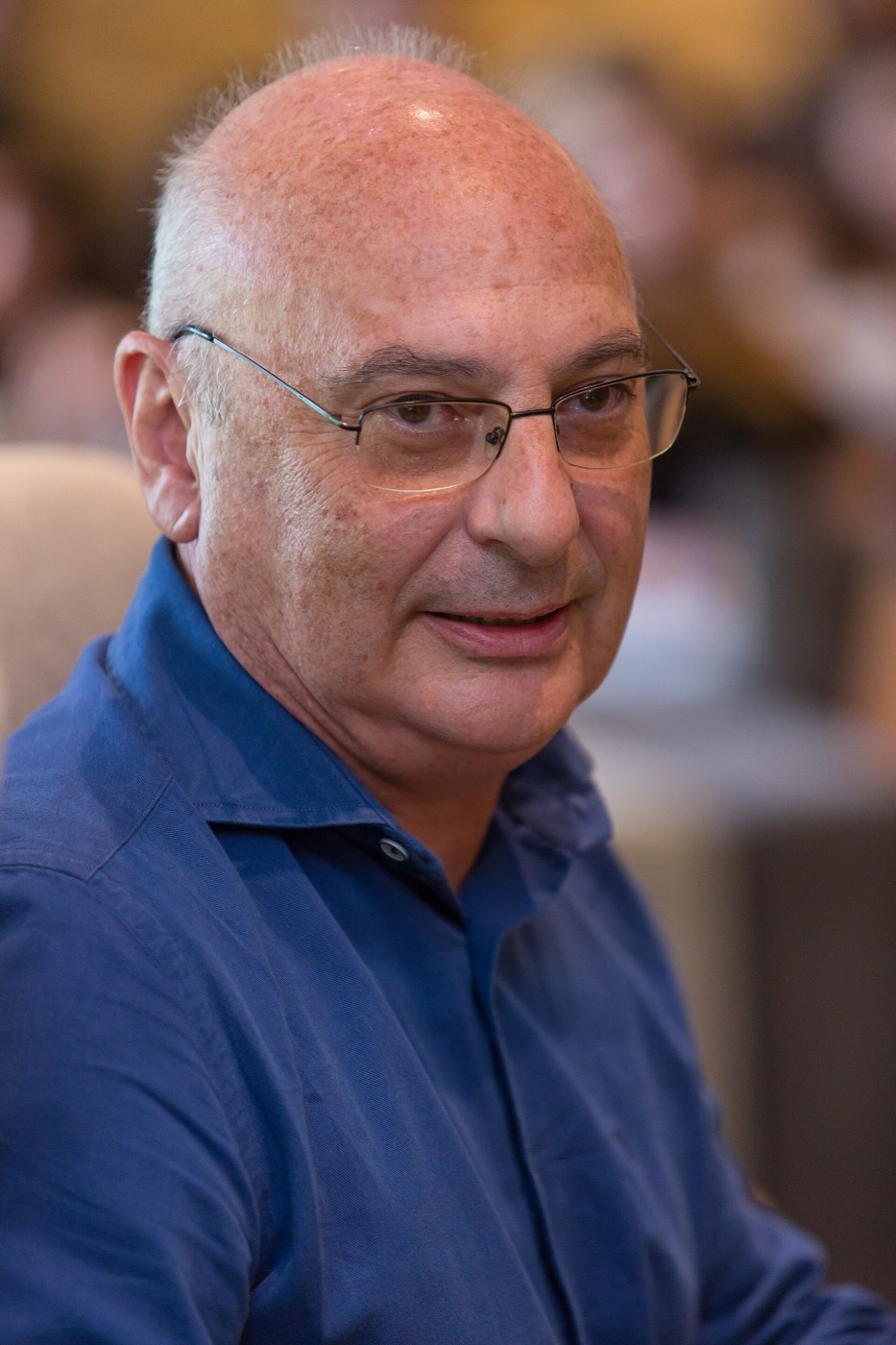
Francisco Mojica

Microbiologist who recognised what CRISPR sequences actually were, and who gave the system its name.

CRISPR discovery

Simple explanation

Long before anyone thought of CRISPR as a tool, Francisco Mojica was studying strange repeating patterns in the DNA of salt-loving microbes. He worked out that the sequences between the repeats came from viruses — meaning the microbes were keeping a genetic record of infections they had survived. That insight is what made everything afterwards possible, and he coined the acronym CRISPR.

Go deeper

Francisco Mojica, at the University of Alicante, characterised clustered repeat arrays in archaea from the 1990s and in 2005 published the recognition that spacer sequences derived from bacteriophage and plasmid DNA, proposing an adaptive immune function. He proposed the CRISPR acronym. His work is the conceptual origin of the field and is frequently omitted from popular accounts that begin in 2012.

Sources

Connected in the Atlas

Every entry on this site is linked to the others it relates to. These connections are part of the record, not a search result.

Educational information only This page is a reference, not medical advice. Research and regulatory status change; check the last-updated date above and confirm anything important against the primary sources listed.