المرجع الشامل لتحرير الجينات.
القائمة
الرئيسية تعلّم الأخبار اسأل الأطلس
استكشف التقنيات الأمراض العلاجات التجارب السريرية الشركات العلماء الجينات البحث العلمي المؤسسات
ما وراء الطب الزراعة الأخلاقيات الاستثمار خريطة العالم
التعلم والأدوات ابدأ من هنا مسرد من أ إلى ي مقارنة التقنيات الجدول الزمني القوائم والتصنيفات وكلاء الذكاء الاصطناعي ★ تم الحفظ API
حول من نحن المنهجية مصادر البيانات السياسة التحريرية تواصل معنا إخلاء المسؤولية

🧭 العرض الموجَّه
هل أنت جديد في عالم الجينات؟ نشرح لك كل مصطلح أثناء تصفحك، بلغة بسيطة وواضحة. نفس الصفحات، مع مساعدة مدمجة فيها.

⚡ رأي الخبير
أنت تعرف الأساسيات البيولوجية بالفعل. المحتوى فقط — موجز وواضح، بدون شروح إضافية. هذا هو العرض الافتراضي.

لغة الواجهة
الوضع الفاتح

Scientist · Microbiology

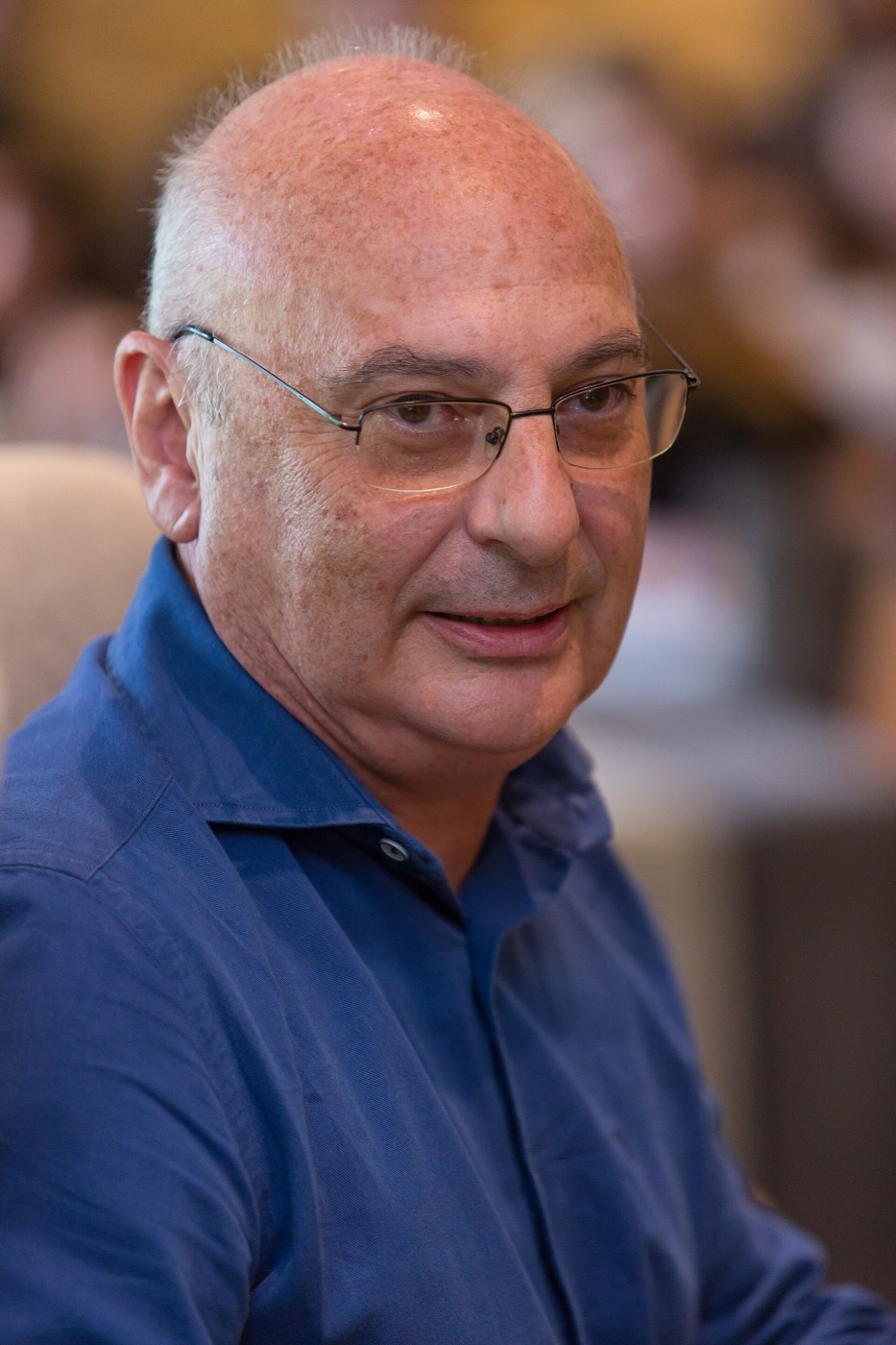
Francisco Mojica

Microbiologist who recognised what CRISPR sequences actually were, and who gave the system its name.

CRISPR discovery

شرح مبسّط

Long before anyone thought of CRISPR as a tool, Francisco Mojica was studying strange repeating patterns in the DNA of salt-loving microbes. He worked out that the sequences between the repeats came from viruses — meaning the microbes were keeping a genetic record of infections they had survived. That insight is what made everything afterwards possible, and he coined the acronym CRISPR.

تعمق أكثر

Francisco Mojica, at the University of Alicante, characterised clustered repeat arrays in archaea from the 1990s and in 2005 published the recognition that spacer sequences derived from bacteriophage and plasmid DNA, proposing an adaptive immune function. He proposed the CRISPR acronym. His work is the conceptual origin of the field and is frequently omitted from popular accounts that begin in 2012.

Sources

Connected in the Atlas

Every entry on this site is linked to the others it relates to. These connections are part of the record, not a search result.

معلومات تعليمية فحسب هذه الصفحة مرجعٌ للمعلومات، وليست مشورة طبية. تتغيّر أوضاع البحث والتنظيم باستمرار؛ راجع تاريخ آخر تحديث أعلاه وتحقَّق من أي معلومة مهمة عبر المصادر الأولية المدرَجة.