Hướng dẫn toàn diện về chỉnh sửa gene.
Menu
Trang chủ Tìm hiểu Tin tức Hỏi Atlas
Khám phá Các công nghệ Các bệnh Các phương pháp điều trị Thử nghiệm lâm sàng Các công ty Các nhà khoa học Các gene Nghiên cứu Tổ chức / Cơ sở
Ngoài y học Nông nghiệp Đạo đức Đầu tư Bản đồ thế giới
Tìm hiểu & Công cụ Bắt đầu tại đây Bảng thuật ngữ A–Z So sánh các công nghệ Dòng thời gian Danh sách & Xếp hạng AI Agents ★ Đã lưu API
Giới thiệu Về chúng tôi Phương pháp Nguồn dữ liệu Chính sách biên tập Liên hệ Tuyên bố miễn trừ trách nhiệm

🧭 Chế độ xem có hướng dẫn
Mới làm quen với di truyền học? Chúng tôi giải thích mọi thuật ngữ ngay khi bạn duyệt, bằng ngôn ngữ dễ hiểu. Cùng nội dung đó, nhưng có phần hỗ trợ tích hợp sẵn.

⚡ Góc nhìn chuyên gia
Bạn đã hiểu về sinh học rồi. Chỉ cần nội dung — gọn gàng và súc tích, không có giải thích thêm. Đây là chế độ xem mặc định.

Ngôn ngữ giao diện
Chế độ sáng

Scientist · Bioengineering

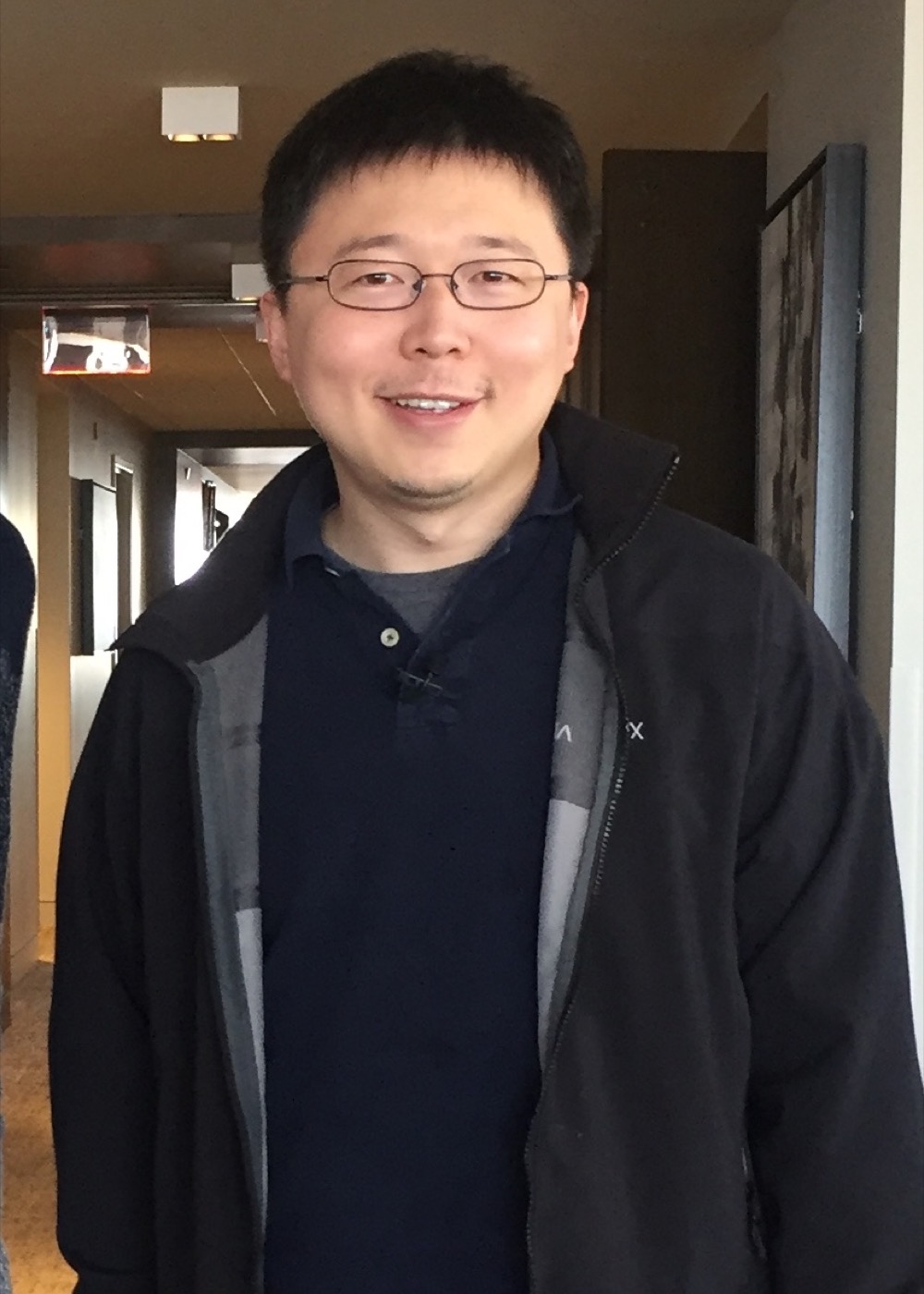
Feng Zhang

Bioengineer who led one of the first demonstrations of CRISPR genome editing in human cells and discovered several new CRISPR systems including Cas12a and Cas13.

CRISPR in human cellsCas12Cas13

Giải thích đơn giản

Feng Zhang's laboratory was among the first to show, in January 2013, that CRISPR actually works inside human cells — a different and much harder problem than working in a test tube. He has also found and characterised several other CRISPR systems since, including one that targets RNA instead of DNA.

Tìm hiểu sâu hơn

Feng Zhang is the James and Patricia Poitras Professor of Neuroscience at MIT and a core member of the Broad Institute. Previously a developer of optogenetics and TALEN methods, his laboratory published multiplex genome engineering in mammalian cells using CRISPR-Cas systems in January 2013. He has since characterised Cas12a (Cpf1), Cas13 and other systems, and co-founded Editas Medicine, Beam Therapeutics, Arbor Biotechnologies and Sherlock Biosciences.

On the patent dispute

The Broad Institute, where Zhang works, and the University of California have contested patent rights over CRISPR editing in eukaryotic cells for over a decade, with US decisions at points favouring the Broad. The dispute concerns who is entitled to patent claims — a legal question — and is distinct from scientific attribution. This site records the dispute and does not adjudicate it.

Sources

Connected in the Atlas

Every entry on this site is linked to the others it relates to. These connections are part of the record, not a search result.

Chỉ mang tính chất thông tin giáo dục Trang này là tài liệu tham khảo, không phải tư vấn y tế. Tình trạng nghiên cứu và quy định thay đổi; hãy kiểm tra ngày cập nhật lần cuối ở trên và xác nhận mọi thông tin quan trọng với các nguồn chính được liệt kê.