Le guide de référence sur l'édition génomique.
Menu
Accueil Apprendre Actualités Demandez à l'Atlas
Explorer Technologies Maladies Traitements Essais cliniques Entreprises Scientifiques Gènes Recherche Institutions
Au-delà de la médecine Agriculture Éthique Investissement Carte du monde
Apprendre & Outils Commencer ici Glossaire A–Z Comparer les technologies Chronologie Listes & Classements Agents IA ★ Enregistré API
À propos À propos de nous Méthodologie Sources de données Politique éditoriale Contact Avertissements

🧭 Vue guidée
Nouveau en génétique ? Nous expliquons chaque terme au fil de votre navigation, en langage clair. Les mêmes pages, avec l'aide intégrée.

⚡ Point de vue d'expert
Vous connaissez déjà la biologie. Uniquement le contenu — clair et concis, sans explications supplémentaires. C'est l'affichage par défaut.

Langue de l'interface
Mode clair

Scientist · Bioengineering

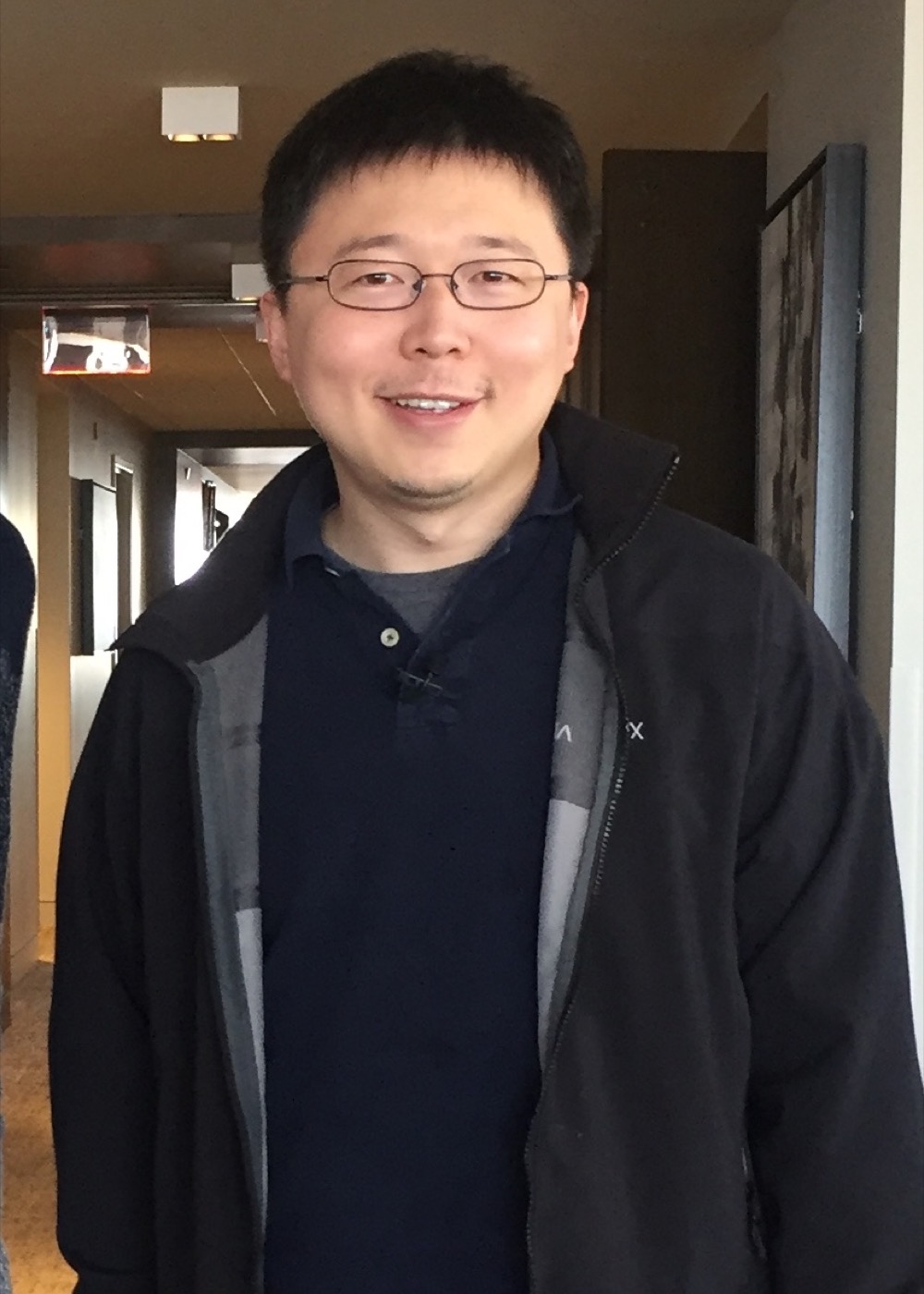
Feng Zhang

Bioengineer who led one of the first demonstrations of CRISPR genome editing in human cells and discovered several new CRISPR systems including Cas12a and Cas13.

CRISPR in human cellsCas12Cas13

Explication simple

Feng Zhang's laboratory was among the first to show, in January 2013, that CRISPR actually works inside human cells — a different and much harder problem than working in a test tube. He has also found and characterised several other CRISPR systems since, including one that targets RNA instead of DNA.

Aller plus loin

Feng Zhang is the James and Patricia Poitras Professor of Neuroscience at MIT and a core member of the Broad Institute. Previously a developer of optogenetics and TALEN methods, his laboratory published multiplex genome engineering in mammalian cells using CRISPR-Cas systems in January 2013. He has since characterised Cas12a (Cpf1), Cas13 and other systems, and co-founded Editas Medicine, Beam Therapeutics, Arbor Biotechnologies and Sherlock Biosciences.

On the patent dispute

The Broad Institute, where Zhang works, and the University of California have contested patent rights over CRISPR editing in eukaryotic cells for over a decade, with US decisions at points favouring the Broad. The dispute concerns who is entitled to patent claims — a legal question — and is distinct from scientific attribution. This site records the dispute and does not adjudicate it.

Sources

Connected in the Atlas

Every entry on this site is linked to the others it relates to. These connections are part of the record, not a search result.

Information éducative uniquement Cette page est une ressource de référence, et non un conseil médical. L'état de la recherche et des autorisations réglementaires évolue ; vérifiez la date de dernière mise à jour ci-dessus et confirmez tout élément important auprès des sources primaires indiquées.