无需生物学基础
从零开始学习基因编辑
一系列由浅入深的简明指南:DNA 是什么、基因是什么、CRISPR 如何找到并改变序列,以及后来出现的进阶方法。可以按顺序阅读,也可以直接跳到任意章节。
26 篇指南。每篇均以通俗易懂的回答开篇,再逐步深入。文中大量使用类比——每个类比都会注明其局限性所在,因为对类比一知半解,正是这一领域大多数误解的根源。
此路径的构建方式
First, the vocabulary
DNA, gene, chromosome, genome, RNA, mutation. Six words that everything else is built from. Skip this only if you can already define all six without hedging.
Then, how CRISPR actually works
What the guide does, what the protein does, why a short tag called a PAM decides where you are allowed to cut, and what the cell does afterwards, which is the part most explanations leave out.
Then, the genuinely hard part
Editing a cell in a dish has been routine for years. Getting the editor into the right cells inside a living person is what separates a paper from a medicine.
Finally, how to read the claims
How to tell a real result from a press release: how many people, for how long, compared with what.
1 / 4
Start here
一切概念都离不开的基础词汇。
检验你的理解: Start here
No score is stored and nothing is sent anywhere. This is just for you.
1. What is a gene, in one sentence?
Why: A genome is the whole manual, a gene is one recipe in it, and a protein is what the recipe makes. Mixing up these three is the most common early confusion.
2. Why can one strand of DNA rebuild the other?
Why: The pairing rule makes each strand a template for its partner. Every editing technology leans on this.
3. Does a mutation always cause disease?
Why: The vast majority of variation between people is harmless. Only a small subset of changes, in particular places, cause disease.
4. What does CRISPR add that older methods lacked?
Why: Targeted editing existed before CRISPR (zinc fingers, TALENs). What changed was the cost and speed of re-aiming it: you change the guide, not the protein.
2 / 4
CRISPR basics
系统的实际运作步骤详解。
检验你的理解: CRISPR basics
No score is stored and nothing is sent anywhere. This is just for you.
1. Which part of CRISPR-Cas9 do you actually change to target a different gene?
Why: Cas9 stays the same; the ~20-letter guide is the programmable part. That is the whole reason the technology spread so fast.
2. What is a PAM?
Why: No PAM, no cut, which means some positions in a gene simply cannot be reached with a given enzyme. It is a real constraint on what is targetable.
3. After Cas9 cuts, what most often happens?
Why: Rough end-joining dominates. That is why switching a gene OFF is reliable while correcting one letter is hard, and why base and prime editing were developed.
4. What does 'off-target' mean?
Why: Similar sequences elsewhere in the genome can be mistaken for the target. It is found by sequencing, and it is one of the main safety questions regulators ask about.
3 / 4
Intermediate
基因编辑能对基因做什么,以及如何将其递送进人体。
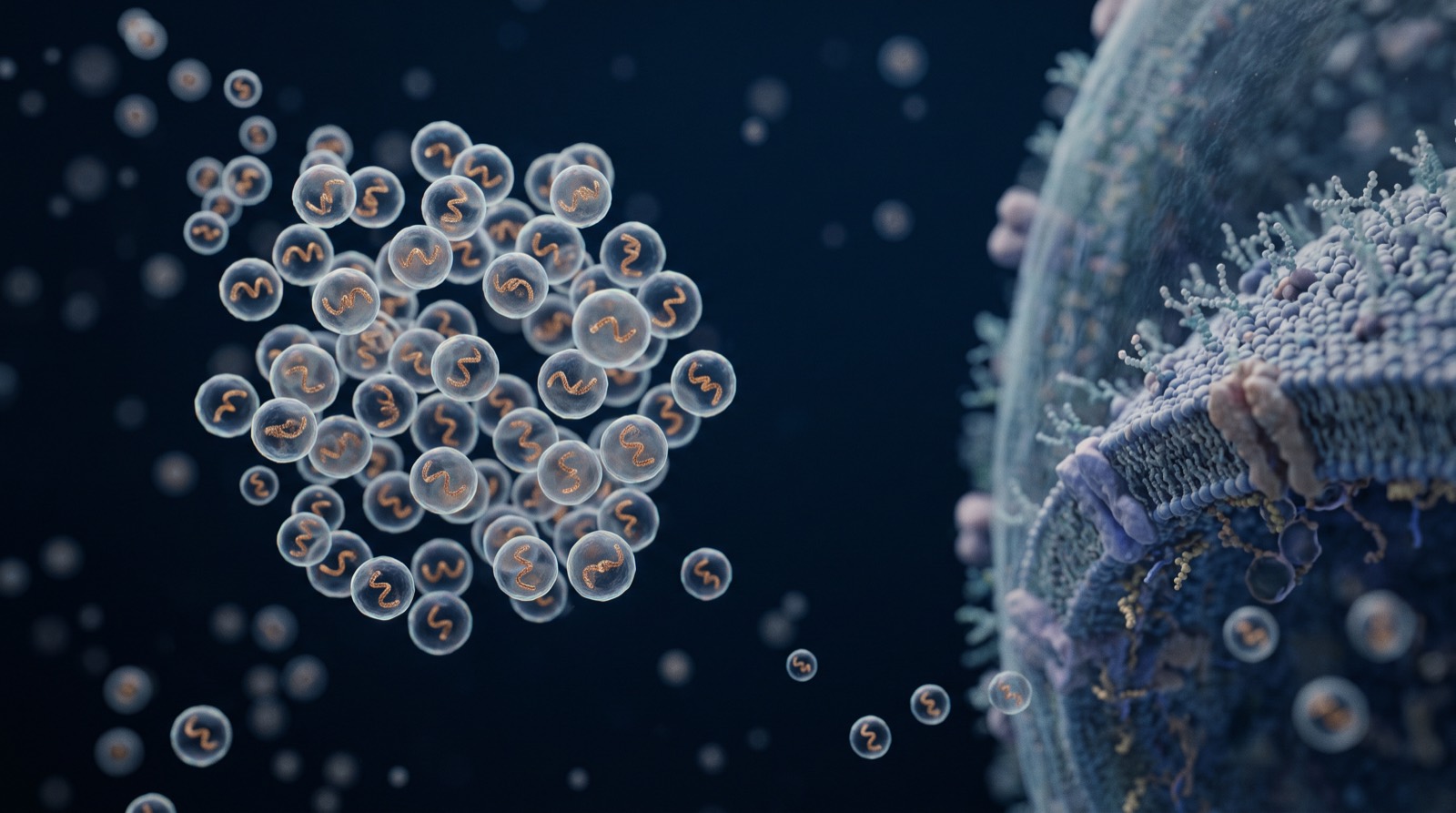 Lipid nanoparticlesTiny fat bubbles that carry genetic cargo into cells: the delivery technology that made in…
Turning genes up and downChanging how loudly a gene is expressed, without changing a single letter of its sequence.
检验你的理解: Intermediate
No score is stored and nothing is sent anywhere. This is just for you.
1. What is the main practical difference between ex vivo and in vivo editing?
Why: Being able to inspect and select the edited cells before returning them is the central advantage of ex vivo, and the reason the first approvals took that route.
2. Why did liver diseases reach in vivo trials first?
Why: Delivery, not editing chemistry, decides which organ is reachable. LNPs go to the liver by default, so liver targets were available first.
3. What is the main limitation of AAV viral vectors?
Why: The cargo limit is why smaller enzymes like SaCas9 matter, and prior immunity is why a second dose is often not an option.
4. Can you change how active a gene is without changing its DNA letters?
Why: A deactivated Cas9 can carry an activator or repressor and leave the sequence intact. The effect lasts only while the tool is present.
4 / 4
Advanced
Cas9 之后涌现的方法,以及该领域的未来走向。
检验你的理解: Advanced
No score is stored and nothing is sent anywhere. This is just for you.
1. A press release reports a 90% reduction in a blood protein. What should you check first?
Why: A large effect in a handful of people over a few months is a promising signal, not proof of benefit. Size, duration and comparator decide what it means.
2. Why is multiplex editing harder than single editing?
Why: Multiple simultaneous breaks raise the risk of translocations, pieces of chromosome joining the wrong partner. Risk does not scale linearly with the number of edits.
3. What mainly drives the price of an approved cell therapy?
Why: A bespoke product made per patient, plus a hospital stay, spread across a small population, is the bulk of it, not the cost of the editing molecules.
4. CRISPR diagnostics use the technology to do what?
Why: Cas12 and Cas13 chop nearby reporter molecules once they find their target, producing a readable signal. Nothing in the patient is edited.