简短解答
Your genome is all of your DNA taken together: all 46 chromosomes, all your genes, and all the DNA between them. Reading one out, which is called sequencing, took thirteen years and billions of dollars the first time. It now takes about a day and a few hundred dollars, and that collapse in cost is a large part of why gene editing became possible at all.
The genome is the complete set of nucleic acid sequence in an organism, including nuclear chromosomes and mitochondrial DNA. The Human Genome Project produced a draft in 2001 and a complete sequence in 2003, with the remaining hard-to-sequence regions filled in by the Telomere-to-Telomere consortium in 2022. Sequencing cost has fallen by roughly six orders of magnitude since.
Why cheap sequencing made editing possible
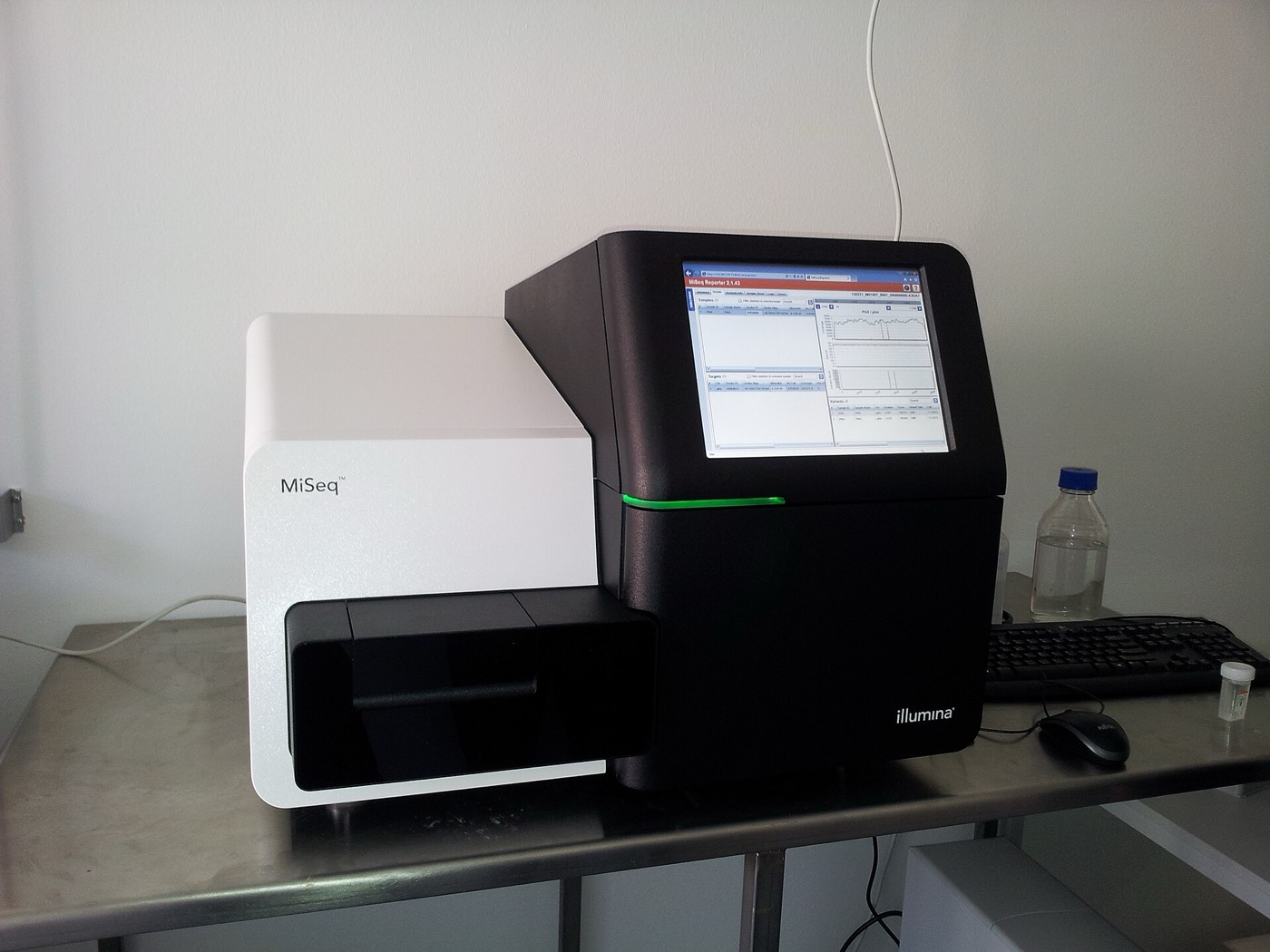
Editing without sequencing would be nearly useless. You need to know the target's exact sequence to design a guide; you need to sequence afterwards to confirm the intended edit happened; and you need deep sequencing across many sites to check that nothing unintended happened. The ability to read the genome cheaply is what makes writing to it verifiable.
Sources
- National Human Genome Research Institute
Talking Glossary of Genomic Terms ↗