Hướng dẫn toàn diện về chỉnh sửa gene.
Menu
Trang chủ Tìm hiểu Tin tức Hỏi Atlas
Khám phá Các công nghệ Các bệnh Các phương pháp điều trị Thử nghiệm lâm sàng Các công ty Các nhà khoa học Các gene Nghiên cứu Tổ chức / Cơ sở
Ngoài y học Nông nghiệp Đạo đức Đầu tư Bản đồ thế giới
Tìm hiểu & Công cụ Bắt đầu tại đây Bảng thuật ngữ A–Z So sánh các công nghệ Dòng thời gian Danh sách & Xếp hạng AI Agents ★ Đã lưu API
Giới thiệu Về chúng tôi Phương pháp Nguồn dữ liệu Chính sách biên tập Liên hệ Tuyên bố miễn trừ trách nhiệm

🧭 Chế độ xem có hướng dẫn
Mới làm quen với di truyền học? Chúng tôi giải thích mọi thuật ngữ ngay khi bạn duyệt, bằng ngôn ngữ dễ hiểu. Cùng nội dung đó, nhưng có phần hỗ trợ tích hợp sẵn.

⚡ Góc nhìn chuyên gia
Bạn đã hiểu về sinh học rồi. Chỉ cần nội dung — gọn gàng và súc tích, không có giải thích thêm. Đây là chế độ xem mặc định.

Ngôn ngữ giao diện
Chế độ sáng

Start here · 3 phút đọc

What is a genome?

A genome is the complete set of genetic instructions in an organism — every chromosome, every gene, and everything in between.

Câu trả lời ngắn gọn

Your genome is all of your DNA taken together: all 46 chromosomes, all your genes, and all the DNA between them. Reading one out — sequencing it — took thirteen years and billions of dollars the first time. It now takes about a day and a few hundred dollars, and that collapse in cost is a large part of why gene editing became possible at all.

The genome is the complete set of nucleic acid sequence in an organism, including nuclear chromosomes and mitochondrial DNA. The Human Genome Project produced a draft in 2001 and a complete sequence in 2003, with the remaining hard-to-sequence regions filled in by the Telomere-to-Telomere consortium in 2022. Sequencing cost has fallen by roughly six orders of magnitude since.

Why cheap sequencing made editing possible

Editing without sequencing would be nearly useless. You need to know the target's exact sequence to design a guide; you need to sequence afterwards to confirm the intended edit happened; and you need deep sequencing across many sites to check that nothing unintended happened. The ability to read the genome cheaply is what makes writing to it verifiable.
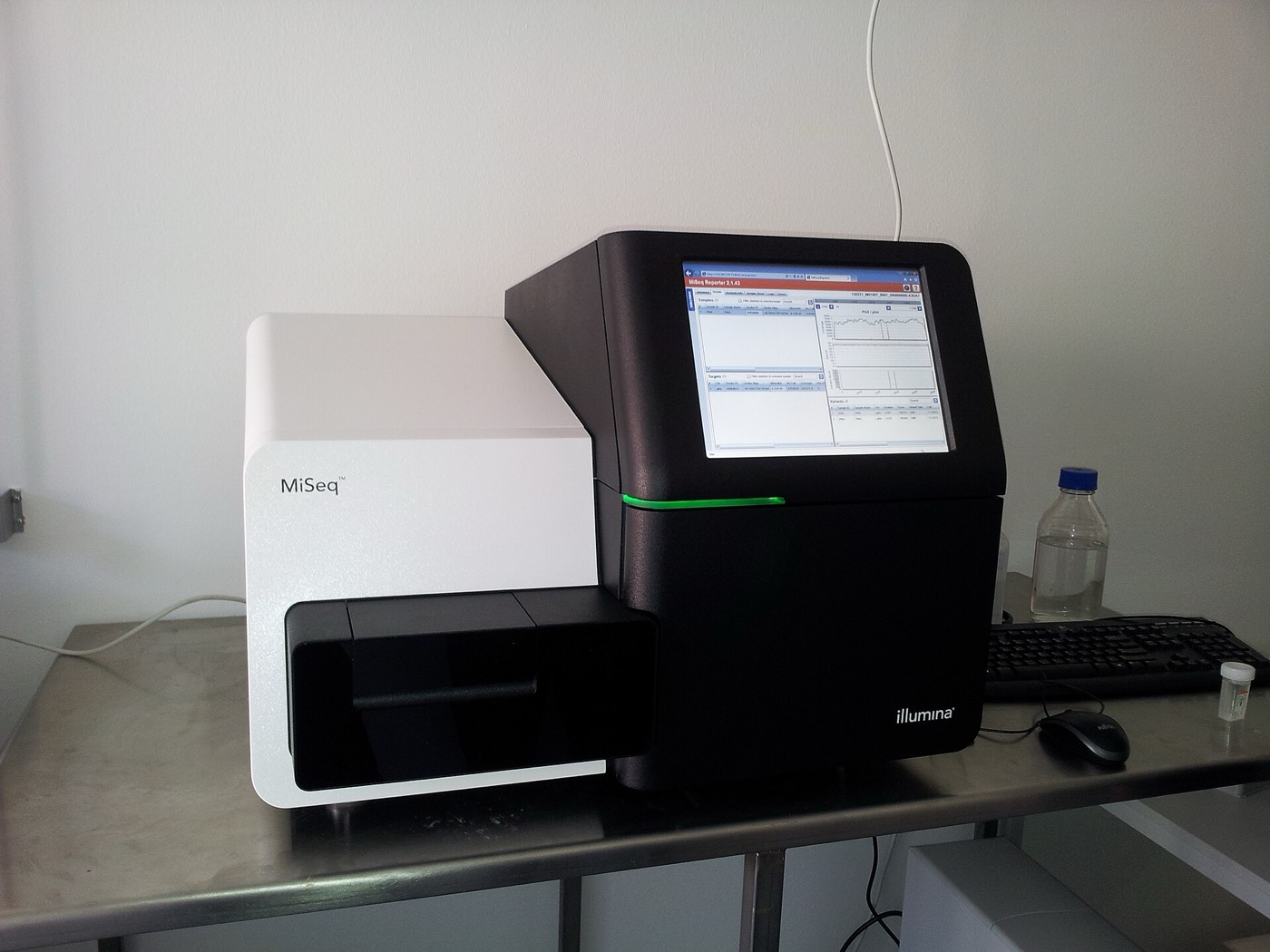
A sequencing instrument reading millions of short fragments at once; software reassembles them into a genome.
A sequencing instrument reading millions of short fragments at once; software reassembles them into a genome. Illustration generated for The CRISPR Atlas.

Sources

Connected in the Atlas

Every entry on this site is linked to the others it relates to. These connections are part of the record, not a search result.