De definitieve gids voor genbewerking.
Menu
Home Leren Nieuws Vraag de Atlas
Verkennen Technologieën Ziekten Behandelingen Klinische onderzoeken Bedrijven Wetenschappers Genen Onderzoek Instellingen
Verder dan geneeskunde Landbouw Ethiek Investeren Wereldkaart
Leren & Tools Begin hier Woordenlijst A–Z Vergelijk technologieën Tijdlijn Lijsten & Rankings AI-agents ★ Opgeslagen API
Over Over ons Methodologie Databronnen Redactioneel beleid Contact Disclaimers

🧭 Begeleide weergave
Nieuw in de genetica? We leggen elk begrip uit terwijl je bladert, in gewone taal. Dezelfde pagina's, met de hulp ingebouwd.

⚡ Expertvisie
Je kent de biologie al. Alleen de inhoud — helder en compact, zonder extra uitleg. Dit is de standaardweergave.

Interfacetaal
Lichte modus

Advanced · 5 min lezen

How a gene-editing company works

What a pre-revenue biotechnology company actually is, and which numbers describe it — information, not investment advice.

Het korte antwoord

Most gene-editing companies sell nothing. They spend money developing treatments that may or may not work, funded by investors, and their value rests entirely on what might happen years from now. The two numbers that describe such a company best are how much cash it holds and how fast it is spending it — the second divided into the first gives its runway, the time before it must raise more money or stop.

Gene-editing companies are typically pre-revenue, financing multi-year development through equity issuance and partnerships. Key disclosures are cash and equivalents, quarterly operating expenses, implied runway, and the timing of clinical catalysts. Partnership structures — upfront payments, development and commercial milestones, royalties — transfer risk and capital in exchange for economics. Value is concentrated in binary events: a trial readout, a regulatory decision, a clinical hold.

Where to find the real numbers

This site does not carry financial data, because a figure that is stale by minutes is worse than none. For US-listed companies, quarterly and annual filings on the SEC's EDGAR system state cash, operating expenses and risk factors in the company's own words. ClinicalTrials.gov gives trial status. Regulatory decisions are published by the FDA and EMA. Those are the primary sources; everything else is commentary.

ImportantEducational information only. Nothing here is investment advice or a recommendation regarding any security. Biotechnology investments are highly speculative and most clinical programmes fail.
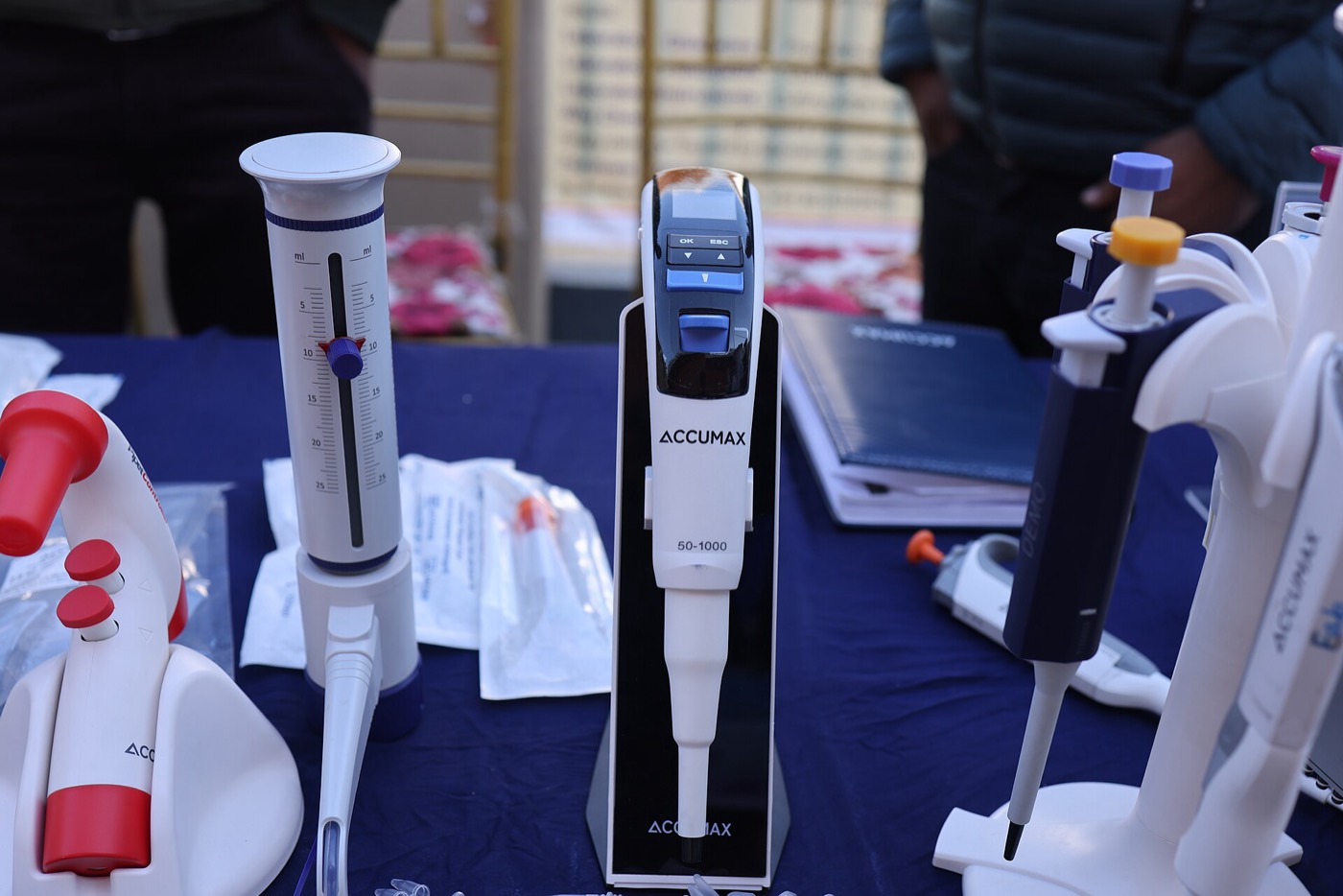
Bench work is where a programme starts.
Bench work is where a programme starts. Illustration generated for The CRISPR Atlas.
Most programmes never leave the building.
Most programmes never leave the building. Illustration generated for The CRISPR Atlas.

Sources

Connected in the Atlas

Every entry on this site is linked to the others it relates to. These connections are part of the record, not a search result.