Panduan definitif tentang penyuntingan gen.
Menu
Beranda Pelajari Berita Tanya Atlas
Jelajahi Teknologi Penyakit Perawatan Uji Klinis Perusahaan Ilmuwan Gen-gen Penelitian Institusi
Di luar dunia medis Pertanian Etika Investasi Peta dunia
Pelajari & Alat Mulai di sini Glosarium A–Z Bandingkan teknologi Linimasa Daftar & Peringkat Agen AI ★ Tersimpan API
Tentang Tentang kami Metodologi Sumber Data Kebijakan Editorial Kontak Penafian

🧭 Tampilan Terpandu
Baru mengenal genetika? Kami menjelaskan setiap istilah saat kamu menjelajah, dalam bahasa yang mudah dipahami. Halaman yang sama, dengan bantuan yang sudah tersedia.

⚡ Pandangan Ahli
Kamu sudah mengenal biologinya. Cukup kontennya — ringkas dan padat, tanpa penjelasan tambahan. Ini adalah tampilan default.

Bahasa antarmuka
Mode terang

Advanced · 5 menit baca

How a gene-editing company works

What a pre-revenue biotechnology company actually is, and which numbers describe it — information, not investment advice.

Jawaban singkat

Most gene-editing companies sell nothing. They spend money developing treatments that may or may not work, funded by investors, and their value rests entirely on what might happen years from now. The two numbers that describe such a company best are how much cash it holds and how fast it is spending it — the second divided into the first gives its runway, the time before it must raise more money or stop.

Gene-editing companies are typically pre-revenue, financing multi-year development through equity issuance and partnerships. Key disclosures are cash and equivalents, quarterly operating expenses, implied runway, and the timing of clinical catalysts. Partnership structures — upfront payments, development and commercial milestones, royalties — transfer risk and capital in exchange for economics. Value is concentrated in binary events: a trial readout, a regulatory decision, a clinical hold.

Where to find the real numbers

This site does not carry financial data, because a figure that is stale by minutes is worse than none. For US-listed companies, quarterly and annual filings on the SEC's EDGAR system state cash, operating expenses and risk factors in the company's own words. ClinicalTrials.gov gives trial status. Regulatory decisions are published by the FDA and EMA. Those are the primary sources; everything else is commentary.

ImportantEducational information only. Nothing here is investment advice or a recommendation regarding any security. Biotechnology investments are highly speculative and most clinical programmes fail.
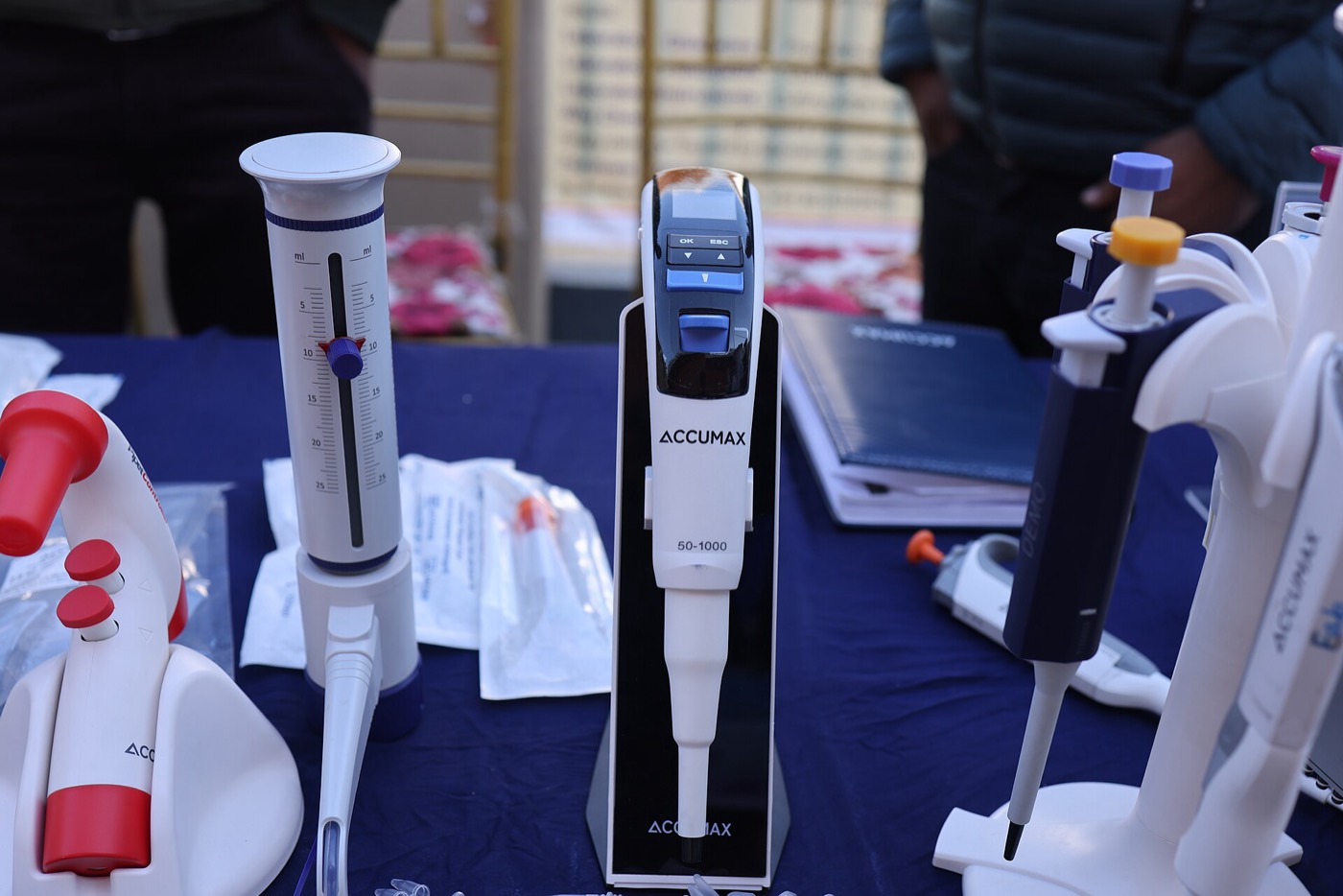
Bench work is where a programme starts.
Bench work is where a programme starts. Illustration generated for The CRISPR Atlas.
Most programmes never leave the building.
Most programmes never leave the building. Illustration generated for The CRISPR Atlas.

Sources

Connected in the Atlas

Every entry on this site is linked to the others it relates to. These connections are part of the record, not a search result.