基因编辑权威指南。
★
菜单
首页 学习 新闻
探索 技术 疾病 治疗方法 临床试验 企业 科学家 基因 研究 机构
医学之外 农业 伦理 投资 世界地图
学习与工具 从这里开始 术语表 A–Z 对比技术 时间线 列表与排名 AI 智能体 ★ 已保存 API
关于 关于我们 方法论 数据来源 编辑方针 联系我们 免责声明

引导视图
遗传学新手?浏览时我们会用简单易懂的语言为您解释每个术语,就在同一页面内,帮助随时可用。

专家观点
你已经了解生物学基础,只需内容本身,简洁明了,无额外解释。这是默认视图。

界面语言
浅色模式
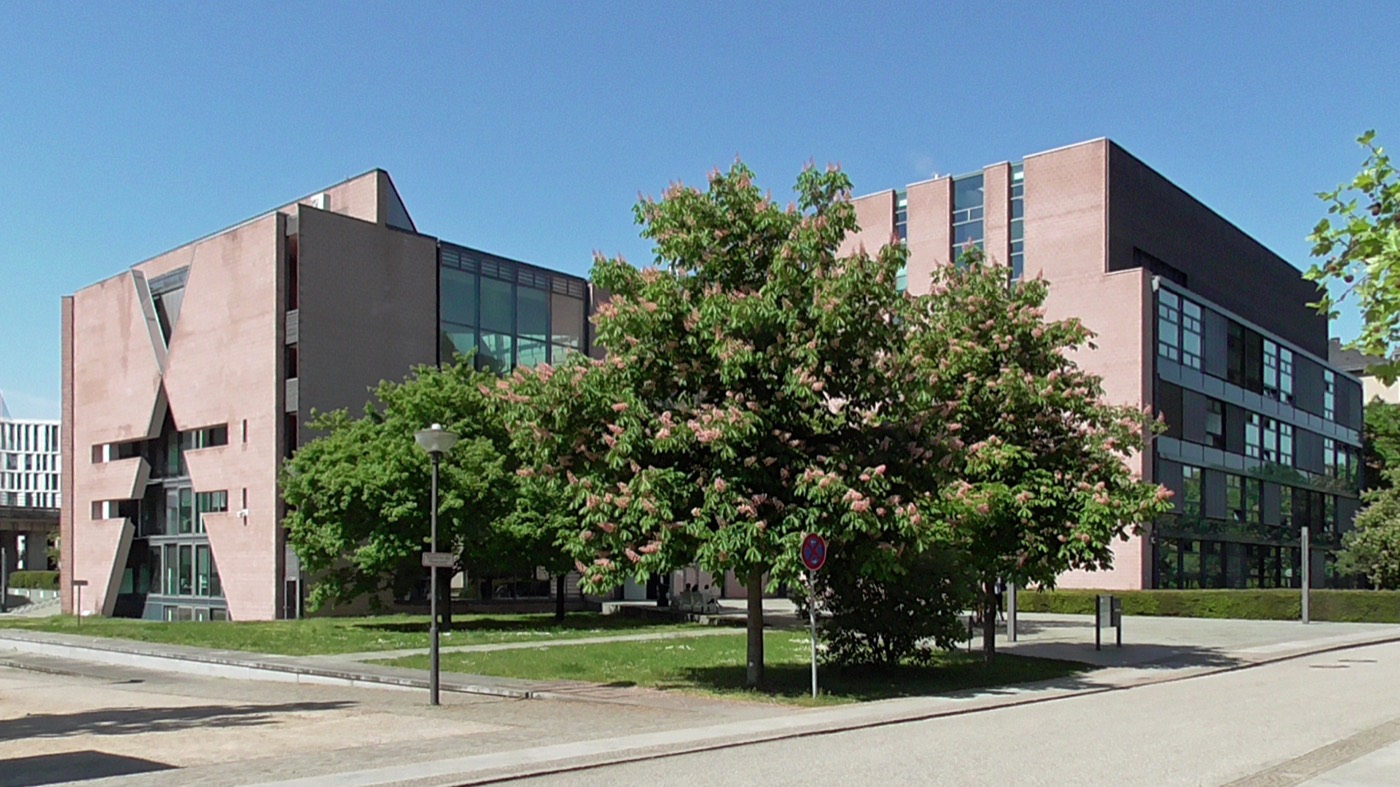
Max Planck-Institut für Infektionsbiologie, Deutsches Rheuma-Forschungszentrum auf dem Campus der Charité Mitte. Campusadresse Virchowweg 12. Das Gebäude wurde von 1997 bis 2000 er

Institution · Research institute

Max Planck Unit for the Science of Pathogens

Emmanuelle Charpentier's institute in Berlin, studying the bacterial biology from which CRISPR came.

Photo: Schibo · CC BY-SA 4.0 · Wikimedia Commons

简单说明

Emmanuelle Charpentier directs this Berlin institute, which studies how disease-causing bacteria work. It is a reminder of where CRISPR came from: not from anyone trying to invent a gene-editing tool, but from basic curiosity about bacterial biology.

深入了解

The Max Planck Unit for the Science of Pathogens in Berlin, founded in 2018, is directed by Emmanuelle Charpentier and studies the molecular biology of human bacterial pathogens, including the regulatory RNA biology from which CRISPR-Cas9's mechanism was elucidated.

Sources

Connected in CRISPR Decoded

Every entry on this site is linked to the others it relates to. These connections are part of the record, not a search result.

仅供教育参考 本页面为参考资源,不构成医疗建议。研究进展和监管状态会发生变化;请查看上方的最后更新日期,并对重要信息进行核实,以所列主要来源为准。