ゲノム編集の決定版ガイド。
★
メニュー
ホーム 学ぶ ニュース
探索する 技術 疾患 治療法 臨床試験 企業 科学者 遺伝子 研究 研究機関
医療を超えて 農業 倫理 投資 世界地図
学ぶ・ツール まずはここから 用語集 A~Z 技術を比較する タイムライン リスト・ランキング AIエージェント ★ 保存済み API
このサイトについて 私たちについて 方法論 データソース 編集方針 お問い合わせ 免責事項

ガイドビュー
遺伝学が初めてですか? 閲覧しながら、すべての用語をわかりやすく説明します。同じページに、サポートが組み込まれています。

専門家の見解
生物学はすでにご存知の方へ。コンテンツだけをすっきりとコンパクトに、余分な説明なしでお届けします。これがデフォルト表示です。

表示言語
ライトモード
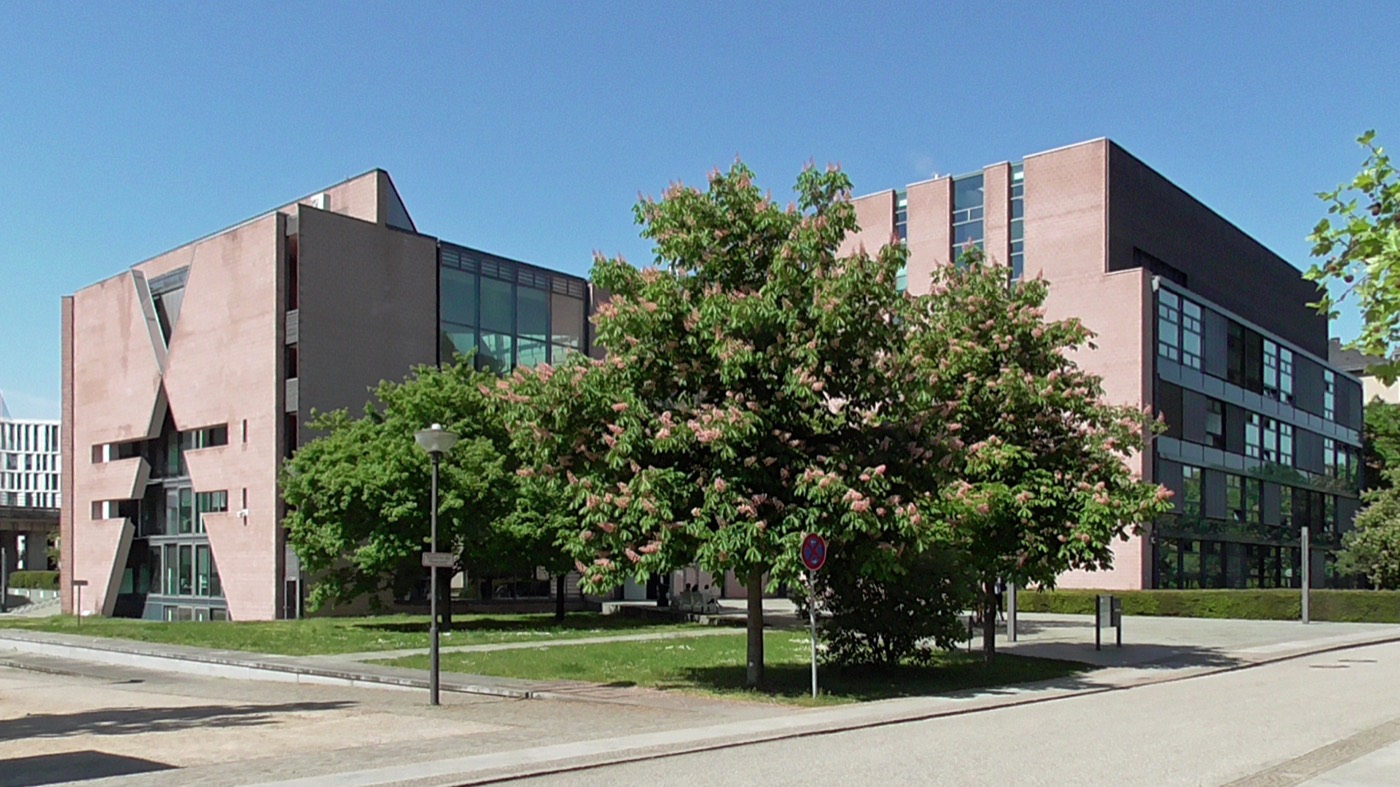
Max Planck-Institut für Infektionsbiologie, Deutsches Rheuma-Forschungszentrum auf dem Campus der Charité Mitte. Campusadresse Virchowweg 12. Das Gebäude wurde von 1997 bis 2000 er

Institution · Research institute

Max Planck Unit for the Science of Pathogens

Emmanuelle Charpentier's institute in Berlin, studying the bacterial biology from which CRISPR came.

Photo: Schibo · CC BY-SA 4.0 · Wikimedia Commons

わかりやすい説明

Emmanuelle Charpentier directs this Berlin institute, which studies how disease-causing bacteria work. It is a reminder of where CRISPR came from: not from anyone trying to invent a gene-editing tool, but from basic curiosity about bacterial biology.

さらに深く掘り下げる

The Max Planck Unit for the Science of Pathogens in Berlin, founded in 2018, is directed by Emmanuelle Charpentier and studies the molecular biology of human bacterial pathogens, including the regulatory RNA biology from which CRISPR-Cas9's mechanism was elucidated.

Sources

Connected in CRISPR Decoded

Every entry on this site is linked to the others it relates to. These connections are part of the record, not a search result.

教育目的の情報のみ このページはリファレンスであり、医療上のアドバイスではありません。研究・規制上のステータスは変わることがあります。上記の最終更新日を確認し、重要な情報は記載の一次情報源で必ずご確認ください。