The definitive guide to gene editing.
★
Menu
Home Learn News
Explore Technologies Diseases Treatments Clinical Trials Companies Scientists Genes Research Institutions
Beyond medicine Agriculture Ethics Investing World map
Learn & Tools Start here Glossary A–Z Compare technologies Timeline Lists & Rankings AI Agents ★ Saved API
About About us Methodology Data Sources Editorial Policy Contact Disclaimers

Guided View
New to genetics? We explain every term as you browse, in plain English. Same pages, with the help built in.

Expert View
You already know the biology. Just the content, clean and compact, with no extra explanations. This is the default view.

Interface language
Light mode
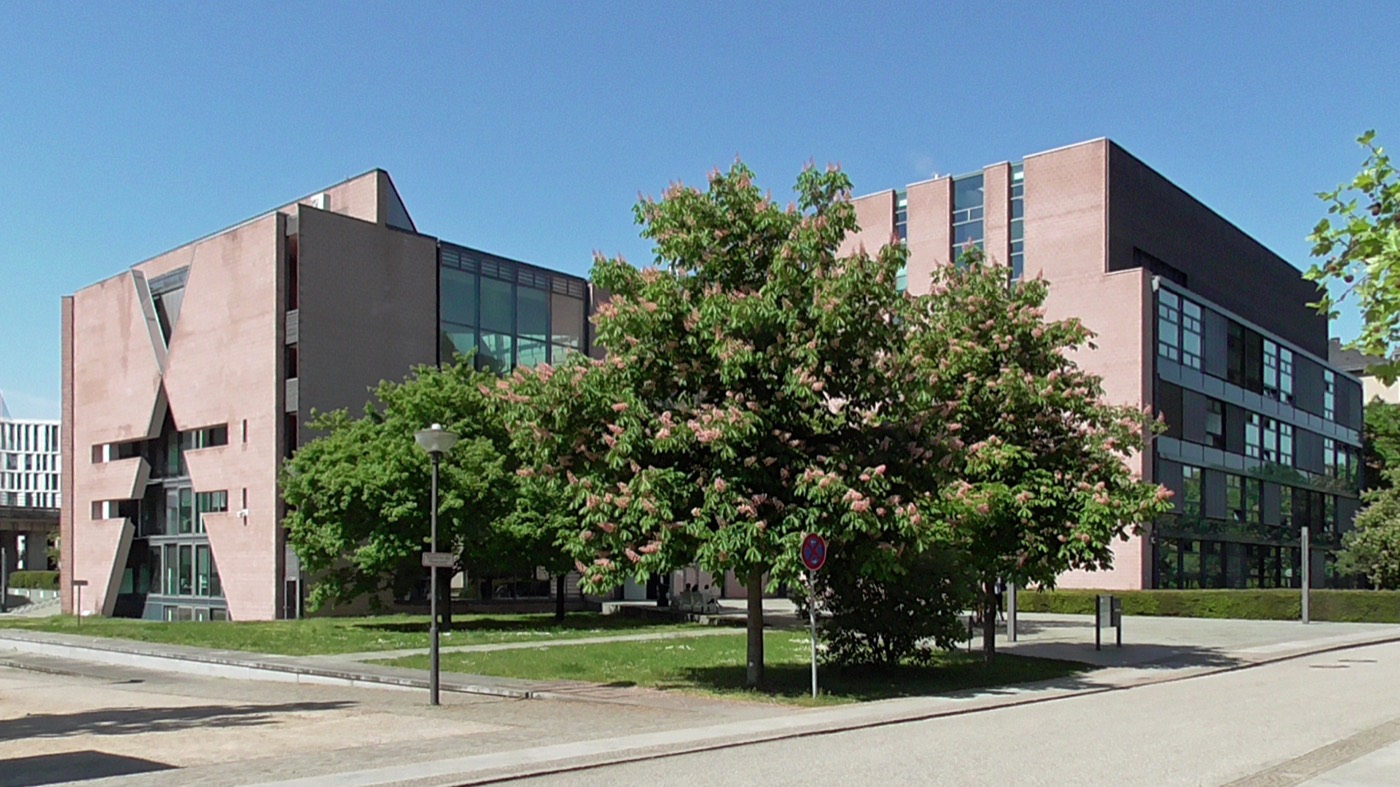
Max Planck-Institut für Infektionsbiologie, Deutsches Rheuma-Forschungszentrum auf dem Campus der Charité Mitte. Campusadresse Virchowweg 12. Das Gebäude wurde von 1997 bis 2000 er

Institution · Research institute

Max Planck Unit for the Science of Pathogens

Emmanuelle Charpentier's institute in Berlin, studying the bacterial biology from which CRISPR came.

Photo: Schibo · CC BY-SA 4.0 · Wikimedia Commons

Simple explanation

Emmanuelle Charpentier directs this Berlin institute, which studies how disease-causing bacteria work. It is a reminder of where CRISPR came from: not from anyone trying to invent a gene-editing tool, but from basic curiosity about bacterial biology.

Go deeper

The Max Planck Unit for the Science of Pathogens in Berlin, founded in 2018, is directed by Emmanuelle Charpentier and studies the molecular biology of human bacterial pathogens, including the regulatory RNA biology from which CRISPR-Cas9's mechanism was elucidated.

Sources

Connected in CRISPR Decoded

Every entry on this site is linked to the others it relates to. These connections are part of the record, not a search result.

Educational information only This page is a reference, not medical advice. Research and regulatory status change; check the last-updated date above and confirm anything important against the primary sources listed.