Panduan definitif tentang penyuntingan gen.
★
Menu
Beranda Pelajari Berita
Jelajahi Teknologi Penyakit Perawatan Uji Klinis Perusahaan Ilmuwan Gen-gen Penelitian Institusi
Di luar dunia medis Pertanian Etika Investasi Peta dunia
Pelajari & Alat Mulai di sini Glosarium A–Z Bandingkan teknologi Linimasa Daftar & Peringkat Agen AI ★ Tersimpan API
Tentang Tentang kami Metodologi Sumber Data Kebijakan Editorial Kontak Penafian

Tampilan Terpandu
Baru mengenal genetika? Kami menjelaskan setiap istilah saat kamu menjelajah, dalam bahasa yang mudah dipahami. Halaman yang sama, dengan bantuan yang sudah tersedia.

Pandangan Ahli
Kamu sudah mengenal biologinya. Cukup kontennya, ringkas dan padat, tanpa penjelasan tambahan. Ini adalah tampilan default.

Bahasa antarmuka
Mode terang
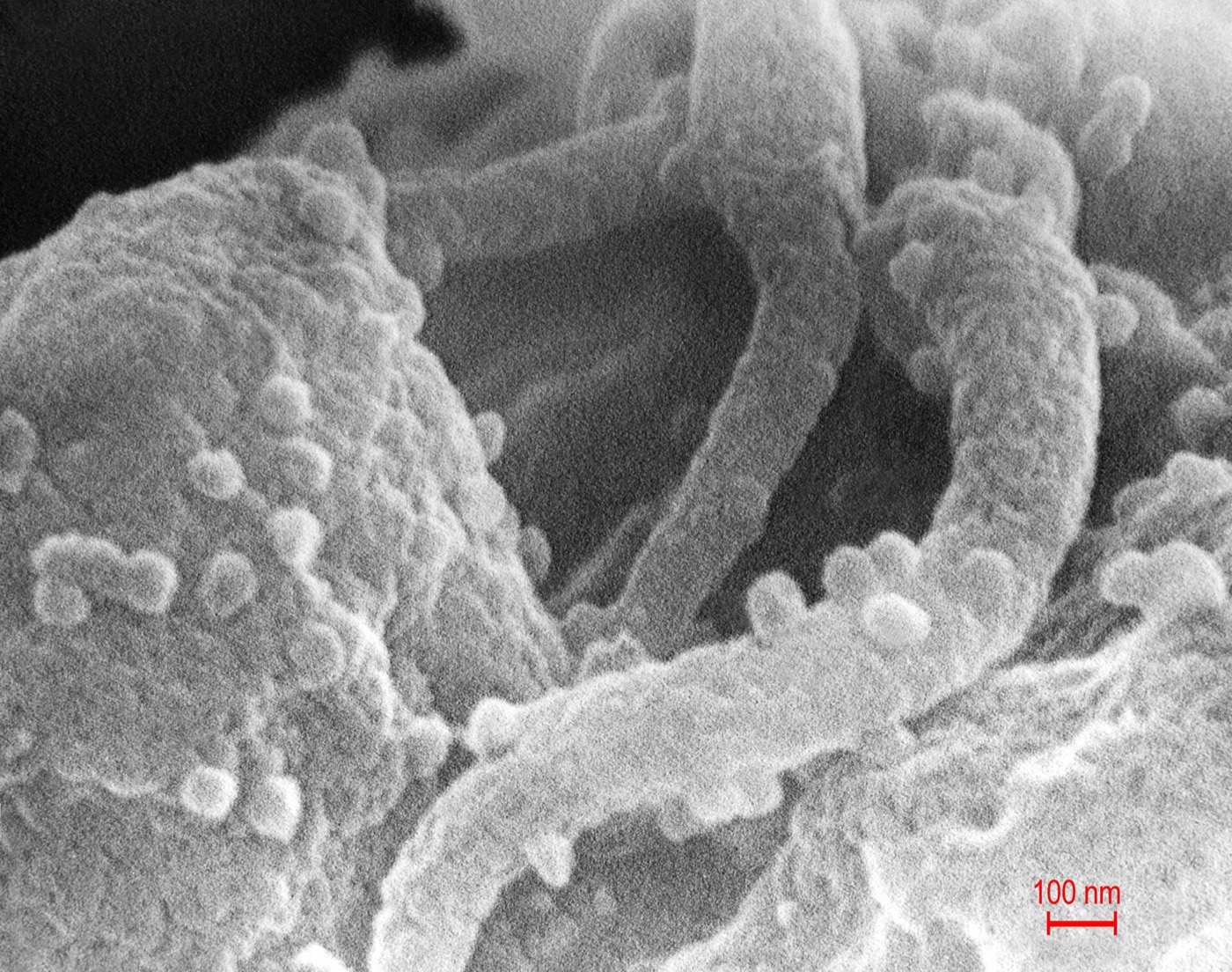
This scanning electron micrograph revealed the presence of the human immunodeficiency virus (HIV-1), (spherical in appearance), which had been co-cultivated with human lymphocytes.

Disease · Infectious disease

HIV

A virus that hides inside the genome of the cells it infects, which is why editing has been proposed both to block entry and to cut the virus out.

Photo: Photo Credit: C. Goldsmith Content Providers: CDC/ C. Goldsmith, P. Feorino, E. L. Palmer, W. R. McManus · Public domain · Wikimedia Commons

Phase I CCR5virusexcision
Clinical research Being tested in people in registered clinical trials. Being in trials is not evidence that a treatment works or is safe.

Penjelasan sederhana

HIV infects immune cells and then writes its own genes into their DNA, where drugs cannot reach it. Daily medication keeps the virus suppressed, but stop the medication and the hidden copies wake up. Two editing ideas follow from that. The first removes the doorway the virus uses to get into cells, a gene called CCR5. Some people are naturally born without it, and they are largely resistant to infection. The second tries to cut the viral DNA out of the genome directly.

Pelajari lebih dalam

HIV integrates as a provirus into host cell DNA, establishing a latent reservoir that antiretroviral therapy suppresses but does not eliminate. Editing strategies either target CCR5, the principal co-receptor for R5-tropic HIV, or attempt excision of integrated provirus. Homozygous CCR5-Δ32 individuals are largely resistant, and allogeneic transplant from CCR5-Δ32 donors has produced sustained remission in a small number of patients. Sangamo's zinc-finger CCR5 disruption programme was the first human gene-editing trial of any kind.

Why the natural experiment matters

About one per cent of people of northern European ancestry carry two copies of CCR5-Δ32, a deletion that removes the receptor, and they are largely resistant to the common form of HIV while appearing otherwise healthy. A small number of patients, beginning with Timothy Ray Brown, the 'Berlin patient', have achieved long-term remission after receiving bone marrow transplants from CCR5-Δ32 donors for unrelated cancers. That is proof the biology works. The problem is that a marrow transplant is a dangerous procedure that no one would undergo for HIV alone, given how well antiretroviral therapy works.

Honest status

Editing approaches to HIV remain early-phase and have not produced durable control off medication in trials. The comparator is genuinely excellent: modern antiretroviral therapy gives near-normal life expectancy. Any editing approach has to beat that on convenience or on lasting control of the virus without medication, and neither has been shown.
ImportantThis is also the area of the field's worst episode: in 2018 He Jiankui edited CCR5 in human embryos and brought about the birth of edited children, an act condemned worldwide and for which he was imprisoned. That was germline editing of healthy embryos, and it is unrelated to the legitimate somatic research described here.
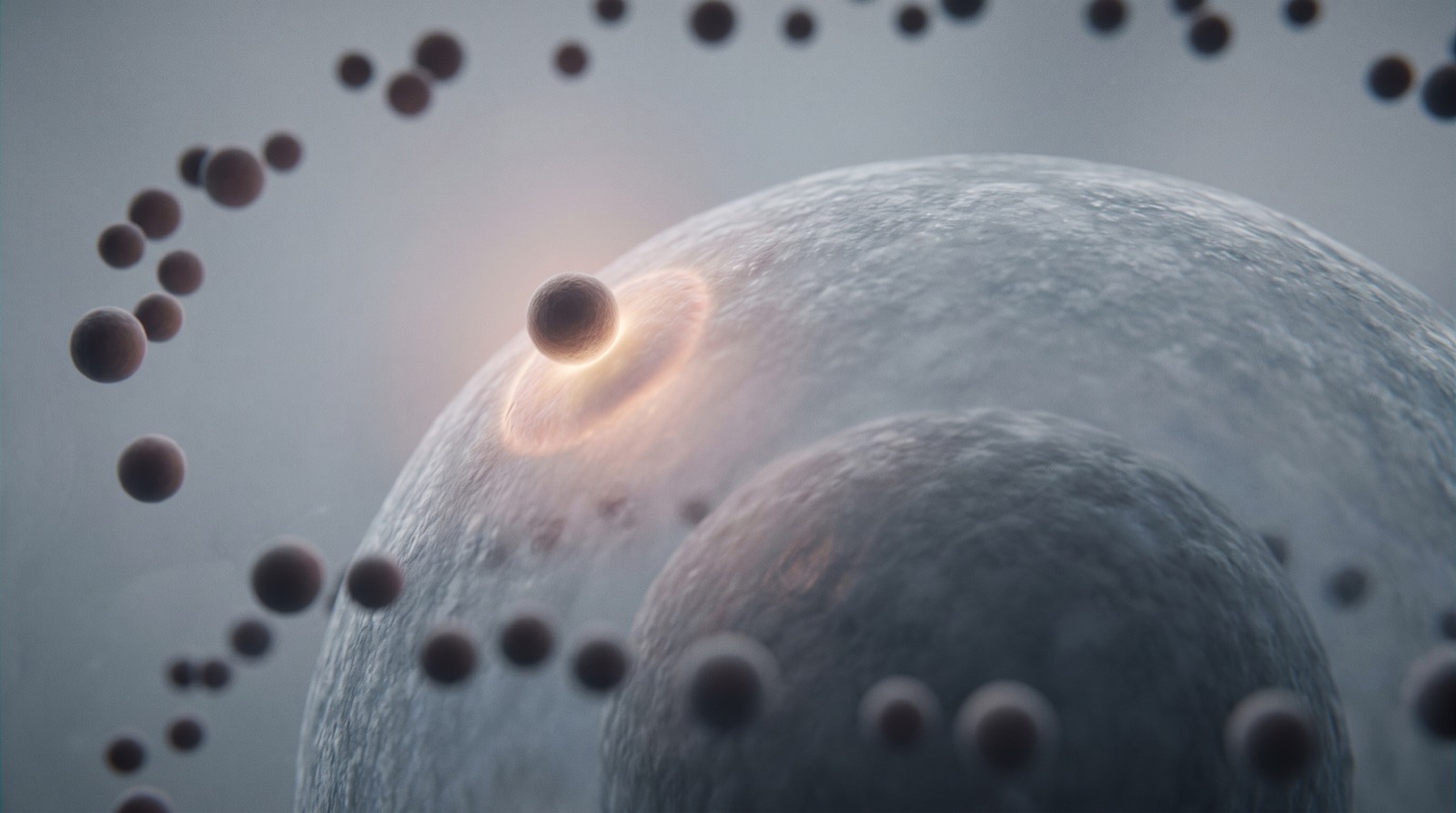
A cell surrounded by virus particles
Virus particles at the surface of an immune cell, at the receptor they use to enter. Illustration generated for CRISPR Decoded: a visual aid, not a photograph or a literal depiction of molecular structure.

Sources

Connected in CRISPR Decoded

Every entry on this site is linked to the others it relates to. These connections are part of the record, not a search result.

Hanya informasi edukatif Halaman ini adalah referensi, bukan nasihat medis. Status riset dan regulasi dapat berubah; periksa tanggal pembaruan terakhir di atas dan konfirmasi hal-hal penting dengan sumber primer yang tercantum.