Explicación sencilla
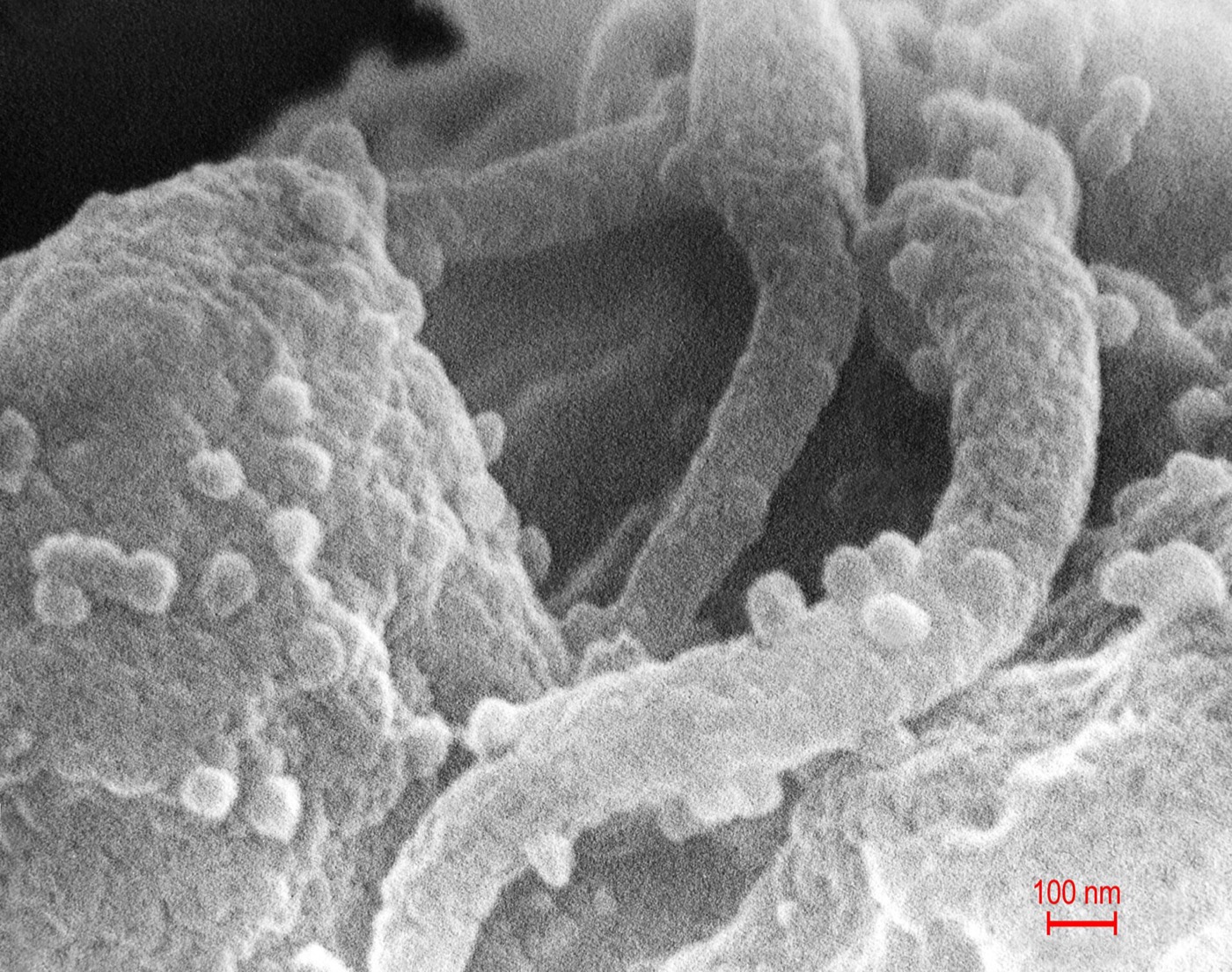
HIV infects immune cells and then writes its own genes into their DNA, where drugs cannot reach it. Daily medication keeps the virus suppressed, but stop the medication and the hidden copies wake up. Two editing ideas follow from that. The first removes the doorway the virus uses to get into cells, a gene called CCR5. Some people are naturally born without it, and they are largely resistant to infection. The second tries to cut the viral DNA out of the genome directly.
Profundizar
HIV integrates as a provirus into host cell DNA, establishing a latent reservoir that antiretroviral therapy suppresses but does not eliminate. Editing strategies either target CCR5, the principal co-receptor for R5-tropic HIV, or attempt excision of integrated provirus. Homozygous CCR5-Δ32 individuals are largely resistant, and allogeneic transplant from CCR5-Δ32 donors has produced sustained remission in a small number of patients. Sangamo's zinc-finger CCR5 disruption programme was the first human gene-editing trial of any kind.
Why the natural experiment matters
About one per cent of people of northern European ancestry carry two copies of CCR5-Δ32, a deletion that removes the receptor, and they are largely resistant to the common form of HIV while appearing otherwise healthy. A small number of patients, beginning with Timothy Ray Brown, the 'Berlin patient', have achieved long-term remission after receiving bone marrow transplants from CCR5-Δ32 donors for unrelated cancers. That is proof the biology works. The problem is that a marrow transplant is a dangerous procedure that no one would undergo for HIV alone, given how well antiretroviral therapy works.
Honest status
Editing approaches to HIV remain early-phase and have not produced durable control off medication in trials. The comparator is genuinely excellent: modern antiretroviral therapy gives near-normal life expectancy. Any editing approach has to beat that on convenience or on lasting control of the virus without medication, and neither has been shown.
Sources
- New England Journal of Medicine (Tebas et al.) · 2014
Gene editing of CCR5 in autologous CD4 T cells of persons infected with HIV ↗