Sade açıklama
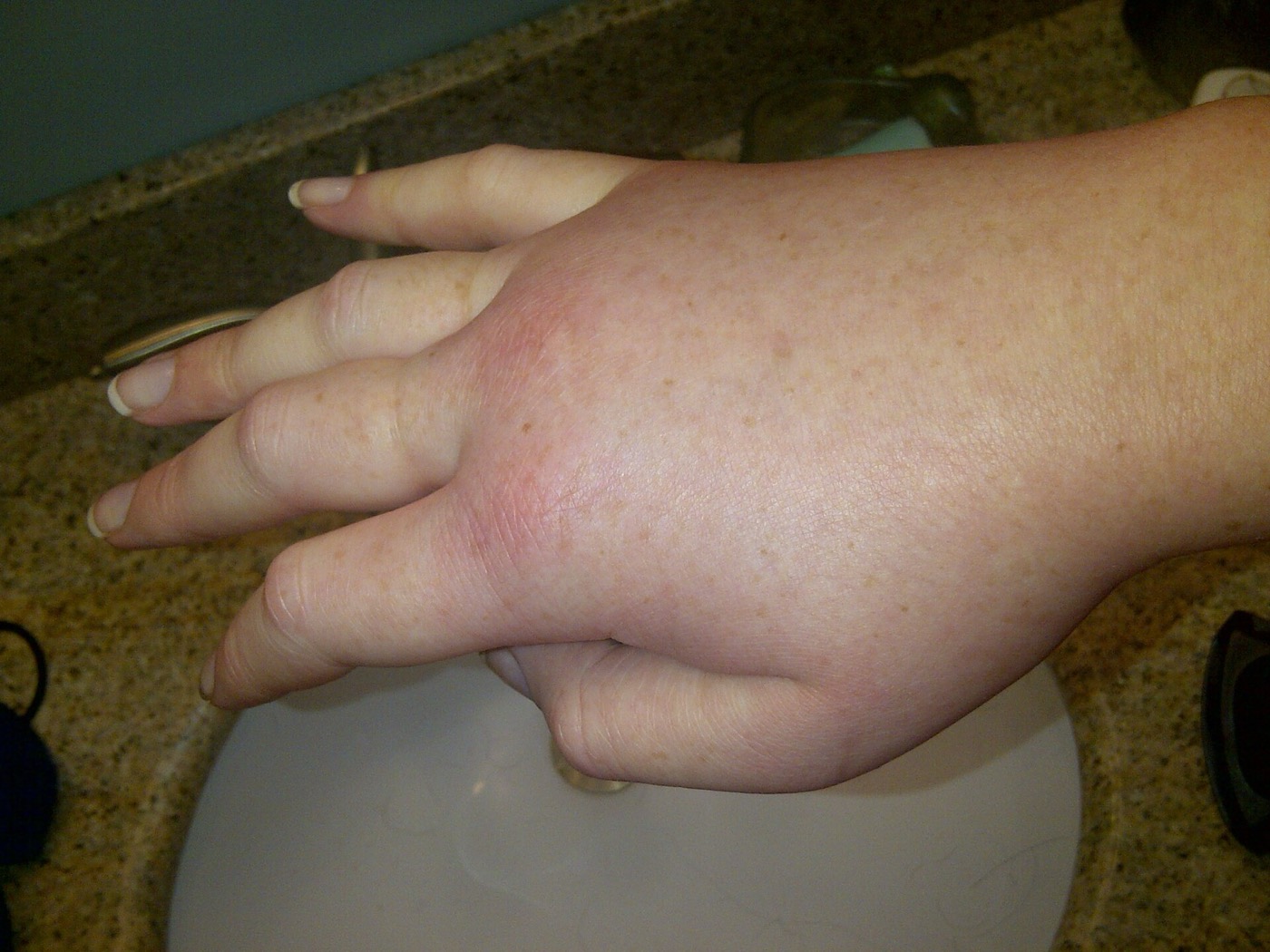
People with hereditary angioedema have attacks of severe swelling that arrive without warning, in the face, the limbs, the gut, or dangerously in the airway. The cause is a missing brake on one of the body's signalling systems, which lets a molecule called bradykinin accumulate and make blood vessels leak. An in vivo gene-editing treatment aims to remove a different protein in that pathway permanently, with a single infusion, so the attacks stop happening.
Daha derine in
Hereditary angioedema most often results from SERPING1 mutations causing C1-esterase inhibitor deficiency, leading to unregulated kallikrein activity and excess bradykinin. Attacks are episodic, unpredictable and potentially fatal when laryngeal. Lonvoguran ziclumeran (lonvo-z, NTLA-2002) uses lipid-nanoparticle-delivered CRISPR-Cas9 to knock out KLKB1, which encodes prekallikrein, in hepatocytes. This removes the substrate upstream of bradykinin generation rather than replacing the missing inhibitor.
Why this result matters beyond the disease
Intellia reported positive results from the global Phase 3 HAELO study of lonvo-z, described by the company as the first positive Phase 3 readout for an in vivo gene-editing therapy anywhere. Enrolment completed and a biologics licence application was signalled for the second half of 2026.
Whatever happens next, the significance is structural: it is the first evidence that editing a gene inside a living person's body can carry a treatment through a registrational trial. Every in vivo programme in every other disease is watching that regulatory path.
What patients use now
Existing treatment is effective and burdensome: C1-inhibitor replacement, the kallikrein inhibitor lanadelumab, berotralstat orally, and icatibant for acute attacks. Most require indefinite regular administration. A single-dose alternative would change the shape of the disease rather than only its severity, which is why this indication attracted an editing programme despite effective drugs already existing.
Sources
- Intellia Therapeutics · 2026
Intellia reports positive Phase 3 results in hereditary angioedema ↗ - New England Journal of Medicine (Cohn et al.) · 2024
CRISPR-based therapy for hereditary angioedema ↗