De definitieve gids voor genbewerking.
Menu
Home Leren Nieuws Vraag de Atlas
Verkennen Technologieën Ziekten Behandelingen Klinische onderzoeken Bedrijven Wetenschappers Genen Onderzoek Instellingen
Verder dan geneeskunde Landbouw Ethiek Investeren Wereldkaart
Leren & Tools Begin hier Woordenlijst A–Z Vergelijk technologieën Tijdlijn Lijsten & Rankings AI-agents ★ Opgeslagen API
Over Over ons Methodologie Databronnen Redactioneel beleid Contact Disclaimers

🧭 Begeleide weergave
Nieuw in de genetica? We leggen elk begrip uit terwijl je bladert, in gewone taal. Dezelfde pagina's, met de hulp ingebouwd.

⚡ Expertvisie
Je kent de biologie al. Alleen de inhoud — helder en compact, zonder extra uitleg. Dit is de standaardweergave.

Interfacetaal
Lichte modus

Disease · Blood disorders

Hemophilia

An inherited bleeding disorder in which gene addition reached approval first, leaving editing to solve the problem of durability.

Preclinical liverclottingF8F9
Preclinical research Tested in cells and animals only. Most preclinical programmes never reach people, and animal results often do not carry over.

Eenvoudige uitleg

Blood clotting works as a chain of proteins, each activating the next. In haemophilia one link is missing, so clots form too slowly and bleeding continues — into joints and muscles, and sometimes dangerously. Approved gene therapies already put a working copy of the missing gene into liver cells. The reason to try editing instead is that added copies can fade over time, particularly in children whose livers are still growing, while an edit at the gene's own address should last.

Dieper ingaan

Haemophilia A and B result from F8 and F9 mutations respectively, both X-linked. Approved AAV gene-addition therapies deliver functional transgenes to hepatocytes and have produced substantial factor expression, but episomal AAV genomes dilute with hepatocyte turnover — a particular limitation in paediatric patients — and pre-existing anti-AAV immunity excludes a significant fraction of patients. Targeted integration at a safe-harbour locus such as albumin, or in situ correction, aims for durability that survives cell division.

The durability argument

This is the clearest case where editing's advantage over gene addition is about time rather than capability. An AAV episome is not copied when a cell divides, so as the liver renews itself the therapeutic copies are diluted away. Integrating the sequence, or editing the endogenous gene, means every daughter cell inherits it. For a child who will live another seventy years, that difference is the whole argument.

The durability argument
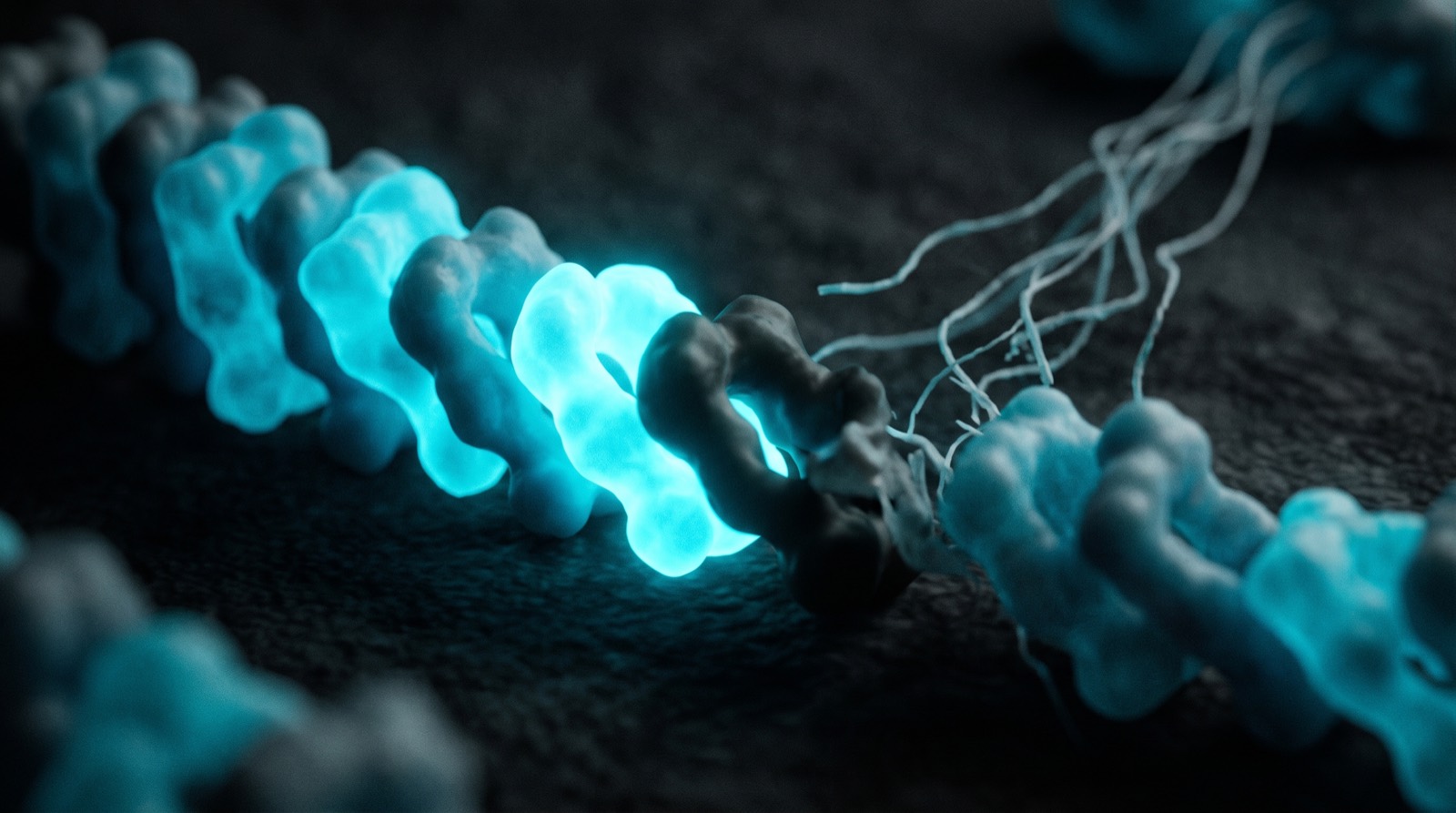
A clotting cascade with one link missing and the chain failing. Illustration generated for The CRISPR Atlas — a visual aid, not a photograph or a literal depiction of molecular structure.

Sources

Connected in the Atlas

Every entry on this site is linked to the others it relates to. These connections are part of the record, not a search result.

Alleen educatieve informatie Deze pagina is een naslagbron, geen medisch advies. Onderzoeks- en regelgevingsstatus veranderen; controleer de datum van de laatste update hierboven en verifieer belangrijke informatie bij de vermelde primaire bronnen.