간단한 설명
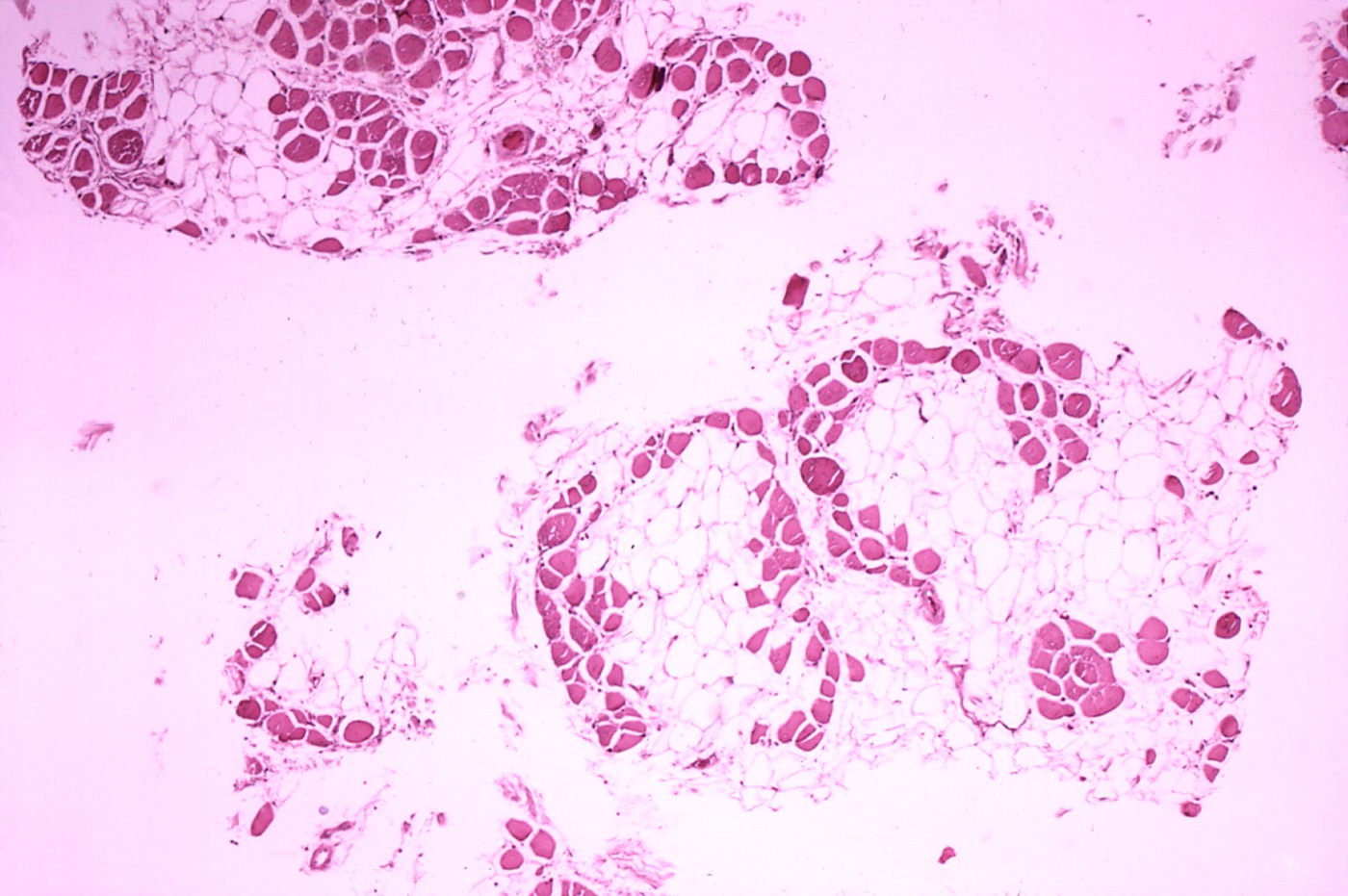
Muscle cells need a protein called dystrophin to survive being used. Without it they tear themselves apart a little more each time they contract, and muscle is gradually replaced by scar and fat. The gene is enormous, the largest in the human genome, and thousands of different mutations can break it. Editing could in principle repair it, but the obstacle is arithmetic: muscle is roughly forty per cent of the body, and there is no way yet to reach enough of it.
더 깊이 알아보기
Duchenne muscular dystrophy results from out-of-frame DMD mutations abolishing dystrophin, an X-linked condition affecting approximately 1 in 5,000 male births. Editing strategies focus on exon skipping: excising an exon to restore the reading frame and produce an internally truncated but partially functional protein, the same logic as the milder Becker phenotype. The obstacle is systemic delivery to skeletal muscle, cardiac muscle and the muscle stem cell compartment; AAV doses sufficient to reach muscle broadly have caused severe and fatal immune and hepatic toxicity in gene-therapy trials.
Why this is the hard case
Nearly everything about Duchenne is unfavourable. The target tissue is vast and distributed. Muscle stem cells must be edited too or the benefit is lost as fibres turn over. The gene is too large to deliver a replacement copy, so editing is one of few options. The high AAV doses needed have caused deaths in gene-therapy trials, which is a hard ceiling on that route. And the mutations are heterogeneous, so a single exon-skipping strategy helps only the subset of patients whose mutation it fits.
None of that makes it impossible. It does mean that anyone describing CRISPR as close to treating Duchenne is not describing where the work actually is.
Where the work is
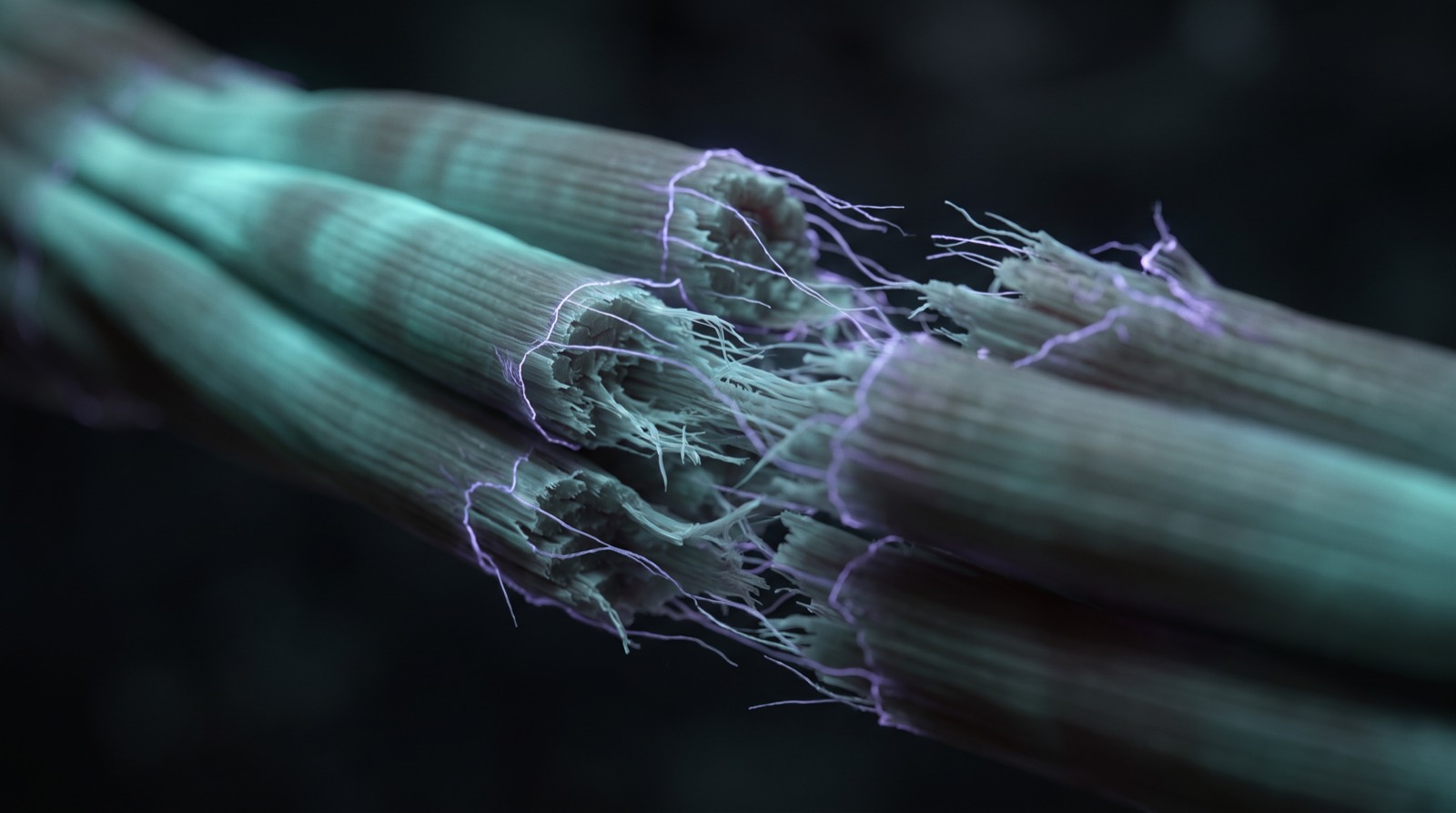
Preclinical, in dogs and mice, with real functional improvement demonstrated in animals and durability questions unresolved. The most promising directions are better muscle-tropic AAV capsids, non-viral delivery, and integrase approaches that could install a whole functional gene rather than skipping an exon.
Sources
- National Human Genome Research Institute
Duchenne muscular dystrophy ↗ - Nature Medicine (Nelson et al.) · 2019
Long-term evaluation of AAV-CRISPR genome editing for Duchenne muscular dystrophy ↗

