Gen düzenlemenin kapsamlı rehberi.
Menü
Ana Sayfa Öğren Haberler Atlas'a Sor
Keşfet Teknolojiler Hastalıklar Tedaviler Klinik Araştırmalar Şirketler Bilim insanları Genler Araştırma Kurumlar
Tıbbın ötesinde Tarım Etik Yatırım Dünya haritası
Öğren ve Araçlar Buradan başlayın Sözlük A–Z Teknolojileri karşılaştır Zaman çizelgesi Listeler ve Sıralamalar Yapay Zeka Ajanları ★ Kaydedildi API
Hakkında Hakkımızda Yöntem Veri Kaynakları Yayın Politikası İletişim Yasal Uyarılar

🧭 Rehberli Görünüm
Genetiğe yeni misiniz? Gezinirken her terimi sade bir dille açıklıyoruz. Aynı sayfalar, yardım da dahil.

⚡ Uzman Görüşü
Biyolojiyi zaten biliyorsunuz. Sadece içerik — sade ve özlü, fazladan açıklama yok. Bu varsayılan görünümdür.

Arayüz dili
Açık mod

Disease · Metabolic disease

Diabetes

Where editing is being used not to correct a gene but to hide transplanted insulin-producing cells from the immune system.

Phase I cell therapyimmuneislet
Clinical research Being tested in people in registered clinical trials. Being in trials is not evidence that a treatment works or is safe.

Sade açıklama

In type 1 diabetes the immune system destroys the cells in the pancreas that make insulin. You can now grow replacement insulin-producing cells from stem cells — but transplant them and the same immune system destroys them again, unless the patient takes immune-suppressing drugs for life. Gene editing is being used to make the replacement cells invisible to the immune system, so that they can survive without those drugs.

Daha derine in

Type 1 diabetes is autoimmune beta-cell destruction; type 2 is a metabolic disease of insulin resistance with polygenic contribution and is not an editing target. Stem-cell-derived islet transplantation is clinically effective but requires chronic immunosuppression. Hypoimmune engineering — knocking out HLA class I and II via B2M and CIITA, and overexpressing CD47 to evade natural killer cells — aims to allow allogeneic islet transplantation without immunosuppression. Sana Biotechnology reported early evidence of hypoimmune islet cell survival and insulin production without immunosuppression.

A different use of editing again

This site's disease pages fall into three groups: correct the gene, remove the harmful protein, or engineer the cells. Diabetes is squarely in the third. Nothing about the patient's genome is edited — the transplanted cells are. It is the same logic as allogeneic CAR-T, applied to a metabolic disease.

A different use of editing again
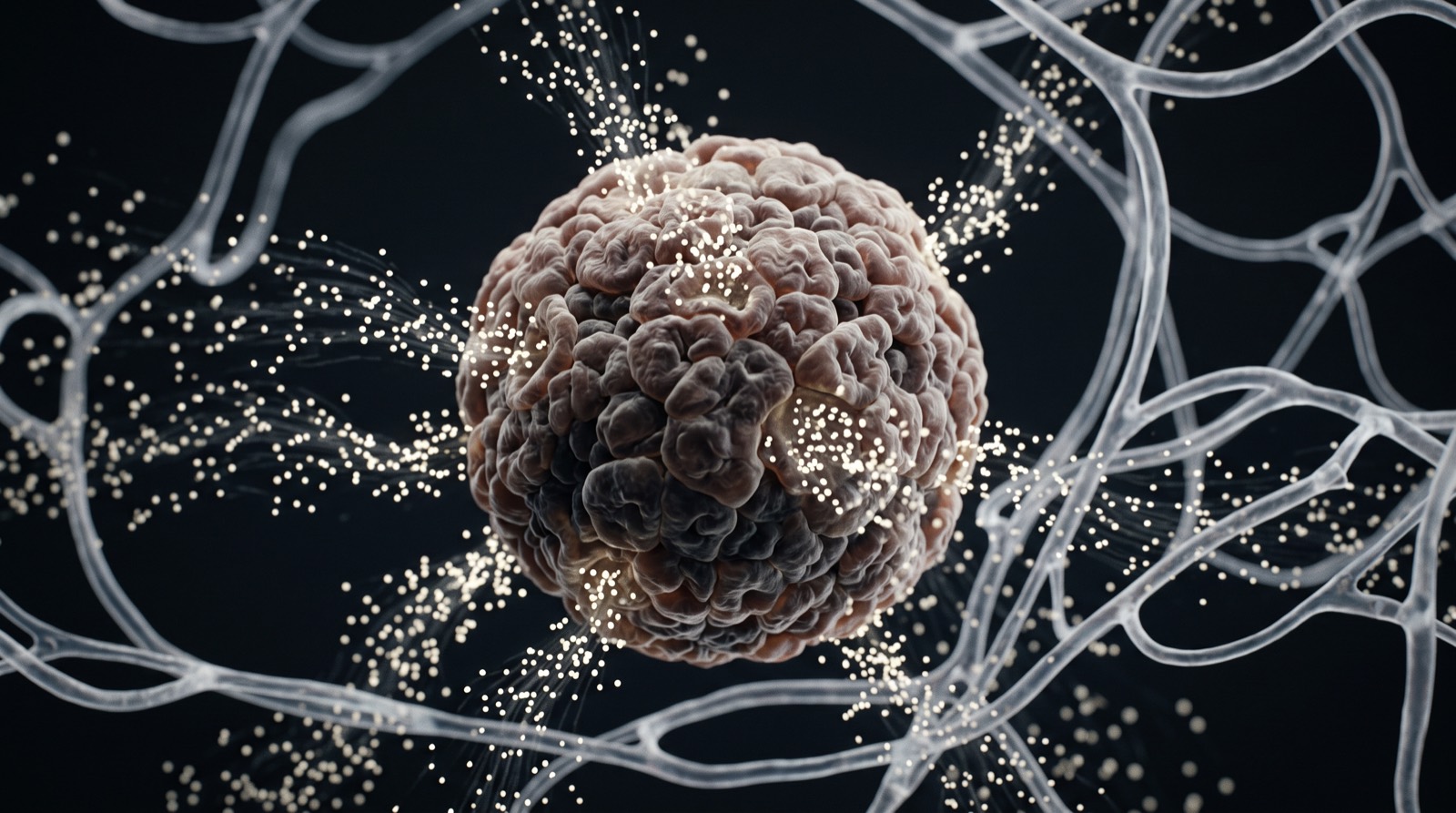
Insulin-producing islet cells releasing hormone into surrounding capillaries. Illustration generated for The CRISPR Atlas — a visual aid, not a photograph or a literal depiction of molecular structure.

Sources

Connected in the Atlas

Every entry on this site is linked to the others it relates to. These connections are part of the record, not a search result.

Yalnızca eğitim amaçlı bilgi Bu sayfa bir referans kaynağıdır, tıbbi tavsiye değildir. Araştırma ve düzenleyici onay durumları değişebilir; yukarıdaki son güncelleme tarihini kontrol edin ve önemli bilgileri listelenen birincil kaynaklardan doğrulayın.