सरल व्याख्या
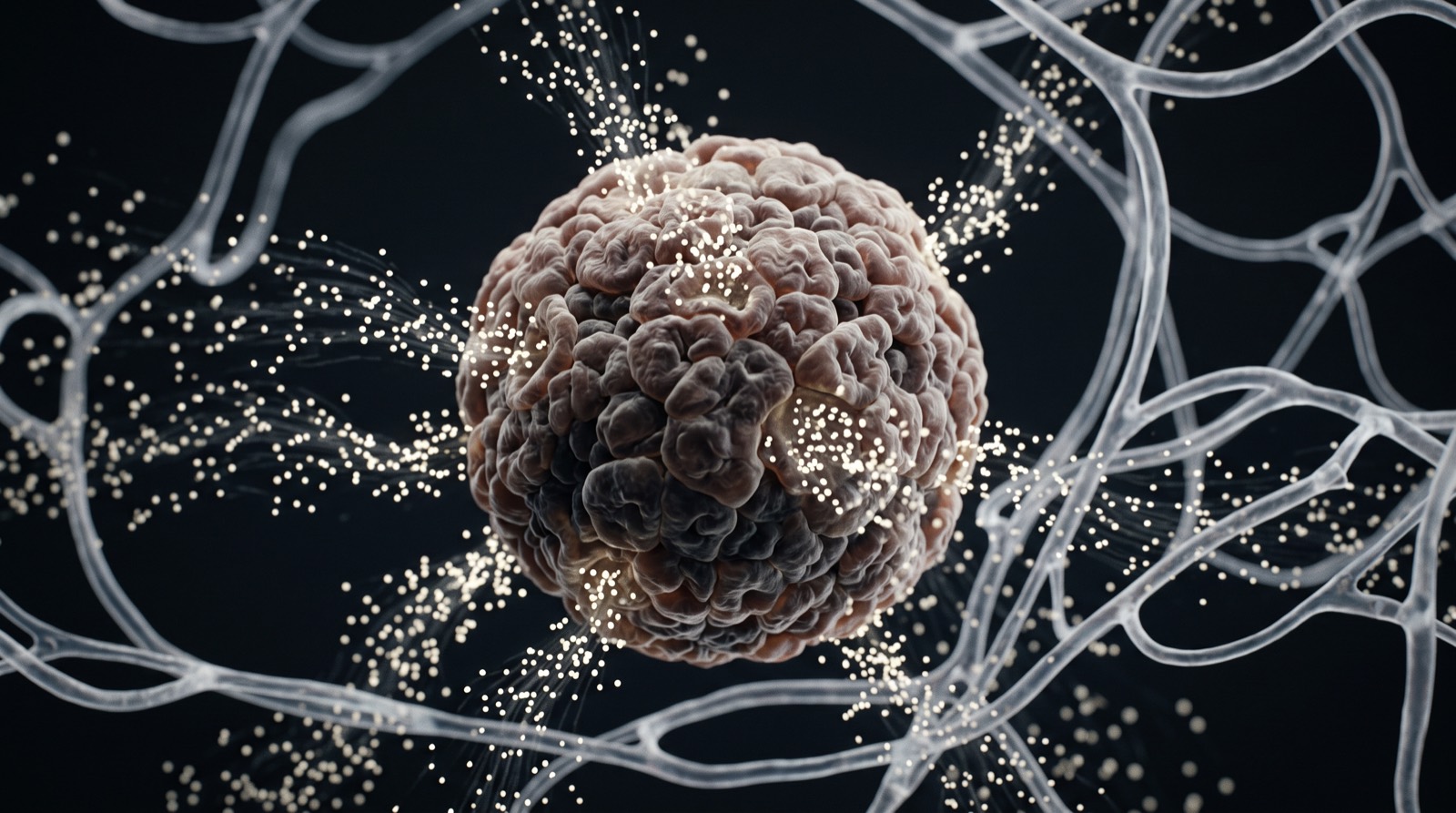
In type 1 diabetes the immune system destroys the cells in the pancreas that make insulin. You can now grow replacement insulin-producing cells from stem cells, but transplant them and the same immune system destroys them again, unless the patient takes immune-suppressing drugs for life. Gene editing is being used to make the replacement cells invisible to the immune system, so that they can survive without those drugs.
और गहराई से जानें
Type 1 diabetes is autoimmune beta-cell destruction; type 2 is a metabolic disease of insulin resistance with polygenic contribution and is not an editing target. Stem-cell-derived islet transplantation is clinically effective but requires chronic immunosuppression. Hypoimmune engineering, which knocks out HLA class I and II via B2M and CIITA and overexpresses CD47 to evade natural killer cells, aims to allow allogeneic islet transplantation without immunosuppression. Sana Biotechnology reported early evidence of hypoimmune islet cell survival and insulin production without immunosuppression.
A different use of editing again
This site's disease pages fall into three groups: correct the gene, remove the harmful protein, or engineer the cells. Diabetes is squarely in the third. Nothing about the patient's genome is edited. The transplanted cells are. It is the same logic as allogeneic CAR-T, applied to a metabolic disease.
Sources
- New England Journal of Medicine · 2025
Survival of transplanted allogeneic beta cells with no immunosuppression ↗