Le guide de référence sur l'édition génomique.
Menu
Accueil Apprendre Actualités Demandez à l'Atlas
Explorer Technologies Maladies Traitements Essais cliniques Entreprises Scientifiques Gènes Recherche Institutions
Au-delà de la médecine Agriculture Éthique Investissement Carte du monde
Apprendre & Outils Commencer ici Glossaire A–Z Comparer les technologies Chronologie Listes & Classements Agents IA ★ Enregistré API
À propos À propos de nous Méthodologie Sources de données Politique éditoriale Contact Avertissements

🧭 Vue guidée
Nouveau en génétique ? Nous expliquons chaque terme au fil de votre navigation, en langage clair. Les mêmes pages, avec l'aide intégrée.

⚡ Point de vue d'expert
Vous connaissez déjà la biologie. Uniquement le contenu — clair et concis, sans explications supplémentaires. C'est l'affichage par défaut.

Langue de l'interface
Mode clair

Disease · Metabolic disease

Diabetes

Where editing is being used not to correct a gene but to hide transplanted insulin-producing cells from the immune system.

Phase I cell therapyimmuneislet
Clinical research Being tested in people in registered clinical trials. Being in trials is not evidence that a treatment works or is safe.

Explication simple

In type 1 diabetes the immune system destroys the cells in the pancreas that make insulin. You can now grow replacement insulin-producing cells from stem cells — but transplant them and the same immune system destroys them again, unless the patient takes immune-suppressing drugs for life. Gene editing is being used to make the replacement cells invisible to the immune system, so that they can survive without those drugs.

Aller plus loin

Type 1 diabetes is autoimmune beta-cell destruction; type 2 is a metabolic disease of insulin resistance with polygenic contribution and is not an editing target. Stem-cell-derived islet transplantation is clinically effective but requires chronic immunosuppression. Hypoimmune engineering — knocking out HLA class I and II via B2M and CIITA, and overexpressing CD47 to evade natural killer cells — aims to allow allogeneic islet transplantation without immunosuppression. Sana Biotechnology reported early evidence of hypoimmune islet cell survival and insulin production without immunosuppression.

A different use of editing again

This site's disease pages fall into three groups: correct the gene, remove the harmful protein, or engineer the cells. Diabetes is squarely in the third. Nothing about the patient's genome is edited — the transplanted cells are. It is the same logic as allogeneic CAR-T, applied to a metabolic disease.

A different use of editing again
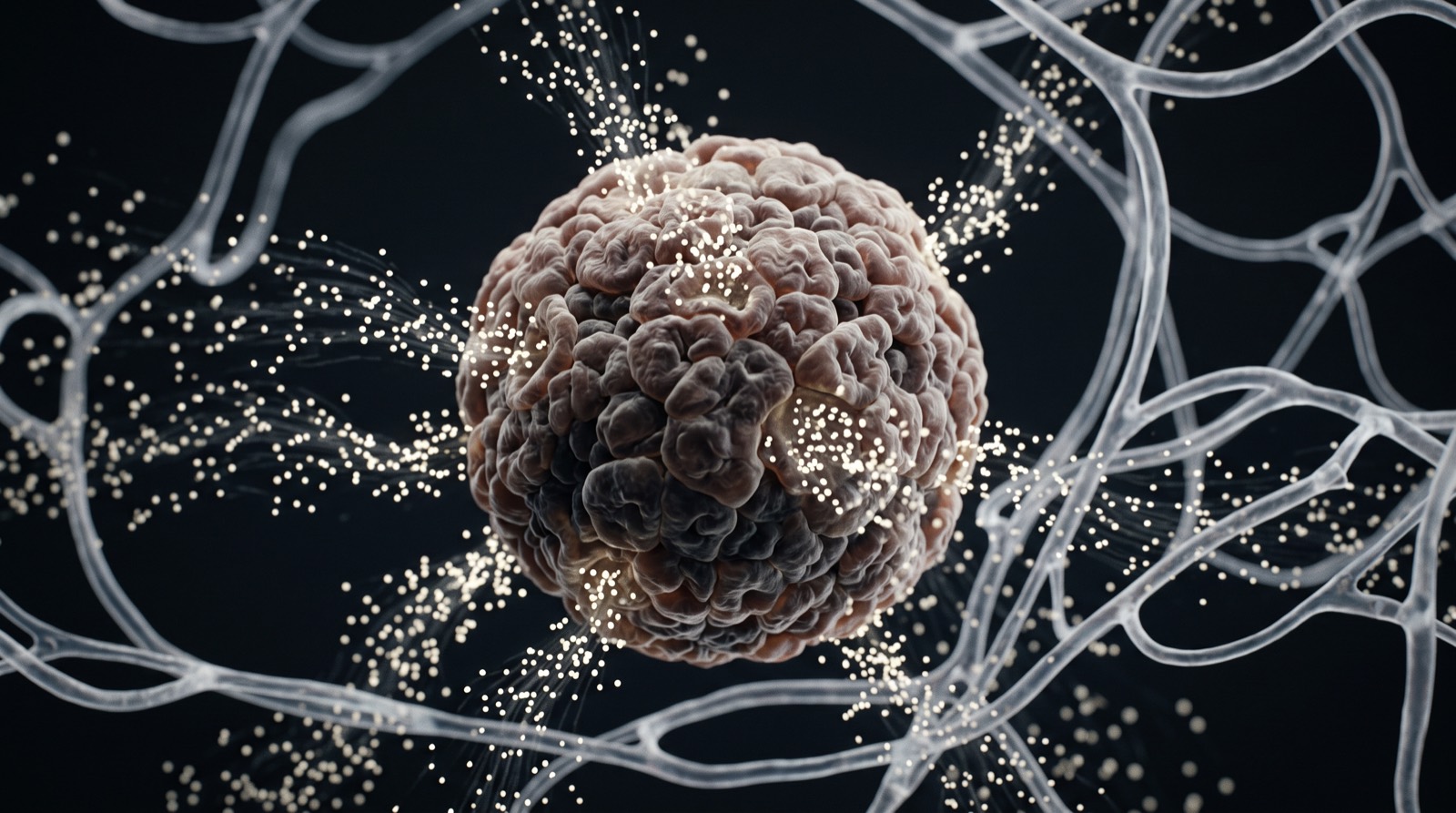
Insulin-producing islet cells releasing hormone into surrounding capillaries. Illustration generated for The CRISPR Atlas — a visual aid, not a photograph or a literal depiction of molecular structure.

Sources

Connected in the Atlas

Every entry on this site is linked to the others it relates to. These connections are part of the record, not a search result.

Information éducative uniquement Cette page est une ressource de référence, et non un conseil médical. L'état de la recherche et des autorisations réglementaires évolue ; vérifiez la date de dernière mise à jour ci-dessus et confirmez tout élément important auprès des sources primaires indiquées.