Der umfassende Leitfaden zum Genome Editing.
Menü
Startseite Lernen Neuigkeiten Den Atlas fragen
Entdecken Technologien Krankheiten Behandlungen Klinische Studien Unternehmen Wissenschaftlerinnen und Wissenschaftler Gene Forschung Institutionen
Jenseits der Medizin Landwirtschaft Ethik Investieren Weltkarte
Lernen & Tools Hier starten Glossar A–Z Technologien vergleichen Zeitstrahl Listen & Rankings KI-Agenten ★ Gespeichert API
Über uns Über uns Methodik Datenquellen Redaktionelle Richtlinien Kontakt Haftungsausschlüsse

🧭 Geführte Ansicht
Neu in der Genetik? Wir erklären jeden Begriff beim Stöbern in einfacher Sprache. Dieselben Seiten, mit integrierter Hilfe.

⚡ Expertenansicht
Du kennst die Biologie bereits. Nur der Inhalt – klar und kompakt, ohne zusätzliche Erklärungen. Das ist die Standardansicht.

Sprache der Benutzeroberfläche
Heller Modus

Disease · Metabolic disease

Diabetes

Where editing is being used not to correct a gene but to hide transplanted insulin-producing cells from the immune system.

Phase I cell therapyimmuneislet
Clinical research Being tested in people in registered clinical trials. Being in trials is not evidence that a treatment works or is safe.

Einfache Erklärung

In type 1 diabetes the immune system destroys the cells in the pancreas that make insulin. You can now grow replacement insulin-producing cells from stem cells — but transplant them and the same immune system destroys them again, unless the patient takes immune-suppressing drugs for life. Gene editing is being used to make the replacement cells invisible to the immune system, so that they can survive without those drugs.

Tiefer eintauchen

Type 1 diabetes is autoimmune beta-cell destruction; type 2 is a metabolic disease of insulin resistance with polygenic contribution and is not an editing target. Stem-cell-derived islet transplantation is clinically effective but requires chronic immunosuppression. Hypoimmune engineering — knocking out HLA class I and II via B2M and CIITA, and overexpressing CD47 to evade natural killer cells — aims to allow allogeneic islet transplantation without immunosuppression. Sana Biotechnology reported early evidence of hypoimmune islet cell survival and insulin production without immunosuppression.

A different use of editing again

This site's disease pages fall into three groups: correct the gene, remove the harmful protein, or engineer the cells. Diabetes is squarely in the third. Nothing about the patient's genome is edited — the transplanted cells are. It is the same logic as allogeneic CAR-T, applied to a metabolic disease.

A different use of editing again
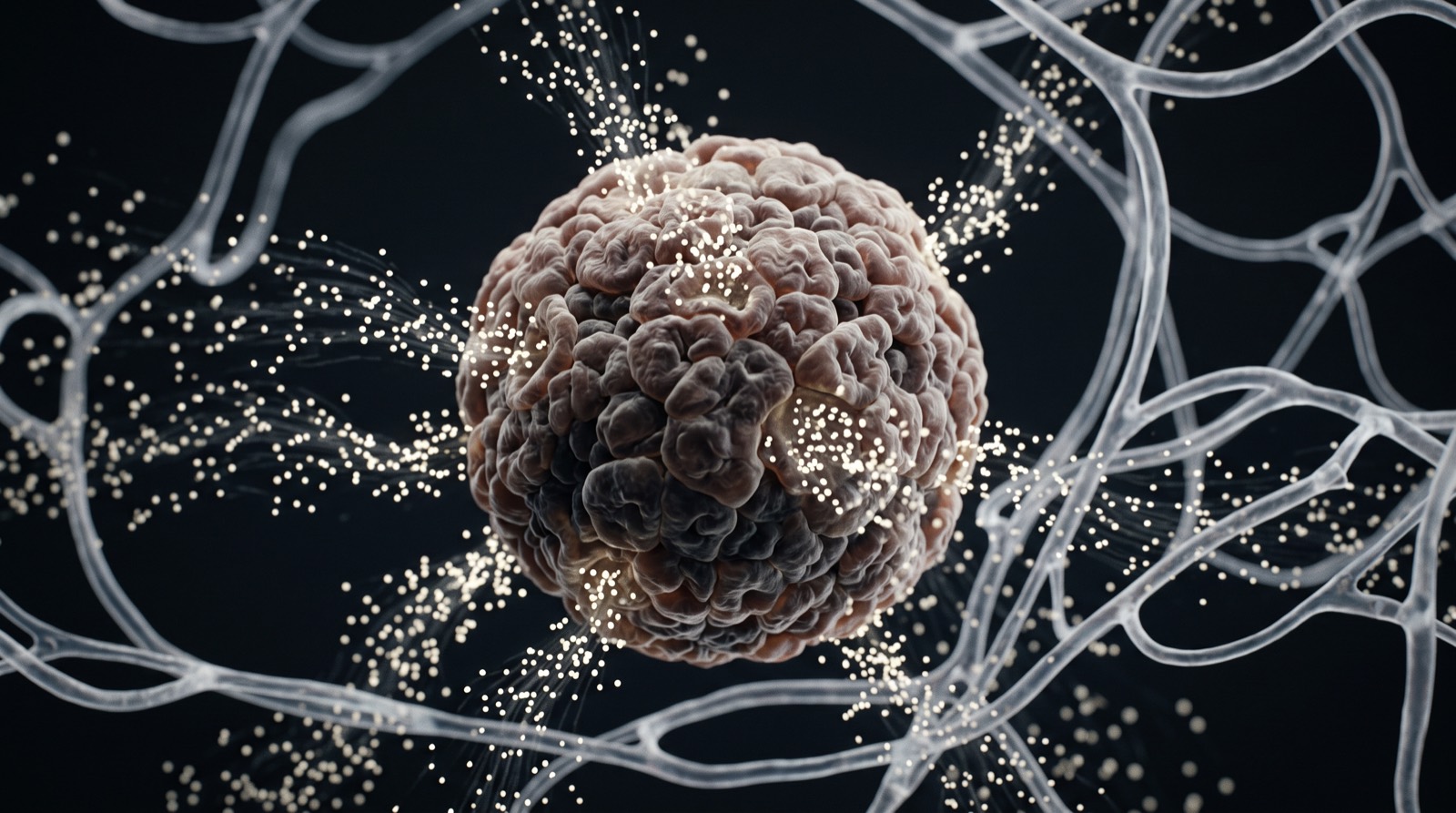
Insulin-producing islet cells releasing hormone into surrounding capillaries. Illustration generated for The CRISPR Atlas — a visual aid, not a photograph or a literal depiction of molecular structure.

Sources

Connected in the Atlas

Every entry on this site is linked to the others it relates to. These connections are part of the record, not a search result.

Nur zu Bildungszwecken Diese Seite ist eine Referenz, keine medizinische Beratung. Forschungs- und Zulassungsstatus können sich ändern; beachten Sie das oben angegebene Aktualisierungsdatum und gleichen Sie wichtige Informationen mit den aufgeführten Primärquellen ab.