المرجع الشامل لتحرير الجينات.
القائمة
الرئيسية تعلّم الأخبار اسأل الأطلس
استكشف التقنيات الأمراض العلاجات التجارب السريرية الشركات العلماء الجينات البحث العلمي المؤسسات
ما وراء الطب الزراعة الأخلاقيات الاستثمار خريطة العالم
التعلم والأدوات ابدأ من هنا مسرد من أ إلى ي مقارنة التقنيات الجدول الزمني القوائم والتصنيفات وكلاء الذكاء الاصطناعي ★ تم الحفظ API
حول من نحن المنهجية مصادر البيانات السياسة التحريرية تواصل معنا إخلاء المسؤولية

🧭 العرض الموجَّه
هل أنت جديد في عالم الجينات؟ نشرح لك كل مصطلح أثناء تصفحك، بلغة بسيطة وواضحة. نفس الصفحات، مع مساعدة مدمجة فيها.

⚡ رأي الخبير
أنت تعرف الأساسيات البيولوجية بالفعل. المحتوى فقط — موجز وواضح، بدون شروح إضافية. هذا هو العرض الافتراضي.

لغة الواجهة
الوضع الفاتح

Disease · Metabolic disease

Diabetes

Where editing is being used not to correct a gene but to hide transplanted insulin-producing cells from the immune system.

Phase I cell therapyimmuneislet
Clinical research Being tested in people in registered clinical trials. Being in trials is not evidence that a treatment works or is safe.

شرح مبسّط

In type 1 diabetes the immune system destroys the cells in the pancreas that make insulin. You can now grow replacement insulin-producing cells from stem cells — but transplant them and the same immune system destroys them again, unless the patient takes immune-suppressing drugs for life. Gene editing is being used to make the replacement cells invisible to the immune system, so that they can survive without those drugs.

تعمق أكثر

Type 1 diabetes is autoimmune beta-cell destruction; type 2 is a metabolic disease of insulin resistance with polygenic contribution and is not an editing target. Stem-cell-derived islet transplantation is clinically effective but requires chronic immunosuppression. Hypoimmune engineering — knocking out HLA class I and II via B2M and CIITA, and overexpressing CD47 to evade natural killer cells — aims to allow allogeneic islet transplantation without immunosuppression. Sana Biotechnology reported early evidence of hypoimmune islet cell survival and insulin production without immunosuppression.

A different use of editing again

This site's disease pages fall into three groups: correct the gene, remove the harmful protein, or engineer the cells. Diabetes is squarely in the third. Nothing about the patient's genome is edited — the transplanted cells are. It is the same logic as allogeneic CAR-T, applied to a metabolic disease.

A different use of editing again
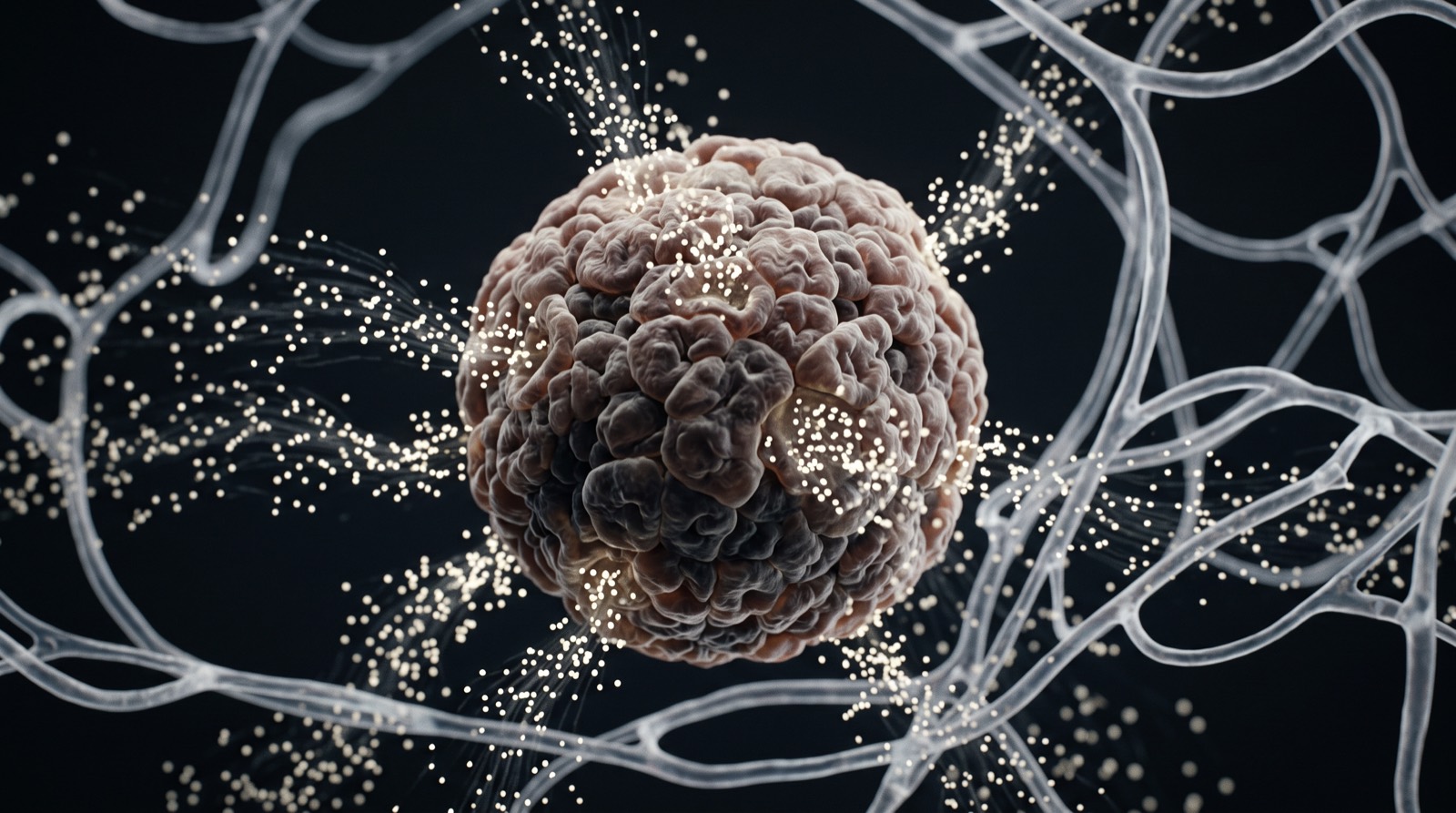
Insulin-producing islet cells releasing hormone into surrounding capillaries. Illustration generated for The CRISPR Atlas — a visual aid, not a photograph or a literal depiction of molecular structure.

Sources

Connected in the Atlas

Every entry on this site is linked to the others it relates to. These connections are part of the record, not a search result.

معلومات تعليمية فحسب هذه الصفحة مرجعٌ للمعلومات، وليست مشورة طبية. تتغيّر أوضاع البحث والتنظيم باستمرار؛ راجع تاريخ آخر تحديث أعلاه وتحقَّق من أي معلومة مهمة عبر المصادر الأولية المدرَجة.