간단한 설명
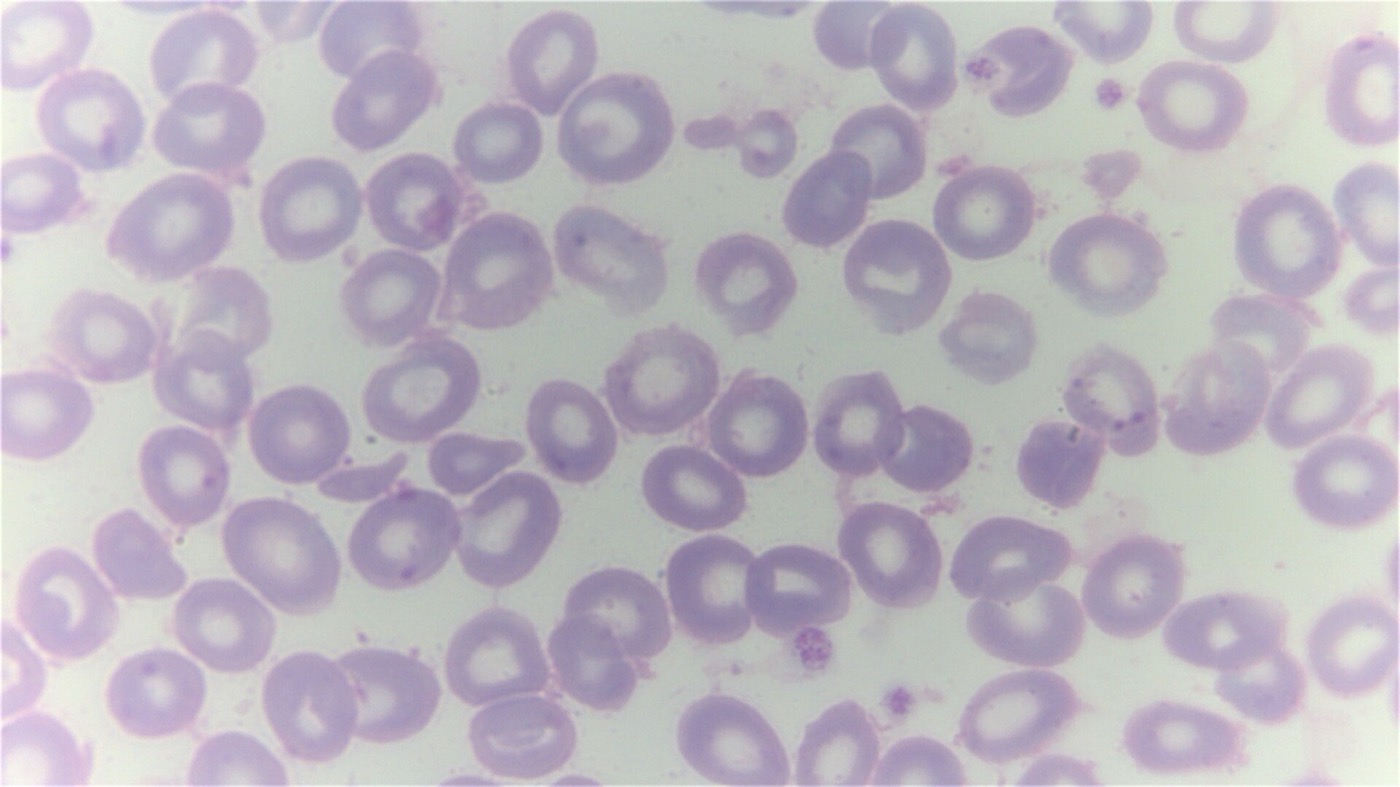
Haemoglobin is built from two kinds of protein chain. In beta thalassemia the beta chains are made in far too small an amount, so haemoglobin cannot be assembled properly and red blood cells fail. The severe form means a transfusion every few weeks, for life, and iron builds up from those transfusions until it damages the heart and liver. The same CRISPR therapy approved for sickle cell disease is also approved here, and it works the same way: by switching fetal haemoglobin back on.
더 깊이 알아보기
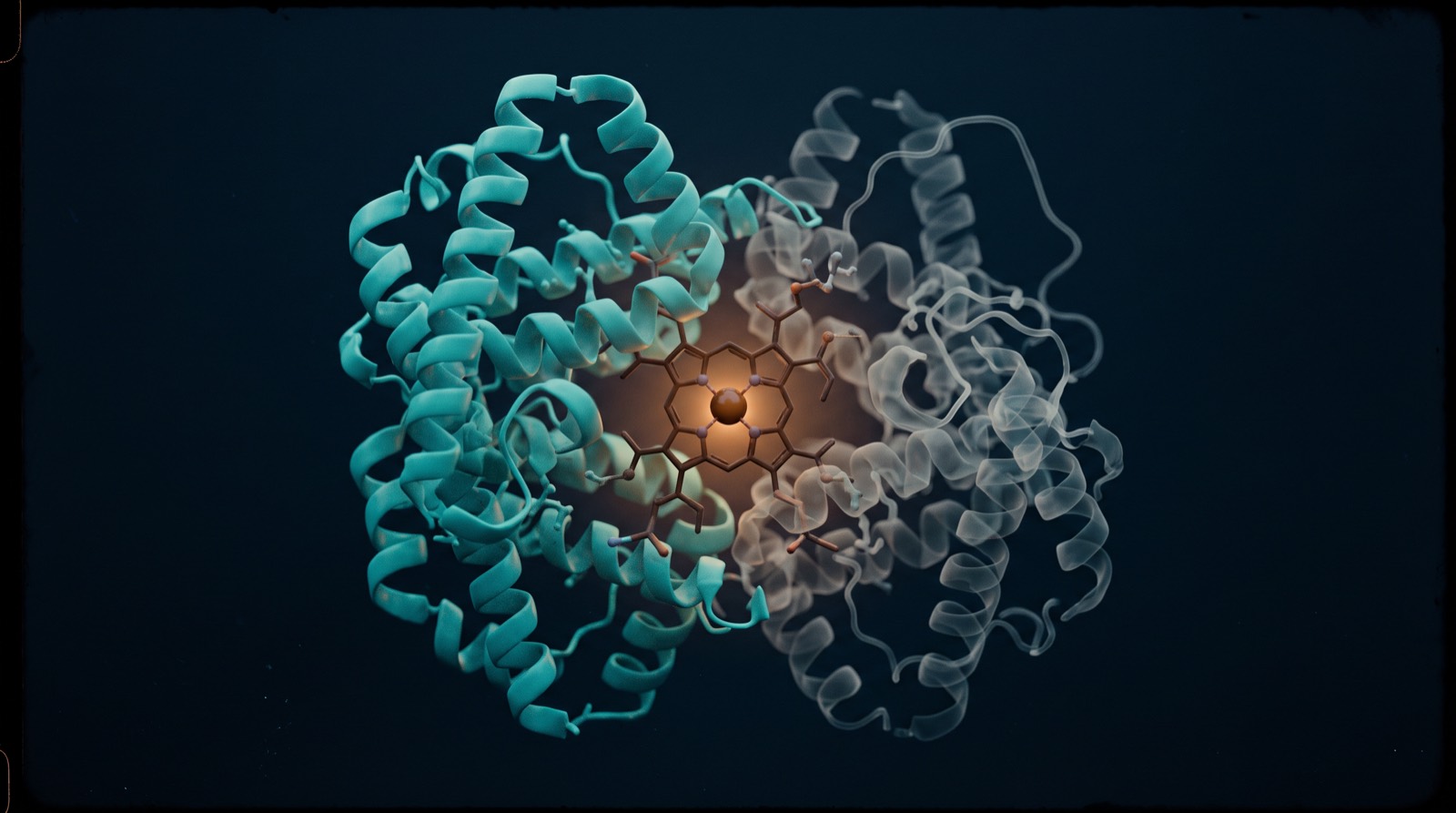
Beta thalassemia results from HBB mutations reducing (β+) or abolishing (β0) beta-globin synthesis. Unpaired alpha chains precipitate, causing ineffective erythropoiesis and haemolysis. Transfusion-dependent disease requires lifelong transfusion with iron chelation. Reactivating fetal haemoglobin through BCL11A enhancer disruption restores functional haemoglobin tetramers independent of beta-globin, which is why the same intervention serves both conditions.
How common it is
Beta thalassemia is most common around the Mediterranean, in the Middle East, South and Southeast Asia. As with sickle cell disease, carrier frequency is elevated in historically malaria-endemic regions. Estimates of transfusion-dependent cases worldwide run into the hundreds of thousands, and the distribution again means most patients live where a cell-therapy infrastructure does not exist.
Gene editing status
Casgevy is approved for transfusion-dependent beta thalassemia in patients 12 and over, in the United States and several other jurisdictions. In trials, the great majority of participants became transfusion-independent. A separate approved gene-addition therapy, Zynteglo, delivers a functional beta-globin gene by lentiviral vector rather than editing. That is the same disease treated by two genuinely different approaches, which makes it one of the clearest illustrations of the distinction.
Current standard of care
Regular transfusion with iron chelation, luspatercept in some patients, and allogeneic transplant where a matched donor is available. Iron overload management is the long-term determinant of outcome for most transfusion-dependent patients.
Sources
- U.S. Food and Drug Administration · 2024
FDA approves Casgevy for transfusion-dependent beta thalassemia ↗ - New England Journal of Medicine (Locatelli et al.) · 2024
Exagamglogene autotemcel for transfusion-dependent β-thalassemia ↗