The definitive guide to gene editing.
Menu
Home Learn News Ask the Atlas
Explore Technologies Diseases Treatments Clinical Trials Companies Scientists Genes Research Institutions
Beyond medicine Agriculture Ethics Investing World map
Learn & Tools Start here Glossary A–Z Compare technologies Timeline Lists & Rankings AI Agents ★ Saved API
About About us Methodology Data Sources Editorial Policy Contact Disclaimers

🧭 Guided View
New to genetics? We explain every term as you browse, in plain English. Same pages, with the help built in.

⚡ Expert View
You already know the biology. Just the content — clean and compact, no extra explanations. This is the default view.

Interface language
Light mode

Agriculture topic · Crops

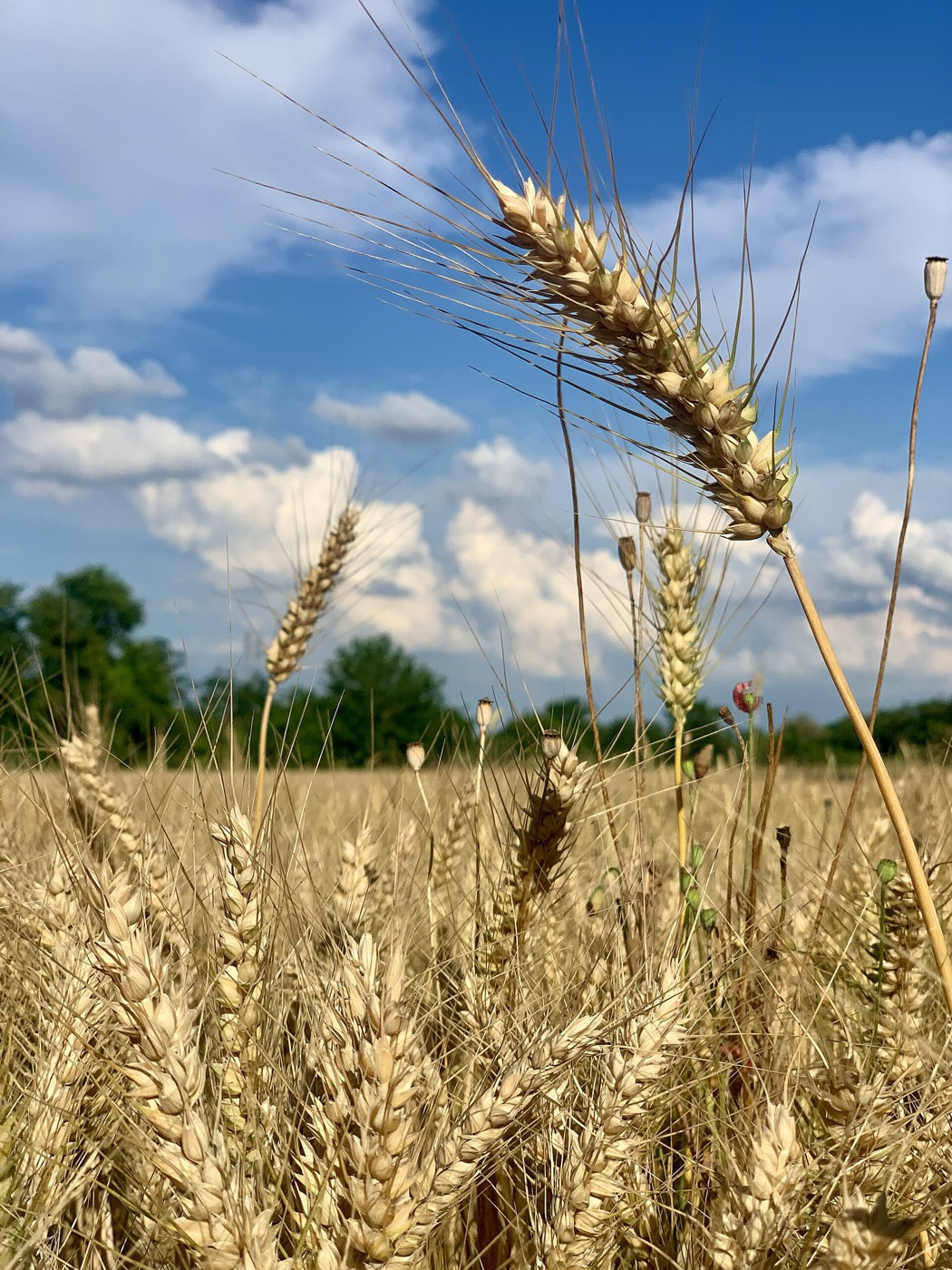
Gene-edited wheat

Editing all six copies of a gene at once made wheat resistant to a disease that conventional breeding could not solve.

Phase III
Clinical research Being tested in people in registered clinical trials. Being in trials is not evidence that a treatment works or is safe.

Simple explanation

Bread wheat is hexaploid — it carries six copies of most genes, from three ancestral species. That makes conventional breeding extremely slow, because you must fix all six copies. Editing can hit all of them simultaneously. A landmark result knocked out all six copies of a susceptibility gene and produced wheat resistant to powdery mildew. Low-gluten and low-acrylamide wheats are also in development.

Go deeper

Bread wheat's hexaploid genome requires simultaneous modification of homoeologous copies, which is impractical by conventional breeding but straightforward by multiplex editing. Knockout of all six MLO alleles conferred powdery mildew resistance. Further programmes target reduced gliadin content for coeliac-relevant wheat and reduced asparagine to lower acrylamide formation during baking. Field trials of low-acrylamide wheat have been conducted in the United Kingdom.

Sources

Connected in the Atlas

Every entry on this site is linked to the others it relates to. These connections are part of the record, not a search result.

Technologies

CRISPR-Cas9

Agriculture

Gene-edited crops
Educational information only This page is a reference, not medical advice. Research and regulatory status change; check the last-updated date above and confirm anything important against the primary sources listed.