The definitive guide to gene editing.
Menu
Home Learn News Ask the Atlas
Explore Technologies Diseases Treatments Clinical Trials Companies Scientists Genes Research Institutions
Beyond medicine Agriculture Ethics Investing World map
Learn & Tools Start here Glossary A–Z Compare technologies Timeline Lists & Rankings AI Agents ★ Saved API
About About us Methodology Data Sources Editorial Policy Contact Disclaimers

🧭 Guided View
New to genetics? We explain every term as you browse, in plain English. Same pages, with the help built in.

⚡ Expert View
You already know the biology. Just the content — clean and compact, no extra explanations. This is the default view.

Interface language
Light mode

Agriculture topic · Crops

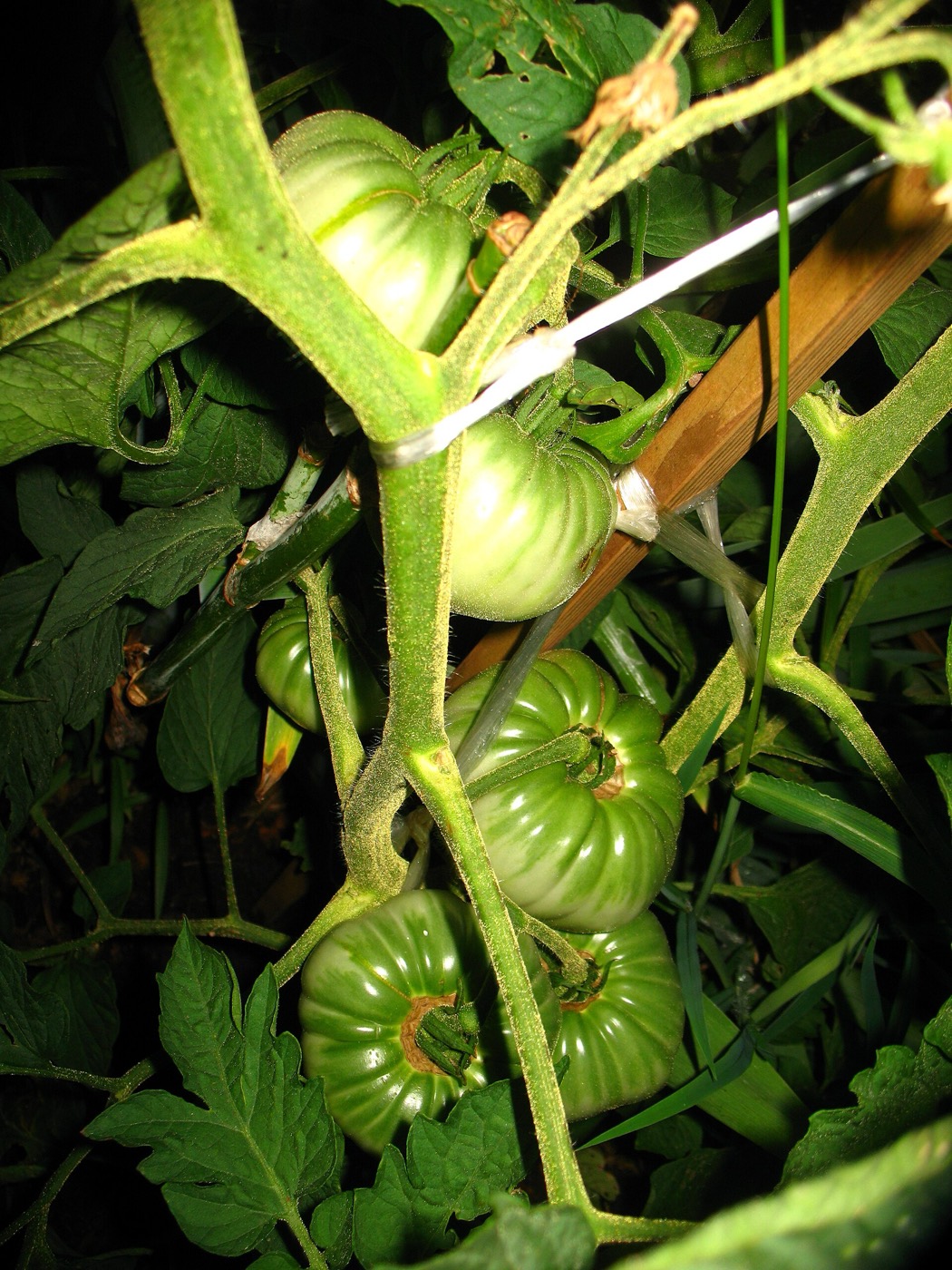
Gene-edited tomatoes

A GABA-enriched tomato sold in Japan from 2021 was among the first gene-edited foods to reach consumers anywhere.

Approved
Approved treatment At least one medicine using this approach has been authorised by a national regulator for this use.

Simple explanation

A Japanese company edited tomatoes to accumulate more GABA, a compound associated with relaxation, by disabling the brake on an enzyme the plant already has. The tomatoes went on sale in 2021 — among the first edited foods sold to the public. Purple tomatoes with higher anthocyanin content have also reached the US market.

Go deeper

Sicilian Rouge High GABA, developed by Sanatech Seed using CRISPR-Cas9 to truncate the autoinhibitory domain of glutamate decarboxylase, was notified to Japanese authorities in 2021 and sold directly to consumers. It required no pre-market approval under Japan's framework because no foreign DNA was introduced. Health claims for dietary GABA are not established, which is a separate question from the safety of the food itself.

Sources

Connected in the Atlas

Every entry on this site is linked to the others it relates to. These connections are part of the record, not a search result.

Agriculture

Gene-edited crops
Educational information only This page is a reference, not medical advice. Research and regulatory status change; check the last-updated date above and confirm anything important against the primary sources listed.