わかりやすい説明
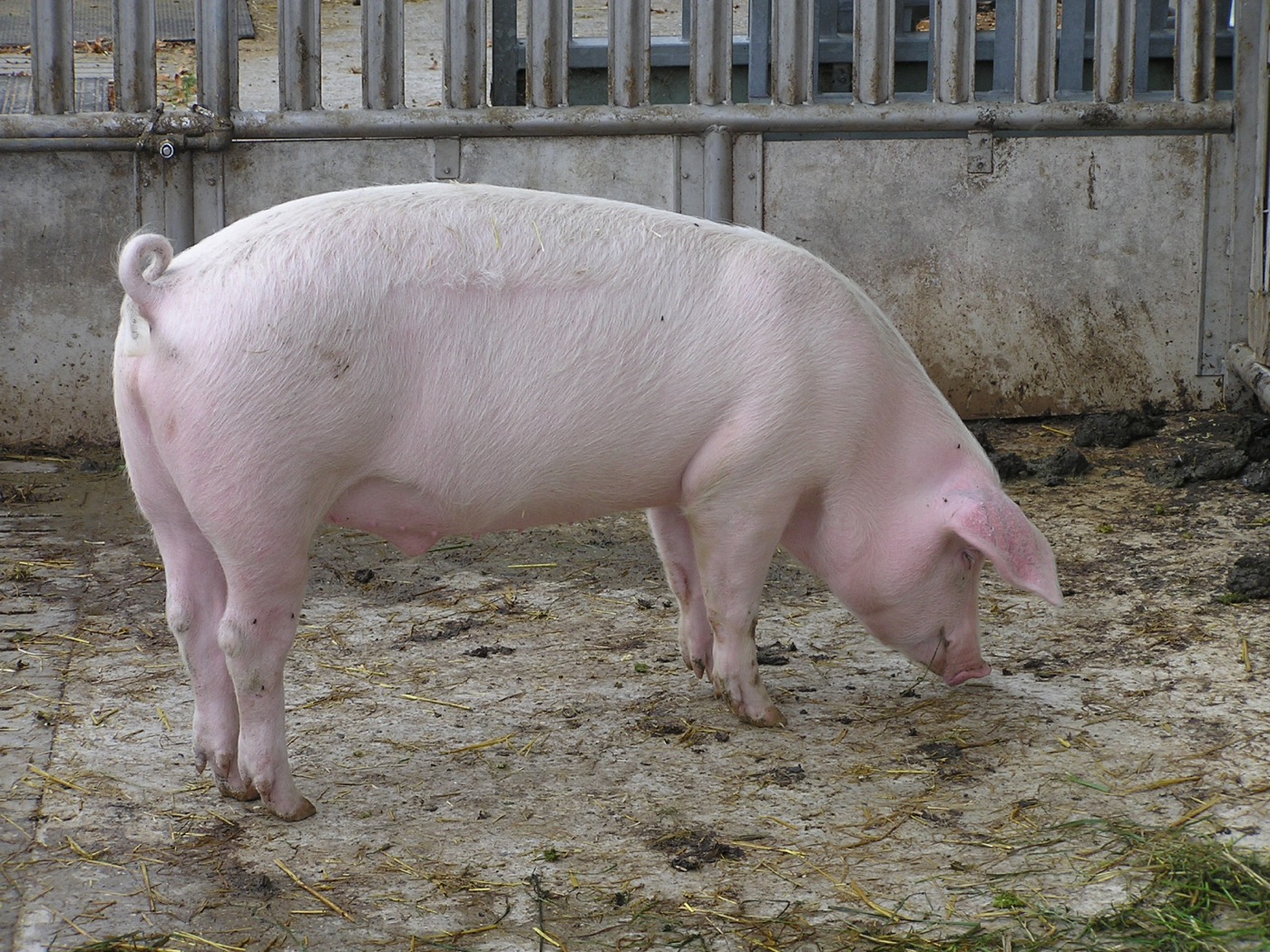
Two very different projects use the same animal. In farming, pigs have been edited to resist PRRS, a virus that causes enormous losses and suffering, by changing the receptor the virus uses. In medicine, pigs have been edited far more extensively, with dozens of changes to remove viral sequences and human immune triggers, so their hearts and kidneys might be transplanted into people. Both have reached real-world milestones.
さらに深く掘り下げる
PRRS-resistant pigs, produced by editing the CD163 receptor the virus uses for entry, have received regulatory clearance in some jurisdictions. Separately, xenotransplantation programmes have used multiplex editing to inactivate porcine endogenous retroviruses and remove carbohydrate antigens triggering hyperacute rejection, while adding human regulatory transgenes. Pig-to-human heart and kidney transplants have been performed under compassionate use with limited survival.
Sources
- U.S. Food and Drug Administration
Genome editing in livestock ↗