简单说明
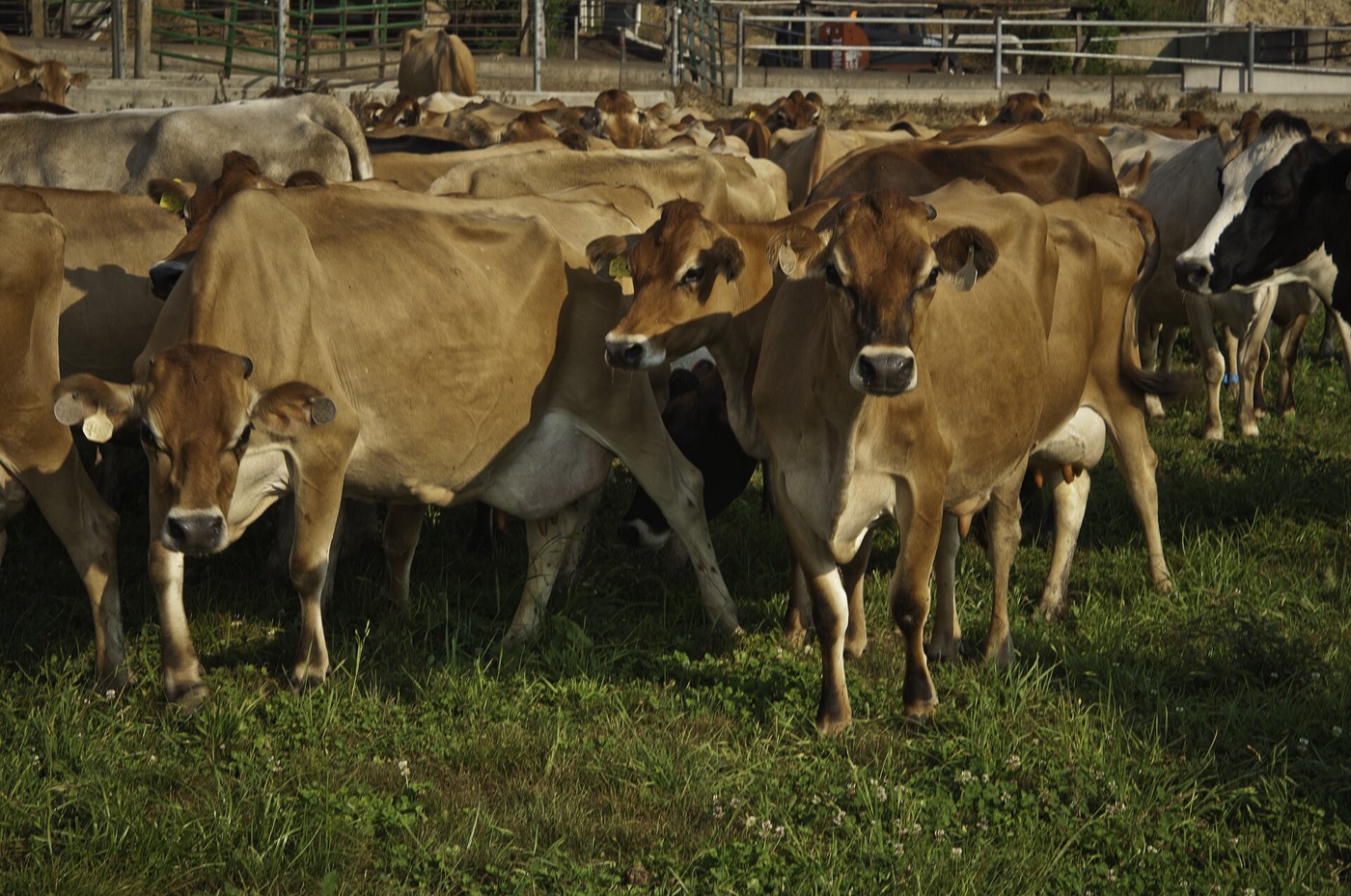
A natural variant found in some cattle breeds gives a short, sleek coat that helps them cope with heat. Editing introduced that same variant into other breeds. In 2022 the FDA determined the change posed a low risk, allowing the beef to enter the food supply, the first such determination for a gene-edited food animal. Editing has also been used to produce hornless dairy cattle, avoiding the painful disbudding routinely performed on farms.
深入了解
The FDA issued a low-risk determination in March 2022 for cattle edited to carry the slick-hair variant, found naturally in some tropical breeds, permitting their products to enter the food supply. Editing for polled (hornless) genetics has also been demonstrated, offering a route to eliminate routine disbudding. An earlier polled programme was found to contain unintended plasmid integration, a case frequently cited on both sides of the debate about how thoroughly edited animals must be characterised.
Sources
- U.S. Food and Drug Administration · 2022
FDA makes low-risk determination for marketing of products from genome-edited beef cattle ↗