Hướng dẫn toàn diện về chỉnh sửa gene.
Menu
Trang chủ Tìm hiểu Tin tức Hỏi Atlas
Khám phá Các công nghệ Các bệnh Các phương pháp điều trị Thử nghiệm lâm sàng Các công ty Các nhà khoa học Các gene Nghiên cứu Tổ chức / Cơ sở
Ngoài y học Nông nghiệp Đạo đức Đầu tư Bản đồ thế giới
Tìm hiểu & Công cụ Bắt đầu tại đây Bảng thuật ngữ A–Z So sánh các công nghệ Dòng thời gian Danh sách & Xếp hạng AI Agents ★ Đã lưu API
Giới thiệu Về chúng tôi Phương pháp Nguồn dữ liệu Chính sách biên tập Liên hệ Tuyên bố miễn trừ trách nhiệm

🧭 Chế độ xem có hướng dẫn
Mới làm quen với di truyền học? Chúng tôi giải thích mọi thuật ngữ ngay khi bạn duyệt, bằng ngôn ngữ dễ hiểu. Cùng nội dung đó, nhưng có phần hỗ trợ tích hợp sẵn.

⚡ Góc nhìn chuyên gia
Bạn đã hiểu về sinh học rồi. Chỉ cần nội dung — gọn gàng và súc tích, không có giải thích thêm. Đây là chế độ xem mặc định.

Ngôn ngữ giao diện
Chế độ sáng

Agriculture topic · Livestock

Gene-edited cattle

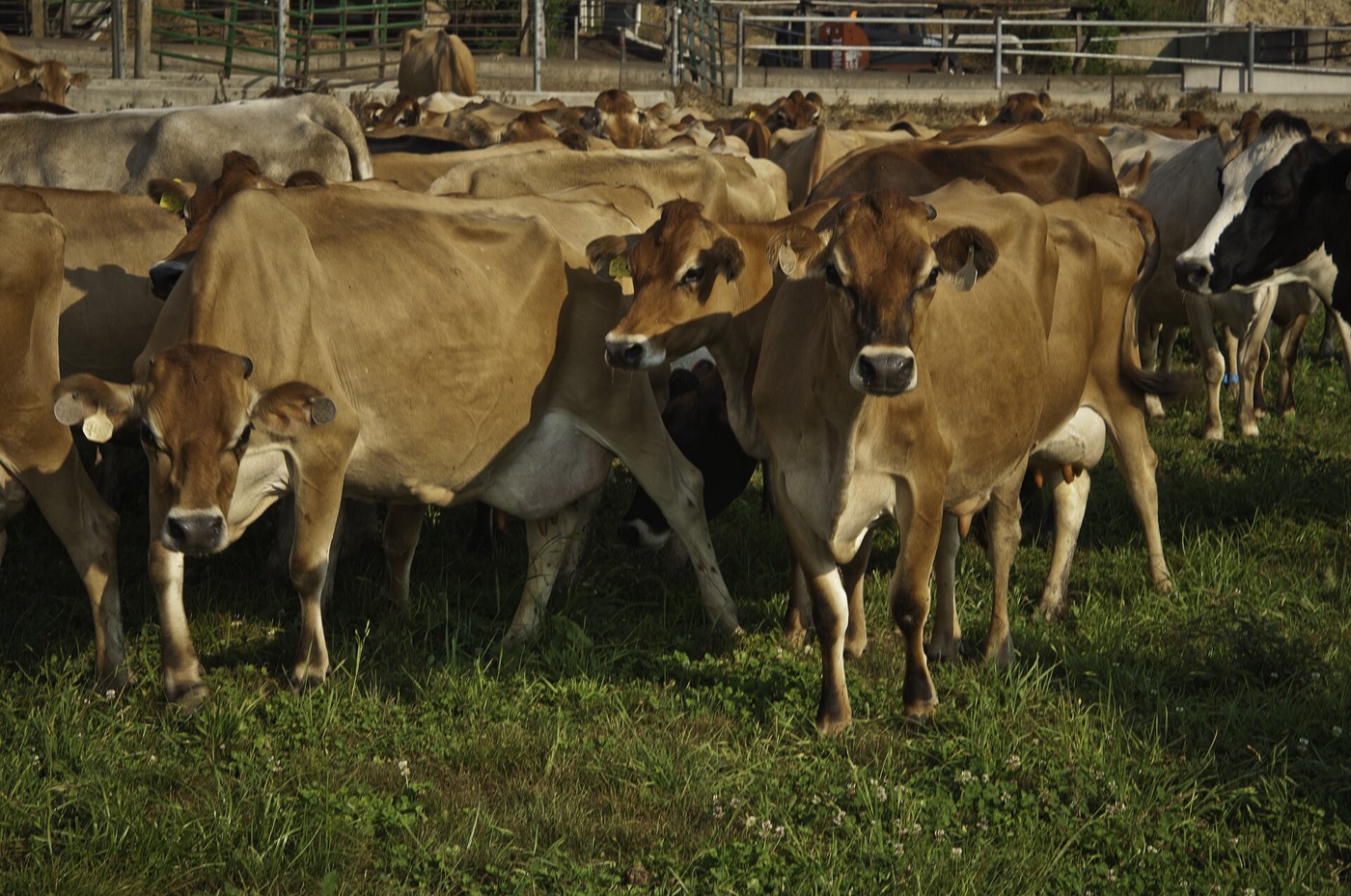
Slick-coated cattle, edited for heat tolerance, received FDA clearance in 2022 — the first low-risk determination for an edited food animal.

Approved
Approved treatment At least one medicine using this approach has been authorised by a national regulator for this use.

Giải thích đơn giản

A natural variant found in some cattle breeds gives a short, sleek coat that helps them cope with heat. Editing introduced that same variant into other breeds. In 2022 the FDA determined the change posed a low risk, allowing the beef to enter the food supply — the first such determination for a gene-edited food animal. Editing has also been used to produce hornless dairy cattle, avoiding the painful disbudding routinely performed on farms.

Tìm hiểu sâu hơn

The FDA issued a low-risk determination in March 2022 for cattle edited to carry the slick-hair variant, found naturally in some tropical breeds, permitting their products to enter the food supply. Editing for polled (hornless) genetics has also been demonstrated, offering a route to eliminate routine disbudding. An earlier polled programme was found to contain unintended plasmid integration — a case frequently cited on both sides of the debate about how thoroughly edited animals must be characterised.

Sources

Connected in the Atlas

Every entry on this site is linked to the others it relates to. These connections are part of the record, not a search result.

Chỉ mang tính chất thông tin giáo dục Trang này là tài liệu tham khảo, không phải tư vấn y tế. Tình trạng nghiên cứu và quy định thay đổi; hãy kiểm tra ngày cập nhật lần cuối ở trên và xác nhận mọi thông tin quan trọng với các nguồn chính được liệt kê.